

 Zobacz w skali 1:1
 Wyślij
 Udostępnij
 Szczegóły

 Pobierz plik obrazu
 Podobne obiekty
 RTG
RTG Pokaz slajdów
 Statystyki
Self-Portrait as a Young Man


 Czytaj więcej
Giclée / Wydruk artystyczny
Wydruki giclée lub płótna o jakości muzealnej, szybka realizacja i szeroki wybór opcji wykończenia. ( Kup ręcznie malowany obraz Przełącz na wersję cyfrową)




P118B $10

P118H $10

P118W $10

P438Z $10

P508JH $12

P508YH $12

P805H $10

P805Z $10

P919BZ $10

P919G $10

P919XJ $10

P959ZH $10

P968JZ $12

W106C $8

W218G $10

W218JH $8

W218Y $10

W307PJ $10

W316G $10

W316PJ $8

W316Y $10

W398PJ $8

W4111J $10

W500HY $15

W500JH $15

W692G $12

W849H $8

W940BG $15

W953PJ $8




Wybierz spośród naszych standardowych rozmiarów, które zachowują oryginalne proporcje dzieła sztuki.

Możesz wprowadzić własne wymiary, aby dopasować dzieło do konkretnej ramy lub przestrzeni. Jeśli wybrany rozmiar nie będzie odpowiadał proporcjom oryginalnego obrazu, przytniecie dzieło lub rozszerzymy obraz za pomocą odbicia lustrzanego lub jednolitego wypełnienia krawędzi. Przed rozpoczęciem produkcji prześlemy cyfrową wizualizację do Twojej akceptacji.
Prosimy pamiętać, że podgląd na ekranie nie odzwierciedla faktycznego przycinania ani rozszerzania. Tylko wizualizacja dokładnie pokaże końcową kompozycję.
Mimo dostępności niestandardowych rozmiarów, zalecamy wybór wymiaru z listy zdefiniowanej, aby zachować oryginalne proporcje.
Dostawa na cały świat () w ciągu 2 tygodni zamiast standardowych 4/5 tygodni. (17 Wrzesień)

Bezpłatna ekspresowa wysyłka na cały świat

Wysokiej jakości płótno lniane

Pełne ubezpieczenie transportowe

Gwarancja zwrotu należności celnych i podatków importowych

Gwarancja idealnego odwzorowania barw

100-dniowy okres na zwrot dzieła w przypadku wykrycia wad produkcyjnych

Gwarancja 100% zwrotu pieniędzy

Oferta przy zakupie wielu sztuk
 Opcja ze szkłem jest dostępna wyłącznie w rozmiarach poniżej 110 cm

Self-Portrait as a Young Man
Giclée / Wydruk artystyczny
Rozmiar reprodukcji
-


Suma do zapłaty
$ 80
A Glimpse of Youth and Genius: Exploring Bernini’s Self-Portrait
Gian Lorenzo Bernini's “Self-Portrait as a Young Man,” painted in 1623, isn’t merely a likeness; it’s a carefully constructed declaration of artistic ambition and nascent genius. Captured during a pivotal period of his career – just twenty-five years old when he undertook the commission – the painting offers an intimate window into the mind of a sculptor destined to reshape the very language of Baroque art. It's a study in controlled intensity, a subtle display of confidence that belies the turbulent creative journey ahead. The portrait isn’t overtly flamboyant; instead, it favors restraint and a profound understanding of light and shadow – hallmarks of Bernini’s developing style.

Baroque Drama and the Language of Gesture
Bernini’s mastery is immediately evident in his command of Baroque technique. The painting exemplifies the style's dramatic use of chiaroscuro – the stark contrast between light and dark – to sculpt volume and create a sense of three-dimensionality. Notice how the folds of his clothing seem to ripple with an inner life, and how the subtle blush on his cheeks hints at both vitality and introspection. The composition itself is carefully balanced; the young Bernini stands slightly off-center, drawing the viewer’s eye directly into his gaze. This directness, combined with the slight tilt of his head, conveys a sense of engagement and intellectual curiosity – qualities that would become central to his artistic vision.
- The Dark Background: Serves to heighten the luminosity of Bernini’s face and clothing, emphasizing his presence.
- The White Collar: A symbol of status and perhaps a subtle nod to his noble background, hinting at the patronage that fueled his career.
- Intense Gaze: Captures the artist's focused attention and intellectual curiosity – key elements of his creative process.
Symbolism and the Artist’s Identity
Beyond a simple portrait, “Self-Portrait as a Young Man” is a statement about Bernini’s artistic identity. The painting reflects his burgeoning confidence as a sculptor, foreshadowing his later monumental works like "David" and "Ecstasy of Saint Teresa." The young man's contemplative expression suggests an artist deeply engaged with the world around him, seeking to capture its beauty and emotion through his art. Some scholars believe the subtle suggestion of a dragon in the background – barely perceptible yet undeniably present – alludes to Bernini’s ambition to transform ordinary materials into extraordinary works of art, mirroring the mythical creature's ability to breathe life into inanimate objects.
A Legacy Forged in Rome
Created during a period of immense artistic and political upheaval in Rome, this self-portrait offers a glimpse into the heart of the Baroque era. Bernini’s work was deeply intertwined with the papacy, serving as both an artist and a courtier. His ability to seamlessly blend technical skill with emotional depth – qualities brilliantly displayed in this intimate portrait – cemented his place as one of the most influential artists of all time. Reproductions of “Self-Portrait as a Young Man” allow us to appreciate not only Bernini’s extraordinary talent but also the vibrant cultural landscape that shaped his genius. It remains a powerful testament to the enduring legacy of a true Renaissance man.
Biografia artysty
A Roman Genius: The Life and Legacy of Gian Lorenzo Bernini
Gian Lorenzo Bernini, a name synonymous with the Baroque era, was more than just a sculptor; he was an architect, painter, playwright, and a true *uomo universale* – a universal man. Born in Naples in 1598, his journey to becoming Rome’s most celebrated artist began within a family steeped in artistic tradition. His father, Pietro Bernini, a respected sculptor himself, provided the initial foundation for young Gian Lorenzo's burgeoning talent, nurturing it within their workshop and exposing him to the classical heritage of Italy. This early immersion wasn’t merely about technical training; it was a profound absorption of form, proportion, and the spirit of antiquity – elements that would profoundly shape Bernini’s revolutionary approach to art.Sculpting Emotion: The Birth of Baroque Drama
Bernini didn't simply carve stone; he breathed life into marble, capturing moments of intense psychological depth and dramatic narrative with an unprecedented skill. He shattered the conventions of the Renaissance, moving beyond the idealized forms and static beauty that had defined the era. Instead, Bernini embraced movement, theatricality, and the raw power of human emotion – hallmarks that would become inextricably linked to the burgeoning Baroque style. His works weren’t mere representations; they were visceral experiences designed to evoke a profound response in the viewer. Consider *The Ecstasy of Saint Teresa*, housed within the Cornaro Chapel at Santa Maria della Vittoria. This isn't simply a depiction of a religious vision; it’s a swirling vortex of marble, bronze, and light that plunges the observer into the heart of Teresa’s mystical experience. The dramatic use of diagonals, the dynamic pose of the saint, and the palpable sense of movement create an overwhelming emotional intensity – a testament to Bernini's mastery of Baroque principles. Similarly, *Apollo and Daphne* showcases his ability to capture fleeting moments of transformation, while *David*, far removed from the stoic composure of earlier Renaissance depictions, embodies a state of poised tension, brimming with potential energy.Beyond Sculpture: Architecture and Urban Visions
Bernini’s genius wasn't confined to the realm of sculpture; he was a remarkably versatile artist who significantly contributed to architecture and urban planning, fundamentally reshaping the landscape of Rome. His architectural designs were never conceived in isolation; they were always intricately interwoven with his sculptural work, creating unified artistic experiences that blurred the lines between disciplines. The monumental Baldacchino above the high altar of St. Peter’s Basilica stands as a prime example – a soaring bronze canopy that dominates the space and draws the eye upwards in awe, embodying both architectural grandeur and dramatic theatricality. He also played a pivotal role in redesigning several Roman piazzas, transforming them into vibrant public spaces filled with life and movement. The Fountain of the Four Rivers in Piazza Navona is a particularly striking example – a dynamic composition of allegorical figures representing major rivers from different continents, creating an engaging and visually stunning urban environment. His work on St. Peter’s Basilica, including the expansive colonnade that embraces visitors as they approach, dramatically altered the basilica's appearance and created a grand ceremonial space befitting the heart of Christendom.A Lasting Influence: Bernini’s Historical Significance
Gian Lorenzo Bernini exerted an unparalleled influence on the course of Western art. His innovative approach to sculpture established the Baroque style as a dominant force in European art for over a century, inspiring generations of artists with his dramatic compositions and technical virtuosity. He didn't merely imitate classical forms; he synthesized them with a new sense of dynamism and emotional intensity, forging an entirely original artistic language. His seamless integration of sculpture, architecture, and painting into unified artistic experiences set a new standard for artistic expression, demonstrating the power of art to engage all the senses and evoke profound emotions. As Howard Hibbard eloquently stated, Bernini’s impact was so significant that he stands as “the greatest sculptor of the 17th century.” His works continue to inspire awe and admiration, solidifying his place as one of history's most important artists – a true *uomo universale* whose legacy continues to resonate powerfully today.Family & Further Achievements
- Pietro Bernini: Gian Lorenzo’s father, a sculptor who provided early training and guidance.
- Cardinal Scipione Borghese: An influential patron whose commissions allowed Bernini to develop his signature style.
- Pope Urban VIII: Bernini's most significant patron, providing extensive opportunities for architectural and sculptural projects in Rome.
- Architectural Projects: Beyond St. Peter’s Basilica, Bernini designed churches like Sant’Andrea al Quirinale and contributed to the design of Palazzo Barberini.
- Theatrical Designs: He was also a playwright and stage designer, creating elaborate sets and machinery for theatrical productions.

Gian Lorenzo Bernini
1598 - 1680 , Włochy
Najważniejsze informacje
- Artistic Movement Or Style: Barok
- Artists Or Movements Influenced By This Artist:
- Barok włoski
- Sztuka europejska
- Artists Who Influenced This Artist:
- Pietro Bernini
- Michał Anioł
- Date Of Birth: 7 grudnia 1598
- Date Of Death: 28 listopada 1680
- Full Name: Gian Lorenzo Bernini
- Nationality: Włoski
- Notable Artworks:
- Ecstasia św. Teresy
- Apollo i Dafne
- David
- Fontanna Czterech Rzek
- Place Of Birth: Neapol, Włochy
Zobacz także powiązane artykuły

Barokowy Dramat we Wnętrzach: Sztuka Przepychu i Elegancji w Twoim Domu
Odkryj świat barokowego przepychu! Porady ekspertów jak wprowadzić elegancję i dramat do Twojego wnętrza. Inspiracje, charakterystyka stylu i praktyczne wskazówki.

Dramatyczny Rozkwit Baroku: Dziedzictwo Sztuki Kontrreformacji i Mistrzowie Chiaroscuro
Odkryj dramatyczny świat baroku! Poznaj historię sztuki kontrreformacji, mistrzów chiaroscuro i weneckich arcydzieł. Reprodukcje najwyższej jakości na OriginalUniqueArt.com.

Barokowe arcydzieła: 10 obrazów, które zdefiniowały epokę | OriginalUniqueArt.com
Odkryj 10 arcydzieł baroku! Caravaggio, Rembrandt, Rubens i inni artyści, którzy zdefiniowali epokę. Poznaj historie, techniki i inspiracje tych niezwykłych obrazów. Reprodukcje najwyższej jakości na OriginalUniqueArt.com – idealne do Twojego wnętrza!
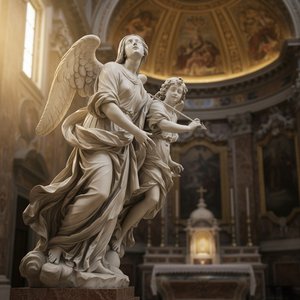
Gian Lorenzo Bernini: Sculpting Baroque Emotion & the Roman Imagination
Explore the life & revolutionary art of Gian Lorenzo Bernini, the master sculptor of the Baroque era. Discover his iconic works like David and Ecstasy of Saint Teresa – a journey into Roman artistic genius.

Teatralność i triumf: Dramat baroku w malarstwie i rzeźbie – od kontrreformacji do ekspresji emocji
Odkryj dramat i przepych sztuki baroku! Analiza malarstwa i rzeźby, wpływ kontrreformacji, kluczowi artyści oraz filozofia vanitas. Ekspercka wiedza dla miłośników historii sztuki.
