
 Podgląd w skali
 Wyślij jako kartkę
 Udostępnij
 Szczegóły dzieła

 Pobierz
 Podobne obiekty
 RTG
RTG Pokaz slajdów
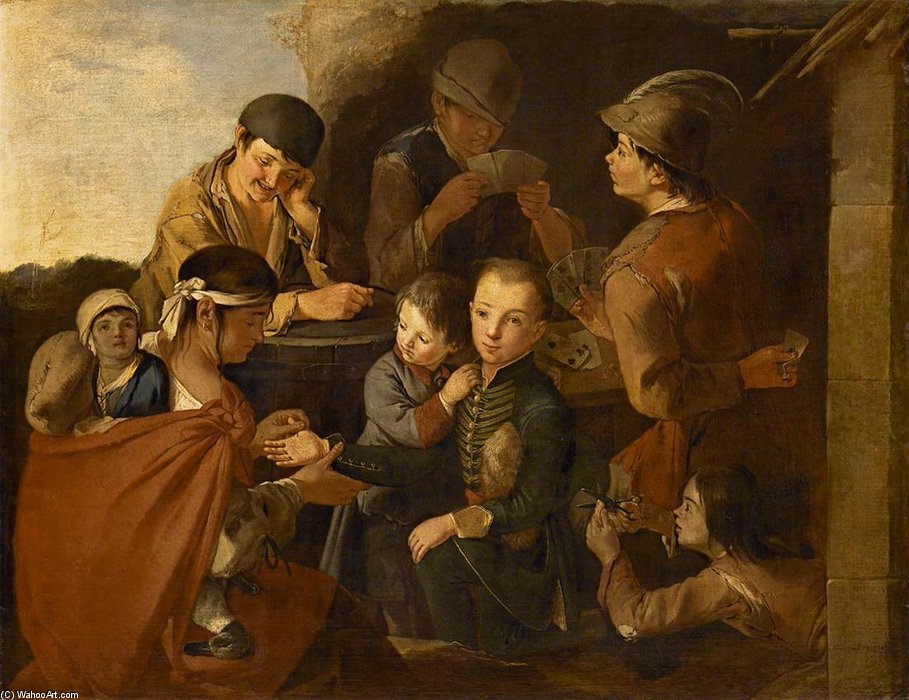
Palmistry

 Rozwiń treść
Kup wysokiej rozdzielczości, ulepszony obraz cyfrowy o znacznie wyższej jakości niż podgląd online.
Każdy plik jest starannie przygotowywany przez naszych specjalistów przy użyciu zaawansowanych narzędzi oraz profesjonalnej, ręcznej retuszy. Dbamy o to, aby każdy obraz cechował się wyjątkową ostrością, precyzyjnym odwzorowaniem kolorów i subtelnymi detalami.
Ostateczny plik dostarczany jest drogą mailową w ciągu 72 godzin, zoptymalizowany do natychmiastowego wykorzystania w profesjonalnych zastosowaniach redakcyjnych i poligraficznych. To ta sama jakość, której ufają czołowe studia projektowe, wydawnictwa oraz galerie sztuki.
Obraz cyfrowy
Pobierz plik o wysokiej rozdzielczości do osobistego wyświetlania, druku oraz projektów kreatywnych. ( Zamów wydruk Zamów ręcznie malowaną reprodukcję)
W każdym zamówieniu na obraz cyfrowy znajduje się
Profesjonalna dostawa cyfrowa z gwarancją
Wybierając OriginalUniqueArt.com, nie otrzymujesz jedynie obrazu – otrzymujesz profesjonalnie udoskonalone cyfrowe dzieło sztuki, stworzone z najwyższą precyzją i objęte gwarancją satysfakcji. Oto wszystko, co automatycznie dołączane jest do Twojego zamówienia:

Błyskawiczna wysyłka e-mailowa
Plik z obrazem cyfrowym w wysokiej rozdzielczości zostanie przesłany na Twój adres e-mail w ciągu 72 godzin od złożenia zamówienia – gotowy do natychmiastowego użycia.

Plik cyfrowy wzbogacony przez AI
Twoja grafika została profesjonalnie zoptymalizowana przy użyciu zaawansowanych narzędzi AI oraz ręcznej edycji, co zapewnia maksymalną szczegółowość, klarowność i wierność kolorów.

Dożywotnia darmowa ponowna dostawa
Przypadkowo usunąłeś lub zgubiłeś swój plik? Bez obaw – prześlemy go Tobie ponownie w dowolnym momencie, bez żadnych opłat.

Bez opłat importowych – zawsze
Ciesz się swoją sztuką natychmiast, bez żadnych opłat celnych, należności ani kosztów dostawy – pliki cyfrowe są zawsze wolne od podatku.

Gwarancja wierności kolorów
Dzięki zastosowaniu profesjonalnych narzędzi i procesów zarządzania barwą zapewniamy, że Twoje cyfrowe zdjęcie odzwierciedla oryginalne kolory tak wiernie, jak to tylko możliwe.

60-dniowa gwarancja satysfakcji
Jeśli nie będziesz zadowolony ze swojego cyfrowego obrazu, dokonamy jego poprawki lub zwrócimy 100% kosztów w ciągu 60 dni – bez żadnych pytań.

100% Gwarancja zwrotu pieniędzy
Nie jesteś zadowolony? Otrzymaj pełny zwrot kosztów w ciągu 60 dni od otrzymania pliku cyfrowego – bez zbędnych pytań.

Rabaty przy zamówieniach hurtowych
Kup 3 obrazy, oszczędź 10% - Kup 5, oszczędź 15% - Kup 10+, oszczędź 20%. Idealne do projektów kreatywnych, galerii i agencji.
Biografia artysty
The Luminous Legacy of Il Todeschini
In the vibrant, shadow-drenched corridors of the late Baroque era, few artists captured the quiet drama of everyday existence as poignantly as Giacomo Francesco Cipper. Known to his contemporaries by the affectionate moniker Il Todeschini, this Austrian-born master became a defining voice in the Milanese art scene. Born in Feldkirch in 1664, Cipper’s journey from the Alpine reaches of Austria to the bustling cultural hubs of Lombardy and Venice is a testament to the migratory spirit of the Baroque period. While his early years remain somewhat veiled by the mists of history, his arrival in Milan around 1696 marked the beginning of a prolific career that would leave an indelible mark on the Italian landscape painting tradition.
Cipper’s artistic identity was forged in the crucible of the Caravaggesque manner. Drawing inspiration from the dramatic legacies of Michelangelo Merisi da Caravaggio, he mastered the art of chiaroscuro—the profound and theatrical interplay between light and deep shadow. This technique allowed him to transcend mere representation, turning simple scenes of rural life into emotionally resonant narratives. His early works are characterized by a meticulous, almost scrupulous observation of detail, where every texture of fabric and every glint of light on a surface was rendered with startling realism. Through this lens, the mundane became monumental, and the humble subjects of his canvases were elevated to a level of profound dignity.
A Transition Toward Atmospheric Brilliance
As his career progressed, Cipper’s style underwent a fascinating evolution, moving away from the rigid precision of his youth toward a more fluid and atmospheric vision. Influenced perhaps by the subtle touch of contemporaries like Giacomo Ceruti, he began to loosen his brushwork, favoring the evocative play of light over the strictness of line. This shift allowed him to capture not just the physical presence of his subjects, but the very air surrounding them. His landscapes became more than mere backdrops; they became living, breathing environments imbued with a sense of mood and ephemeral beauty.
This stylistic maturation is evident in his diverse repertoire of subjects, which ranged from intimate portraits to bustling genre scenes:
- Genre Scenes: Works such as Palmistry and Peasant Repast With A Young Beggar showcase his ability to weave human connection into rustic settings, using light to guide the viewer's eye through complex social interactions.
- Musicality and Introspection: In pieces like Mandolinenspieler, Cipper captures a sense of quiet melancholy, utilizing soft lighting to reflect the internal world of his subjects.
- Portraiture: His ability to capture character is perhaps best seen in works like Head Of A Man In Red, where rich pigments and dramatic shadows create a captivating, lifelike presence.
Historical Significance and Enduring Spirit
The historical importance of Giacomo Francesco Cipper lies in his role as a bridge between the intense realism of the 17th century and the more sensory, light-focused sensibilities of the 18th century. By operating within the territories of Lombardy and the Veneto, he helped sustain and evolve the Caravaggesque tradition long after its initial peak, ensuring that the dramatic power of shadow remained a vital component of Italian art. His ability to blend the ruggedness of rural life with a sophisticated, painterly elegance allowed him to appeal to both the connoisseurs of Milan and the collectors of Venice.
Even as his final known work, a Self-portrait completed in 1736, signaled the end of his earthly journey, his artistic spirit remained vibrant. Cipper’s legacy is found in those luminous canvases that continue to captivate modern audiences—works that do not merely show us how the world looked, but how it felt to stand within its shifting lights and deepening shadows. He remains a master of the subtle brilliance, an artist who found the extraordinary within the ordinary.

giacomo francesco cipper
1664 - 1736 , Austria
Krótka nota
- Artistic Movement Or Style: Caravaggesque
- Artists Or Movements Influenced By This Artist: ['Cerutti']
- Artists Who Influenced This Artist: ['Giovanni Battista Piranesi']
- Date Of Birth: Fieldkirch, Austria (1664)
- Date Of Death: Milan (1736)
- Full Name: Giacomo Francesco Cipper
- Nationality: Austrian
- Notable Artworks:
- L Excision de la pierre de folie
- Mandolinenspieler
- Head Of A Man In Red
- Place Of Birth: Austria

