
 Podgląd w skali
 Wyślij jako kartkę
 Udostępnij
 Szczegóły dzieła

 Pobierz
 Podobne obiekty
 RTG
RTG Pokaz slajdów
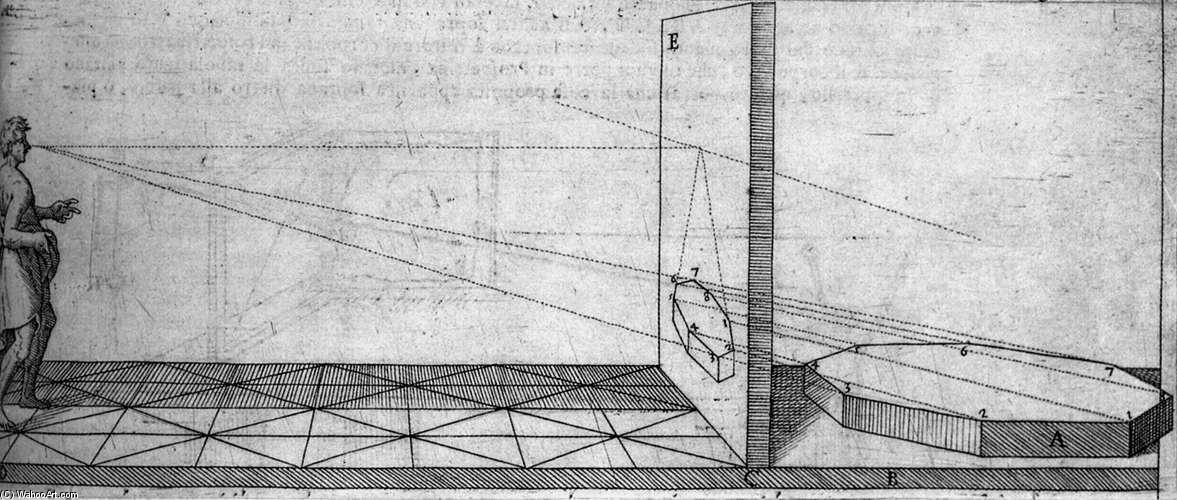
Perspective diagram


 Rozwiń treść
Ręcznie malowana reprodukcja olejowa
Ręcznie malowany obraz olejny na płótnie, wykonany na zamówienie przez naszych artystów w wybranym przez Ciebie wymiarze i oprawie. ( Zamów wydruk Kup obraz wysokiej rozdzielczości)




































Wybierz spośród naszych standardowych rozmiarów, które zachowują oryginalne proporcje dzieła sztuki.

Możesz wprowadzić własne wymiary, aby dopasować obraz do konkretnej ramy lub przestrzeni. Jeśli wybrany rozmiar nie będzie odpowiadał proporcjom oryginału, przytniecie dzieło sztuki lub rozszerzymy je o dodatkowe elementy, ręcznie domalowane przez artystę. Przed rozpoczęciem produkcji wyślemy projekt cyfrowy do Twojej akceptacji.
Należy pamiętać, że podgląd na ekranie nie odzwierciedla rzeczywistego przycinania ani rozszerzania obrazu. Tylko projekt dokładnie pokaże ostateczną kompozycję.
Choć oferujemy możliwość zamówienia niestandardowych rozmiarów, zalecamy wybór wymiaru z gotowej listy, aby zachować oryginalne proporcje dzieła.
Po złożeniu zamówienia zespół OriginalUniqueArt.com skontaktuje się z klientem drogą mailową w celu uzyskania instrukcji i prześle wizualizację projektu
Dostawa na całym świecie () w ciągu 3–4 tygodni zamiast standardowych 5 tygodni. (18 Sierpień). Bez kompromisów w kwestii jakości.

Bezpłatna ekspresowa wysyłka na cały świat

Wysokiej jakości płótno lniane

Pełne ubezpieczenie przesyłki

Gwarancja zwrotu należności celnych i podatków importowych

Gwarancja wiernego odwzorowania kolorów

Polityka 60-dniowego zwrotu (tylko w przypadku wad)

Gwarancja 100% zwrotu kosztów

Zniżka przy zamówieniu wielu produktów
 Opcja ze szkłem jest dostępna wyłącznie w rozmiarach poniżej 110 cm

Perspective diagram
Technika reprodukcji
Wymiary reprodukcji
-


Cena całkowita
$ 300
O artyście
Giacomo Barozzi da Vignola: The Architect of Elegant Restraint
Giacomo Barozzi da Vignola (1507-1573) stands as one of the towering figures of Italian Mannerist architecture, a movement that wrestled with the ideals of classical antiquity while simultaneously rejecting its rigid formalism. Born in Vignola, near Modena, he began his artistic journey as a painter, honing skills in perspective and decorative embellishment – techniques crucial to his later architectural endeavors. This early training instilled within him a profound understanding of visual harmony and informed his approach to designing spaces that captivated the eye and communicated grandeur with understated grace. His formative years coincided with the burgeoning Renaissance spirit in Bologna, where he absorbed influences from humanist thinkers and artists alike, shaping his worldview before embarking on his illustrious career.- Early Career & Artistic Foundations: Vignola’s initial commissions focused on intricate inlay work for ecclesiastical patrons, demonstrating a meticulous attention to detail and mastering the art of illusionistic decoration. This dedication to craftsmanship foreshadowed his later architectural style—characterized by refined surfaces and subtle interplay of light and shadow.
- Rome – A Crucible of Innovation: Vignola’s relocation to Rome in 1536 marked a pivotal moment, placing him at the epicenter of artistic experimentation. He swiftly established himself as a draftsman for papal commissions, meticulously documenting Roman temples—a project driven by an ardent desire to revive classical ideals and disseminate knowledge through visual representation. Notably, he befriended Sebastiano Serlio and Michelangelos influence would become palpable in his subsequent designs.
Villa Farnese: A Triumph of Oval Geometry & Classical Ornamentation
Perhaps Vignola’s most enduring legacy resides in the Villa Farnese at Caprarola—a breathtaking testament to Mannerist architectural vision. Commissioned by Cardinal Alessandro Farnese, this villa embodies Vignola's masterful manipulation of geometric forms and his unwavering commitment to classical principles. The central courtyard is dominated by an elliptical pool reflecting the sky above, a daring departure from traditional rectangular layouts that signaled a rejection of rigid symmetry. Elaborate balustrades adorned with sculptures frame the courtyard, creating a sense of serene grandeur—a deliberate echo of Roman villas as envisioned by Vitruvius. Furthermore, Vignola’s innovative use of Corinthian columns and decorative motifs elevated the villa to unparalleled heights of artistic sophistication. The villa stands as an exemplar of Mannerist elegance and continues to inspire architects today.- The Courtyard Design: Vignola's elliptical courtyard is a masterful demonstration of spatial illusion, creating a harmonious balance between natural light and architectural ornamentation.
- Column Order & Sculpture Program: The villa’s Corinthian columns are meticulously crafted and adorned with sculptures that convey classical ideals of beauty and proportion.
Il Gesù: A Dome That Defied Convention
Alongside Villa Farnese, Vignola's Church of Il Gesù in Rome cemented his reputation as an architect who dared to challenge established norms. Constructed between 1568 and 1573—a project begun shortly before his death—the church represents a triumph of engineering ingenuity and artistic ambition. Its groundbreaking oval floor plan—inspired by Sant’Andrea del Vignola—was a bold assertion of humanist ideals, rejecting the cruciform basilica format that had dominated religious architecture for centuries. More remarkably, Vignola designed a dome that defied conventional architectural practice; it was constructed without scaffolding, utilizing a revolutionary technique that relied on temporary supports and ingenious calculations. This daring feat underscored Vignola’s conviction that architectural innovation could elevate spiritual experience—a belief reflected in the church's luminous interior and its soaring proportions.- Innovative Dome Construction: Vignola’s dome was constructed without scaffolding, utilizing a groundbreaking technique that showcased his mastery of structural engineering.
- Light & Space: The church’s interior is bathed in natural light, creating an atmosphere of serenity and contemplation—a testament to Vignola's understanding of how architectural design could enhance spiritual devotion.
Legacy & Influence
Giacomo Barozzi da Vignola’s influence extended far beyond his own lifetime. His treatises on architecture, particularly *The Five Orders of Architecture*, became foundational texts for subsequent generations of architects—establishing a canon of classical proportions and inspiring stylistic developments throughout Europe. He championed the oval plan as an alternative to traditional basilica designs, paving the way for Baroque innovation. Vignola’s unwavering commitment to humanist ideals—expressed in his architectural creations—solidified his place among the foremost figures of the Renaissance and Mannerist movements—leaving an indelible mark on the history of Western art and architecture. His work continues to be studied and admired as a beacon of elegance, restraint, and intellectual rigor.
Giacomo Barozzi da Vignola
1507 - 1573 , Italy
Krótka nota
- Artistic Movement Or Style: Mannerism
- Artists Or Movements Influenced By This Artist: Baroque
- Artists Who Influenced This Artist: Michelangelo
- Date Of Birth: October 1, 1507
- Full Name: Giacomo Barozzi da Vignola
- Nationality: Italian
- Notable Artworks:
- Villa Farnese
- Il Gesù church
- Place Of Birth: Vignola, Italy

