

 Zobacz w skali 1:1
 Wyślij
 Udostępnij
 Szczegóły
 Przewodnik

 Pobierz plik obrazu
 Podobne obiekty
 RTG
RTG Pokaz slajdów
 Statystyki
Reading the Bible
 Acrylic On Canvas
- WallArt
- Dutch Golden Age Painting
 1645
1645 60.0 x 46.0 cm
 Luwr
Luwr
 Czytaj więcej
Giclée / Wydruk artystyczny
Wydruki giclée lub płótna o jakości muzealnej, szybka realizacja i szeroki wybór opcji wykończenia. ( Kup ręcznie malowany obraz Przełącz na wersję cyfrową)




P118B zł10

P118H zł10

P118W zł10

P438Z zł10

P508JH zł12

P508YH zł12

P805H zł10

P805Z zł10

P919BZ zł10

P919G zł10

P919XJ zł10

P959ZH zł10

P968JZ zł12

W106C zł8

W218G zł10

W218JH zł8

W218Y zł10

W307PJ zł10

W316G zł10

W316PJ zł8

W316Y zł10

W398PJ zł8

W4111J zł10

W500HY zł15

W500JH zł15

W692G zł12

W849H zł8

W940BG zł15

W953PJ zł8




Wybierz spośród naszych standardowych rozmiarów, które zachowują oryginalne proporcje dzieła sztuki.

Type the width and the height you need, to fit your frame or your wall. A print can only be cut, never made bigger than the picture, so a size with a different shape loses a part of the image. We send you a digital mockup to approve before we print anything. The picture shown on this page does not show the real cut — only the mockup does.
Dostawa na cały świat () w ciągu 2 tygodni zamiast standardowych 4/5 tygodni. (14 Październik)

Bezpłatna ekspresowa wysyłka na cały świat

Wysokiej jakości płótno lniane

Pełne ubezpieczenie transportowe

Gwarancja zwrotu należności celnych i podatków importowych

Gwarancja idealnego odwzorowania barw

100-dniowy okres na zwrot dzieła w przypadku wykrycia wad produkcyjnych

Gwarancja 100% zwrotu pieniędzy

Oferta przy zakupie wielu sztuk
 Opcja ze szkłem jest dostępna wyłącznie w rozmiarach poniżej 110 cm

Reading the Bible
Giclée / Wydruk artystyczny
Rozmiar reprodukcji
-


Suma do zapłaty
zł 301
A Moment of Quiet Contemplation: Unveiling Gerrit Dou’s “Reading the Bible”
Gerrit Dou's "Reading the Bible," painted in 1645, isn’t merely a portrait; it’s a carefully constructed tableau of domestic piety and profound introspection. The scene unfolds within a modestly furnished room – a chair, a potted plant, two vases, and a simple bowl offering a glimpse into the everyday life of a Dutch family. Yet, it's the central figures, a man absorbed in scripture and a woman seated beside him, that immediately draw the eye, radiating an aura of serene engagement. Dou’s masterful manipulation of light and shadow, characteristic of his “fijnschilder” style, elevates this intimate moment to something far more resonant – a meditation on faith, family, and the quiet power of shared devotion.
Dou's technique is remarkably detailed, almost obsessively so. He employs a meticulous layering of glazes, building up color gradually to achieve an astonishing level of realism and luminosity. Notice how the light streams through the window, illuminating the man’s face and hands as he pores over the Bible, while casting subtle shadows across the woman's features. This chiaroscuro effect isn’t simply decorative; it serves to emphasize the drama within the scene – the intensity of his concentration juxtaposed with her quiet attentiveness. The textures are equally convincing: the rough weave of the chair upholstery, the delicate leaves of the plant, and the sheen on the woman's dress all contribute to a palpable sense of presence.
The Leiden Fijnschilder and the Pursuit of Perfection
Gerrit Dou was a pivotal figure in the Dutch Golden Age, belonging to the esteemed group known as the “Leiden fijnschilders.” This collective of artists distinguished themselves through their commitment to painstaking detail, refined technique, and an almost photographic realism. Unlike many of their contemporaries who favored grand historical or mythological subjects, the fijnschilders focused on intimate genre scenes – everyday moments of domestic life, portraits of ordinary people, and still lifes brimming with subtle nuances. Dou’s work embodies this ethos perfectly; he sought not to simply depict reality but to capture its essence with unparalleled precision and emotional depth.
Born in Leiden in 1613, Dou's artistic journey was shaped by his apprenticeship under Rembrandt van Rijn. While absorbing the master’s innovative use of light and shadow, Dou quickly developed a distinct style – one characterized by an extraordinary level of polish and a meticulous attention to detail that bordered on obsessive. He famously employed a unique method for achieving this precision: using a concave lens and convex mirror to create a magnified image of his subject, allowing him to render every minute detail with astonishing accuracy.
Symbolism and the Values of Early Modern Dutch Society
Beyond its technical brilliance, “Reading the Bible” is rich in symbolic meaning. The act of reading scripture represents a cornerstone of early modern Dutch society – a time when religious observance was deeply ingrained in daily life. The couple’s quiet contemplation suggests a shared commitment to faith and family values. The woman's presence isn’t merely decorative; she embodies domesticity, piety, and the nurturing role within the household. The room itself, though modest, speaks volumes about their status – a comfortable space dedicated to intellectual and spiritual pursuits.
Furthermore, the inclusion of objects like the potted plant and the vases hints at the importance of nature and beauty in Dutch culture. These elements contribute to a sense of harmony and balance within the scene, reflecting the ideals of the Golden Age. The painting, therefore, offers a window into the values and beliefs that shaped 17th-century Holland – a society deeply committed to faith, family, and the pursuit of excellence.
Bringing “Reading the Bible” Home: A Reproduction for Today
OriginalUniqueArt is proud to offer high-quality reproductions of Gerrit Dou’s "Reading the Bible," capturing the artist's remarkable skill and evocative atmosphere. Whether you are an art collector, interior designer, or simply someone seeking a piece that embodies quiet contemplation and timeless beauty, this reproduction provides a stunning tribute to one of the Dutch Golden Age’s most accomplished painters. Available in various sizes and on premium archival paper, it is a perfect addition to any home or office – a reminder of the enduring power of faith, family, and artistic mastery.
Pytania i odpowiedzi
Czy mogę użyć rozszerzonej rzeczywistości, aby zobaczyć „Reading the Bible” autorstwa Gerrit Dou w swoim pokoju?
Dzieło „Reading the Bible” posiada podgląd w rozszerzonej rzeczywistości: strona Podgląd AR dzieła pozwala zobaczyć je w Twojej własnej przestrzeni na kompatybilnym urządzeniu.
Kto stworzył "Reading the Bible" i w jakim stylu jest to dzieło?
Twórcą dzieła "Reading the Bible" jest Gerrit Dou, reprezentujący nurt Dutch Golden Age Painting.
Jakie emocje przekazuje dzieło "Reading the Bible" należące do nurtu Dutch Golden Age Painting?
W ramach nurtu Dutch Golden Age Painting, dzieło „Reading the Bible” zostało utrwalone w Reflective tonie.
Biografia artysty
Gerrit Dou (1613 - 1675)
Gerrit Dou was one of the most celebrated painters of the Dutch Golden Age, whose meticulous *fijnschilder* style—characterized by minute detail and polished realism—established him as a cornerstone of Leiden’s artistic tradition. Born in Leiden on April 7, 1613, the son of Marytje Jansdr van Rosenburg and the glazier Douwe Jansz de Vries van Arentsvelt, his early life was marked by exposure to the craft of stained glass, an occupation passed down through his father’s lineage. This formative experience would profoundly shape his artistic sensibilities.Early Training and Rembrandt's Influence
Gerrit Dou received his initial instruction in drawing under Bartholomeus Dolendo, a respected Leiden artist who instilled in him a foundational understanding of artistic principles. However, it was his apprenticeship with Rembrandt van Rijn—a pivotal moment that cemented his artistic trajectory—that truly propelled him toward mastery. From 1628 to 1631, Dou honed his skills alongside Rembrandt’s protégé Isaac de Jouderville, absorbing the master's innovative techniques and stylistic vision. Rembrandt’s influence is palpable in several of Dou’s early works, notably a self-portrait executed at the age of twenty-two around 1635–1638—a piece that exemplifies Rembrandt’s masterful use of chiaroscuro and psychological depth.The Leiden Fijnschilders and Distinctive Style
Dou quickly distinguished himself from Rembrandt's peers, cultivating a singular artistic style that would become synonymous with the Leiden *fijnschilders*. Unlike Rembrandt’s broader stylistic explorations, Dou focused on achieving unparalleled precision and subtlety—a pursuit reflected in his painstaking rendering of textures and surfaces. He famously spent five days perfecting a single hand, demonstrating an unwavering commitment to meticulous craftsmanship. This dedication extended beyond mere technical skill; Dou possessed an innate ability to capture the essence of human emotion within seemingly simple compositions.Notable Works and Patronage
Gerrit Dou’s oeuvre comprises over two hundred paintings—primarily genre scenes depicting everyday life—many of which are renowned for their dramatic lighting effects and illusionistic techniques. Among his most celebrated works is *The Astronomer by Candlelight*, a masterpiece that showcases Dou's unparalleled command of chiaroscuro, creating an atmosphere of contemplative solemnity. Furthermore, Dou’s paintings graced the collections of prominent patrons, including Pieter Spiering—the Swedish ambassador to the Dutch Republic—who recognized Dou’s exceptional talent and commissioned several portraits reflecting his refined taste. His legacy continues to inspire artists today, securing his place as one of the most influential figures in Dutch Baroque painting.Legacy and Influence
Gerrit Dou's artistic innovations profoundly impacted subsequent generations of painters, notably Frans van Mieris the Elder and Gabriel Metsu—who regarded Dou as their mentor and exemplar. His meticulous style served as a model for aspiring artists seeking to emulate Rembrandt’s brilliance while forging their own distinctive voices. Dou’s work was exhibited extensively throughout Europe during his lifetime, establishing him as a celebrated artist within the intellectual circles of his era. Today, Gerrit Dou's paintings reside in museums across the continent—a testament to his enduring artistic significance and the lasting impact of his groundbreaking contributions to Dutch art history.
Gerrit Dou
1613 - 1675 , Holandia
Najważniejsze informacje
- Artistic Movement Or Style: Fijnschilder (Fine Painting)
- Artists Or Movements Influenced By This Artist: ['Holenderska szkoła fijnschilder']
- Artists Who Influenced This Artist: ['Rembrandt van Rijn']
- Date Of Birth: 7 kwietnia 1613
- Date Of Death: 9 lutego 1675
- Full Name: Gerrit Dou
- Nationality: Holender
- Notable Artworks:
- Astronomer przez świecę
- Portret kobiety
- Place Of Birth: Lejdź, Holandia
Zobacz także powiązane artykuły

Złoty Wiek Niderlandów: Światło, Realizm i Kulturowe Innowacje w Malarstwie Barokowym
Odkryj fascynujący świat malarstwa holenderskiego Złotego Wieku! Poznaj arcydzieła Rembrandta, Vermeera i innych mistrzów. Analiza technik, gatunków i wpływu na sztukę europejską.
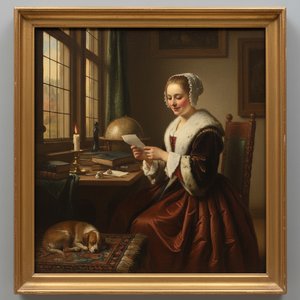
Gerrit Dou: Intimacy & Light in the Dutch Golden Age
Explore the exquisite world of Gerrit Dou, a master of Dutch Golden Age painting. Discover his intimate genre scenes, signature use of light, and lasting legacy. Learn about collecting Dou's works & their value.

Złoty Wiek Holandii: 10 arcydzieł, które zmieniły historię sztuki | OriginalUniqueArt.com
Odkryj 10 arcydzieł Złotego Wieku Holandii! Poznaj historię Rembrandta, Vermeera i innych mistrzów. Reprodukcje obrazów najwyższej jakości do Twojego wnętrza – OriginalUniqueArt.com.
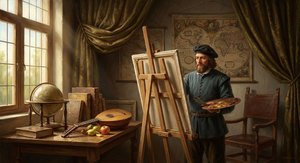
Iluminacja Realizmu: Holenderski Złoty Wiek Malarstwa – Studium Światła i Cienia (1600-1700)
Odkryj fascynujący świat holenderskiego Złotego Wieku malarstwa (1600-1700). Analiza dzieł Rembrandta, Vermeera i techniki chiaroscuro. Ekspercka wiedza o Rijksmuseum i gatunkach artystycznych.

Golden Light & Dutch Skies: The Timeless Magic of Dutch Golden Age Landscapes
Discover the breathtaking beauty of Dutch Golden Age landscapes. Explore the mastery of light, chiaroscuro, and 17th-century realism through an expert art history lens, celebrating the enduring legacy of the Dutch Masters for discerning collectors and art lovers.


