
 Wyślij jako kartkę
 Udostępnij
 Szczegóły dzieła
 Przewodnik

 Pobierz obraz
 Podobne obiekty
 Pokaz slajdów
 Q&A
Q&A Statystyki
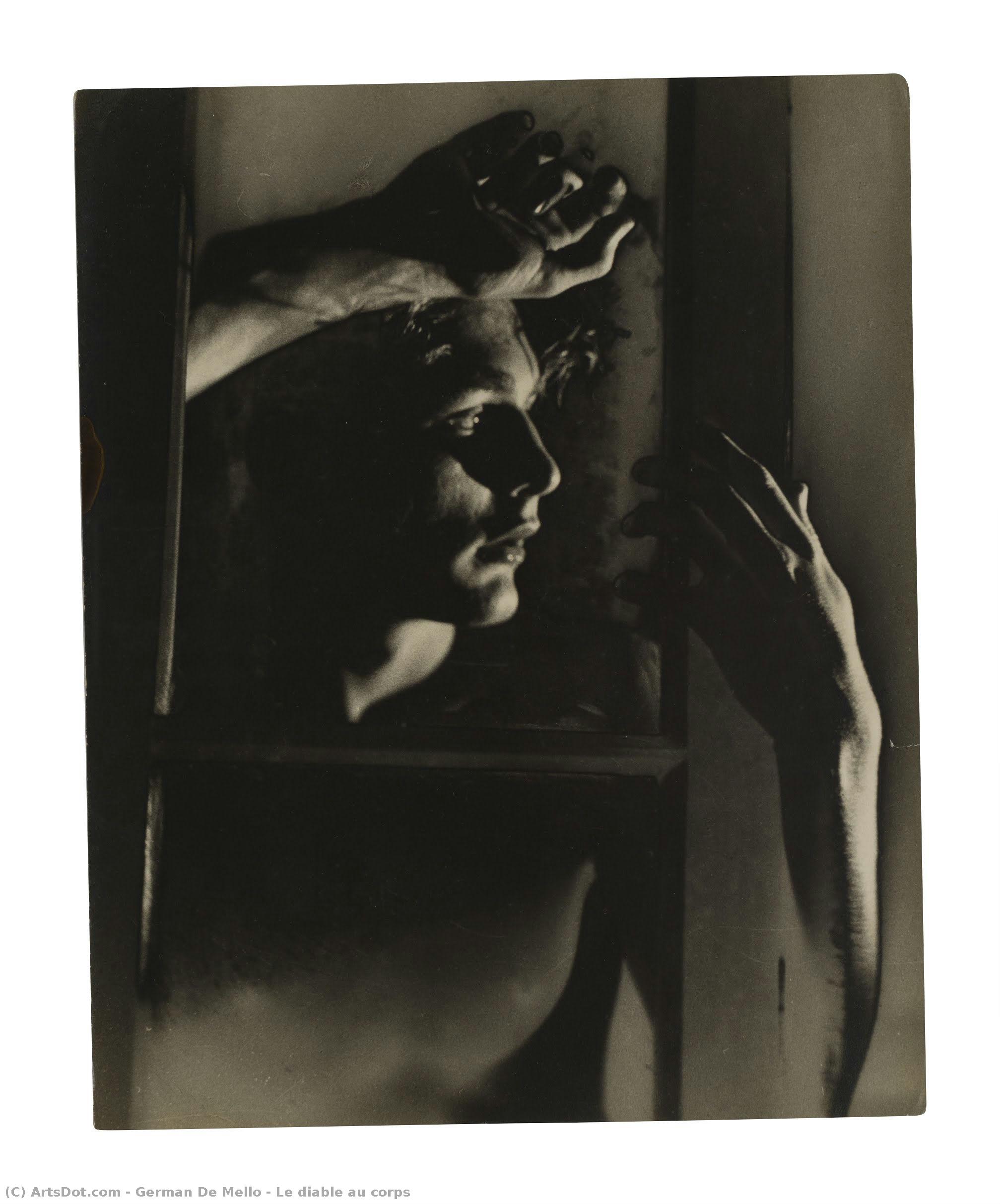
Le diable au corps
 Black and White Photography
- Photo
- German Expressionism
 1949
1949- Modern
 Muzeum Sztuki w São Paulo Assis Chateaubriand (MASP)
 Rozwiń treść
Otrzymaj plik gotowy do druku, którego jakość znacznie przewyższa podgląd internetowy. Każdy sprzedawany przez nas obraz cyfrowy pochodzi z wysokorozdzielczego pliku wzorcowego w naszej bazie — zazwyczaj o szerokości od 5 000 do 15 000 pikseli — dzięki czemu możesz drukować w dużym formacie, mocno kadrować lub z pełnym przekonaniem odwzorowywać najdrobniejsze detale.
Żaden plik nie opuszcza naszego studia bez odpowiedniej obróbki. Ekspert ds. cyfrowej edycji sprawdza zgodność kolorów z oryginałem i w razie potrzeby je koryguje, a następnie za pomocą profesjonalnych narzędzi do retuszu poprawia ostrość oraz szczegółowość — zawsze zachowując wierność pociągnięciom pędzla i stylowi artysty. Rezultatem jest obraz, który wygląda jak prawdziwe dzieło, a nie jak przefiltrowany skan.
Zatwierdzasz przed finalizacją zamówienia: nasz ekspert prześle obraz drogą mailową w ciągu 72 godzin do Twojego wglądu. Nie jesteś zadowolony? Poproś o poprawki lub korektę, bądź o zwrot kosztów, jeśli jakość nie spełnia oczekiwań.
To jakość, na której polegają wydawcy, studia projektowe, galerie oraz drukarnie.
Obraz cyfrowy
Pobierz plik o wysokiej rozdzielczości do osobistego użytku, druku oraz projektów kreatywnych. ( Przełącz na wydania drukowane Zamów ręcznie malowaną reprodukcję)
W każdym zamówieniu na obraz cyfrowy znajduje się
Profesjonalna dostawa cyfrowa z gwarancją
Wybierając OriginalUniqueArt.com, nie otrzymujesz jedynie obrazu – otrzymujesz profesjonalnie udoskonalone cyfrowe dzieło sztuki, stworzone z najwyższą precyzją i objęte gwarancją satysfakcji. Oto wszystko, co automatycznie dołączane jest do Twojego zamówienia:

Błyskawiczna wysyłka e-mailowa
Plik z obrazem cyfrowym w wysokiej rozdzielczości zostanie przesłany na Twój adres e-mail w ciągu 72 godzin od złożenia zamówienia – gotowy do natychmiastowego użycia.

Plik cyfrowy wzbogacony przez AI
Twoja grafika została profesjonalnie zoptymalizowana przy użyciu zaawansowanych narzędzi AI oraz ręcznej edycji, co zapewnia maksymalną szczegółowość, klarowność i wierność kolorów.

Darmowe ponowne przesyłki dożywotnio
Przypadkowo usunąłeś lub zgubiłeś swój plik? Bez obaw – prześlemy go Tobie ponownie w dowolnym momencie, bez żadnych opłat.

Bez opłat importowych – zawsze
Ciesz się swoją sztuką natychmiast, bez żadnych opłat celnych, należności ani kosztów dostawy – pliki cyfrowe są zawsze wolne od podatku.

Gwarancja wierności kolorów
Dzięki zastosowaniu profesjonalnych narzędzi i procesów zarządzania barwą zapewniamy, że Twoje cyfrowe zdjęcie odzwierciedla oryginalne kolory tak wiernie, jak to tylko możliwe.

Gwarancja satysfakcji przez 100 dni
Jeśli nie będziesz zadowolony ze swojego cyfrowego obrazu, dokonamy jego poprawki lub zwrócimy 100% kosztów w ciągu 100 dni – bez zbędnych pytań.

100% Gwarancja zwrotu pieniędzy
Nie jesteś zadowolony? Otrzymaj pełny zwrot kosztów w ciągu 100 dni od otrzymania pliku cyfrowego – bez zbędnych pytań.

Rabaty przy zamówieniach hurtowych
Kup 3 obrazy, oszczędź 10% - Kup 5, oszczędź 15% - Kup 10+, oszczędź 20%. Idealne do projektów kreatywnych, galerii i agencji.
The Raw Intimacy of Shadow and Light
In the evocative monochrome world of German De Mello, certain moments transcend mere documentation to become profound psychological portraits. Le diable au corps, captured in 1949, stands as a haunting testament to this mastery. The photograph presents a man caught in a private moment of intense vulnerability, his hands raised toward his face in a gesture that oscillates between deep distress and a desperate search for solace. Through the stark, high-contrast lens of mid-century black and white photography, De Mello strips away the distractions of color, forcing the viewer to confront the raw, unadorned texture of human emotion. The way the light clings to the contours of his fingers and the tension in his closed eyes creates a sculptural quality, turning a fleeting expression into an enduring monument of existential struggle.
The technical brilliance of this piece lies in its ability to utilize the absence of light as much as the presence of it. De Mello, a pivotal figure in the Brazilian photography movement and a member of the prestigious Foto Cinema Clube Bandeirante, possessed an uncanny ability to manipulate shadows to direct the viewer's emotional journey. In this work, the deep blacks serve not just as a background, but as a heavy, atmospheric weight that presses upon the subject, mirroring the internal pressure of his visible discomfort. The grain of the film adds a tactile, organic layer to the composition, lending an air of authenticity and timelessness that makes the man's silent cry feel both immediate and ancient.
A Window into the Human Condition
Beyond its technical execution, Le diable au corps functions as a powerful symbol of the universal human experience. The title itself—suggesting a "devil in the flesh"—invites us to contemplate the internal conflicts, passions, and demons that reside within every individual. There is a profound sense of solitude in this image; though we gaze upon him, we are witnesses to a struggle that is deeply solitary. For the collector or the art enthusiast, this piece offers more than just visual beauty; it provides a meditative focal point that encourages introspection. It captures that precise, agonizing second where the weight of the world becomes too much to bear, yet remains frozen in a state of dignified, artistic grace.
For interior designers and curators of fine spaces, this photograph offers a sophisticated way to introduce depth and narrative into a room. Its monochromatic palette allows it to integrate seamlessly into modern, minimalist, or classic gallery-style decors, acting as a soulful anchor in an environment. A high-quality reproduction of this work brings with it a sense of historical gravity and intellectual prestige. It is a piece designed for those who appreciate art that does not merely decorate a wall but speaks to the soul, inviting conversation and providing a window into the complex, beautiful, and often turbulent landscape of human emotion.
Pytania i odpowiedzi
Pod jakimi innymi nazwiskami znany jest German De Mello?
German De Mello występuje również pod innymi nazwiskami: German Lorca.
Na którym etapie kariery German De Mello znajduje się dzieło „Le diable au corps”, biorąc pod uwagę jego datę powstania?
Biorąc pod uwagę datę powstania (1949), dzieło „Le diable au corps” wpisuje się w Mature Expressionism twórczości German De Mello.
Jakie umiejscowienie najlepiej pasuje do formatu dzieła „Le diable au corps” – German De Mello?
Dzięki formatowi Portrait, reprodukcja dzieła „Le diable au corps” idealnie sprawdzi się w Living Room.
Biografia artysty
Early Life and Influences
- Born: São Paulo, Brazil (1922)
- Died: 2021
- Initially studied accounting at Liceu Acadêmico de São Paulo.
- Started his own accounting business in 1952 before dedicating himself to photography.
- Joined Foto Cinema Clube Bandeirante in 1959, a pivotal group for Brazilian photographers like Thomaz Farkas and Chico Albuquerque.
- Served as the official photographer for the celebration of the 400th anniversary of São Paulo in 1954.
Artistic Development and Key Works
- Known primarily for his striking black and white photographs.
- His work showcases a unique approach to visual composition and attention to detail.
- Notable works include:
- Le Diable au Corps (1949): A significant early photograph demonstrating his artistic vision.
- Curvas Concêntricas (1955): Highlights his compositional skills.
- Apartments or: Captures the essence of urban living.
- Still Life: Demonstrates meticulous attention to detail.
- His photography often explored themes of urban life and still life subjects.
Style and Techniques
- Distinctive Style: German de Mello’s style is characterized by its stark simplicity, masterful use of light and shadow, and a keen eye for geometric forms.
- Technical Proficiency: He was highly skilled in traditional photographic techniques, particularly black-and-white printing.
- Compositional Approach: His compositions often feature carefully arranged elements that create a sense of balance and harmony.
- Influences: The Foto Cine Clube Bandeirante played a crucial role in shaping his artistic development, exposing him to modernist photographic trends.
Recognition and Legacy
- His photographs are housed in prestigious museums including the Museu de Arte de São Paulo Assis Chateaubriand (MASP).
- Recognized as a key figure of the "Escola Paulista de Fotografia" (São Paulo School of Photography).
- Continued to be celebrated for his contributions to Brazilian photography well into his later years.
- His work has been exhibited internationally, solidifying his place in art history.
- Died in 2021 leaving behind a legacy of captivating photographs that continue to inspire artists and photographers.
Historical Significance
- Pioneer of Brazilian Photography: De Mello was instrumental in the development of modern photography in Brazil, contributing significantly to its artistic recognition.
- Documenting Urban Life: His photographs offer a valuable visual record of São Paulo and its evolving urban landscape during the mid-20th century.
- Influence on Subsequent Generations: His unique style and approach have influenced countless photographers in Brazil and beyond.
- Preservation of Cultural Heritage: Through his work, he helped preserve a vital part of Brazilian cultural heritage for future generations.

German De Mello
1922 - 2021 , Brazil
Krótka nota
- Artistic Movement Or Style: Photography
- Artists Who Influenced This Artist:
- Thomaz Farkas
- Chico Albuquerque
- Date Of Birth: 1922
- Date Of Death: 2021
- Full Name: German de Mello
- Nationality: Brazilian
- Notable Artworks:
- Le Diable Au Corps
- Curvas Concêntricas
- Apartments or
- Still Life
- Place Of Birth: São Paulo, Brazil