

 Zobacz w skali 1:1
 Wyślij
 Udostępnij
 Szczegóły
 Przewodnik

 Pobierz plik obrazu
 Podobne obiekty
 RTG
RTG Pokaz slajdów
 Statystyki
Meadowland


 Czytaj więcej
Dzieło sztuki prezentowane na tej stronie podlega ochronie prawem autorskim, co oznacza, że nie mamy prawa do tworzenia ani sprzedaży jego identycznej reprodukcji. Ochrona ta jest egzekwowana na mocy umów międzynarodowych, takich jak Konwencja berneńska oraz przez przepisy prawa krajowego, w tym te określone w Prawo autorskie USA – Tytuł 17.
Jako pełną szacunku i legalną alternatywę oferujemy personalizowane, malowane ręcznie dzieła sztuki inspirowane oryginałem. Nasi wykwalifikowani i profesjonalni artyści starannie analizują styl, nastrój oraz artystyczną esencję pierwowzoru, aby stworzyć nowe, unikalne dzieło, które przywołuje te same emocje – pozostając jednocześnie w pełni oryginalną kreacją.
Metoda ta jest w pełni zgodna z przepisami prawa autorskiego, ponieważ nie polega na kopiowaniu ani powielaniu chronionego dzieła. Stanowi ona kreatywną reinterpretację – nowy obraz, który czerpie inspirację z oryginału, ale nie jest z nim tożsamy.
Ręcznie malowana reprodukcja olejowa
Ręcznie malowany obraz olejny na płótnie, wykonany na zamówienie przez naszych artystów w wybranym przez Ciebie wymiarze i oprawie. ( Przełącz na wersję drukowaną Przełącz na wersję cyfrową)




P118B zł10

P118H zł10

P118W zł10

P438Z zł10

P508JH zł12

P508YH zł12

P805H zł10

P805Z zł10

P919BZ zł10

P919G zł10

P919XJ zł10

P959ZH zł10

P968JZ zł12

W106C zł8

W218G zł10

W218JH zł8

W218Y zł10

W307PJ zł10

W316G zł10

W316PJ zł8

W316Y zł10

W398PJ zł8

W4111J zł10

W500HY zł15

W500JH zł15

W692G zł12

W849H zł8

W940BG zł15

W953PJ zł8




Wybierz spośród naszych standardowych rozmiarów, które zachowują oryginalne proporcje dzieła sztuki.

Wpisz wymaganą szerokość i wysokość, aby obraz pasował do Twojej ramy lub ściany. Ponieważ jest to dzieło malowane ręcznie, w przypadku rozmiaru o innym proporcji artysta może domalować nieco więcej wokół obrazu lub przyciąć fragmenty — wybór należy do Ciebie. Przed rozpoczęciem pracy prześlemy Ci cyfrową wizualizację do zatwierdzenia. Obraz widoczny na tej stronie nie przedstawia rzeczywistego efektu — jedynie wizualizacja oddaje realny rezultat.
Po złożeniu zamówienia zespół OriginalUniqueArt.com skontaktuje się z klientem drogą mailową w celu uzyskania instrukcji i prześle wizualizację projektu
Dostawa na całym świecie () w ciągu 3–4 tygodni zamiast standardowych 5 tygodni. (21 Październik). Bez kompromisów w kwestii jakości.

Bezpłatna ekspresowa wysyłka na cały świat

Wysokiej jakości płótno lniane

Pełne ubezpieczenie transportowe

Gwarancja zwrotu należności celnych i podatków importowych

Gwarancja idealnego odwzorowania barw

100-dniowy okres na zwrot dzieła w przypadku wykrycia wad produkcyjnych

Gwarancja 100% zwrotu pieniędzy

Oferta przy zakupie wielu sztuk
 Opcja ze szkłem jest dostępna wyłącznie w rozmiarach poniżej 110 cm

Meadowland
Technika wykonania
Rozmiar reprodukcji
-


Suma do zapłaty
zł 1137
A Glimpse into Tranquility: Exploring Gerhard Richter’s *Meadowland*
Gerhard Richter's 1985 painting, *Meadowland*, is more than just a landscape; it’s an evocation of memory, a study in perception, and a testament to the artist’s unique approach to representation. The scene unfolds with a gentle serenity – a grassy field stretches before us, dotted with trees that recede into the distance, hinting at a rural idyll. Subtle suggestions of houses nestled amongst the foliage add a human element without disrupting the overall sense of peaceful isolation. What immediately strikes the viewer is not simply *what* is depicted, but *how*. Richter doesn’t present a crisp, photographic reality; instead, he employs a blurring technique that softens edges and imbues the scene with an ethereal quality. This isn't a precise rendering of a specific place, but rather a distillation of the feeling of being within a meadow, bathed in soft light.
The Master of Ambiguity: Richter’s Artistic Journey
Born in Dresden, Germany, in 1932, Gerhard Richter has become one of the most significant and influential artists of our time. His life story is deeply intertwined with the tumultuous history of post-war Germany, a context that profoundly shaped his artistic vision. Initially trained as a sign painter and stage designer, Richter’s early work reflected the prevailing abstract styles of the mid-20th century. However, he quickly began to forge his own path, experimenting with diverse techniques and challenging conventional notions of painting. His move from East to West Germany in 1961 proved pivotal, allowing him greater artistic freedom and exposure to new ideas. Richter’s oeuvre is remarkably varied, encompassing abstract compositions, photorealistic paintings, color charts, and glass constructions. This constant exploration and refusal to be pigeonholed are hallmarks of his practice.
Blurring the Lines: Technique and Interpretation
The technique employed in *Meadowland* is central to its impact. Richter famously utilizes a squeegee to drag paint across the canvas, creating layers of color and texture that obscure detail. This process isn’t about concealing information; it's about questioning the very nature of representation. By blurring the image, he forces us to actively participate in constructing meaning. The painting appears simultaneously familiar and distant, inviting contemplation on themes of memory, perception, and the subjective experience of reality. Is this a remembered landscape, filtered through the haze of time? Or is it an attempt to capture the fleeting quality of light and atmosphere? The ambiguity is deliberate, prompting viewers to project their own emotions and interpretations onto the canvas. The painting’s size – 35 5/8 x 37 1/2 inches (90.5 x 94.9 cm) – further enhances this intimacy, drawing the viewer into a contemplative space.
A Legacy of Influence
*Meadowland*, created during Richter’s “New European Painting” period, exemplifies his ability to synthesize diverse influences while remaining utterly unique. The painting's quiet beauty and intellectual depth have resonated with audiences worldwide, solidifying Richter’s position as a leading figure in contemporary art. His work continues to inspire artists and challenge viewers to reconsider their assumptions about the role of painting in the 21st century. Owning a reproduction of *Meadowland* is not merely acquiring an image; it's inviting a moment of tranquility, a space for reflection, and a connection to one of art history’s most innovative minds into your home.
Pytania i odpowiedzi
Jak mogę odkryć dzieła zbliżone do „Meadowland” autorstwa Gerhard Richter?
Dzieła podobne do „Meadowland” znajdują się na stronie Podobne dzieła danego dzieła.
Czy mogę zamówić olejną reprodukcję "Meadowland"?
Ręcznie malowaną reprodukcję dzieła „Meadowland” autorstwa Gerhard Richter można zamówić bezpośrednio na stronie Ręcznie malowana reprodukcja: ręcznie malowana reprodukcja olejowa na płótnie lnianym, tworzoną na specjalne zamówienie.
Kto jest autorem i z jakiego roku pochodzi "Meadowland"?
Dzieło "Meadowland" zostało stworzone przez Gerhard Richter w 1985 roku.
Biografia artysty
A Life Shaped by Division: The Early Years and Artistic Formation of Gerhard Richter
Gerhard Richter’s story is inextricably linked to the fractured history of 20th-century Germany. Born in Dresden in 1932, his childhood unfolded under the shadow of a rising National Socialist regime. This formative period, marked by displacement – his family moved several times during the war years – instilled within him a profound sense of uncertainty and a questioning spirit that would permeate his artistic practice for decades to come. The idyllic landscapes of his early upbringing in Reichenau and Waltersdorf were soon disrupted by conflict, leaving an indelible mark on his psyche. His father, though not a fervent supporter of the Nazi party, navigated the complexities of life under authoritarian rule as a schoolteacher, while his mother fostered a love for literature and music within the family. This duality – a pragmatic acceptance of circumstance alongside a yearning for cultural expression – became a defining characteristic of Richter’s own artistic approach. He began formal training at the Dresden Academy of Fine Arts in 1951, initially immersed in the tradition of socialist realism demanded by the East German state. However, even within this constrained environment, a desire for artistic freedom simmered beneath the surface, fueled by a growing dissatisfaction with ideological constraints and a longing to explore more expansive creative possibilities.Escaping Constraints: Düsseldorf and the Exploration of Style
The year 1961 proved pivotal. Richter, along with his wife Marianne Eufinger, made the daring decision to flee East Germany, seeking refuge in the burgeoning art scene of Düsseldorf. This move marked a radical shift in his artistic trajectory. The West German landscape offered a liberating environment where experimentation and innovation were not only permitted but actively encouraged. In Düsseldorf, he encountered a vibrant community of artists grappling with questions of identity, representation, and the legacy of history. He quickly began to dismantle the rigid stylistic conventions of socialist realism, embarking on a period of intense exploration that would define his early mature work. This era saw him oscillate between seemingly disparate approaches – from photorealism, meticulously recreating photographic images with astonishing precision, to abstract compositions characterized by bold colors and dynamic brushstrokes. His collaboration with Sigmar Polke led to the coining of the term ‘Capitalist Realism,’ a deliberately ambiguous label that reflected their shared skepticism towards established artistic norms and their appropriation of imagery from advertising and mass media. This period wasn’t about finding *a* style, but rather questioning the very notion of stylistic coherence, embracing contradiction as a fundamental principle.Blurring Boundaries: Photorealism, Abstraction, and the Power of Chance
Richter's photorealistic paintings, often based on family photographs or newspaper images, are not merely copies of reality but rather investigations into the nature of perception and representation. By meticulously rendering these images with an almost clinical detachment, he forces viewers to confront the inherent ambiguity of photographic truth. Simultaneously, Richter delved deeper into abstraction, creating canvases layered with vibrant colors and gestural marks. These abstract works are often created using a unique technique involving squeegees – tools typically used for cleaning windows – which he drags across the surface of the canvas, manipulating the paint in unpredictable ways. This embrace of chance and spontaneity is central to his artistic philosophy, allowing him to relinquish control and invite unexpected outcomes. His ‘Color Charts,’ systematic arrangements of colored squares, further challenge traditional notions of artistic expression, questioning the very definition of painting itself. These works are not about individual aesthetic preferences but rather about exploring the inherent properties of color and its organizational possibilities. The influence of artists like Jackson Pollock and Lucio Fontana during his time in Düsseldorf profoundly shaped Richter’s approach to abstraction, pushing him beyond representational concerns and towards a more process-oriented mode of creation.The Weight of History: From Socialist Realism to Capitalist Realism
Richter's artistic development was inextricably linked to the political and social upheavals of post-war Germany. His early training in socialist realism, while providing him with technical skills, ultimately left him disillusioned by its ideological constraints. The experience of living under a repressive regime fostered a deep sense of skepticism and a critical awareness of the power of propaganda. This disillusionment manifested itself in his adoption of ‘Capitalist Realism’ – a term he coined with Sigmar Polke – which sought to expose the artificiality of mass media and consumer culture. Richter's paintings during this period often depicted seemingly banal subjects – landscapes, still lifes, portraits – but rendered with an unsettling detachment that undermined their conventional meaning. He wasn’t interested in simply replicating reality; he was interested in questioning its representation and exposing the underlying mechanisms of power. The trauma of his childhood, marked by displacement and loss, continued to inform his work, creating a sense of unease and ambiguity that permeated his paintings.Legacy and Influence: A Master of Contemporary Art
Gerhard Richter’s impact on contemporary art is undeniable. His willingness to challenge conventions, his relentless experimentation with technique, and his profound engagement with historical and political themes have established him as one of the most important artists of our time. He has consistently resisted easy categorization, defying attempts to pigeonhole his work into a single stylistic framework. This refusal to be defined, coupled with his technical virtuosity and intellectual rigor, has earned him widespread critical acclaim and commercial success – his paintings regularly fetch record prices at auction. Beyond the market value, however, lies a deeper significance. Richter’s art speaks to the complexities of modern existence, grappling with issues of memory, identity, and the search for meaning in a fragmented world. He doesn't offer answers but rather poses questions, prompting viewers to confront their own preconceptions and engage in critical dialogue. His influence can be seen in the work of countless artists who have followed in his footsteps, drawn to his innovative techniques and his unwavering commitment to artistic exploration. Richter’s legacy is not simply about creating beautiful objects; it's about expanding the possibilities of painting itself. He remains a vital force in contemporary art, continuing to inspire and provoke audiences with his challenging and deeply resonant work.
Gerhard Richter
1932 - , Niemcy
Najważniejsze informacje
- Artistic Movement Or Style:
- Fotorealizm
- Abstrakcja
- Realizm kapitalistyczny
- Artists Or Movements Influenced By This Artist: ['Nowoczesni artyści']
- Artists Who Influenced This Artist:
- Pablo Picasso
- Sigmar Polke
- Date Of Birth: 9 lutego 1932
- Full Name: Gerhard Richter
- Nationality: Niemiec
- Notable Artworks:
- Obrazy nazwanych od daty powstania
- Gilbert
- S. z dzieckiem
- Krajobraz
- Place Of Birth: Drezno, Niemcy
Zobacz także powiązane artykuły
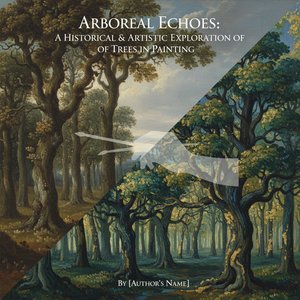
Arboreal Echoes: A Historical & Artistic Exploration of Trees in Painting
Explore the rich history of trees in painting! Discover symbolism, Romantic masterpieces by Caspar David Friedrich & beyond. A curated journey for art enthusiasts.

John Constable: 25 Najlepszych Obrazów Mistrza Angielskiego Krajobrazu | OriginalUniqueArt
Odkryj 25 arcydzieł Johna Constable'a – mistrza angielskiego krajobrazu! Poznaj romantyczne pejzaże, technikę malarską i inspiracje z Dedham Vale. Reprodukcje obrazów najwyższej jakości na OriginalUniqueArt.com. Eksploruj pełną kolekcję online!

Romantyczny Krajobraz w Malarstwie: 10 Arcydzieł, Które Zdefiniowały Epokę | OriginalUniqueArt.com
Odkryj 10 arcydzieł romantyzmu w malarstwie! Poznaj historie Caspara Davida Friedricha, Turnera i innych mistrzów. Inspiracje wnętrzarskie & reprodukcje obrazów najwyższej jakości na OriginalUniqueArt.com. Eksploruj kolekcję online!

Evocations of Place: A Historical Journey Through Landscape Art
Explore the rich history of landscape art with OriginalUniqueArt. Discover renowned artists, movements like Impressionism & Romanticism, and expert guidance for collecting timeless pieces. Find your perfect serene escape today!

Drzewa w malarstwie: Historia, symbolika i artystyczne interpretacje od antyku do współczesności
Odkryj fascynującą historię drzew w malarstwie! Poznaj symbolikę, interpretacje i wpływ tego archetypu na sztukę od antyku do współczesności. Ekspercka analiza dla miłośników historii sztuki.


