
 Zobacz w skali 1:1
 Wyślij
 Udostępnij
 Szczegóły
 Przewodnik

 Pobierz plik obrazu
 Podobne obiekty
 RTG
RTG Pokaz slajdów
 Statystyki
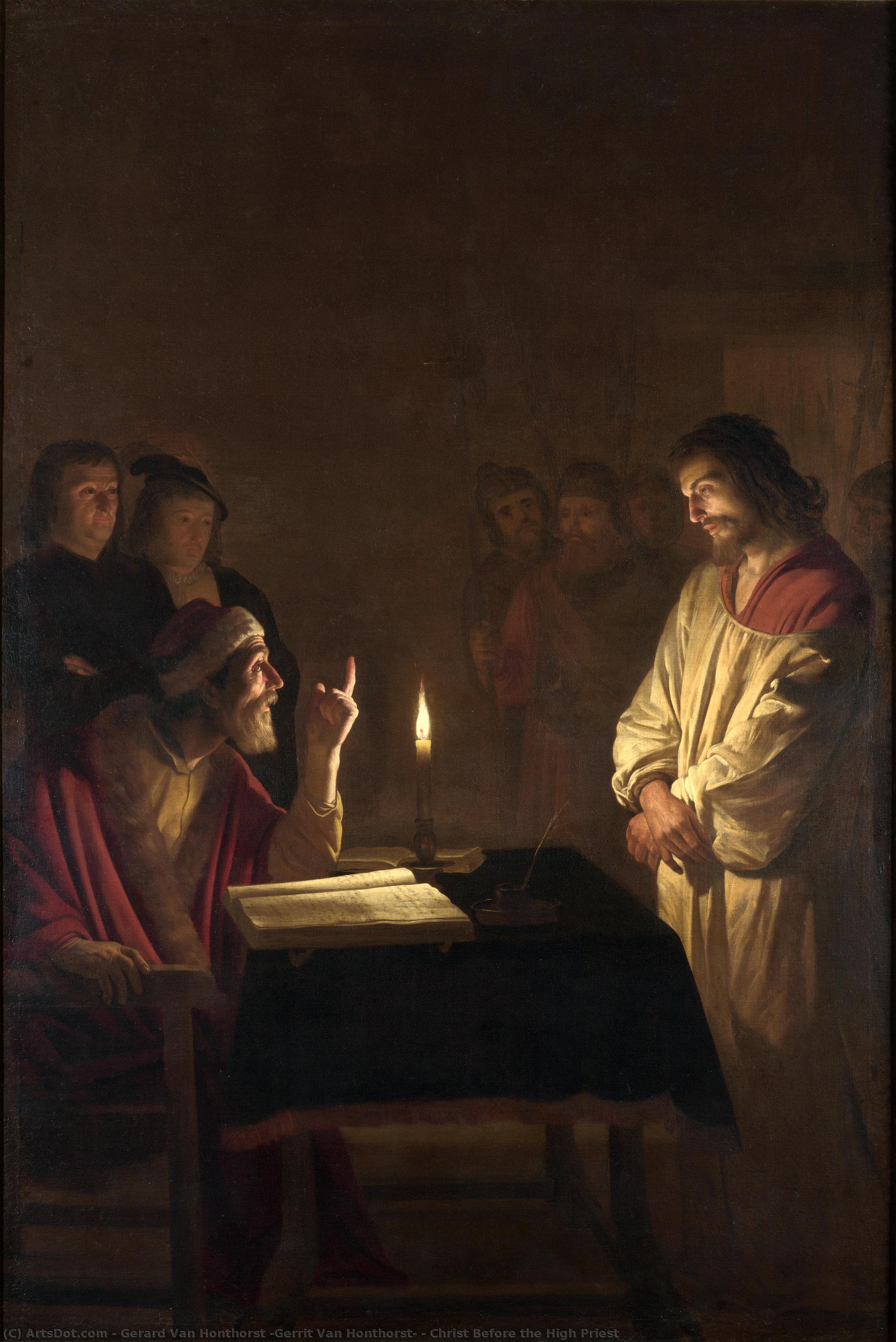
Christ Before the High Priest


 Czytaj więcej
Ręcznie malowana reprodukcja olejowa
Ręcznie malowany obraz olejny na płótnie, wykonany na zamówienie przez naszych artystów w wybranym przez Ciebie wymiarze i oprawie. ( Przełącz na wersję drukowaną Przełącz na wersję cyfrową)




P118B zł10

P118H zł10

P118W zł10

P438Z zł10

P508JH zł12

P508YH zł12

P805H zł10

P805Z zł10

P919BZ zł10

P919G zł10

P919XJ zł10

P959ZH zł10

P968JZ zł12

W106C zł8

W218G zł10

W218JH zł8

W218Y zł10

W307PJ zł10

W316G zł10

W316PJ zł8

W316Y zł10

W398PJ zł8

W4111J zł10

W500HY zł15

W500JH zł15

W692G zł12

W849H zł8

W940BG zł15

W953PJ zł8




Wybierz spośród naszych standardowych rozmiarów, które zachowują oryginalne proporcje dzieła sztuki.

Wpisz wymaganą szerokość i wysokość, aby obraz pasował do Twojej ramy lub ściany. Ponieważ jest to dzieło malowane ręcznie, w przypadku rozmiaru o innym proporcji artysta może domalować nieco więcej wokół obrazu lub przyciąć fragmenty — wybór należy do Ciebie. Przed rozpoczęciem pracy prześlemy Ci cyfrową wizualizację do zatwierdzenia. Obraz widoczny na tej stronie nie przedstawia rzeczywistego efektu — jedynie wizualizacja oddaje realny rezultat.
Po złożeniu zamówienia zespół OriginalUniqueArt.com skontaktuje się z klientem drogą mailową w celu uzyskania instrukcji i prześle wizualizację projektu
Dostawa na całym świecie () w ciągu 3–4 tygodni zamiast standardowych 5 tygodni. (22 Październik). Bez kompromisów w kwestii jakości.

Bezpłatna ekspresowa wysyłka na cały świat

Wysokiej jakości płótno lniane

Pełne ubezpieczenie transportowe

Gwarancja zwrotu należności celnych i podatków importowych

Gwarancja idealnego odwzorowania barw

100-dniowy okres na zwrot dzieła w przypadku wykrycia wad produkcyjnych

Gwarancja 100% zwrotu pieniędzy

Oferta przy zakupie wielu sztuk
 Opcja ze szkłem jest dostępna wyłącznie w rozmiarach poniżej 110 cm

Christ Before the High Priest
Technika wykonania
Rozmiar reprodukcji
-


Suma do zapłaty
zł 1519
A Dramatic Encounter: Gerard van Honthorst’s “Christ Before the High Priest”
Gerard van Honthorst's "Christ Before the High Priest," painted around 1617, is not merely a biblical scene; it’s a masterclass in Baroque drama and an intimate portrayal of spiritual tension. This oil on canvas, now residing within the hallowed halls of London’s National Gallery, immediately commands attention with its masterful use of chiaroscuro – the dramatic interplay of light and shadow that defines the artist's signature style. Honthorst, deeply influenced by the revolutionary techniques of Caravaggio, transports us to a dimly lit chamber, thick with secrecy and foreboding, where the fate of Jesus hangs precariously in the balance.
The composition is strikingly vertical, drawing the viewer’s eye inexorably towards the central figures: Christ and Caiaphas. The single candle flame, strategically positioned between them, acts as a potent symbol – not just illuminating their faces but also highlighting the chasm separating their perspectives. Jesus, rendered in serene composure, appears almost otherworldly amidst the gathering of shadowy witnesses behind him, suggesting an inner strength and acceptance of his impending destiny. Caiaphas, by contrast, is depicted with forceful gestures and a furrowed brow, embodying the resistance to Christ’s claims and the weight of judgment.
The Baroque Masterstroke: Light, Shadow, and Emotional Intensity
Honthorst's technical prowess is immediately evident in the meticulous detail and rich textures of the painting. The brushstrokes are deliberately visible, creating an impasto effect – a raised surface of paint that adds tactile quality to the scene. The use of linear perspective, while somewhat flattened as is typical of Baroque art, effectively guides the eye through the composition, layering figures and details with subtle precision. Notice how the folds of the drapery, rendered with remarkable realism, seem to ripple and flow, adding depth and movement to the otherwise static scene.
The artist’s deep understanding of light is particularly noteworthy. It's not simply illumination; it’s a carefully orchestrated tool for conveying emotion and highlighting key elements. The stark contrast between the brightly lit faces of Christ and Caiaphas, juxtaposed against the enveloping darkness, amplifies their conflict and underscores the gravity of the moment. This dramatic lighting technique, characteristic of Caravaggio and embraced by Honthorst, is what truly elevates this painting beyond a simple historical depiction.
Symbolism and Spiritual Resonance
Beyond its immediate visual impact, “Christ Before the High Priest” is laden with symbolic meaning. The scroll held by Caiaphas represents Jewish law and prophecy – the very framework within which Jesus’s teachings challenged established norms. The candle itself serves as a powerful emblem of truth and enlightenment, casting a fragile light upon the unfolding drama. The gathering of witnesses in the background speaks to the broader community's role in Christ’s trial and the weight of their collective judgment.
Furthermore, the painting resonates with themes of betrayal, judgment, and divine authority – core tenets of Christian theology. It captures a pivotal moment from scripture, offering viewers an intimate glimpse into the events leading up to Jesus’ crucifixion. The overall mood is one of solemnity, suspense, and profound spiritual significance, inviting contemplation on faith, sacrifice, and the nature of truth.
A Timeless Masterpiece: Reproduction Possibilities
OriginalUniqueArt offers meticulously crafted hand-painted reproductions of Gerard van Honthorst’s “Christ Before the High Priest,” allowing you to bring this iconic Baroque masterpiece into your home or office. Our skilled artists faithfully recreate every detail, from the subtle nuances of light and shadow to the rich textures of the paint, ensuring an authentic representation of this extraordinary work. Whether you're a seasoned art collector, an interior designer seeking to add a touch of historical grandeur, or simply an admirer of Baroque artistry, our reproductions provide a beautiful and accessible way to experience the enduring power of Honthorst’s dramatic vision.
Pytania i odpowiedzi
Jaki jest zalecany rozmiatr wydruku dla „Christ Before the High Priest” autorstwa Gerard van Honthorst?
Dla dzieła „Christ Before the High Priest” autorstwa Gerard van Honthorst sugerowana jest reprodukcja w formacie Large. Rozmiar można dostosować, zachowując proporcje.
Jak opisany jest nastrój dzieła „Christ Before the High Priest” autorstwa Gerard van Honthorst?
Nastrój dzieła „Christ Before the High Priest” autorstwa Gerard van Honthorst opisuje się jako Dramatic. Klasyfikacja ta może pomóc w dopasowaniu pracy do konkretnego wnętrza.
Do jakiego wnętrza polecane jest dzieło „Christ Before the High Priest” autorstwa Gerard van Honthorst?
Dzieło „Christ Before the High Priest” autorstwa Gerard van Honthorst jest rekomendowane do Living Room. Sugestia ta opiera się na tematyce, kolorystyce oraz nastroju pracy.
Biografia artysty
A Master of Light and Shadow: The Life and Art of Gerard van Honthorst
Gerard van Honthorst emerged from Utrecht in 1592, a pivotal figure poised to illuminate the Dutch Golden Age with his dramatic artistry. Initially guided by his father, a decorative painter, young Gerard’s talent blossomed under the tutelage of Abraham Bloemaert, establishing a solid foundation in draftsmanship and composition. However, it was a transformative journey to Rome that irrevocably altered the course of his artistic development. There, amidst the fervent energy of the Italian Baroque, he encountered the groundbreaking work of Caravaggio – an encounter that would define his signature style and earn him the evocative nickname “Gherardo delle Notti,” or Gerard of the Nights. The dramatic use of *tenebrism*, a technique employing stark contrasts between light and dark, became Honthorst’s hallmark, imbuing his canvases with a palpable sense of drama and emotional intensity. He wasn't merely imitating Caravaggio; he was translating the Italian master’s innovations into a distinctly Dutch sensibility, focusing on intimate scenes illuminated by artificial light sources – candles, lamps, and fires – creating an atmosphere both realistic and deeply theatrical. This mastery over light wasn’t simply technical skill; it was a means of revealing character, of drawing the viewer into the emotional core of each scene. Honthorst's early works in Rome showcased this talent brilliantly, establishing him as a rising star within the Italian art world.From Roman Acclaim to Dutch Mastery
Honthorst’s time in Rome was marked by considerable success and patronage. He found favor amongst the city’s elite, including Vincenzo Giustiniani, for whom he created the powerful “Christ Before the High Priest,” a work that exemplifies his masterful command of light and shadow. This painting, now residing in London’s National Gallery, showcases not only his technical skill but also his ability to convey profound psychological depth within his figures. The scene depicts Christ calmly awaiting judgment before the High Priest Caiaphas, bathed in a dramatic spotlight while the surrounding figures are shrouded in darkness – a masterful use of *tenebrism* that heightens the drama and emphasizes Christ’s serenity amidst impending doom. He further solidified his reputation by working for Cosimo II de' Medici, Grand Duke of Tuscany, demonstrating an adaptability and versatility that would serve him well throughout his career. Honthorst’s ability to capture not just physical likeness but also the character and social standing of his sitters made him highly sought after by wealthy merchants, nobles, and even royalty. This period saw a flourishing of commissions, allowing Honthorst to refine his style and establish a distinctive voice within Dutch painting. His portraits were particularly admired for their realism and psychological insight, capturing the nuances of personality with remarkable skill.The Utrecht Caravaggisti: A Distinctly Dutch Interpretation
Upon returning to Utrecht around 1620, Honthorst quickly established himself as a leading portrait painter in the Dutch Republic. He was a key figure in the *Utrecht Caravaggisti* movement – a group of Dutch painters who embraced Caravaggio’s dramatic realism and *tenebrism*. Alongside artists like Hendrick ter Brugghen and Dirck van Baburen, he helped to establish a distinctly Dutch interpretation of Italian Baroque style. The Utrecht Caravaggisti didn't simply copy Caravaggio; they adapted his techniques to the Dutch context, often incorporating elements of genre scenes and everyday life into their works. Honthorst’s emphasis on genre scenes illuminated by artificial light – candlelight, lamps, or fireplaces – became a hallmark of his style. These scenes weren’t merely decorative; they were imbued with emotional intensity and psychological depth, reflecting the complexities of human experience. His willingness to experiment with unusual lighting effects and dramatic compositions set him apart from other artists of his time.Courtly Artist: Commissions and Collaborations
The reach of Honthorst’s talent extended beyond the Netherlands. His work attracted the attention of Sir Dudley Carleton, who enthusiastically recommended him to prominent English aristocrats like the Earl of Arundel and Lord Dorchester. This led to commissions from Queen Elizabeth of Bohemia, sister of Charles I, who employed him as both a painter and drawing master for her children. These royal connections culminated in significant works such as the allegorical depiction of Charles and Henrietta Maria as Diana and Apollo, now housed at Hampton Court Palace – a grand composition that showcases Honthorst’s mastery of perspective and his ability to create visually stunning scenes. Honthorst’s willingness to collaborate with other artists also speaks to his open-mindedness and artistic generosity. He famously hosted Peter Paul Rubens during a visit to Utrecht, even painting him in a playful scene depicting Diogenes searching for an honest man – a testament to the mutual respect between these two Baroque giants. These collaborations weren't simply about sharing workload; they were intellectual exchanges that enriched the artistic landscape.Legacy and the Enduring Power of Light
Gerard van Honthorst’s influence resonated far beyond his lifetime. He was a key figure in the *Utrecht Caravaggisti* movement – a group of Dutch painters who embraced Caravaggio’s dramatic realism and *tenebrism*. His emphasis on genre scenes illuminated by artificial light, his masterful portraits, and his ability to convey emotional depth through skillful use of chiaroscuro left an indelible mark on the development of Dutch Golden Age painting. Even his brother, Willem van Honthorst, followed in his footsteps, though often with works initially misattributed to Gerard due to stylistic similarities. Van Honthorst died in Utrecht in 1656, leaving behind a body of work that continues to captivate audiences today and remind us of the enduring power of light and shadow to reveal the human condition. His paintings are celebrated for their dramatic beauty, psychological insight, and masterful use of *tenebrism*, solidifying his place as a pivotal figure in art history.
Gerard van Honthorst
1590 - 1656 , Holandia
Najważniejsze informacje
- Artistic Movement Or Style: Barok, Caravaggismo
- Artists Or Movements Influenced By This Artist: ['Utrecht Caravaggisti']
- Artists Who Influenced This Artist: ['Caravaggio']
- Date Of Birth: 1590
- Date Of Death: 1656
- Full Name: Gerard van Honthorst
- Nationality: Holender
- Notable Artworks:
- Chrystus przed Kajfaszem
- Sąd Midasa
- Place Of Birth: Utrecht, Holandia
Zobacz także powiązane artykuły
Gerard van Honthorst: Illuminating the Dutch Golden Age with Caravaggism & Courtly Grace
Explore the captivating world of Gerard van Honthorst, a Dutch Golden Age master renowned for his dramatic chiaroscuro & courtly portraits. Discover his life, art, and lasting influence on Baroque painting.

Holenderski Barok: 10 Arcydzieł, Które Zdefiniowały Epokę | OriginalUniqueArt
Poznaj 10 arcydzieł holenderskiego baroku! Odkryj historie Rembrandta, Vermeera i innych mistrzów XVII wieku. Reprodukcje obrazów najwyższej jakości – idealne do Twojego wnętrza. OriginalUniqueArt.com
Baroque Drama: Mastering Chiaroscuro and High-Impact Intensity for Luxury Interiors
Elevate your space with the dramatic intensity of Baroque art. Discover how to use chiaroscuro, deep shadows, and high-impact lighting to transform modern luxury interiors into cinematic masterpieces through expert curation and custom hand-painted reproductions.

Rembrandt van Rijn: 25 Najwybitniejszych Dzieł Sztuki – Reprodukcje i Inspiracje do Wnętrz
Poznaj 25 arcydzieł Rembrandta van Rijn! Odkryj fascynujące historie, techniki i wpływ holenderskiego mistrza baroku na świat sztuki. Reprodukcje obrazów najwyższej jakości – inspiracje do wnętrz na OriginalUniqueArt.com

10 Arcydzieł Wczesnoniderlandzkiego Malarstwa, które Zdefiniowały Epokę | Reprodukcje Obrazów
Odkryj 10 arcydzieł wczesnoniderlandzkiego malarstwa! Poznaj historie van Eycka, Weydena i Memlinga. Reprodukcje obrazów najwyższej jakości dla Twojego wnętrza. Inspiracje i dekoracje ścienne na OriginalUniqueArt.com

