

 Zobacz w skali 1:1
 Wyślij
 Udostępnij
 Szczegóły
 Przewodnik

 Pobierz plik obrazu
 Podobne obiekty
 RTG
RTG Pokaz slajdów
 Statystyki
Untitled (D2X7PJ)
 Oil On Canvas
- WallArt
- Northern Renaissance
 1510
1510 88.0 x 30.0 cm
 Metropolitan Museum of Art
 Czytaj więcej
Giclée / Wydruk artystyczny
Wydruki giclée lub płótna o jakości muzealnej, szybka realizacja i szeroki wybór opcji wykończenia. ( Kup ręcznie malowany obraz Przełącz na wersję cyfrową)




P118B zł10

P118H zł10

P118W zł10

P438Z zł10

P508JH zł12

P508YH zł12

P805H zł10

P805Z zł10

P919BZ zł10

P919G zł10

P919XJ zł10

P959ZH zł10

P968JZ zł12

W106C zł8

W218G zł10

W218JH zł8

W218Y zł10

W307PJ zł10

W316G zł10

W316PJ zł8

W316Y zł10

W398PJ zł8

W4111J zł10

W500HY zł15

W500JH zł15

W692G zł12

W849H zł8

W940BG zł15

W953PJ zł8




Wybierz spośród naszych standardowych rozmiarów, które zachowują oryginalne proporcje dzieła sztuki.

Type the width and the height you need, to fit your frame or your wall. A print can only be cut, never made bigger than the picture, so a size with a different shape loses a part of the image. We send you a digital mockup to approve before we print anything. The picture shown on this page does not show the real cut — only the mockup does.
Dostawa na cały świat () w ciągu 2 tygodni zamiast standardowych 4/5 tygodni. (14 Październik)

Bezpłatna ekspresowa wysyłka na cały świat

Wysokiej jakości płótno lniane

Pełne ubezpieczenie transportowe

Gwarancja zwrotu należności celnych i podatków importowych

Gwarancja idealnego odwzorowania barw

100-dniowy okres na zwrot dzieła w przypadku wykrycia wad produkcyjnych

Gwarancja 100% zwrotu pieniędzy

Oferta przy zakupie wielu sztuk
 Opcja ze szkłem jest dostępna wyłącznie w rozmiarach poniżej 110 cm

Untitled (D2X7PJ)
Giclée / Wydruk artystyczny
Rozmiar reprodukcji
-


Suma do zapłaty
zł 301
A Glimpse into the Soul of Early Netherlandish Painting
Gerard David’s “Untitled (D2X7PJ),” a captivating religious scene rendered in oil on panel around 1510, offers more than just a visual experience; it's a portal into the contemplative heart of early Renaissance Flanders. Born in Oudewater and trained under Albert van Oudewater, David quickly established himself as a leading figure in Bruges’ vibrant artistic community, inheriting and refining the traditions of his predecessors while simultaneously forging a uniquely personal style. This particular work, often referred to simply as “The Angel Gabriel Announcing the Virgin,” exemplifies this delicate balance – a masterful synthesis of meticulous detail, luminous color, and profound spiritual depth.
The painting depicts a serene moment within the Annunciation narrative: the Archangel Gabriel appears before the Virgin Mary, delivering the momentous news that she will conceive and bear the Son of God. David’s approach diverges subtly from the more rigidly formal depictions prevalent at the time. While retaining elements of late medieval iconography – the carefully positioned halos, the symbolic gestures – he imbues the scene with a remarkable sense of intimacy and naturalism. The figures are not presented as distant deities but rather as human beings caught in a profound exchange, their expressions conveying both surprise and acceptance.
The Language of Light and Color
David’s genius lies primarily in his manipulation of light and color. He eschews the stark contrasts favored by some of his contemporaries, opting instead for a subtle, almost ethereal illumination that permeates the entire composition. This “Flemish Light,” as it's often called, creates an atmosphere of quiet reverence and imbues the scene with a sense of otherworldly beauty. The palette is restrained yet remarkably rich – deep blues and purples dominate the background, contrasted by the warm, creamy tones of Mary’s robes and the radiant glow surrounding Gabriel. Notice how he uses layering of translucent glazes to build up depth and luminosity, capturing the delicate textures of fabric and skin with astonishing precision.
The artist's attention to detail is equally remarkable. The folds of Mary’s garments are rendered with meticulous care, each crease and pleat conveying a sense of volume and movement. Gabriel’s wings, depicted in shimmering gold leaf, seem to radiate light, while the delicate details of the angel’s face – his serene expression, the subtle curve of his lips – reveal a profound understanding of human anatomy and emotion.
Symbolism and Spiritual Resonance
Beyond its aesthetic beauty, “Untitled (D2X7PJ)” is rich in symbolic meaning. The dove, hovering above the scene, represents the Holy Spirit, while the lilies adorning Mary’s hands symbolize purity and virginity. The carefully chosen gestures of both figures – Gabriel’s outstretched hand offering the message, Mary’s receptive posture – underscore the central theme of divine grace and human humility. This is not merely a depiction of an event; it's a meditation on faith, obedience, and the profound mystery of God’s plan.
Furthermore, David’s choice to portray this pivotal moment with such quiet contemplation reflects the prevailing spiritual currents of his time – a shift away from the more overtly dramatic representations of religious subjects that had characterized earlier periods. He invites the viewer not just to observe but to participate in the scene, fostering a sense of personal connection and spiritual reflection.
A Timeless Masterpiece for Today
“Untitled (D2X7PJ)” stands as a testament to Gerard David’s artistic genius and his enduring legacy. Reproduced faithfully by OriginalUniqueArt.com, this painting continues to captivate audiences with its beauty, serenity, and profound spiritual resonance. Whether adorning a private residence or gracing the walls of a museum, it serves as a poignant reminder of the power of art to transcend time and connect us to something larger than ourselves. Its subtle colors and evocative imagery create an atmosphere of peace and contemplation – a perfect addition to any space seeking beauty, depth, and a touch of timeless grace.
Pytania i odpowiedzi
Z jakim uczuciem wiąże się "Untitled (D2X7PJ)"?
„Untitled (D2X7PJ)” budzi Calm uczucia. Ton emocjonalny opisuje wrażenie, jakie wywołuje to dzieło.
Skąd pochodzą odwiedzający „Untitled (D2X7PJ)” autorstwa Gerard David?
Dla dzieła „Untitled (D2X7PJ)” istnieje strona Statystyki. Przedstawia ona miesięczną liczbę odwiedzin tego dzieła oraz innych prac artysty, z podziałem na kraje i języki.
Czy mogę zamówić olejną reprodukcję "Untitled (D2X7PJ)"?
Hand-painted copies of „Untitled (D2X7PJ)” autorstwa Gerard David are sold on ta strona: ręcznie malowana reprodukcja olejowa na płótnie lnianym, ordered from its Hand-Painted Reproduction page.
Biografia artysty
Gerard David (c. 1460-1523) – Mistrz Światła Flandrii i Enigmatyczny Wszechświat
Gerard David, imię które rezonuje z blaskiem wczesnorenesansowego malarstwa niderlandzkiego, pozostaje artystą otoczonym fascynującą tajemnicą. Urodzony około 1460 roku w Oudewater, w Holandii, jego życiorys jest układany z fragmentów archiwalnych zapisów ielożnością jego dzieł, które mówią same za siebie. W przeciwieństwie do niektórych współczesników, których życie jest bogato udokumentowane, historia Davida jest skromna, pozwalając jego obrazom wyrażać głębię, gdzie szczegóły biograficzne są rzadkie. To, co wiadomo, sugeruje niezwykle udany rozwój kariery, prawdopodobnie zarządzając warsztatami zarówno w Antwerpii, jak i Brużach – centrach innowacji artystycznych podczas Renesansu. Jego reputacja osłabła w XVII wieku, a następnie została wspaniale odrodzona przez XIX-wiecznych historyków sztuki, którzy dostrzegli jego unikalne wkład w północny Renesans. Został przyjęty jako wolny mistrz do Gildii Malarzy i Sadowiarzy w Brużach w 1484 roku, oznaczając kluczowy moment w jego ascensji. Jego późniejsza zaangażowanie w gildię antwerpijską w 1515 roku dodatkowo umacnia jego pozycję w społeczności artystycznej.Wczesne Lata i Rozwój Artystyczny
Podróż artystyczna Davida rozpoczęła się pod wpływem sił, które ukształtowały fundament jego stylu. Wczesne prace ujawniają wyraźne zadłużenie wobec malarzy takich jak Jacob Janszoon, Dieric Bouts i Geertgen tot Sint Jans – mistrzów, którzy wpoiły w niego dbałość o szczegóły i wrażliwość na narrację religijną. Uważa się, że spędził czas w Haarlemie, aby przyswoić te lekcje, zanim przeniósł się do Bruż, tętniącego centrum wymiany artystycznej, które przyciągało talent z całej Europy. W Brużach David spotkał arcydzieła Jana van Eycka, Rogiera van der Weydena i Hans Memlinga, przyswajał im techniki, jednocześnie kształtując swój własny, odmienny ścieżkę. Nie po prostu naśladował; syntetyzował te wpływy w coś wyjątkowego – styl charakteryzujący się luminescencyjnym kolorem, spokojnymi kompozycjami i rosnącą wrażliwością na krajobraz. Jego wczesne obrazy ujawniają tę ewolucję, przechodząc od postaci przypominających doll z tradycji Haarlemskich do bardziej rzeźbionych form zakorzenionych w ich otoczeniu. To przejście jest widoczne w *Christ Nailed to the Cross*, gdzie wpływ Bouts’a dotyczący konstrukcji przestrzeni łączy się z rozwijającą się kolorystyczną wrażliwością Davida.Innowacje w Krajobrazie i Narracji Religijnej
Podpis artystyczny Gerarda Davida leży w innowacyjnym podejściu zarówno do krajobrazu, jak i tematyki religijnej. Nie po prostu przedstawiał tła; tworzył wciągające środowiska, które wzmacniały emocjonalne oddziaływanie jego scen. Krajobrazy Davida nie są jedynie dekoracyjne, ale integralne elementy narracji, często nacechowane symbolizmem. Ta fascynacja otoczeniem naturalnym – gęste lasy, pagórkowate wzgórza, rozległe niebo – odróżniała go od wielu jego współczesnych i zapowiadał rozwój malarstwa krajobrazowego jako niezależnego gatunku. Rozważ *View in a Forest*, zewnętrzną stronę trójdzielnego obrazu; nie jest to po prostu tło, ale świat we własnym zakresie, przedstawiony z dbałością o szczegóły i perspektywą powietrzną. W jego pracach religijnych David wykazał się niezwykłą zdolnością do wyrażania głębokiej duchowości i ludzkich emocji. Obrazy takie jak *Małżeństwo św. Katarzyny* ilustrują tę umiejętność. Scena jest przedstawiona z wyrafinowaniem, ale to subtelne ekspresje na twarzach postaci – ich pobożność, kontemplacja lub delikatna radość – naprawdę przyciągają wzrok widza. Posiadał dar nadawania swoim świętym obrazom poczucia spokojnej godności i przystępnej ludzkiej natury. *Tryptych z Madonną Enthroned and Saints* w Genewie jest kolejnym świadectwem jego umiejętności, prezentując harmonijną kompozycję pełną żywych kolorów i delikatnych detali. Jego *Madonna z Dzieciątkiem wśród Muzykujących Aniołów*, przekazany Karmelitkom w Brużach, jest kolejnym dowodem na jego talent, przedstawiając portret samego artysty wewnątrz obrazu – rzadki i intymny gest dla artysty jego czasu.Dziedzictwo i Trwały Wpływ
Chociaż jego sława osłabła po śmierci w 1523 roku, wpływ Gerarda Davida na kolejne pokolenia artystów jest niepodważalny. Jego innowacyjne wykorzystanie koloru, mistrzowskie opanowanie światła i cienia oraz pionierski sposób przedstawiania krajobrazu pozostawiły trwałe ślady w rozwoju malarstwa flamandzkiego. Otworzył drogę dla artystów, którzy kontynuowali rozwój ekspresyjnego potencjału otoczenia naturalnego, takich jak Jacob Patinir i Jacob van Ruisdael.- Most między tradycjami: David z powodzeniem połączył tradycję późnego średniowiecza z stylem renesansu.
- Wpływ na malarstwo krajobrazowe: Jego szczegółowe i atmosferyczne krajobrazy zapowiadały rozwój malowania krajobrazowego jako niezależnego gatunku.
- Mistrzowskie wykorzystanie koloru: Był znany z żywych palet i umiejętnego użycia koloru do tworzenia efektów emocjonalnych.
Poznaj więcej
- OriginalUniqueArt.com: Odkryj obszerną kolekcję obrazów Gerarda Davida, w tym *Ołtarz z Sądu nad Kambuzysem*.
- View in a Forest: Poznaj ten imponujący flamandzki krajobraz renesansowy.
- Ruch malarski wczesnego renesansu północnego: Pogłębiaj wiedzę o artystycznym kontekście twórczości Davida.

Gerard David
1450 - 1523 , Holandia
Najważniejsze informacje
- Artistic Movement Or Style: Szkola Brugijska
- Artists Or Movements Influenced By This Artist:
- Jan van Eyck
- Rogier van der Weyden
- Artists Who Influenced This Artist:
- Jacob Janszoon
- Dieric Bouts
- Geertgen tot Sint Jans
- Date Of Birth: c. 1460
- Date Of Death: 1523
- Full Name: Gerard David
- Nationality: Niderlandzki
- Notable Artworks:
- Małżeństwo św. Katarzyny
- Tryptych Madonny
- Madona wśród aniołów
- Place Of Birth: Oudewater, Holandia
Zobacz także powiązane artykuły

Celestial Messengers: Angels in Painting – A Historical & Artistic Exploration
Explore the captivating history of angels in painting! Discover symbolism, iconic Renaissance & Byzantine masterpieces, and renowned artists. Expert insights for art lovers & collectors at OriginalUniqueArt.

The Enduring Power of Painting: A Historical & Contemporary Exploration of Form and Emotion
Explore the rich history & enduring techniques of oil painting with OriginalUniqueArt. Discover masterpieces, learn about art collecting, and find authentic handmade reproductions crafted by skilled artists.

Niebiańscy Posłańcy w Sztuce: Ewolucja Symboliki i Emocjonalnego Oddziaływania Anielskich Reprezentacji na Przez Wieki
Odkryj fascynującą historię aniołów w sztuce! Analizujemy ewolucję ikonografii, symbolikę i emocjonalny wpływ anielskich reprezentacji od starożytności po współczesność. Ekspercka analiza dla miłośników sztuki.

Trwała Spuścizna Malarstwa Olejnego: Technika, Historia i Estetyczny Wpływ
Poznaj historię i technikę malarstwa olejnego! Eksperckie artykuły o konserwacji, renowacji oraz współczesnych zastosowaniach. Dowiedz się więcej o mistrzach i trwałości obrazów olejnych.
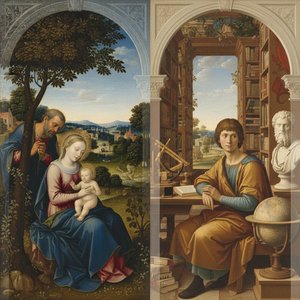
Gerard David: Bridging Late Medieval Tradition with Early Renaissance Humanism
Explore the captivating world of Gerard David, a pivotal figure bridging late medieval artistry with the Early Renaissance. Discover his innovative techniques, religious masterpieces, and enduring legacy – a must-read for discerning art collectors.


