
 Podgląd w skali 1:1
 Wyślij jako kartkę
 Udostępnij
 Szczegóły dzieła
 Przewodnik

 Pobierz obraz
 Podobne obiekty
 RTG
RTG Pokaz slajdów
 Pytania i odpowiedzi
 Statystyki
Adoracja pasterzy


 Rozwiń treść
Giclée / Wydruk artystyczny
Wydruki giclée lub płótna o jakości muzealnej, szybka realizacja i szeroki wybór opcji wykończenia. ( Zamów ręcznie malowaną reprodukcję Przejdź do wersji cyfrowej)




P118B zł10

P118H zł10

P118W zł10

P438Z zł10

P508JH zł12

P508YH zł12

P805H zł10

P805Z zł10

P919BZ zł10

P919G zł10

P919XJ zł10

P959ZH zł10

P968JZ zł12

W106C zł8

W218G zł10

W218JH zł8

W218Y zł10

W307PJ zł10

W316G zł10

W316PJ zł8

W316Y zł10

W398PJ zł8

W4111J zł10

W500HY zł15

W500JH zł15

W692G zł12

W849H zł8

W940BG zł15

W953PJ zł8




Wybierz spośród naszych standardowych rozmiarów, które zachowują oryginalne proporcje dzieła sztuki.

Wpisz wymaganą szerokość i wysokość, aby dopasować grafikę do ramy lub ściany. Wydruk można jedynie przyciąć, nigdy nie powiększając go poza oryginalny obraz, dlatego format o innych proporcjach spowoduje utratę części kompozycji. Przed rozpoczęciem druku prześlemy Ci cyfrowy podgląd do zatwierdzenia. Obraz wyświetlany na tej stronie nie pokazuje rzeczywistego przycięcia — jedynie podgląd oddaje ten efekt.
Dostawa na cały świat () w ciągu 2 tygodni zamiast standardowych 4/5 tygodni. (3 Listopad)

Bezpłatna ekspresowa wysyłka na cały świat

Wysokiej jakości płótno lniane

Pełne ubezpieczenie przesyłki

Gwarancja zwrotu należności celnych i podatków importowych

Gwarancja wiernego odwzorowania kolorów

100-dniowa polityka zwrotów (tylko w przypadku wad)

Gwarancja 100% zwrotu pieniędzy

Zniżka przy zakupie wielu sztuk
 Opcja ze szkłem jest dostępna wyłącznie w rozmiarach poniżej 110 cm

Adoracja pasterzy
Giclée / Wydruk artystyczny
Wymiary reprodukcji
-


Cena całkowita
zł 317
Święte spotkanie w cieniu
W ciszy roku 1644 Georges de La Tour uchwycił moment, który przekracza granice czasu i pisma świętego. Adoracja pasterzy nie jest jedynie przedstawieniem biblijnego wydarzenia; to głęboka medytacja nad punktem styku tego, co ludzkie, z tym, co boskie. W wyciszonej atmosferze kompozycji Maryja tuli niemowlę Jezus w skromnej żłobie, a jej obecność promieniuje cichą siłą. Postać centralną otaczają pasterze, których twarze naznaczone są mieszanką czci, zachwytu i kontemplacyjnego spokoju. Scena ta została odarta z wielkich, rozpraszających widowisk, skupiając się zamiast tego na surowym, emocjonalnym ciężarze świętego objawienia. Każdy element, od umieszczenia prostej misy na ziemi po obecność świętego tekstu, służy zakotwiczeniu tego niebiańskiego wydarzenia w namacalnej, ziemskiej rzeczywistości.Mistrzostwo światłocienia i techniki
Tym, co wyróżnia De La Toura jako tytana francuskiego baroku, jest jego rewolucyjna władza nad światłem. Rezygnując z jasnych, wystawnych kolorów preferowanych przez wielu jego współczesnych, przyjął on stonowaną paletę głębokich ochr, bogatych brązów i ponurych czerwieni, aby stworzyć atmosferę powagi. Dzięki mistrzowskiemu wykorzystaniu chiaroscuro—dramatycznej gry między głęboką ciemnością a miękkim, rozświetlającym światłem—kieruje wzrok widza ku duchowemu sercu obrazu. Światło, emanujące z niewidocznych źródeł, kąpie twarz Maryi oraz świetlistą aureolę Dzieciątka w łagodnym blasku, nadając płótnu niemal nadprzyrodzoną luminancję. Jego technika była wyjątkowo żmudna; zamiast polegać na tradycyjnych laserunkach, stosował niezwykle precyzyjny proces nakładania warstw, który pozwolił osiągnąć niespotykane dotąd przejścia tonalne. Rezultatem są powierzchnie o aksamitnej gładkości, dzięki którym światło zdaje się wyłaniać z samej tkanki farby.Wieczna inspiracja dla współczesnych wnętrz
Dla miłośnika sztuki, jak i projektanta wnętrz, Adoracja pasterzy oferuje coś więcej niż tylko znaczenie historyczne; stanowi ona emocjonalną kotwicę dla każdej przestrzeni. Zdolność tego obrazu do wywoływania poczucia pokoju i duchowej głębi czyni go pociągającym wyborem dla tych, którzy pragną wprowadzić do swojej kolekcji lub pomieszczenia aurę powagi i ponadczasowości. Dramatyczne cienie oraz ciepłe, ziemiste tony pozwalają mu płynnie integrować się z wyrafinowanym, nastrojowym wystrojem, pełniąc rolę punktu centralnego, który zaprasza do długich chwil kontemplacji. Posiadanie wysokiej jakości reprodukcji tego arcydzieła to szansa na wprowadzenie cichej majestatyczności epoki baroku do współczesnego domu, oferując okno na świat, w którym każdy cień opowiada historię wiary, a każdy promień światła szepcze o łasce.Pytania i odpowiedzi
Jaka technika została użyta w przypadku "Adoracja pasterzy" i kiedy powstało to dzieło?
"Adoracja pasterzy" powstało w 1644 roku przy użyciu Farba olejna.
Pod jakimi innymi nazwiskami znany jest Georges de La Tour?
Inne znane nazwiska Georges de La Tour, twórcy "Adoracja pasterzy", to Georges du Mesnil de La Tour, Claude du Menil de Latour.
Jaki układ ma „Adoracja pasterzy” – Georges de La Tour?
Format dzieła „Adoracja pasterzy” to Pozioma. Jest to pomocna informacja podczas planowania miejsca, w którym zostanie umieszczona reprodukcja.
Biografia artysty
A Life Bathed in Shadow: The Enigmatic World of Georges de La Tour
Georges de La Tour, a name that resonates with the hushed reverence reserved for masters of light and shadow, remains one of the most compelling figures of the French Baroque. Born in 1593 in Vic-sur-Seille, a small town nestled within the Duchy of Lorraine, his life unfolded against a backdrop of religious fervor and political upheaval. While details surrounding his early training remain somewhat elusive—scholars speculate about potential journeys to Italy or apprenticeships with local artists like Jacques Bellange—the seeds of his artistic vision were undoubtedly sown in this environment. He wasn’t born into an artistically established family; his father was a baker, yet the circumstances of his mother's lineage hint at a possible connection to nobility, a subtle influence perhaps reflected in the dignity and quiet grace that permeate his work. In 1617 he married Diane Le Nerf, establishing a stable home life in Lunéville, where he would spend much of his career serving both the French court and the Dukes of Lorraine. This dual patronage allowed him to flourish, yet it was within the intimate confines of domestic scenes and religious contemplation that his true genius found expression.The Dance of Light and Darkness: Artistic Influences and Development
De La Tour’s artistic journey wasn't one of radical innovation but rather a masterful synthesis of existing influences, transformed through the lens of his unique sensibility. The dramatic chiaroscuro—the stark contrast between light and dark—that defines his paintings owes an undeniable debt to Caravaggio, the Italian master who revolutionized painting with his intensely realistic and emotionally charged scenes. However, De La Tour didn’t simply imitate; he filtered Caravaggism through the prism of Dutch Caravaggisti, particularly those from the Utrecht School like Hendrick Terbrugghen. This fusion resulted in a style that was both powerful and restrained, characterized by a muted palette dominated by earth tones and subtle gradations of light. His early works, predating 1630, exhibit a greater vibrancy and dynamism, reflecting the influence of the Utrecht school. But as his career progressed, he moved towards an increasingly introspective and minimalist aesthetic. He began to pare down compositions, focusing on essential forms and reducing extraneous details, creating scenes that felt both timeless and deeply personal. This evolution wasn’t merely technical; it was a reflection of his growing spiritual depth and his desire to convey profound emotional truths through the simplest of means.Candlelight and Contemplation: Major Works and Recurring Themes
The hallmark of De La Tour's oeuvre is undoubtedly his masterful use of candlelight, which he employed not merely as a source of illumination but as a metaphor for divine grace and spiritual awakening. His paintings are often set at night, with figures bathed in the warm, flickering glow of a single candle or lamp. This creates an atmosphere of intimacy and quiet contemplation, drawing the viewer into the scene and inviting them to share in the emotional experience of the subjects. The Fortune-Teller, painted around 1630, exemplifies this early style—a lively genre scene rendered with sharp observation and dramatic lighting. But it is his later religious works that truly showcase his genius. Adoration of the Shepherds, created around 1640, demonstrates his ability to imbue a traditional subject with profound emotional resonance. The figures are not idealized or heroic; they are ordinary people, humbled by the presence of the divine. The Tears of Saint Peter, painted in the 1650s, is a particularly poignant example of his psychological insight—the apostle’s grief rendered with heartbreaking subtlety and realism. Saint Joseph the Carpenter, another iconic work, depicts a serene domestic scene, highlighting De La Tour's mastery of capturing the quiet dignity of everyday life. These paintings aren’t simply depictions of religious events; they are meditations on faith, doubt, and the human condition.A Rediscovered Legacy: Historical Significance and Enduring Appeal
Despite achieving recognition during his lifetime—he was appointed “Painter to the King” by Louis XIII in 1638—De La Tour’s work fell into relative obscurity after his death in 1652. For centuries, many of his paintings were misattributed to other artists, and his name faded from art historical memory. It wasn't until the early 20th century that a concerted effort was made to rediscover and re-evaluate his oeuvre, led by scholars like Hermann Voss. This rediscovery revealed an artist of extraordinary originality and depth, whose work bridged the gap between Caravaggism and French Classicism. De La Tour’s innovative use of light and shadow, combined with his psychological insight into his subjects, continues to captivate audiences today. His paintings offer a glimpse into 17th-century life and spirituality, reflecting both the religious fervor and the social realities of his time. *He remains celebrated for his ability to imbue everyday scenes with profound meaning and emotional depth*, reminding us that even in the darkest of times, there is always hope to be found in the flickering light of faith and human connection. His influence can be seen in later artists who explored similar themes of introspection and spiritual longing, solidifying his place as a pivotal figure in the history of European art.
Georges de La Tour
1593 - 1652 , Francja
Krótka nota
- Artistic Movement Or Style: Barok, Tenebrism
- Artists Or Movements Influenced By This Artist: ['Francuska Klasyka']
- Artists Who Influenced This Artist:
- Caravaggio
- Terbrugghen
- Date Of Birth: 13 marca 1593
- Date Of Death: 30 stycznia 1652
- Full Name: Georges de La Tour
- Nationality: Francuz
- Notable Artworks:
- Fortune Teller
- Uznanie Syna
- Święty Sebastian
- Place Of Birth: Vic-le-Comte, Francja
Powiązane artykuły

Maurice Quentin de La Tour: Light, Shadow & the Rococo Portrait
Explore the captivating world of Maurice Quentin de La Tour, a master of Rococo portraiture. Discover his innovative pastel techniques, intimate depictions of French aristocracy, and lasting artistic legacy. Learn more at OriginalUniqueArt.
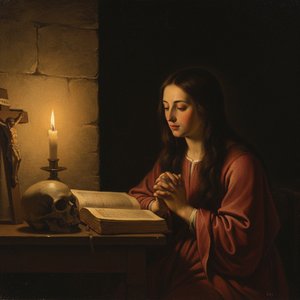
Georges de La Tour: Luminosity, Spirituality & Realism in Baroque Painting
Discover the captivating world of Georges de La Tour, a Baroque master renowned for his dramatic chiaroscuro & spiritual realism. Explore key works, influences, and his remarkable rediscovery. Learn more at OriginalUniqueArt.

Georges Braque: 25 Arcydzieł Kubizmu i Nowoczesnej Sztuki | OriginalUniqueArt.com
Odkryj 25 arcydzieł Georges'a Braque – pioniera kubizmu i malarstwa nowoczesnego. Poznaj historię, techniki i inspiracje za jego najsłynniejszymi obrazami. Reprodukcje najwyższej jakości na OriginalUniqueArt.com! Eksploruj pełną kolekcję online.

Georges Seurat: 25 Arcydzieł Punktalizmu dla Twojego Domu | OriginalUniqueArt.com
Odkryj 25 arcydzieł Georges'a Seurata! Poznaj historię punktalizmu, impresjonistyczne pejzaże i fascynującą technikę malarską. Reprodukcje obrazów najwyższej jakości na OriginalUniqueArt.com – inspiracje do Twojego wnętrza. Eksploruj pełną kolekcję online!

Francisco Goya: 25 Arcydzieł Genialnego Malarza Hiszpańskiego | OriginalUniqueArt.pl
Odkryj 25 arcydzieł Francisco Goyi – od portretów królewskich po dramatyczne 'Czarne Malowidła'. Poznaj historię, technikę i emocje hiszpańskiego mistrza. Reprodukcje obrazów najwyższej jakości na OriginalUniqueArt.com! Eksploruj kolekcję online.


