Cubist Exploration
untitled (9288) (Georges Braque)
Georges Braque (1882–1963) stworzył untitled (9288). Należy do nurtu Cubist Exploration. Wykonano w technice Lithography.
- Lithography

 Podgląd w skali 1:1

 Ręcznie malowany obraz olejny
 Wyślij jako kartkę
 Udostępnij
 Karta informacyjna


 Pobierz obraz
 Podobne obiekty
 RTG
 Pokaz slajdów
 Pytania i odpowiedzi

 Statystyki
untitled (9288) w skrócie
- Tytuł
- untitled (9288)
- Artysta
- Georges Braque (1882–1963)
- Miejsce urodzenia artysty
- Argenteuil, Francja
- Technika wykonania
- Lithography
- Epoka
- Modern
- Temat
- abstraction, furniture, vases, composition, geometric forms, color palette
Co przedstawia untitled (9288)?
Georges Braque’s Still Life Reverie: A Fragment of Cubist Innovation
Georges Braque’s “untitled (9288)” stands as a testament to the transformative power of artistic experimentation during the early years of the 20th century. Executed in 1974, this photolithograph captures a deceptively simple scene—a collection of chairs and vases—yet it embodies the core principles of Cubism, cementing Braque’s position as one of Picasso's most influential collaborators.
- Subject Matter: The artwork presents an unassuming domestic tableau. Three chairs – varying in size and form – dominate the composition on the left side, while four vases punctuate the space with splashes of color and texture.
- Style & Technique: Braque’s masterful use of photolithography lends a remarkable clarity to the fractured geometric forms characteristic of Cubism. Unlike traditional oil paint, photolithography allows for precise tonal gradations and subtle nuances of color, mirroring the artist's desire to dissect visual perception.
- Historical Context: Created in 1974, decades after the genesis of Cubism alongside Picasso, “untitled (9288)” reflects a retrospective gaze upon the movement’s groundbreaking innovations. It emerged from a period marked by intense intellectual debate about representation and abstraction—a reaction against Impressionistic idealism.
- Symbolism & Emotional Impact: Though seemingly devoid of overt narrative, the arrangement of chairs and vases speaks to broader concerns about spatial relationships and visual fragmentation. Braque’s deliberate simplification aims not merely to depict objects but to convey a sense of stillness and contemplation—a quiet defiance of the turbulent artistic currents of his time.
The Genesis of Cubism: Deconstructing Reality
Braque's contribution to Cubism wasn’t simply stylistic; it was fundamentally conceptual. Alongside Picasso, he challenged the conventions of Western art by rejecting single-point perspective and striving for a more accurate depiction of three dimensions on a two-dimensional surface. This approach involved breaking down objects into geometric planes—cubes, cylinders, cones—and presenting them simultaneously from multiple viewpoints.
- Influences: Braque’s artistic vision drew inspiration from Cézanne's exploration of form and volume, as well as African sculpture’s expressive simplification.
- Collaboration with Picasso: The partnership between Braque and Picasso was pivotal in shaping Cubist aesthetics. Their shared experimentation resulted in artworks that were often indistinguishable for years, demonstrating the power of collaborative creativity.
Photolithography: Precision and Subtle Color
The choice of photolithograph as a medium underscores Braque’s meticulous attention to detail. Unlike oil paint, which blends colors optically, photolithography relies on halftone dots—tiny circles that create the illusion of shading—allowing for exceptional tonal accuracy and nuanced color palettes. This technique reflects Braque's desire to capture the essence of form while minimizing distortion.
- Material Properties: Photolithography utilizes a stone surface treated with acid to etch an image, transferring it onto paper through ink printing.
- Reproductions & Preservation: High-quality reproductions of “untitled (9288)” maintain the artwork’s original vibrancy and textural qualities, ensuring its legacy continues to inspire collectors and interior designers alike.
Zdjęcia w wysokiej rozdzielczości dzieła untitled (9288)
Chronione prawem autorskim: pliki te służą wyłącznie do osobistego wglądu i nie stanowią licencji na ich powielanie.
Georges Braque, untitled (9288).
Odpowiedzi na pytania dotyczące untitled (9288)
W jakiej technice wykonano „untitled (9288)” – Georges Braque?
Technika wykonania dzieła „untitled (9288)” – Georges Braque to Lithography. Reprodukcje mają na celu wierne oddanie wyglądu tej techniki.
Co przedstawia „untitled (9288)” – Georges Braque?
„untitled (9288)” – Georges Braque przedstawia: abstraction, furniture, vases, composition, geometric forms, color palette, spatial illusion.
Czy dzieło "untitled (9288)" znajduje się w domenie publicznej?
Status praw autorskich dla „untitled (9288)” – Georges Braque: dzieło znajduje się w nadal objęte ochroną prawa autorskiego. Określa to, czy reprodukcje obrazu mogą być sporządzane swobodnie.
Któremu artyście przypisuje się "untitled (9288)"?
Autorstwo dzieła "untitled (9288)" przypisuje się Georges Braque.
Do jakiego nurtu w sztuce należy „untitled (9288)” – Georges Braque?
Nurt związany z „untitled (9288)” – Georges Braque to Cubist Exploration. Ta klasyfikacja sytuuje dzieło wśród pokrewnych artystów i dzieł sztuki.
Do którego okresu twórczości Georges Braque należy dzieło "untitled (9288)"?
W dorobku artystycznym Georges Braque dzieło „untitled (9288)” przypada na Cubist Phase. Ten etap pozwala zestawić je z innymi pracami twórcy.
Czy dzieło „untitled (9288)” autorstwa Georges Braque znajduje się w domenie publicznej i dlaczego?
Dzieło "untitled (9288)" autorstwa Georges Braque znajduje się w nadal objęte ochroną prawa autorskiego. Okres ochrony praw autorskich liczony jest od daty śmierci artysty, a Georges Braque zmarł(a) w 1963.
W jaki sposób "untitled (9288)" wpisuje się w tematykę i styl twórczości Georges Braque?
"untitled (9288)" wpisuje się w nurt Cubist Exploration w twórczości Georges Braque, której charakterystyczne motywy obejmują analytical cubist style, geometric reduction, spatial depth, formal experimentation, artistic dialogue, exploring visual perception boundaries.
W jaki sposób tematyka dzieła "untitled (9288)" odnosi się do typowych motywów twórczości Georges Braque?
„untitled (9288)” przedstawia abstraction, furniture, vases, composition, geometric forms, color palette, spatial illusion, podczas gdy powracające motywy u Georges Braque to analytical cubist style, geometric reduction, spatial depth, formal experimentation, artistic dialogue, exploring visual perception boundaries. Porównanie tych dwóch elementów ukazuje, jak dzieło nawiązuje do typowej dla tego artysty tematyki.
O artyście: Georges Braque
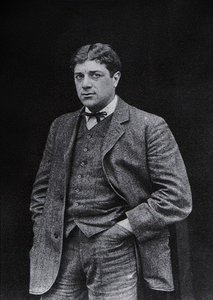
1882–1963, Francja
Georges Braque
Wczesne lata, rodzina i wykształcenie Georges Braque urodził się w 1882 roku w Argenteuil we Francji. Jego wczesne lata upłynęły w Le Havre, w domu, którego codzienność definiowały praktyczne aspekty dekoracji i koloru. Dorastając w rodzinie malarzy i dekoratorów domów, od najmłodszych lat był zanurzony w namacalnej rzeczywistości swojego rzemiosła. To wychowanie zapewniło mu fundament technicznego warsztatu, który w późniejszych latach nadał głębi jego podejściu do płótna.
Inne prace Georges Braque
 Mandolina1910
 Mężczyzna z gitarą1914
 Domki Przy Estace
 Harbor w Normandii1909
Eseje o untitled (9288)
 Mastering Cubism: The Top 25 Georges Braque ArtworksJourney through the revolutionary world of Georges Braque. Explore 25 iconic Cubist masterpieces, from geometric abstractions to timeless s…
 Understanding the Difference Between Analytical and Synthetic CubismMaster the differences between Analytical and Synthetic Cubism with our expert guide. Learn to identify these iconic art movements now.
 Georges Braque: The Architect of Form and the Soul of Cubist RevolutionExplore the profound legacy of Georges Braque, a master of Cubism. Discover how his technical craftsmanship and collaboration with Picasso …