Analytical Cubism · 1929
The Round Table (Georges Braque, 1929)
Georges Braque (1882–1963) stworzył The Round Table. Dzieło pochodzi z 1929. Należy do nurtu Analytical Cubism. Wykonano w technice Acrylic. Wymiary to 144 × 114 cm.
- 1929
- Acrylic
- 144 × 114 cm

 Podgląd w skali 1:1

 Ręcznie malowany obraz olejny
 Wyślij jako kartkę
 Udostępnij
 Karta informacyjna


 Pobierz obraz
 Podobne obiekty
 RTG
 Pokaz slajdów
 Pytania i odpowiedzi

 Statystyki
The Round Table w skrócie
- Tytuł
- The Round Table
- Artysta
- Georges Braque (1882–1963)
- Miejsce urodzenia artysty
- Argenteuil, Francja
- Data powstania
- 1929
- Technika wykonania
- Acrylic
- Wymiary
- 144 × 114 cm
- Temat
- bookshelf composition, table setting, fruit symbolism, geometric forms, artist's gesture, spatial illusion
Co przedstawia The Round Table?
Georges Braque’s “The Round Table”: A Dialogue Between Tradition and Innovation
- Subject Matter and Composition:
- Cubist Style and Technique:
- Historical Context – The Birth of Cubism:
- Symbolic Resonance – Apples, Books, and Spatial Illusion:
- Emotional Impact – Quiet Contemplation and Artistic Exploration
Cubist Style and Technique
Braque, alongside Pablo Picasso, spearheaded the development of Analytical Cubism, characterized by its radical fragmentation of form and simultaneous depiction of multiple viewpoints. Unlike Impressionists who sought to capture fleeting moments of light and color, Cubists aimed to represent objects as they appear to the eye when viewed from various angles simultaneously. In “The Round Table,” this is achieved through meticulous geometric reduction—the table surface and books are broken down into interlocking planes that overlap and intersect, creating a disconcerting yet captivating illusion of depth. The artist’s use of muted earthy tones – browns, ochres, and creams – reinforces the sense of stillness and contemplation inherent in the scene. Careful layering of paint contributes to textural richness without resorting to overtly expressive brushstrokes; Braque prioritizes precision and intellectual rigor over emotive gesture.Historical Context – The Birth of Cubism
The genesis of Cubism can be traced back to Picasso’s groundbreaking “Les Demoiselles d'Avignon” (1907), which shattered established artistic norms by depicting figures rendered in fractured planes and incorporating influences from African sculpture. Braque responded swiftly, furthering the exploration of spatial ambiguity and geometric abstraction. The painting emerged during a period of intense intellectual ferment—the burgeoning influence of Einstein’s theory of relativity challenged Newtonian conceptions of space and time, mirroring the Cubists' desire to dismantle traditional perspectival representations. This artistic rebellion was fueled by a broader cultural shift toward questioning accepted truths and embracing new modes of perception.Symbolic Resonance – Apples, Books, and Spatial Illusion
The inclusion of an apple—a motif frequently revisited in Surrealist art—introduces a subtle element of visual paradox. Traditionally associated with knowledge, temptation, and immortality, the apple’s placement on the table subtly disrupts the geometric order established by Braque's technique. Simultaneously, the books symbolize intellectual pursuit and contemplation – mirroring the figure’s posture and gaze. More importantly, the overall spatial arrangement contributes to a feeling of disorientation—the viewer is invited to consider multiple perspectives simultaneously, reflecting the Cubist preoccupation with challenging conventional visual experience. The careful positioning of objects reinforces the idea that reality itself is multifaceted and elusive.Emotional Impact – Quiet Contemplation and Artistic Exploration
Ultimately, “The Round Table” transcends mere formal innovation; it communicates a profound sense of quiet contemplation. Despite its complex geometric structure, the painting exudes an atmosphere of stillness—suggesting a moment of introspection rather than dramatic action. Braque’s masterful control over color and texture invites viewers to engage in a dialogue with the artwork itself, prompting reflection on themes of knowledge, perception, and artistic endeavor. It stands as a testament to Braque's ability to distill complex ideas into a deceptively simple visual form—a lasting legacy of Cubist artistry that continues to inspire admiration and contemplation today.Zdjęcia w wysokiej rozdzielczości dzieła The Round Table
Chronione prawem autorskim: pliki te służą wyłącznie do osobistego wglądu i nie stanowią licencji na ich powielanie.
Georges Braque, The Round Table (1929).
Odpowiedzi na pytania dotyczące The Round Table
W którym roku powstało „The Round Table” – Georges Braque?
"The Round Table" powstało w 1929 roku. Data ta pozwala umiejscowić dzieło w kontekście twórczości Georges Braque oraz epoki, w której powstało.
W jakiej technice wykonano „The Round Table” – Georges Braque?
„The Round Table” wykonano w technice Acrylic.
Jakie są wymiary oryginalnego dzieła „The Round Table” – Georges Braque?
Wymiary dzieła „The Round Table” – Georges Braque to 144 x 114 cm. Reprodukcje można zamówić w innych rozmiarach, zachowując te same proporcje.
Co przedstawia "The Round Table"?
Tematyka obecna w „The Round Table” – Georges Braque obejmuje bookshelf composition, table setting, fruit symbolism, geometric forms, artist's gesture, spatial illusion, color palette. Razem stanowią one podsumowanie tematyki dzieła.
Czy „The Round Table” – Georges Braque znajduje się w domenie publicznej?
„The Round Table” – Georges Braque znajduje się w domenie publicznej (nadal objęte ochroną prawa autorskiego). Status ten określa zasady reprodukcji obrazu tego dzieła.
Któremu artyście przypisuje się "The Round Table"?
„The Round Table” zostało stworzone przez Georges Braque. Informacje na tej stronie dotyczą oryginalnego dzieła autorstwa Georges Braque.
Do jakiego nurtu należy "The Round Table"?
Nurt związany z „The Round Table” – Georges Braque to Analytical Cubism. Ta klasyfikacja sytuuje dzieło wśród pokrewnych artystów i dzieł sztuki.
Do którego okresu twórczości Georges Braque należy dzieło „The Round Table”?
„The Round Table” pochodzi z okresu Analytical Cubism w twórczości Georges Braque. Klasyfikacja ta wiąże dzieło z rozwojem artysty.
W jakim wieku Georges Braque stworzył(a) "The Round Table"?
Georges Braque stworzył/a "The Round Table" w wieku 47 lat. Artysta urodził/a się w 1882, a datowanie dzieła to 1929.
O artyście: Georges Braque
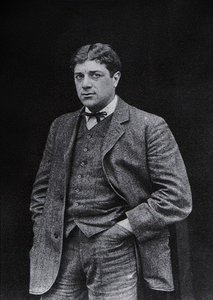
1882–1963, Francja
Georges Braque
Wczesne lata, rodzina i wykształcenie Georges Braque urodził się w 1882 roku w Argenteuil we Francji. Jego wczesne lata upłynęły w Le Havre, w domu, którego codzienność definiowały praktyczne aspekty dekoracji i koloru. Dorastając w rodzinie malarzy i dekoratorów domów, od najmłodszych lat był zanurzony w namacalnej rzeczywistości swojego rzemiosła. To wychowanie zapewniło mu fundament technicznego warsztatu, który w późniejszych latach nadał głębi jego podejściu do płótna.
Inne prace Georges Braque
 Mandolina1910
 Mężczyzna z gitarą1914
 Domki Przy Estace
 Harbor w Normandii1909
Eseje o The Round Table
 Mastering Cubism: The Top 25 Georges Braque ArtworksJourney through the revolutionary world of Georges Braque. Explore 25 iconic Cubist masterpieces, from geometric abstractions to timeless s…
 Dekonstrukcja Rzeczywistości: Rewolucyjny Wpływ Kubizmu na Sztukę XX WiekuOdkryj rewolucyjny wpływ kubizmu na sztukę XX wieku! Analiza dzieł Picassa i Braque’a, historia nurtu, techniki oraz dziedzictwo. Ekspercka…
 Understanding the Difference Between Analytical and Synthetic CubismMaster the differences between Analytical and Synthetic Cubism with our expert guide. Learn to identify these iconic art movements now.