Cubist Fauvism
tenora (Georges Braque)
Georges Braque (1882–1963) stworzył tenora. Należy do nurtu Cubist Fauvism. Wykonano w technice Mixed Media.
- Mixed Media

 Podgląd w skali 1:1

 Ręcznie malowany obraz olejny
 Wyślij jako kartkę
 Udostępnij
 Karta informacyjna


 Pobierz obraz
 Podobne obiekty
 RTG
 Pokaz slajdów
 Pytania i odpowiedzi

 Statystyki
tenora w skrócie
- Tytuł
- tenora
- Artysta
- Georges Braque (1882–1963)
- Miejsce urodzenia artysty
- Argenteuil, Francja
- Technika wykonania
- Mixed Media
- Ruch
- Cubist Fauvism
- Epoka
- Modern
- Temat
- painting, paper, frame, texture, composition, abstraction
Co przedstawia tenora?
A Symphony of Texture and Silence
In the quiet realm of Georges Braque’s "Tenora," we encounter a masterpiece that defies the immediate expectations of the eye. At first glance, the composition presents a deceptive simplicity, a monochrome meditation that seems to strip away the distractions of the physical world. Yet, beneath this austere surface lies a profound exploration of texture and presence. The work functions as a tactile landscape, where the absence of vibrant color allows the viewer to focus entirely on the rhythmic dance of light across heavy, sculptural brushstrokes. It is an invitation to slow down, to move past the superficial, and to engage with the very materiality of paint itself. For the discerning collector or interior designer, this piece offers a sophisticated anchor—a work of quiet intensity that commands attention through its subtle complexity rather than through loud, competing hues.
The technique employed in "Tenora" is nothing short of visceral. Braque utilizes a thick impasto, applying layers of pigment so substantial that they create palpable ridges and valleys upon the canvas. This method transforms the painting from a mere two-dimensional image into a three-dimensional object, where shadows are cast by the paint itself. This interplay of light and shadow is further heightened by the artist's mastery of grayscale, creating a range of tones that feel both weighty and ethereal. The surface becomes a topographical map of the artist's creative struggle, capturing the energy of every stroke and the deliberate placement of every layer. Such textural depth makes a high-quality reproduction particularly rewarding, as it allows the play of ambient light in a room to interact with the simulated relief of the brushwork.
The Echoes of Fauvism and the Birth of Modernity
To understand "Tenora," one must look back to the radical shifts occurring in the French avant-garde at the turn of the 20th century. While Braque would later become a titan of Cubism, this work resonates with the lingering spirit of Fauvism. During this era, artists sought to liberate color from its descriptive duties, using it instead as a direct conduit for emotion. In "Tenora," even within a restricted palette, we feel that same expressive rebellion. The painting does not seek to mirror a recognizable object with photographic accuracy; rather, it seeks to capture the essence of a moment. There is a historical weight to this piece, as it sits at the crossroads of tradition and revolution, embodying the transition from the atmospheric preoccupations of Impressionism to the structural, intellectual rigor of the modern age.
The title itself, referencing the tenora—a traditional Catalan woodwind instrument—adds a layer of haunting symbolism. Though the instrument may not be explicitly rendered in a naturalistic fashion, its presence is felt through the rhythmic, melodic quality of the composition. The painting becomes a visual music, where the thick strokes act as notes and the tonal shifts serve as crescendos and decrescendos. This connection to folk tradition and auditory sensation imbues the work with a soulful, human element that balances its intellectual complexity. For those looking to infuse a space with culture and depth, "Tenora" provides more than just decoration; it offers a window into a pivotal moment of human expression, making it an enduring choice for any curated collection.
Zdjęcia w wysokiej rozdzielczości dzieła tenora

Protected by copyright: these files are for personal reference, not a licence to republish.
Georges Braque, tenora.
Odpowiedzi na pytania dotyczące tenora
W jakiej technice wykonano „tenora” – Georges Braque?
Technika wykonania dzieła „tenora” – Georges Braque to Mixed Media. Reprodukcje mają na celu wierne oddanie wyglądu tej techniki.
Co przedstawia „tenora” – Georges Braque?
Tematyka obecna w „tenora” – Georges Braque obejmuje painting, paper, frame, texture, composition, abstraction, geometric. Razem stanowią one podsumowanie tematyki dzieła.
Czy „tenora” – Georges Braque znajduje się w domenie publicznej?
„tenora” – Georges Braque znajduje się w domenie publicznej (nadal objęte ochroną prawa autorskiego). Status ten określa zasady reprodukcji obrazu tego dzieła.
Któremu artyście przypisuje się "tenora"?
Autorem dzieła „tenora” jest Georges Braque. Praca ta figuruje w katalogu pod nazwiskiem Georges Braque.
Do jakiego nurtu artystycznego należy „tenora” – Georges Braque?
„tenora” – Georges Braque należy do nurtu Cubist Fauvism. Nurt ten stanowi stylistyczny kontekst dzieła.
Do którego etapu twórczości Georges Braque należy dzieło „tenora”?
"tenora" reprezentuje Mature Period twórczości Georges Braque.
Z czego wynika obecny status praw autorskich dzieła "tenora"?
Status praw autorskich do dzieła „tenora” – nadal objęte ochroną prawa autorskiego – wynika z faktu, że artysta zmarł w 1963.
Co łączy "tenora" z resztą twórczości Georges Braque?
W dorobku Georges Braque, "tenora" wpisuje się w styl Cubist Fauvism, nawiązując do tematów takich jak fauvist expressionism, formal experimentation, analytical cubism, avant-garde tradition, iconic representation.
Jakie miejsce zajmuje „tenora” wśród powracających motywów w twórczości Georges Braque?
„tenora” przedstawia painting, paper, frame, texture, composition, abstraction, geometric, podczas gdy powracające motywy u Georges Braque to fauvist expressionism, formal experimentation, analytical cubism, avant-garde tradition, iconic representation. Porównanie tych dwóch elementów ukazuje, jak dzieło nawiązuje do typowej dla tego artysty tematyki.
O artyście: Georges Braque
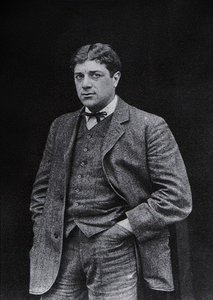
1882–1963, Francja
Georges Braque
Wczesne lata, rodzina i wykształcenie Georges Braque urodził się w 1882 roku w Argenteuil we Francji. Jego wczesne lata upłynęły w Le Havre, w domu, którego codzienność definiowały praktyczne aspekty dekoracji i koloru. Dorastając w rodzinie malarzy i dekoratorów domów, od najmłodszych lat był zanurzony w namacalnej rzeczywistości swojego rzemiosła. To wychowanie zapewniło mu fundament technicznego warsztatu, który w późniejszych latach nadał głębi jego podejściu do płótna.
Inne prace Georges Braque
 Mandolina1910
 Mężczyzna z gitarą1914
 Domki Przy Estace
 Harbor w Normandii1909
Eseje o tenora
 Quietude on Canvas: Examining Serenity in Classical LandscapesExplore how masters like Dürer and Corot capture profound stillness through landscape. Discover the art of visual tranquility today.
 Georges Braque: 25 Arcydzieł Kubizmu i Nowoczesnej Sztuki | OriginalUniqueArt.comOdkryj 25 arcydzieł Georges'a Braque – pioniera kubizmu i malarstwa nowoczesnego. Poznaj historię, techniki i inspiracje za jego najsłynnie…
 Georges Braque: The Architect of Form and the Soul of Cubist RevolutionExplore the profound legacy of Georges Braque, a master of Cubism. Discover how his technical craftsmanship and collaboration with Picasso …