Cubism
Fox (Georges Braque)
Georges Braque (1882–1963) stworzył Fox. Należy do nurtu Cubism. Wykonano w technice Etching.
- Etching

 Podgląd w skali 1:1

 Ręcznie malowany obraz olejny
 Wyślij jako kartkę
 Udostępnij
 Karta informacyjna


 Pobierz obraz
 Podobne obiekty
 RTG
 Pokaz slajdów
 Pytania i odpowiedzi

 Statystyki
Fox w pigułce
- Tytuł
- Fox
- Artysta
- Georges Braque (1882–1963)
- Miejsce urodzenia artysty
- Argenteuil, Francja
- Technika wykonania
- Etching
- Ruch
- Cubism
- Epoka
- Modern
- Temat
- abstract, geometric, monochrome, line art, composition, braque
Co przedstawia Fox?
The Essence of Geometric Fragmentation
In the quiet, monochromatic depths of Georges Braque’s Fox, we encounter a profound moment in the evolution of modern vision. Created in 1911 and published the following year, this exquisite etching serves as a masterclass in the radical language of Cubism. At first glance, the eye may search for the titular subject, yet Braque deliberately withholds the literal. Instead, he offers us a fragment of pure geometry—a meticulously structured dance of rectangles, triangles, and sweeping curves that seem to float within a shallow, textured space. This is not a depiction of an animal, but rather an exploration of how light, line, and form can exist independently of the physical world. For the discerning collector or interior designer, this piece offers a sophisticated focal point, bringing an intellectual depth and a sense of avant-garde history to any curated space.
The technique employed in Fox is as vital to its impact as the composition itself. As a monochrome etching, the work relies on the subtle interplay of ink and paper to create a palpable sense of materiality. The grainy, tactile texture inherent in the printing process lends the piece an organic soul, preventing the geometric shapes from feeling cold or clinical. Braque’s mastery of linework is evident in the varying weights of each stroke, which guide the viewer's gaze in an upward trajectory toward the upper right corner. This deliberate movement creates a dynamic tension, a rhythmic pulse that breathes life into the abstract arrangement. The layering of multiple plates allows for tonal variations that suggest depth without ever relying on traditional, illusionistic shading, making it a quintessential example of the transition from representational art to pure abstraction.
A Legacy of Innovation and Aesthetic Grace
To understand Fox is to understand the seismic shift in the artistic landscape of the early 20th century. Emerging from the vibrant, experimental atmosphere of Paris, Braque worked alongside Pablo Picasso to dismantle the traditional perspective that had dominated Western art since the Renaissance. This piece embodies the intellectual fervor of an era obsessed with new ways of perceiving reality through the lenses of optics and mathematics. By deconstructing objects into fragmented planes, Braque invites us to view the world not as a static image, but as a complex, multi-dimensional experience. There is a profound emotional resonance in this struggle—a sense of searching for truth within the chaos of modern life.
For those looking to integrate fine art into a contemporary interior, Fox provides an unparalleled sense of timelessness. Its neutral palette and structural elegance allow it to harmonize with both minimalist modernism and more eclectic, classical settings. It does not demand attention through loud color, but rather commands respect through its sophisticated composition and historical weight. Owning a high-quality reproduction of this masterpiece is more than an aesthetic choice; it is an invitation to contemplate the very foundations of modern thought and to surround oneself with the enduring beauty of geometric truth.
Zdjęcia w wysokiej rozdzielczości dzieła Fox

Chronione prawem autorskim: obraz przedstawiono wyłącznie w celach informacyjnych.
Inne rozmiary, kadrowanie i cytowanie →Georges Braque, Fox.
Odpowiedzi na pytania dotyczące Fox
W jakiej technice wykonano „Fox” – Georges Braque?
Technika wykonania dzieła „Fox” – Georges Braque to Etching. Reprodukcje mają na celu wierne oddanie wyglądu tej techniki.
Co przedstawia "Fox"?
„Fox” – Georges Braque przedstawia: abstract, geometric, monochrome, line art, composition, braque, printmaking, modernart.
Czy dzieło "Fox" znajduje się w domenie publicznej?
Status praw autorskich dla „Fox” – Georges Braque: dzieło znajduje się w nadal objęte ochroną prawa autorskiego. Określa to, czy reprodukcje obrazu mogą być sporządzane swobodnie.
Kto stworzył "Fox"?
„Fox” zostało stworzone przez Georges Braque. Informacje na tej stronie dotyczą oryginalnego dzieła autorstwa Georges Braque.
Do jakiego nurtu w sztuce należy „Fox” – Georges Braque?
„Fox” – Georges Braque należy do nurtu Cubism. Nurt ten stanowi stylistyczny kontekst dzieła.
Do którego okresu twórczości Georges Braque należy dzieło "Fox"?
W dorobku artystycznym Georges Braque dzieło „Fox” przypada na Mature Period. Ten etap pozwala zestawić je z innymi pracami twórcy.
Czy dzieło „Fox” autorstwa Georges Braque znajduje się w domenie publicznej i dlaczego?
„Fox” – Georges Braque jest nadal objęte ochroną prawa autorskiego. Okres ochrony praw autorskich liczony jest od śmierci artysty, która nastąpiła w 1963.
Jakie miejsce w dorobku twórczym Georges Braque zajmuje dzieło "Fox"?
"Fox" wpisuje się w nurt Cubism w twórczości Georges Braque, której charakterystyczne motywy obejmują geometric abstraction, constructivism, early printmaking, modernism, geometric forms, formal exploration, key cubist etching, exploring line & shape.
Czy "Fox" wpisuje się w typową tematykę twórczości Georges Braque?
Powracające motywy w twórczości Georges Braque obejmują geometric abstraction, constructivism, early printmaking, modernism, geometric forms, formal exploration, key cubist etching, exploring line & shape; „Fox” koncentruje się na abstract, geometric, monochrome, line art, composition, braque, printmaking, modernart.
O artyście: Georges Braque
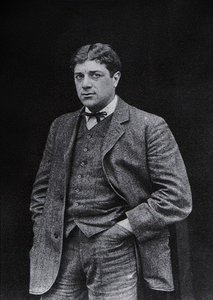
1882–1963, Francja
Georges Braque
Wczesne lata, rodzina i wykształcenie Georges Braque urodził się w 1882 roku w Argenteuil we Francji. Jego wczesne lata upłynęły w Le Havre, w domu, którego codzienność definiowały praktyczne aspekty dekoracji i koloru. Dorastając w rodzinie malarzy i dekoratorów domów, od najmłodszych lat był zanurzony w namacalnej rzeczywistości swojego rzemiosła. To wychowanie zapewniło mu fundament technicznego warsztatu, który w późniejszych latach nadał głębi jego podejściu do płótna.
Inne prace Georges Braque
 Mandolina1910
 Mężczyzna z gitarą1914
 Domki Przy Estace
 Harbor w Normandii1909
Eseje o Fox
 Georges Braque: The Architect of Form and the Soul of Cubist RevolutionExplore the profound legacy of Georges Braque, a master of Cubism. Discover how his technical craftsmanship and collaboration with Picasso …
 Mastering Cubism: The Top 25 Essential Georges Braque ArtworksJourney through the revolutionary world of Georges Braque. Explore 25 iconic Cubist masterpieces, from geometric abstractions to Fauvist co…
 From Cézanne to Cubism: The Revolutionary Evolution of Modern Art's Structural VisionExplore the profound transition from Cézanne’s structural Post-Impressionism to the revolutionary fractured forms of Cubism. A sophisticate…