

 Zobacz w skali 1:1
 Wyślij
 Udostępnij
 Szczegóły
 Przewodnik

 Pobierz plik obrazu
 Podobne obiekty
 RTG
RTG Pokaz slajdów
 Statystyki
The Picnic


 Czytaj więcej
Ręcznie malowana reprodukcja olejowa
Ręcznie malowany obraz olejny na płótnie, wykonany na zamówienie przez naszych artystów w wybranym przez Ciebie wymiarze i oprawie. ( Przełącz na wersję drukowaną Przełącz na wersję cyfrową)




P118B zł10

P118H zł10

P118W zł10

P438Z zł10

P508JH zł12

P508YH zł12

P805H zł10

P805Z zł10

P919BZ zł10

P919G zł10

P919XJ zł10

P959ZH zł10

P968JZ zł12

W106C zł8

W218G zł10

W218JH zł8

W218Y zł10

W307PJ zł10

W316G zł10

W316PJ zł8

W316Y zł10

W398PJ zł8

W4111J zł10

W500HY zł15

W500JH zł15

W692G zł12

W849H zł8

W940BG zł15

W953PJ zł8




Wybierz spośród naszych standardowych rozmiarów, które zachowują oryginalne proporcje dzieła sztuki.

Możesz wprowadzić własne wymiary, aby dopasować obraz do konkretnej ramy lub przestrzeni. Jeśli wybrany rozmiar nie będzie odpowiadał proporcjom oryginału, przytniecie dzieło sztuki lub rozszerzymy je o dodatkowe elementy, ręcznie domalowane przez artystę. Przed rozpoczęciem produkcji wyślemy projekt cyfrowy do Twojej akceptacji.
Należy pamiętać, że podgląd na ekranie nie odzwierciedla rzeczywistego przycinania ani rozszerzania obrazu. Tylko projekt dokładnie pokaże ostateczną kompozycję.
Choć oferujemy możliwość zamówienia niestandardowych rozmiarów, zalecamy wybór wymiaru z gotowej listy, aby zachować oryginalne proporcje dzieła.
Po złożeniu zamówienia zespół OriginalUniqueArt.com skontaktuje się z klientem drogą mailową w celu uzyskania instrukcji i prześle wizualizację projektu
Dostawa na całym świecie () w ciągu 3–4 tygodni zamiast standardowych 5 tygodni. (13 Październik). Bez kompromisów w kwestii jakości.

Bezpłatna ekspresowa wysyłka na cały świat

Wysokiej jakości płótno lniane

Pełne ubezpieczenie transportowe

Gwarancja zwrotu należności celnych i podatków importowych

Gwarancja idealnego odwzorowania barw

100-dniowy okres na zwrot dzieła w przypadku wykrycia wad produkcyjnych

Gwarancja 100% zwrotu pieniędzy

Oferta przy zakupie wielu sztuk
 Opcja ze szkłem jest dostępna wyłącznie w rozmiarach poniżej 110 cm

The Picnic
Technika wykonania
Rozmiar reprodukcji
-


Suma do zapłaty
zł 1119
A Symphony of Leisure: The Vibrant World of George Bellows
In the golden light of 1924, George Wesley Bellows captured more than just a landscape; he froze a heartbeat of American life in his masterpiece, "The Picnic." This evocative oil on canvas serves as a breathtaking window into the burgeoning leisure culture of the Jazz Age, offering a moment of serene yet dynamic joy. As the eye wanders across the shimmering lake and toward the majestic, distant mountains, one is immediately struck by the palpable energy radiating from the scene. It is an invitation to step into a world where the stresses of urban modernity fade, replaced by the simple, profound pleasure of a summer afternoon spent in the company of loved ones.
The composition is anchored by a central, graceful figure—a woman standing near the water's edge, delicately lifting her dress to protect it from the encroaching tide. This small, human gesture provides a focal point of intimacy amidst the expansive scenery. Around her, the shore teems with life; figures are scattered across the landscape, some engaged in quiet conversation and others lost in the beauty of the surroundings. Even the natural world participates in this lively tableau, with birds dancing through the air and perching upon sun-drenched rocks, creating a sense of a living, breathing ecosystem where every element is imbued with vitality.
The Mastery of Dynamic Realism
To behold "The Picnic" is to witness Bellows at the height of his dynamic realism. Moving away from the stiff, meticulous traditions of academic painting, Bellows utilized a flattened perspective and bold, thick brushstrokes to create an immersive sensory experience. His technique does not merely represent light; it mimics its movement. The way the sunlight dances upon the lake's surface is achieved through a masterful application of paint that gives the water a rhythmic, undulating quality. This physicality is a hallmark of Bellows’ style, likely influenced by his own background as an accomplished athlete.
The artist employs diagonal lines with expert precision, guiding the viewer’s gaze in a sweeping motion across the canvas. These lines do more than provide structure; they inject a sense of momentum into the landscape, ensuring that even the most tranquil parts of the painting feel charged with potential energy. For the collector or interior designer, this technique offers a unique advantage: the painting possesses an inherent movement that can breathe life into a room, acting as a focal point that commands attention without overwhelming the space.
A Timeless Reflection of the American Spirit
Beyond its aesthetic brilliance, "The Picnic" carries deep historical resonance. Painted during a period of unprecedented social mobility in the United States, the work reflects the rise of the middle class and their newfound access to recreational escapes. It captures the essence of an era transitioning from the grit of the industrial age toward a more celebratory, outward-looking society. There is a subtle social commentary woven into the brushwork—a celebration of the democratization of beauty and the shared human experience of nature.
For those seeking to adorn their homes with art that inspires, this reproduction offers much more than decoration. It provides an emotional sanctuary. The painting evokes feelings of nostalgia, warmth, and a deep-seated longing for connection with the natural world. Whether placed in a sunlit living area or a sophisticated study, "The Picnic" serves as a constant reminder of life's most beautiful, unhurried moments, making it an exquisite choice for anyone looking to infuse their environment with elegance, history, and soul.
Pytania i odpowiedzi
Do czego sugerowane jest wykorzystanie „The Picnic” autorstwa George Wesley Bellows?
Sugerowanym zastosowaniem dla „The Picnic” autorstwa George Wesley Bellows jest Accent. Może on jednak służyć również do innych celów.
Z jakiego kraju pochodzi dzieło Contemporary Realism pt. "The Picnic"?
Dzieło z nurtu Contemporary Realism, zatytułowane "The Picnic", zostało stworzone przez artystę urodzonego w Stany Zjednoczone.
Jakie emocje przekazuje dzieło "The Picnic" należące do nurtu Contemporary Realism?
W ramach nurtu Contemporary Realism, dzieło „The Picnic” zostało utrwalone w Nostalgic tonie.
Do którego okresu twórczości George Wesley Bellows należy dzieło "The Picnic"?
"The Picnic" reprezentuje Mature Period twórczości George Wesley Bellows.
Gdzie mogę kupić ręcznie malowaną reprodukcję dzieła „The Picnic” autorstwa George Wesley Bellows?
Ręcznie malowane reprodukcje dzieła „The Picnic” autorstwa George Wesley Bellows można nabyć na stronie ta strona: ręcznie malowana reprodukcja olejowa na płótnie lnianym, zamawiając je poprzez ta strona.
Czy kolory w „The Picnic” autorstwa George Wesley Bellows są nasycone czy stonowane?
Paleta dzieła "The Picnic" charakteryzuje się Balanced Soft nasyceniem kolorów.
Kiedy powstało i w jakim stylu utrzymane jest dzieło „The Picnic” autorstwa George Wesley Bellows?
„The Picnic” autorstwa George Wesley Bellows pochodzi z 1924 roku i należy do nurtu Contemporary Realism.
Do którego etapu kariery George Wesley Bellows należy dzieło „The Picnic” (1924)?
Data 1924 sytuuje "The Picnic" w Mature Period rozwoju twórczości George Wesley Bellows.
Biografia artysty
A Bold Vision of American Life: The World of George Bellows
George Wesley Bellows, a name synonymous with the raw energy and burgeoning modernity of early 20th-century America, emerged as a pivotal figure in realist painting. Born in Columbus, Ohio, on August 12 or 19, 1882, his journey from athletic promise to artistic renown is a testament to the power of passion and unwavering dedication. Even before formal schooling, young George displayed an innate talent for drawing, filling notebooks with sketches that hinted at the observant eye and burgeoning skill within. His upbringing wasn’t solely focused on art; he excelled in sports, playing both baseball and basketball at Ohio State University – a duality that would profoundly influence his artistic perspective, imbuing his work with a sense of dynamic movement and physicality. This athletic background instilled in him not only discipline but also an appreciation for the human form in action, a theme that would become central to his most celebrated paintings. He left university just before graduating, driven by an irresistible pull towards New York City and the promise of artistic training.Forging a Path: The Ashcan School and Beyond
Arriving in New York in 1904, Bellows quickly found mentorship under Robert Henri, a leading figure of the Ashcan School. This group of artists – including John Sloan, William Glackens, and George Luks – deliberately turned away from academic conventions, choosing instead to depict the gritty realities of urban life: crowded tenements, bustling streets, and the everyday struggles of working-class Americans. Bellows embraced this ethos wholeheartedly, initially mirroring Henri’s loose brushwork and commitment to social realism. However, he wasn't content merely to replicate his teacher’s style; he possessed an ambition to forge his own distinct artistic voice. He established a studio with fellow artist Edward Keefe in 1906, marking the beginning of a prolific period of experimentation and growth. His early works, like those exhibited in 1908, were met with mixed reactions – some critics found them crude, while others recognized their audacious boldness and innovative spirit. Bellows’s subject matter was often controversial for its time, challenging prevailing notions of what constituted “acceptable” art. He didn't shy away from portraying the less glamorous aspects of city life, capturing scenes of poverty, labor, and leisure with unflinching honesty.The Arena of Life: Boxing and Urban Spectacle
While Bellows’s oeuvre encompassed a wide range of subjects – portraits, landscapes, seascapes – he is perhaps best known for his powerful depictions of boxing matches. These weren't merely sporting events to him; they were microcosms of human drama, embodying themes of struggle, resilience, and the primal instincts that drive competition. He frequented smoky boxing clubs, meticulously studying the movements of fighters, the intensity of their gaze, and the raw energy of the crowd. Paintings like *Both Members of This Club* (1909) and *Stag at Sharkey’s* (1909) are masterful examples of his ability to capture this atmosphere, utilizing dramatic lighting, dynamic compositions, and a palpable sense of tension. The boxing scenes weren't simply about the sport itself; they were metaphors for life’s battles, reflecting the social Darwinism prevalent in American society at the time. Beyond boxing, Bellows also found inspiration in other spectacles of urban life – parades, circuses, and crowded streets – all offering opportunities to explore themes of movement, energy, and the collective experience.Evolving Style and Lasting Legacy
As Bellows matured as an artist, his style underwent a subtle but significant evolution. While he retained his commitment to realism, he began to move away from the loose brushwork of his early years, adopting a more stylized aesthetic characterized by smooth curves, monumental forms, and a heightened sense of drama. This shift is evident in later works like *Dempsey and Firpo* (1924), a monumental canvas capturing the climactic moment of a legendary boxing match with breathtaking intensity. He also experimented with lithography, producing a series of striking prints that showcased his mastery of line and tone. Despite achieving considerable success during his lifetime – including election to the National Academy of Design in 1913 – Bellows remained committed to pushing artistic boundaries and challenging conventional norms. His untimely death in 1925 at the age of 42 cut short a promising career, but his legacy endures as one of America’s most important realist painters. *He left behind a body of work that continues to resonate with audiences today*, offering a powerful and unflinching portrait of American life in the early 20th century – a world brimming with energy, conflict, and the enduring spirit of humanity. His influence can be seen in subsequent generations of artists who sought to capture the dynamism and complexity of modern urban experience.Major Works & Recognition
- *Both Members of This Club* (1909) – A seminal work capturing the atmosphere of a boxing club.
- *Stag at Sharkey’s* (1909) – Another iconic depiction of a boxing match, renowned for its dramatic lighting and composition.
- *Men of the Docks* (1912) – A powerful portrayal of working-class laborers, showcasing Bellows's skill in capturing physicality and texture.
- *The Germans Arrive* (1918) – A series of lithographs depicting the atrocities committed during World War I, demonstrating his engagement with social and political issues.
- *Dempsey and Firpo* (1924) – A monumental canvas capturing a pivotal moment in boxing history, showcasing Bellows’s evolved style and mastery of composition.
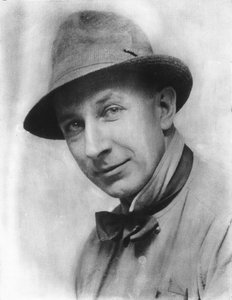
George Wesley Bellows
1882 - 1925 , Stany Zjednoczone
Najważniejsze informacje
- Artistic Movement Or Style: Realizm, Ashcan School
- Artists Or Movements Influenced By This Artist: ['Ashcan School']
- Artists Who Influenced This Artist: ['Robert Henri']
- Date Of Birth: 1882
- Date Of Death: 1925
- Full Name: George Wesley Bellows
- Nationality: Amerykański
- Notable Artworks:
- Both Members
- Stag at Shark
- Men of the Docks
- Place Of Birth: Columbus, USA
Zobacz także powiązane artykuły

OriginalUniqueArt.com F.A.Q.: Elevate Your Decor with Premium Textured Giclée Prints
Discover the distinction of OriginalUniqueArt.com premium textured Giclée prints. Expertly crafted with archival 12-color pigments and museum-grade substrates, our prints offer unparalleled vividness for the discerning collector seeking luxury, durability, and timeless elegance.
