() ·

A painting made for you, by hand

The Germans Arrive

Ręcznie malowana reprodukcja olejowa

Ręcznie malowany obraz olejny na płótnie, wykonany na zamówienie przez naszych artystów w wybranym przez Ciebie wymiarze i oprawie. ( Przełącz na wydania drukowane Przejdź do wersji cyfrowej)

Opis obiektu

Bellows' 'The Germans Arrive' (1918) powerfully depicts WWI’s brutality, capturing a chaotic battlefield scene with intense realism and social commentary. Explore this iconic work by George Bellows.

Biografia artysty

George Bellows – wybitny malarz amerykański, znany z realistycznych obrazów życia miejskiego i dynamicznych scen bokserskich. Jego twórczość odzwierciedla energię i surowość początku XX wieku.

from ·

Chapter 1

How large should it be?

Slide to change the size; the picture on the left shows the frame at its real width. The proportions of the original are kept.

Standardowy format
personalizowane
CM
INCH

Wybierz spośród naszych standardowych rozmiarów, które zachowują oryginalne proporcje dzieła sztuki.

szerokość
wysokość

Wpisz wymaganą szerokość i wysokość, aby obraz pasował do Twojej ramy lub ściany. Ponieważ jest to dzieło malowane ręcznie, w przypadku rozmiaru o innych proporcjach artysta może domalować nieco więcej wokół obrazu lub przyciąć jego fragmenty — wybór należy do Ciebie. Przed rozpoczęciem pracy prześlemy Ci cyfrową wizualizację do zatwierdzenia. Obraz widoczny na tej stronie nie przedstawia rzeczywistego efektu — jedynie wizualizacja oddaje realny rezultat.

Chapter 2

How should it arrive?

Choose the edges of the stretched canvas

Choose your frame

Corner sample of the WhiteWrap canvas edge finish, stretched on lite drewno bars
White zł1
Corner sample of the BlurSideWrap canvas edge finish, stretched on lite drewno bars
Blurside zł1
Corner sample of the ExtendedWrap canvas edge finish, stretched on lite drewno bars
Extended zł1
Corner sample of the P118B picture frame: polistyren formowany, 5 cm wide and 3 cm thick
P118B zł10
Corner sample of the P118H picture frame: polistyren formowany, 5 cm wide and 3 cm thick
P118H zł10
Corner sample of the P118W picture frame: polistyren formowany, 5 cm wide and 3 cm thick
P118W zł10
Corner sample of the P438Z picture frame: polistyren formowany, 5.5 cm wide and 3.5 cm thick
P438Z zł10
Corner sample of the P508JH picture frame: polistyren formowany, 7 cm wide and 3.5 cm thick
P508JH zł12
Corner sample of the P508YH picture frame: polistyren formowany, 7 cm wide and 3.5 cm thick
P508YH zł12
Corner sample of the P805H picture frame: polistyren formowany, 5 cm wide and 3.5 cm thick
P805H zł10
Corner sample of the P805Z picture frame: polistyren formowany, 5 cm wide and 3.5 cm thick
P805Z zł10
Corner sample of the P919BZ picture frame: polistyren formowany, 7 cm wide and 3.5 cm thick
P919BZ zł10
Corner sample of the P919G picture frame: polistyren formowany, 7 cm wide and 3.5 cm thick
P919G zł10
Corner sample of the P919XJ picture frame: polistyren formowany, 7 cm wide and 3.5 cm thick
P919XJ zł10
Corner sample of the P959ZH picture frame: polistyren formowany, 5 cm wide and 3 cm thick
P959ZH zł10
Corner sample of the P968JZ picture frame: polistyren formowany, 6 cm wide and 4 cm thick
P968JZ zł12
Corner sample of the W106C picture frame: lite drewno, 5 cm wide and 3 cm thick
W106C zł8
Corner sample of the W218G picture frame: lite drewno, 5 cm wide and 3 cm thick
W218G zł10
Corner sample of the W218JH picture frame: lite drewno, 5 cm wide and 3 cm thick
W218JH zł8
Corner sample of the W218Y picture frame: lite drewno, 5 cm wide and 3 cm thick
W218Y zł10
Corner sample of the W307PJ picture frame: lite drewno, 6 cm wide and 3 cm thick
W307PJ zł10
Corner sample of the W316G picture frame: lite drewno, 6 cm wide and 3 cm thick
W316G zł10
Corner sample of the W316PJ picture frame: lite drewno, 6 cm wide and 3 cm thick
W316PJ zł8
Corner sample of the W316Y picture frame: lite drewno, 6 cm wide and 3 cm thick
W316Y zł10
Corner sample of the W398PJ picture frame: lite drewno, 5 cm wide and 3 cm thick
W398PJ zł8
Corner sample of the W4111J picture frame: lite drewno, 6.5 cm wide and 3.5 cm thick
W4111J zł10
Corner sample of the W500HY picture frame: lite drewno, 7 cm wide and 5 cm thick
W500HY zł15
Corner sample of the W500JH picture frame: lite drewno, 7 cm wide and 5 cm thick
W500JH zł15
Corner sample of the W692G picture frame: lite drewno, 8 cm wide and 4 cm thick
W692G zł12
Corner sample of the W849H picture frame: lite drewno, 5 cm wide and 3 cm thick
W849H zł8
Corner sample of the W940BG picture frame: lite drewno, 7.5 cm wide and 4.5 cm thick
W940BG zł15
Corner sample of the W953PJ picture frame: lite drewno, 6 cm wide and 3.5 cm thick
W953PJ zł8
Corner sample of the H24-GOLD picture frame: rzeźbione drewno pokryte gipsem, 10 cm wide and 6 cm thick
H24-GOLD zł30
Corner sample of the H24-SILVER picture frame: rzeźbione drewno pokryte gipsem, 10 cm wide and 6 cm thick
H24-SILVER zł30
Corner sample of the H36-GOLD picture frame: rzeźbione drewno pokryte gipsem, 15 cm wide and 6.5 cm thick
H36-GOLD zł45
Corner sample of the H36-SILVER picture frame: rzeźbione drewno pokryte gipsem, 15 cm wide and 6.5 cm thick
H36-SILVER zł45

Moulding: . Overall size with the frame: .

Chapter 3

Who paints it, and should anything change?

Examples of what can be changed: Replace face with customer photo; Add pet (e.g., replace cat with dog); Include hidden message in background; Change background landscape or elements.
After order, OriginalUniqueArt.com team will email client for instructions and provide a mockup preview

Dostawa na całym świecie () w ciągu 3–4 tygodni zamiast standardowych 5 tygodni. (2 Listopad). Bez kompromisów w kwestii jakości.

Chapter 4

The finishing touches

A nameplate, as in a museum?

Szczegóły grawerowanej brązowej tabliczki

This elegant plaque features the artist's name and the title of the artwork, finely engraved for a timeless presentation.

It is made from bronze with a refined, elegant finish. The text is precisely laser-engraved for a sharp and permanent result. Measuring 9x2 cm, the plaque is compact yet easy to read. It's built to be durable and scratch-resistant, offering a professional, museum-quality look. Mounting is simple thanks to the included adhesive backing.

Szczegóły przezroczystej tabliczki akrylowej

The plaque includes essential engraved details such as the artist's name, the title of the artwork, the date it was created, the type of media used-like oil on canvas or watercolor-a brief description of the piece, and a QR code that links to the complete artwork information.

It is crafted from clear acrylic, offering a sleek, modern appearance. The text is UV-engraved in black to ensure strong visual contrast. With a size of 10x15 cm, it ensures optimal readability. It comes equipped with two metal hooks for secure wall mounting. The plaque is designed to be weather-resistant, making it suitable for various environments, and it includes interactive features that work seamlessly with smartphone scanning.

Szczegóły czarnej tabliczki akrylowej

This elegant plaque includes engraved information such as the artist's name, the title of the artwork, the date it was created, the type of media used (like oil on canvas or watercolor), a short description of the artwork, and a QR code for quick access to more information.

The plaque itself is made from refined black acrylic with a premium finish. The text is laser-engraved in white for high contrast and readability. Its size is 10x15 cm, designed to be easy to read. It comes with two metal hooks for professional mounting. The design is sleek and fits any interior style. It is also weather-resistant and durable, with built-in digital integration for mobile compatibility.

A protective varnish?

When do you need it?

Chapter 5

Your painting, as you ordered it

The Germans Arrive

Technika reprodukcji

Wymiary reprodukcji

-

Wybitny mistrz artystyczny

Większa szczegółowość, finezja i dodatkowy czas na realizację

-

Opcje oprawy reprodukcji

-

-

W przypadku dzieł sztuki lub reprodukcji, których którykolwiek z boków przekracza 105 cm (około 41 cali), rama zostanie wysłana w formie zestawu do samodzielnego montażu. Metoda ta zapewnia bezpieczną dostawę i zapobiega uszkodzeniom podczas transportu.

Wymagany profesjonalny montaż – nie jest to produkt typu DIY.
Zestaw musi zostać złożony, a płótno naciągnięte przez doświadczonego profesjonalnego ramiarza, przy użyciu kleju do drewna (brak w zestawie), kleszczy do naciągania płótna oraz ścisków, które utrzymają krosna w równej pozycji podczas schnięcia kleju. Nieprawidłowy montaż lub nierównomierne napięcie płótna może trwale uszkodzić dzieło sztuki i nie podlega naszej gwarancji.

  • W zestawie znajdują się wszystkie listwy z litego drewna, precyzyjnie docięte do wymiarów.

  • Montaż odbywa się przy użyciu dołączonych wkrętów oraz kleju do drewna do łączenia narożników, którego zestaw nie zawiera i który musi zostać dostarczony przez ramiarza.

  • Wymagane są profesjonalne narzędzia, których nie ma w zestawie: kleszcze do naciągania płótna (napinacz) oraz zaciski, które pozwolą utrzymać listwy w równej pozycji podczas schnięcia kleju.

Ważne:
Do połączenia narożników niezbędny jest klej do drewna, listwy należy unieruchomić za pomocą ścisków do momentu całkowitego wyschnięcia kleju, a naciągnięcie płótna na złożoną ramę wymaga użycia kleszczy do naciągania płótna. Żaden z tych elementów nie jest dołączony do zestawu. Przed zamówieniem tego rozmiaru zalecamy konsultację z doświadczonym ramiarzem.

Etykieta obiektu

-

-

Lakier ochronny

Lakier z połyskiem (pogłębia kolory, chroni przed światłem i wilgocią)

-

Personalizacja dzieła

Przykłady możliwości personalizacji: zastąp twarz zdjęciem klienta; dodaj zwierzę domowe (np. zamień kota na psa); umieść ukrytą wiadomość w tle; zmień krajobraz lub elementy tła.

-

Ekspresowa

Dostawa na cały świat () w ciągu 3–4 tygodni zamiast standardowych 5 tygodni. (2 Listopad). Bez kompromisów w kwestii jakości.

-

Przesyłka ekspresowa

Dostawa na cały świat () w ciągu 5 tygodni. (9 Listopad).

W cenie

Cena całkowita

zł 1168

Suma całkowita zł 1168

Opcja ze szkłem jest dostępna wyłącznie w rozmiarach poniżej 110 cm

Included with every order

  • Bezpłatna ekspresowa wysyłka na cały świat
  • Wysokiej jakości płótno lniane
  • Pełne ubezpieczenie przesyłki
  • Gwarancja zwrotu należności celnych i podatków importowych
  • Gwarancja wiernego odwzorowania kolorów
  • 100-dniowa polityka zwrotów (tylko w przypadku wad)
  • Gwarancja 100% zwrotu pieniędzy
  • Zniżka przy zakupie wielu sztuk

The Raw Edge of War: Bellows’ “The Germans Arrive”

George Wesley Bellows' "The Germans Arrive," painted in 1918, isn’t merely a depiction of a battlefield; it’s a visceral plunge into the heart of World War I’s brutal reality. Captured during a period of immense national upheaval and fueled by the anxieties of a rapidly changing world, the painting confronts viewers with an unsettling honesty rarely found in historical art. Bellows, already a rising star within the Ashcan School movement – known for its unflinching portrayal of urban life – here shifts his focus to the horrors unfolding on European fronts. The scene is chaotic and claustrophobic, dominated by a tangle of bodies locked in a desperate struggle. It’s not a heroic narrative of valor or patriotic fervor; instead, it's a stark tableau of violence, exhaustion, and the utter dehumanization inherent in war. Bellows masterfully utilizes a limited palette of earthy browns, grays, and muddy greens to evoke the grime and despair of the trenches – a deliberate choice that underscores the painting’s grim subject matter. The composition itself is deliberately unsettling, with figures collapsing upon one another, creating a sense of overwhelming density and inescapable conflict.

A Study in Dynamic Realism: Bellows' Technique

Bellows’ distinctive style shines through in “The Germans Arrive” – a potent blend of realism and dynamic energy. He eschews idealized forms or romanticized depictions of combat, opting instead for a brutally honest portrayal of the soldiers involved. The figures are rendered with a remarkable attention to detail, capturing not just their physical appearance but also the strain etched on their faces and the desperate tension in their postures. His brushwork is loose and expressive, characterized by bold, visible strokes that convey movement and immediacy. Notice how he uses short, choppy lines to depict the frantic action of the fighting, contrasting sharply with the smoother, more controlled application of paint used for the background elements. This technique creates a powerful sense of visual rhythm, pulling the viewer directly into the heart of the conflict. Bellows’ use of light and shadow is equally effective, highlighting key figures and emphasizing the overall atmosphere of darkness and uncertainty. The painting's almost frenetic energy reflects Bellows' own fascination with movement – an influence undoubtedly stemming from his background as a competitive athlete.

Contextualizing Conflict: The Shadow of the Great War

“The Germans Arrive” must be understood within the context of World War I, a conflict that fundamentally reshaped Europe and left an indelible mark on the 20th century. The painting emerged during a period of intense nationalistic fervor and widespread propaganda, yet Bellows resists simplistic narratives of good versus evil. He presents a fragmented, ambiguous scene – a collection of anonymous soldiers locked in a desperate struggle with no clear victor or vanquished. The inclusion of figures from multiple nationalities within the melee underscores the universal nature of war’s devastation. Furthermore, the painting reflects the growing disillusionment felt by many artists and intellectuals following the war's end. Bellows’ unflinching portrayal of violence challenged conventional notions of heroism and exposed the dark underbelly of modern warfare. The reference to the Volga Germans, a significant minority group within Russia who were forcibly relocated during the conflict, adds another layer of complexity to the painting’s narrative – highlighting the displacement and suffering experienced by countless individuals as a result of the war.

Symbolism and Emotional Resonance: A Portrait of Despair

Beyond its immediate depiction of combat, “The Germans Arrive” is laden with symbolic meaning. The tangled bodies represent not just physical wounds but also the shattered lives and broken dreams of those caught in the crossfire. The muddy ground beneath them symbolizes the moral decay and spiritual emptiness that war engenders. Even the seemingly random arrangement of figures suggests a deeper, more unsettling truth – that war is ultimately an irrational and senseless act of destruction. The painting evokes a profound sense of despair and hopelessness, yet it also possesses a strange beauty in its raw honesty. It’s a testament to Bellows' ability to capture not just the outward appearance of violence but also the underlying emotional turmoil it creates. The viewer is left with a lingering feeling of unease – a reminder of the human cost of conflict and the enduring legacy of war. This reproduction offers a powerful window into this pivotal moment in history, inviting contemplation on themes of loss, resilience, and the dark side of humanity.

Pytania i odpowiedzi

Jaki nastrój i emocje łączą się w "The Germans Arrive"?

„The Germans Arrive” – George Wesley Bellows emanuje Somber emocjami, wpisując się w ogólnie Dramatic nastrój.

Skąd pochodzą odwiedzający „The Germans Arrive” – George Wesley Bellows?

Dla dzieła „The Germans Arrive” dostępna jest strona Statystyki wyświetleń. Przedstawia ona miesięczną liczbę odwiedzin tego dzieła oraz innych prac artysty, z podziałem na kraje i języki.

Jaki dominujący odcień przenika „The Germans Arrive” – George Wesley Bellows?

Dominującym odcieniem dzieła „The Germans Arrive” – George Wesley Bellows jest Green to Violet Spectrum. Odcień ten stanowi bazową tonację palety barw.

More about this painting

Podgląd w skali 1:1 Podgląd AR Przełącz na wydania drukowane Przejdź do wersji cyfrowej Wyślij jako kartkę
Szczegóły dzieła Przewodnik Dodaj do ulubionych Pobierz obraz Podobne obiekty RTG Pokaz slajdów Q&A Statystyki

In numbers

  • 1918the year it was painted
  • 29frames to choose from
  • standard sizes, in its own proportions
  • 5weeks to paint and deliver it
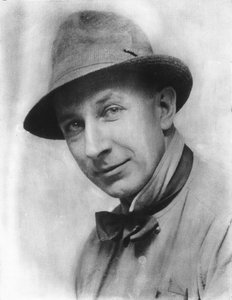
George Wesley Bellows

George Wesley Bellows

1882 - 1925, Stany Zjednoczone

Quick facts about George Wesley Bellows

  • Artistic Movement Or Style: Realizm, Ashcan School
  • Artists Or Movements Influenced By This Artist: ['Ashcan School']
  • Artists Who Influenced This Artist: ['Robert Henri']
  • Date Of Birth: 1882
  • Date Of Death: 1925
  • Full Name: George Wesley Bellows
  • Nationality: Amerykański
  • Notable Artworks:
    • Both Members
    • Stag at Shark
    • Men of the Docks
  • Place Of Birth: Columbus, USA

Biografia artysty

A Bold Vision of American Life: The World of George Bellows

George Wesley Bellows, a name synonymous with the raw energy and burgeoning modernity of early 20th-century America, emerged as a pivotal figure in realist painting. Born in Columbus, Ohio, on August 12 or 19, 1882, his journey from athletic promise to artistic renown is a testament to the power of passion and unwavering dedication. Even before formal schooling, young George displayed an innate talent for drawing, filling notebooks with sketches that hinted at the observant eye and burgeoning skill within. His upbringing wasn’t solely focused on art; he excelled in sports, playing both baseball and basketball at Ohio State University – a duality that would profoundly influence his artistic perspective, imbuing his work with a sense of dynamic movement and physicality. This athletic background instilled in him not only discipline but also an appreciation for the human form in action, a theme that would become central to his most celebrated paintings. He left university just before graduating, driven by an irresistible pull towards New York City and the promise of artistic training.

Forging a Path: The Ashcan School and Beyond

Arriving in New York in 1904, Bellows quickly found mentorship under Robert Henri, a leading figure of the Ashcan School. This group of artists – including John Sloan, William Glackens, and George Luks – deliberately turned away from academic conventions, choosing instead to depict the gritty realities of urban life: crowded tenements, bustling streets, and the everyday struggles of working-class Americans. Bellows embraced this ethos wholeheartedly, initially mirroring Henri’s loose brushwork and commitment to social realism. However, he wasn't content merely to replicate his teacher’s style; he possessed an ambition to forge his own distinct artistic voice. He established a studio with fellow artist Edward Keefe in 1906, marking the beginning of a prolific period of experimentation and growth. His early works, like those exhibited in 1908, were met with mixed reactions – some critics found them crude, while others recognized their audacious boldness and innovative spirit. Bellows’s subject matter was often controversial for its time, challenging prevailing notions of what constituted “acceptable” art. He didn't shy away from portraying the less glamorous aspects of city life, capturing scenes of poverty, labor, and leisure with unflinching honesty.

The Arena of Life: Boxing and Urban Spectacle

While Bellows’s oeuvre encompassed a wide range of subjects – portraits, landscapes, seascapes – he is perhaps best known for his powerful depictions of boxing matches. These weren't merely sporting events to him; they were microcosms of human drama, embodying themes of struggle, resilience, and the primal instincts that drive competition. He frequented smoky boxing clubs, meticulously studying the movements of fighters, the intensity of their gaze, and the raw energy of the crowd. Paintings like *Both Members of This Club* (1909) and *Stag at Sharkey’s* (1909) are masterful examples of his ability to capture this atmosphere, utilizing dramatic lighting, dynamic compositions, and a palpable sense of tension. The boxing scenes weren't simply about the sport itself; they were metaphors for life’s battles, reflecting the social Darwinism prevalent in American society at the time. Beyond boxing, Bellows also found inspiration in other spectacles of urban life – parades, circuses, and crowded streets – all offering opportunities to explore themes of movement, energy, and the collective experience.

Evolving Style and Lasting Legacy

As Bellows matured as an artist, his style underwent a subtle but significant evolution. While he retained his commitment to realism, he began to move away from the loose brushwork of his early years, adopting a more stylized aesthetic characterized by smooth curves, monumental forms, and a heightened sense of drama. This shift is evident in later works like *Dempsey and Firpo* (1924), a monumental canvas capturing the climactic moment of a legendary boxing match with breathtaking intensity. He also experimented with lithography, producing a series of striking prints that showcased his mastery of line and tone. Despite achieving considerable success during his lifetime – including election to the National Academy of Design in 1913 – Bellows remained committed to pushing artistic boundaries and challenging conventional norms. His untimely death in 1925 at the age of 42 cut short a promising career, but his legacy endures as one of America’s most important realist painters. *He left behind a body of work that continues to resonate with audiences today*, offering a powerful and unflinching portrait of American life in the early 20th century – a world brimming with energy, conflict, and the enduring spirit of humanity. His influence can be seen in subsequent generations of artists who sought to capture the dynamism and complexity of modern urban experience.

Major Works & Recognition

  • *Both Members of This Club* (1909) – A seminal work capturing the atmosphere of a boxing club.
  • *Stag at Sharkey’s* (1909) – Another iconic depiction of a boxing match, renowned for its dramatic lighting and composition.
  • *Men of the Docks* (1912) – A powerful portrayal of working-class laborers, showcasing Bellows's skill in capturing physicality and texture.
  • *The Germans Arrive* (1918) – A series of lithographs depicting the atrocities committed during World War I, demonstrating his engagement with social and political issues.
  • *Dempsey and Firpo* (1924) – A monumental canvas capturing a pivotal moment in boxing history, showcasing Bellows’s evolved style and mastery of composition.
Bellows's work is held in major museum collections across the United States, including The Museum of Modern Art (New York), the National Gallery of Art (Washington D.C.), the Smithsonian American Art Museum, and the Whitney Museum of American Art. His paintings continue to be exhibited and studied by art historians and enthusiasts alike, solidifying his place as a cornerstone of American artistic heritage.

Najważniejsze informacje

  • Notable elements: WWI battlefield scene
  • Year: 1918
  • Title: The Germans Arrive
  • Medium: Oil on Canvas
  • Location: Art Institute of Chicago

Quiz o sztuce

Do każdego pytania dotyczy tylko jedna poprawna odpowiedź.

Pytanie 1:
What is the primary subject depicted in ‘The Germans Arrive’?
Pytanie 2:
Which artistic movement is George Bellows most associated with?
Pytanie 3:
In what year was ‘The Germans Arrive’ painted by George Bellows?
Pytanie 4:
The painting ‘The Germans Arrive’ reflects which historical event?
Pytanie 5:
What is a key characteristic of Bellows’ style evident in ‘The Germans Arrive’?
Odkryj dzieła sztuki uporządkowane według tematów, stylów i cech charakterystycznych.