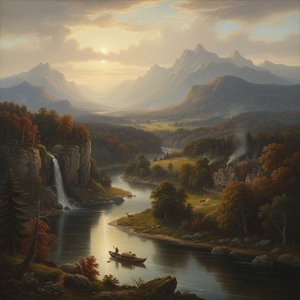
Golf Course - California
Ręcznie malowana reprodukcja olejowa
Ręcznie malowany obraz olejny na płótnie, wykonany na zamówienie przez naszych artystów w wybranym przez Ciebie wymiarze i oprawie. ( Zamów wydruk
Kup obraz wysokiej rozdzielczości)
P118B $10
P118H $10
P118W $10
P438Z $10
P508JH $12
P508YH $12
P805H $10
P805Z $10
P919BZ $10
P919G $10
P919XJ $10
P959ZH $10
P968JZ $12
W106C $8
W218G $10
W218JH $8
W218Y $10
W307PJ $10
W316G $10
W316PJ $8
W316Y $10
W398PJ $8
W4111J $10
W500HY $15
W500JH $15
W692G $12
W849H $8
W940BG $15
W953PJ $8
Wybierz spośród naszych standardowych rozmiarów, które zachowują oryginalne proporcje dzieła sztuki.
Możesz wprowadzić własne wymiary, aby dopasować obraz do konkretnej ramy lub przestrzeni. Jeśli wybrany rozmiar nie będzie odpowiadał proporcjom oryginału, przytniecie dzieło sztuki lub rozszerzymy je o dodatkowe elementy, ręcznie domalowane przez artystę. Przed rozpoczęciem produkcji wyślemy projekt cyfrowy do Twojej akceptacji.
Należy pamiętać, że podgląd na ekranie nie odzwierciedla rzeczywistego przycinania ani rozszerzania obrazu. Tylko projekt dokładnie pokaże ostateczną kompozycję.
Choć oferujemy możliwość zamówienia niestandardowych rozmiarów, zalecamy wybór wymiaru z gotowej listy, aby zachować oryginalne proporcje dzieła.
Po złożeniu zamówienia zespół OriginalUniqueArt.com skontaktuje się z klientem drogą mailową w celu uzyskania instrukcji i prześle wizualizację projektu
Dostawa na całym świecie () w ciągu 3–4 tygodni zamiast standardowych 5 tygodni. (18 Sierpień). Bez kompromisów w kwestii jakości.
Bezpłatna ekspresowa wysyłka na cały świat
Wysokiej jakości płótno lniane
Pełne ubezpieczenie przesyłki
Gwarancja zwrotu należności celnych i podatków importowych
Gwarancja wiernego odwzorowania kolorów
Polityka 60-dniowego zwrotu (tylko w przypadku wad)
Gwarancja 100% zwrotu kosztów
Zniżka przy zamówieniu wielu produktów
Golf Course - California
Technika reprodukcji
Wymiary reprodukcji
-
Cena całkowita
$ 300
Opis dzieła
A Californian Dream Captured in Oil
George Wesley Bellows’ "Golf Course - California" is more than just a depiction of a scenic outing; it is a vibrant meditation on leisure, the American landscape, and the enduring human connection to nature. Painted in 1917, this oil on canvas transports the viewer to a moment suspended between activity and profound tranquility. One can almost feel the gentle slope beneath one's feet as the eye travels across the composition. The scene unfolds against a backdrop of majestic, distant mountains, lending an epic scale to what is otherwise a portrait of everyday enjoyment. Scattered figures dot the hillside, each seemingly absorbed in the simple pleasure of being outdoors, suggesting a universal yearning for respite from the industrial pulse of early 20th-century life.
The Mastery of Realism and Brushwork
Bellows, a master of realist painting, imbues this Californian vista with an undeniable sense of immediacy. His technique, executed in rich oil on canvas, allows for a breathtaking depth of color that seems to breathe within the frame. Observe the interplay between the foreground figures and the hazy grandeur of the background peaks; Bellows handles atmospheric perspective with remarkable skill. The brushstrokes themselves are bold and expressive, lending a palpable texture to both the grassy slopes and the distant rock faces. This energetic application of paint prevents the serene subject matter from ever feeling static, instead giving it a dynamic, lived-in quality that speaks volumes about the artist's physical engagement with his medium.
Historical Echoes and American Spirit
Created during 1917, this painting sits at a fascinating crossroads in American history. While the world was grappling with global conflicts, Bellows captures an idealized vision of domestic leisure—a quintessential American escape. The presence of the umbrella on the left side adds a subtle narrative layer; whether shielding from unexpected rain or simply providing shade from the California sun, it grounds the scene in a specific, relatable moment. It speaks to a period when Americans were rediscovering their natural surroundings as havens for rejuvenation, making the painting resonate deeply with themes of American expansion and pastoral bliss.
Emotional Resonance for the Modern Collector
For the art lover or interior designer seeking a piece that whispers stories rather than shouting them, "Golf Course - California" offers profound emotional depth. It evokes feelings of nostalgia, peaceful contemplation, and the simple joy of shared experience under an expansive sky. Owning a reproduction allows one to bring this carefully curated moment of Californian serenity into a modern dwelling. It serves not merely as decoration, but as a visual anchor—a reminder to pause, look up at the mountains, and appreciate the beauty found in moments of quiet togetherness.
O artyście
A Bold Vision of American Life: The World of George Bellows
George Wesley Bellows, a name synonymous with the raw energy and burgeoning modernity of early 20th-century America, emerged as a pivotal figure in realist painting. Born in Columbus, Ohio, on August 12 or 19, 1882, his journey from athletic promise to artistic renown is a testament to the power of passion and unwavering dedication. Even before formal schooling, young George displayed an innate talent for drawing, filling notebooks with sketches that hinted at the observant eye and burgeoning skill within. His upbringing wasn’t solely focused on art; he excelled in sports, playing both baseball and basketball at Ohio State University – a duality that would profoundly influence his artistic perspective, imbuing his work with a sense of dynamic movement and physicality. This athletic background instilled in him not only discipline but also an appreciation for the human form in action, a theme that would become central to his most celebrated paintings. He left university just before graduating, driven by an irresistible pull towards New York City and the promise of artistic training.Forging a Path: The Ashcan School and Beyond
Arriving in New York in 1904, Bellows quickly found mentorship under Robert Henri, a leading figure of the Ashcan School. This group of artists – including John Sloan, William Glackens, and George Luks – deliberately turned away from academic conventions, choosing instead to depict the gritty realities of urban life: crowded tenements, bustling streets, and the everyday struggles of working-class Americans. Bellows embraced this ethos wholeheartedly, initially mirroring Henri’s loose brushwork and commitment to social realism. However, he wasn't content merely to replicate his teacher’s style; he possessed an ambition to forge his own distinct artistic voice. He established a studio with fellow artist Edward Keefe in 1906, marking the beginning of a prolific period of experimentation and growth. His early works, like those exhibited in 1908, were met with mixed reactions – some critics found them crude, while others recognized their audacious boldness and innovative spirit. Bellows’s subject matter was often controversial for its time, challenging prevailing notions of what constituted “acceptable” art. He didn't shy away from portraying the less glamorous aspects of city life, capturing scenes of poverty, labor, and leisure with unflinching honesty.The Arena of Life: Boxing and Urban Spectacle
While Bellows’s oeuvre encompassed a wide range of subjects – portraits, landscapes, seascapes – he is perhaps best known for his powerful depictions of boxing matches. These weren't merely sporting events to him; they were microcosms of human drama, embodying themes of struggle, resilience, and the primal instincts that drive competition. He frequented smoky boxing clubs, meticulously studying the movements of fighters, the intensity of their gaze, and the raw energy of the crowd. Paintings like *Both Members of This Club* (1909) and *Stag at Sharkey’s* (1909) are masterful examples of his ability to capture this atmosphere, utilizing dramatic lighting, dynamic compositions, and a palpable sense of tension. The boxing scenes weren't simply about the sport itself; they were metaphors for life’s battles, reflecting the social Darwinism prevalent in American society at the time. Beyond boxing, Bellows also found inspiration in other spectacles of urban life – parades, circuses, and crowded streets – all offering opportunities to explore themes of movement, energy, and the collective experience.Evolving Style and Lasting Legacy
As Bellows matured as an artist, his style underwent a subtle but significant evolution. While he retained his commitment to realism, he began to move away from the loose brushwork of his early years, adopting a more stylized aesthetic characterized by smooth curves, monumental forms, and a heightened sense of drama. This shift is evident in later works like *Dempsey and Firpo* (1924), a monumental canvas capturing the climactic moment of a legendary boxing match with breathtaking intensity. He also experimented with lithography, producing a series of striking prints that showcased his mastery of line and tone. Despite achieving considerable success during his lifetime – including election to the National Academy of Design in 1913 – Bellows remained committed to pushing artistic boundaries and challenging conventional norms. His untimely death in 1925 at the age of 42 cut short a promising career, but his legacy endures as one of America’s most important realist painters. *He left behind a body of work that continues to resonate with audiences today*, offering a powerful and unflinching portrait of American life in the early 20th century – a world brimming with energy, conflict, and the enduring spirit of humanity. His influence can be seen in subsequent generations of artists who sought to capture the dynamism and complexity of modern urban experience.Major Works & Recognition
- *Both Members of This Club* (1909) – A seminal work capturing the atmosphere of a boxing club.
- *Stag at Sharkey’s* (1909) – Another iconic depiction of a boxing match, renowned for its dramatic lighting and composition.
- *Men of the Docks* (1912) – A powerful portrayal of working-class laborers, showcasing Bellows's skill in capturing physicality and texture.
- *The Germans Arrive* (1918) – A series of lithographs depicting the atrocities committed during World War I, demonstrating his engagement with social and political issues.
- *Dempsey and Firpo* (1924) – A monumental canvas capturing a pivotal moment in boxing history, showcasing Bellows’s evolved style and mastery of composition.
George Wesley Bellows
1882 - 1925 , Stany Zjednoczone
Krótka nota
- Artistic Movement Or Style: Realizm, Ashcan School
- Artists Or Movements Influenced By This Artist: ['Ashcan School']
- Artists Who Influenced This Artist: ['Robert Henri']
- Date Of Birth: 1882
- Date Of Death: 1925
- Full Name: George Wesley Bellows
- Nationality: Amerykański
- Notable Artworks:
- Both Members
- Stag at Shark
- Men of the Docks
- Place Of Birth: Columbus, USA


Opcja ze szkłem jest dostępna wyłącznie w rozmiarach poniżej 110 cm