
 Podgląd w skali 1:1
 Wyślij jako kartkę
 Udostępnij
 Szczegóły dzieła
 Przewodnik

 Pobierz obraz
 Podobne obiekty
 RTG
RTG Pokaz slajdów
 Q&A
Q&A Statystyki
Emma and Her Children


 Rozwiń treść
Giclée / Wydruk artystyczny
Wydruki giclée lub płótna o jakości muzealnej, szybka realizacja i szeroki wybór opcji wykończenia. ( Zamów ręcznie malowaną reprodukcję Przejdź do wersji cyfrowej)




P118B zł10

P118H zł10

P118W zł10

P438Z zł10

P508JH zł12

P508YH zł12

P805H zł10

P805Z zł10

P919BZ zł10

P919G zł10

P919XJ zł10

P959ZH zł10

P968JZ zł12

W106C zł8

W218G zł10

W218JH zł8

W218Y zł10

W307PJ zł10

W316G zł10

W316PJ zł8

W316Y zł10

W398PJ zł8

W4111J zł10

W500HY zł15

W500JH zł15

W692G zł12

W849H zł8

W940BG zł15

W953PJ zł8




Wybierz spośród naszych standardowych rozmiarów, które zachowują oryginalne proporcje dzieła sztuki.

Wpisz wymaganą szerokość i wysokość, aby dopasować grafikę do ramy lub ściany. Wydruk można jedynie przyciąć, nigdy nie powiększając go poza oryginalny obraz, dlatego format o innych proporcjach spowoduje utratę części kompozycji. Przed rozpoczęciem druku prześlemy Ci cyfrowy podgląd do zatwierdzenia. Obraz wyświetlany na tej stronie nie pokazuje rzeczywistego przycięcia — jedynie podgląd oddaje ten efekt.
Dostawa na cały świat () w ciągu 2 tygodni zamiast standardowych 4/5 tygodni. (31 Październik)

Bezpłatna ekspresowa wysyłka na cały świat

Wysokiej jakości płótno lniane

Pełne ubezpieczenie przesyłki

Gwarancja zwrotu należności celnych i podatków importowych

Gwarancja wiernego odwzorowania kolorów

100-dniowa polityka zwrotów (tylko w przypadku wad)

Gwarancja 100% zwrotu pieniędzy

Zniżka przy zakupie wielu sztuk
 Opcja ze szkłem jest dostępna wyłącznie w rozmiarach poniżej 110 cm

Emma and Her Children
Giclée / Wydruk artystyczny
Wymiary reprodukcji
-


Cena całkowita
zł 311
A Sanctuary of Tenderness: The Soul of Emma and Her Children
In the bustling, often gritty landscape of early twentieth-century American realism, George Wesley Bellows found a way to capture something far more delicate than the crowded streets of New York. His 1923 masterpiece, "Emma and Her Children," serves as a profound departure from the raw, kinetic energy typically associated with the Ashcan School. Instead of the roar of boxing matches or the chaos of urban tenements, Bellow indeed invites us into a sanctuary of quiet intimacy. The painting presents a portrait of maternal grace, where Emma sits as a central pillar of stability between her two children. There is an undeniable emotional resonance in this domestic tableau; it is a moment frozen in time, capturing the soft, rhythmic pulse of family life that transcends the era in which it was painted.
The composition is a masterclass in balanced harmony. Bellows skillfully positions Emma to act as the heart of the piece, her presence radiating outward to encompass her children. This deliberate arrangement creates a sense of protective enclosure, a visual embrace that mirrors the emotional bond depicted. While much of Bellows' work is celebrated for its unflinching honesty regarding the struggles of urban life, here he employs a more subtle, lyrical approach. The soft brushstrokes and gentle transitions of light evoke a sense of tranquility, reminiscent of the domestic serenity found in the works of Henri Matisse. For the discerning collector or interior designer, this painting offers a rare opportunity to introduce a sense of calm and classical elegance into a space, providing a focal point that is both intellectually stimulating and emotionally soothing.
Technique, Light, and the Art of Realism
To look closely at "Emma and Her Children" is to witness the meticulous mastery of oil on canvas. Bellows utilized the rich, textural possibilities of oil paint to create a sense of depth that feels almost tactile. Through careful layering and subtle gradations of tone, he achieves a luminous quality that breathes life into the subjects' skin and clothing. The artist’s handling of light is particularly enchanting; it does not merely illuminate the scene but seems to emanate from within the family unit itself. A soft, ethereal glow graces Emma’s face and torso, casting gentle shadows that define her expression of maternal concern and quiet strength. This interplay of light and shadow lends a three-dimensional weight to the figures, making their presence in the room feel remarkably tangible.
The historical context of this work adds another layer of depth for the art enthusiast. As a prominent figure of the Ashcan School, Bellows was trained to observe the world with an unvarnished eye. In this particular piece, he applies that same observational rigor to the private sphere. The creamy white gessoed canvas provides a pristine foundation that allows his colors to vibrate with life, ensuring that even the most understated tones carry significant weight. For those seeking a high-quality reproduction, it is essential to appreciate these technical nuances—the way a brushstroke captures the texture of fabric or how a highlight suggests the warmth of a sunlit room. This painting is not merely a depiction of people; it is an exploration of light, texture, and the enduring beauty of the human connection.
An Enduring Legacy for Modern Interiors
Beyond its technical brilliance, "Emma and Her Children" possesses a timeless quality that makes it an exceptional choice for sophisticated decor. In an age often characterized by rapid change and digital noise, the painting offers a return to the fundamental values of stability, love, and domestic peace. It functions beautifully in a variety of settings, from a formal gallery-style living room to a cozy, curated study. The artwork does not demand attention through loud colors or jarring subjects; rather, it commands respect through its quiet dignity and profound emotional depth.
For the interior designer, this piece serves as an anchor, providing a sense of history and soul to a modern environment. It invites conversation and reflection, acting as a window into a more contemplative era. Whether you are drawn to the historical significance of Bellows’ role in American Realism or simply moved by the tender gaze of a mother watching over her children, this work remains a poignant testament to the beauty found in life's most quiet, unobserved moments. Owning a reproduction of such a significant piece allows one to surround themselves with the enduring spirit of the Ashcan School, bringing a touch of museum-quality grace into the heart of the home.
Pytania i odpowiedzi
Czy George Wesley Bellows, twórca "Emma and Her Children", jest znany pod innymi nazwiskami?
George Wesley Bellows występuje również pod innymi nazwiskami: Wesley Bellows, George Wesley Bellows.
Gdzie mogę kupić wydruk „Emma and Her Children” – George Wesley Bellows?
Aby zamówić wydruk dzieła „Emma and Her Children” – George Wesley Bellows, wystarczy przejść na jego stronę Wydruk artystyczny premium: szlachetna odbitka na płótnie bawełnianym lub archiwalnym papierze o strukturze płótna.
Z czego wynika obecny status praw autorskich dzieła "Emma and Her Children"?
„Emma and Her Children” – George Wesley Bellows jest należy do domeny publicznej – autorskie prawa majątkowe wygasły. Okres ochrony praw autorskich liczony jest od śmierci artysty, która nastąpiła w 1925.
Biografia artysty
A Bold Vision of American Life: The World of George Bellows
George Wesley Bellows, a name synonymous with the raw energy and burgeoning modernity of early 20th-century America, emerged as a pivotal figure in realist painting. Born in Columbus, Ohio, on August 12 or 19, 1882, his journey from athletic promise to artistic renown is a testament to the power of passion and unwavering dedication. Even before formal schooling, young George displayed an innate talent for drawing, filling notebooks with sketches that hinted at the observant eye and burgeoning skill within. His upbringing wasn’t solely focused on art; he excelled in sports, playing both baseball and basketball at Ohio State University – a duality that would profoundly influence his artistic perspective, imbuing his work with a sense of dynamic movement and physicality. This athletic background instilled in him not only discipline but also an appreciation for the human form in action, a theme that would become central to his most celebrated paintings. He left university just before graduating, driven by an irresistible pull towards New York City and the promise of artistic training.Forging a Path: The Ashcan School and Beyond
Arriving in New York in 1904, Bellows quickly found mentorship under Robert Henri, a leading figure of the Ashcan School. This group of artists – including John Sloan, William Glackens, and George Luks – deliberately turned away from academic conventions, choosing instead to depict the gritty realities of urban life: crowded tenements, bustling streets, and the everyday struggles of working-class Americans. Bellows embraced this ethos wholeheartedly, initially mirroring Henri’s loose brushwork and commitment to social realism. However, he wasn't content merely to replicate his teacher’s style; he possessed an ambition to forge his own distinct artistic voice. He established a studio with fellow artist Edward Keefe in 1906, marking the beginning of a prolific period of experimentation and growth. His early works, like those exhibited in 1908, were met with mixed reactions – some critics found them crude, while others recognized their audacious boldness and innovative spirit. Bellows’s subject matter was often controversial for its time, challenging prevailing notions of what constituted “acceptable” art. He didn't shy away from portraying the less glamorous aspects of city life, capturing scenes of poverty, labor, and leisure with unflinching honesty.The Arena of Life: Boxing and Urban Spectacle
While Bellows’s oeuvre encompassed a wide range of subjects – portraits, landscapes, seascapes – he is perhaps best known for his powerful depictions of boxing matches. These weren't merely sporting events to him; they were microcosms of human drama, embodying themes of struggle, resilience, and the primal instincts that drive competition. He frequented smoky boxing clubs, meticulously studying the movements of fighters, the intensity of their gaze, and the raw energy of the crowd. Paintings like *Both Members of This Club* (1909) and *Stag at Sharkey’s* (1909) are masterful examples of his ability to capture this atmosphere, utilizing dramatic lighting, dynamic compositions, and a palpable sense of tension. The boxing scenes weren't simply about the sport itself; they were metaphors for life’s battles, reflecting the social Darwinism prevalent in American society at the time. Beyond boxing, Bellows also found inspiration in other spectacles of urban life – parades, circuses, and crowded streets – all offering opportunities to explore themes of movement, energy, and the collective experience.Evolving Style and Lasting Legacy
As Bellows matured as an artist, his style underwent a subtle but significant evolution. While he retained his commitment to realism, he began to move away from the loose brushwork of his early years, adopting a more stylized aesthetic characterized by smooth curves, monumental forms, and a heightened sense of drama. This shift is evident in later works like *Dempsey and Firpo* (1924), a monumental canvas capturing the climactic moment of a legendary boxing match with breathtaking intensity. He also experimented with lithography, producing a series of striking prints that showcased his mastery of line and tone. Despite achieving considerable success during his lifetime – including election to the National Academy of Design in 1913 – Bellows remained committed to pushing artistic boundaries and challenging conventional norms. His untimely death in 1925 at the age of 42 cut short a promising career, but his legacy endures as one of America’s most important realist painters. *He left behind a body of work that continues to resonate with audiences today*, offering a powerful and unflinching portrait of American life in the early 20th century – a world brimming with energy, conflict, and the enduring spirit of humanity. His influence can be seen in subsequent generations of artists who sought to capture the dynamism and complexity of modern urban experience.Major Works & Recognition
- *Both Members of This Club* (1909) – A seminal work capturing the atmosphere of a boxing club.
- *Stag at Sharkey’s* (1909) – Another iconic depiction of a boxing match, renowned for its dramatic lighting and composition.
- *Men of the Docks* (1912) – A powerful portrayal of working-class laborers, showcasing Bellows's skill in capturing physicality and texture.
- *The Germans Arrive* (1918) – A series of lithographs depicting the atrocities committed during World War I, demonstrating his engagement with social and political issues.
- *Dempsey and Firpo* (1924) – A monumental canvas capturing a pivotal moment in boxing history, showcasing Bellows’s evolved style and mastery of composition.
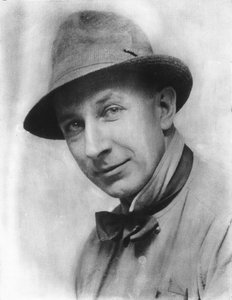
George Wesley Bellows
1882 - 1925 , Stany Zjednoczone
Krótka nota
- Artistic Movement Or Style: Realizm, Ashcan School
- Artists Or Movements Influenced By This Artist: ['Ashcan School']
- Artists Who Influenced This Artist: ['Robert Henri']
- Date Of Birth: 1882
- Date Of Death: 1925
- Full Name: George Wesley Bellows
- Nationality: Amerykański
- Notable Artworks:
- Both Members
- Stag at Shark
- Men of the Docks
- Place Of Birth: Columbus, USA
Powiązane artykuły

Georges Seurat: 25 Arcydzieł Punktalizmu dla Twojego Domu | OriginalUniqueArt.com
Odkryj 25 arcydzieł Georges'a Seurata! Poznaj historię punktalizmu, impresjonistyczne pejzaże i fascynującą technikę malarską. Reprodukcje obrazów najwyższej jakości na OriginalUniqueArt.com – inspiracje do Twojego wnętrza. Eksploruj pełną kolekcję online!

The Ashcan School: Capturing the Raw Spirit and Urban Realism of New York City Life
Explore the raw, evocative beauty of the Ashcan School. Discover how masters like Bellows and Glackens captured New York's urban soul through American Realism, and learn to bring this gritty, historical elegance into your modern art collection.
Szkoła Ashcan: Realizm miejski i demokratyzacja sztuki amerykańskiej
Poznaj Szkołę Ashcan – rewolucyjny ruch artystyczny, który zdemokratyzował amerykańską sztukę na początku XX wieku. Analiza twórczości Henriego i jego uczniów, wpływ na realizm społeczny oraz dziedzictwo tego wyjątkowego nurtu.

Georges Braque: 25 Arcydzieł Kubizmu i Nowoczesnej Sztuki | OriginalUniqueArt.com
Odkryj 25 arcydzieł Georges'a Braque – pioniera kubizmu i malarstwa nowoczesnego. Poznaj historię, techniki i inspiracje za jego najsłynniejszymi obrazami. Reprodukcje najwyższej jakości na OriginalUniqueArt.com! Eksploruj pełną kolekcję online.
The Ashcan School: Capturing the Raw, Unfiltered Soul of Urban Life through American Realism
Discover the raw beauty of the Ashcan School. Explore how masters like Bellows and Henri captured the gritty, vibrant soul of early 20th-century New York through profound American Realism and evocative urban landscapes.
