

 Zobacz w skali 1:1
 Wyślij
 Udostępnij
 Szczegóły
 Przewodnik

 Pobierz plik obrazu
 Podobne obiekty
 RTG
RTG Pokaz slajdów
 Statystyki
The Lincolnshire Ox
 Acrylic
- WallArt
- Romantic Landscape Painting
 1790
1790 990.0 x 679.0 cm
 Walker Art Gallery
 Czytaj więcej
Giclée / Wydruk artystyczny
Wydruki giclée lub płótna o jakości muzealnej, szybka realizacja i szeroki wybór opcji wykończenia. ( Kup ręcznie malowany obraz Przełącz na wersję cyfrową)




P118B $10

P118H $10

P118W $10

P438Z $10

P508JH $12

P508YH $12

P805H $10

P805Z $10

P919BZ $10

P919G $10

P919XJ $10

P959ZH $10

P968JZ $12

W106C $8

W218G $10

W218JH $8

W218Y $10

W307PJ $10

W316G $10

W316PJ $8

W316Y $10

W398PJ $8

W4111J $10

W500HY $15

W500JH $15

W692G $12

W849H $8

W940BG $15

W953PJ $8




Wybierz spośród naszych standardowych rozmiarów, które zachowują oryginalne proporcje dzieła sztuki.

Możesz wprowadzić własne wymiary, aby dopasować dzieło do konkretnej ramy lub przestrzeni. Jeśli wybrany rozmiar nie będzie odpowiadał proporcjom oryginalnego obrazu, przytniecie dzieło lub rozszerzymy obraz za pomocą odbicia lustrzanego lub jednolitego wypełnienia krawędzi. Przed rozpoczęciem produkcji prześlemy cyfrową wizualizację do Twojej akceptacji.
Prosimy pamiętać, że podgląd na ekranie nie odzwierciedla faktycznego przycinania ani rozszerzania. Tylko wizualizacja dokładnie pokaże końcową kompozycję.
Mimo dostępności niestandardowych rozmiarów, zalecamy wybór wymiaru z listy zdefiniowanej, aby zachować oryginalne proporcje.
Dostawa na cały świat () w ciągu 2 tygodni zamiast standardowych 4/5 tygodni. (27 Wrzesień)

Bezpłatna ekspresowa wysyłka na cały świat

Wysokiej jakości płótno lniane

Pełne ubezpieczenie transportowe

Gwarancja zwrotu należności celnych i podatków importowych

Gwarancja idealnego odwzorowania barw

100-dniowy okres na zwrot dzieła w przypadku wykrycia wad produkcyjnych

Gwarancja 100% zwrotu pieniędzy

Oferta przy zakupie wielu sztuk
 Opcja ze szkłem jest dostępna wyłącznie w rozmiarach poniżej 110 cm

The Lincolnshire Ox
Giclée / Wydruk artystyczny
Rozmiar reprodukcji
-


Suma do zapłaty
$ 80
A Monumental Portrait of Lincolnshire Livestock and Human Dignity
George Stubbs’s “The Lincolnshire Ox,” completed in 1790, transcends mere depiction; it embodies an ambitious exploration of anatomy, observation, and the intersection of rural life and scientific inquiry. This monumental canvas—measuring 990 x 679 cm—captures John Gibbons, a Lincolnshire farmer who achieved fame through his victory at a cock fight, alongside his extraordinary ox, a creature that defied conventional understanding of animal physiology during its time. Stubbs’s masterful rendering isn't simply about capturing the physical form; it’s an assertion of intellectual curiosity and a testament to the artist’s unwavering dedication to scientific accuracy.- Subject Matter: The painting centers on Gibbons himself, dressed in formal attire—a suit and hat—standing proudly beside his colossal ox. This juxtaposition immediately establishes a dialogue between human dignity and the raw power of nature. The inclusion of a champion cockerel perched atop branches underscores Stubbs’s fascination with animal behavior and reinforces the narrative of triumph and spectacle.
- Style & Technique: Stubbs employed a revolutionary approach to painting, prioritizing anatomical precision over idealized representation. He undertook extensive dissections of horses—a daring undertaking for his era—to meticulously study muscle structure and skeletal articulation. This dedication is palpable in “The Lincolnshire Ox,” where Stubbs painstakingly recreates the ox’s musculature with astonishing realism. The artist utilized oil paint on canvas, applying thick impasto strokes to convey texture and volume, particularly evident in the ox's hide.
Historical Context: Scientific Observation Meets Rural Tradition
The painting emerged during a period of burgeoning scientific interest in anatomy and natural history. Stubbs’s work aligns with the Enlightenment’s emphasis on empirical observation and rational inquiry—a stark contrast to the prevailing artistic conventions of the time, which favored mythological narratives and idealized portraits. Gibbons's ox wasn’t merely livestock; it represented a symbol of Lincolnshire’s agricultural prowess and was celebrated as an unparalleled specimen. The exhibition of the ox in London served as a focal point for showcasing scientific advancements alongside rural achievements.- Symbolism: Beyond its anatomical accuracy, “The Lincolnshire Ox” carries symbolic weight. The ox embodies strength, resilience, and fertility—qualities deeply rooted in Lincolnshire’s agricultural heritage. Furthermore, Gibbons's posture exudes confidence and accomplishment, reflecting the farmer’s success in securing this remarkable animal. The cockerel symbolizes victory and heralds a new era of scientific understanding.
Emotional Impact & Artistic Legacy
Stubbs’s “The Lincolnshire Ox” commands attention not only through its scale but also through its profound emotional resonance. The painting evokes awe at the grandeur of nature and admiration for human intellect—a harmonious blend that speaks to the enduring fascination with both animal anatomy and rural landscapes. Stubbs's pioneering technique continues to inspire artists today, demonstrating the transformative power of meticulous observation and unwavering commitment to artistic excellence. It stands as a cornerstone of British art history, securing its place as an unforgettable masterpiece.Biografia artysty
Early Life and Training
George Stubbs, a name synonymous with the majestic power of the horse, was born in Liverpool on August 25th, 1724 – a city steeped in maritime history and burgeoning trade. His father, a leatherworker and currier, instilled in him a practical understanding of materials and craftsmanship, while his mother’s background in the trading industry likely fostered an appreciation for observation and detail. Stubbs's early years were marked by a relative lack of formal artistic instruction; he was largely self-taught, though he received a brief apprenticeship under Hamlet Winstanley, a Lancastrian painter and engraver, providing him with a foundational understanding of perspective and technique. This short period at Winstanley’s studio allowed Stubbs to study the collection housed at Knowsley Hall, a significant influence on his artistic development. Crucially, from a young age, Stubbs demonstrated an intense fascination with anatomy – a passion that would profoundly shape his later work. He began dissecting small animals as a teenager, meticulously documenting their structures and forms, laying the groundwork for his groundbreaking approach to equine painting.Artistic Development and Notable Works
Stubbs’s artistic journey truly took flight when he moved to York in 1744, seeking an environment conducive to his anatomical studies. There, under the tutelage of surgeon Charles Atkinson at York County Hospital, he immersed himself in the world of human anatomy, gaining a deep understanding of musculature and skeletal structure. This rigorous training proved invaluable, informing his unparalleled ability to depict horses with astonishing realism and accuracy. A pivotal moment arrived in 1756 when Stubbs rented a farmhouse in Lincolnshire and dedicated eighteen months to the painstaking task of dissecting horses – an undertaking that produced his seminal work, *Anatomia Equi* (The Anatomy of the Horse), published in 1766. This monumental book, featuring meticulously detailed drawings, was a scientific triumph and a remarkable artistic achievement, establishing Stubbs as a pioneer in anatomical illustration. The publication garnered him significant acclaim and commissions from aristocratic patrons, including the 3rd Duke of Richmond, who commissioned three large paintings – a watershed moment that propelled Stubbs to prominence within London’s art scene.The Rise of Romanticism and Conversation Pieces
Following his success in York and London, Stubbs established himself as one of the most sought-after portrait painters of his time. He quickly moved beyond simple equestrian portraits, developing a distinctive style characterized by dramatic compositions, dynamic movement, and an almost theatrical quality. His “conversation pieces,” often depicting horses alongside their owners or grooms, broke with traditional conventions, presenting a more intimate and engaging scene. Notably, these works featured plain backgrounds – a deliberate choice that drew attention to the figures and the magnificent animals themselves. Stubbs’s command of light and shadow, coupled with his masterful understanding of equine anatomy and psychology, created paintings that were both scientifically accurate and emotionally resonant. His most celebrated work, *Whistlejacket*, a painting of a thoroughbred racehorse rising on his hind legs, exemplifies this innovative approach – capturing not just the physical form of the horse but also its spirit and power.Legacy and Enduring Influence
George Stubbs’s legacy extends far beyond his individual paintings; he fundamentally transformed the way horses were depicted in art. His meticulous anatomical studies revolutionized equine painting, establishing a new standard for realism and accuracy. He is widely considered the greatest of all horse painters, a title earned through decades of dedicated observation, tireless dissection, and an unwavering commitment to capturing the essence of these magnificent animals. Stubbs’s influence can be seen in the works of subsequent generations of artists, including Edgar Degas and Julius Kossak. His paintings continue to captivate audiences today, not only for their technical brilliance but also for their evocative portrayal of the relationship between humans and horses – a bond that has endured for centuries. Stubbs's work remains an enduring testament to his artistic genius and his profound understanding of the animal world.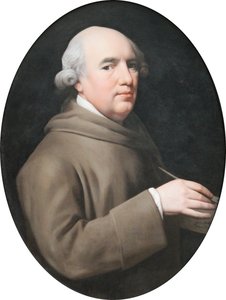
George Stubbs
1724 - 1806 , Wielka Brytania
Najważniejsze informacje
- Artistic Movement Or Style: Renesans, Sztuka koni
- Artists Or Movements Influenced By This Artist: ['Joshua Reynolds']
- Artists Who Influenced This Artist: ['Hamlet Winstanley']
- Date Of Birth: 25 sierpnia 1724
- Date Of Death: 10 lipca 1806
- Full Name: George Stubbs
- Nationality: Brytyjski
- Notable Artworks:
- Whistlejacket
- Lion i koń
- Anatomia konia
- Place Of Birth: Liverpool, Wielka Brytania
Zobacz także powiązane artykuły

Trwała Forma: Rzeźba w Historii – Technika i Rezonans Emocjonalny
Poznaj historię rzeźby od antyku do współczesności! Ekspercka analiza technik, stylów i emocjonalnego wpływu arcydzieł. Inspiracje dla kolekcjonerów i miłośników sztuki.

Trwałe Formy: Ewolucja Technik i Tematów w Rzeźbie Przez Wieki – Od Antyku do Renesansu
Poznaj fascynującą historię rzeźby od antyku do renesansu! Odkryj techniki, wybitnych artystów i wpływ na współczesną sztukę. Ekspercka analiza dla kolekcjonerów i miłośników.
Zwierzęta w Sztuce: Wprowadzanie Życia do Twojej Przestrzeni
Odkryj fascynujący świat zwierząt w sztuce! Poznaj symbolikę, historię i współczesne interpretacje. Znajdź idealny obraz ze zwierzęciem do swojego wnętrza z .

10 Legendarnych Brązów Rzeźbiarskich, Które Zmieniły Sztukę | OriginalUniqueArt
Odkryj 10 legendarnych rzeźb brązowych od Rodina, Degasa i innych mistrzów! Poznaj historię powstania arcydzieł sztuki i inspiruj się do dekoracji wnętrz. Reprodukcje najwyższej jakości na OriginalUniqueArt.com – zobacz kolekcję!

10 Legendarnych Brązów, Które Zrewolucjonizowały Sztukę | OriginalUniqueArt
Odkryj 10 legendarnych rzeźb brązowych, które zrewolucjonizowały sztukę! Poznaj historie Rodina, Donatello i innych mistrzów. Inspiracje wnętrzarskie & reprodukcje najwyższej jakości na OriginalUniqueArt.com.


