

 Zobacz w skali 1:1
 Wyślij
 Udostępnij
 Szczegóły
 Przewodnik

 Pobierz plik obrazu
 Podobne obiekty
 RTG
RTG Pokaz slajdów
 Statystyki
Polowanie Grosvenorów


 Czytaj więcej
Giclée / Wydruk artystyczny
Wydruki giclée lub płótna o jakości muzealnej, szybka realizacja i szeroki wybór opcji wykończenia. ( Kup ręcznie malowany obraz Przełącz na wersję cyfrową)




P118B zł10

P118H zł10

P118W zł10

P438Z zł10

P508JH zł12

P508YH zł12

P805H zł10

P805Z zł10

P919BZ zł10

P919G zł10

P919XJ zł10

P959ZH zł10

P968JZ zł12

W106C zł8

W218G zł10

W218JH zł8

W218Y zł10

W307PJ zł10

W316G zł10

W316PJ zł8

W316Y zł10

W398PJ zł8

W4111J zł10

W500HY zł15

W500JH zł15

W692G zł12

W849H zł8

W940BG zł15

W953PJ zł8




Wybierz spośród naszych standardowych rozmiarów, które zachowują oryginalne proporcje dzieła sztuki.

Wpisz wymaganą szerokość i wysokość, aby dopasować grafikę do ramy lub ściany. Wydruk można jedynie przyciąć, nigdy nie powiększając go poza oryginalny obraz, dlatego format o innym proporcji spowoduje utratę części kompozycji. Przed rozpoczęciem druku prześlemy Ci cyfrowy podgląd do zatwierdzenia. Obraz wyświetlany na tej stronie nie pokazuje rzeczywistego przycięcia — jedynie podgląd oddaje ten efekt.
Dostawa na cały świat () w ciągu 2 tygodni zamiast standardowych 4/5 tygodni. (25 Październik)

Bezpłatna ekspresowa wysyłka na cały świat

Wysokiej jakości płótno lniane

Pełne ubezpieczenie transportowe

Gwarancja zwrotu należności celnych i podatków importowych

Gwarancja idealnego odwzorowania barw

100-dniowy okres na zwrot dzieła w przypadku wykrycia wad produkcyjnych

Gwarancja 100% zwrotu pieniędzy

Oferta przy zakupie wielu sztuk
 Opcja ze szkłem jest dostępna wyłącznie w rozmiarach poniżej 110 cm

Polowanie Grosvenorów
Giclée / Wydruk artystyczny
Rozmiar reprodukcji
-


Suma do zapłaty
zł 307
The Grosvenor Hunt
Captivating Scene of 18th Century Hunting Tradition
Immerse yourself in a vivid portrayal of a quintessential British hunting scene from the 18th century. This masterful work captures a dynamic moment of camaraderie and action, where mounted hunters, dressed in period attire, navigate a lush landscape under a canopy of vibrant autumn foliage. The scene exudes energy and purpose, reflecting the cultural significance of hunting as both a sport and a social ritual during this era. The detailed depiction of horses, dogs, and human figures invites viewers to experience the thrill and tradition of a bygone age, making it a compelling centerpiece for collectors and enthusiasts alike.
Exquisite Style and Technique
Created with meticulous attention to detail, this oil painting exemplifies the realism and technical mastery characteristic of the period. The artist employs layered glazes, fine brushwork, and subtle tonal gradations to achieve a lifelike representation of textures—from the rough bark of the central tree to the flowing fabrics of the hunters’ garments. The composition balances activity with tranquility, using precise lines and organic shapes to guide the viewer’s eye across the scene. The warm, golden light suggests late afternoon, adding depth and a nostalgic glow that enhances the emotional resonance of the piece.
Historical Context and Artistic Significance
Painted in 1762 by the renowned English artist George Stubbs, this work reflects the period’s fascination with nature, anatomy, and rural life. Stubbs, celebrated for his anatomical accuracy and masterful depictions of horses, elevates this scene beyond mere documentation to a work of art that celebrates the human-animal bond and the tradition of hunting. The painting was likely exhibited at the influential 1762 exhibition of the Society of Artists of Great Britain, positioning it within the vibrant artistic landscape of Enlightenment-era Britain. Its detailed realism and lively composition make it a sign
Detailed Analysis: Composition & Lighting
The artist’s compositional choices are deliberate, prioritizing clarity while conveying a sense of depth. Horizontal lines dominate the landscape and delineate the hunters' positions, creating stability and grounding the viewer’s gaze. Curved lines mimic the movement of horses and foliage, injecting dynamism into the scene. Stubbs skillfully utilizes tonal gradations to sculpt the forms of animals and trees, enhancing their visual impact. The diffused afternoon light casts soft shadows, illuminating textures and contributing to an atmosphere of warmth and nostalgia—a hallmark of Romantic painting.
Symbolism & Artistic Legacy
“The Grosvenor Hunt” transcends its depiction as a hunting event; it embodies broader themes prevalent in aristocratic art of the time – wealth, status, and reverence for the natural world. George Stubbs’s unwavering dedication to anatomical precision aligns with scientific advancements during the Enlightenment, reflecting intellectual curiosity alongside aesthetic beauty. This painting remains an enduring testament to Stubbs's genius and a cornerstone of British landscape painting tradition, continuing to inspire admiration for its masterful execution and evocative portrayal of a bygone era.
Pytania i odpowiedzi
Gdzie i w jakim celu zaleca się użycie "Polowanie Grosvenorów"?
Zastosowanie (Skłaniające do refleksji) oraz przestrzeń (Salon lub strefa dzienna) to dwie rekomendacje wskazane dla „Polowanie Grosvenorów” autorstwa George Stubbs.
Gdzie mogę zobaczyć podgląd dzieła "Polowanie Grosvenorów"?
Strona podglądu Podgląd dla dzieła „Polowanie Grosvenorów” umożliwia obejrzenie obrazu przed złożeniem zamówienia.
Jak popularne jest dzieło "Polowanie Grosvenorów" w obrębie nurtu Romantic Landscape Painting?
„Polowanie Grosvenorów” jest sklasyfikowane jako Uznany/a wśród dzieł z nurtu Romantic Landscape Painting w katalogu.
Biografia artysty
Early Life and Training
George Stubbs, a name synonymous with the majestic power of the horse, was born in Liverpool on August 25th, 1724 – a city steeped in maritime history and burgeoning trade. His father, a leatherworker and currier, instilled in him a practical understanding of materials and craftsmanship, while his mother’s background in the trading industry likely fostered an appreciation for observation and detail. Stubbs's early years were marked by a relative lack of formal artistic instruction; he was largely self-taught, though he received a brief apprenticeship under Hamlet Winstanley, a Lancastrian painter and engraver, providing him with a foundational understanding of perspective and technique. This short period at Winstanley’s studio allowed Stubbs to study the collection housed at Knowsley Hall, a significant influence on his artistic development. Crucially, from a young age, Stubbs demonstrated an intense fascination with anatomy – a passion that would profoundly shape his later work. He began dissecting small animals as a teenager, meticulously documenting their structures and forms, laying the groundwork for his groundbreaking approach to equine painting.Artistic Development and Notable Works
Stubbs’s artistic journey truly took flight when he moved to York in 1744, seeking an environment conducive to his anatomical studies. There, under the tutelage of surgeon Charles Atkinson at York County Hospital, he immersed himself in the world of human anatomy, gaining a deep understanding of musculature and skeletal structure. This rigorous training proved invaluable, informing his unparalleled ability to depict horses with astonishing realism and accuracy. A pivotal moment arrived in 1756 when Stubbs rented a farmhouse in Lincolnshire and dedicated eighteen months to the painstaking task of dissecting horses – an undertaking that produced his seminal work, *Anatomia Equi* (The Anatomy of the Horse), published in 1766. This monumental book, featuring meticulously detailed drawings, was a scientific triumph and a remarkable artistic achievement, establishing Stubbs as a pioneer in anatomical illustration. The publication garnered him significant acclaim and commissions from aristocratic patrons, including the 3rd Duke of Richmond, who commissioned three large paintings – a watershed moment that propelled Stubbs to prominence within London’s art scene.The Rise of Romanticism and Conversation Pieces
Following his success in York and London, Stubbs established himself as one of the most sought-after portrait painters of his time. He quickly moved beyond simple equestrian portraits, developing a distinctive style characterized by dramatic compositions, dynamic movement, and an almost theatrical quality. His “conversation pieces,” often depicting horses alongside their owners or grooms, broke with traditional conventions, presenting a more intimate and engaging scene. Notably, these works featured plain backgrounds – a deliberate choice that drew attention to the figures and the magnificent animals themselves. Stubbs’s command of light and shadow, coupled with his masterful understanding of equine anatomy and psychology, created paintings that were both scientifically accurate and emotionally resonant. His most celebrated work, *Whistlejacket*, a painting of a thoroughbred racehorse rising on his hind legs, exemplifies this innovative approach – capturing not just the physical form of the horse but also its spirit and power.Legacy and Enduring Influence
George Stubbs’s legacy extends far beyond his individual paintings; he fundamentally transformed the way horses were depicted in art. His meticulous anatomical studies revolutionized equine painting, establishing a new standard for realism and accuracy. He is widely considered the greatest of all horse painters, a title earned through decades of dedicated observation, tireless dissection, and an unwavering commitment to capturing the essence of these magnificent animals. Stubbs’s influence can be seen in the works of subsequent generations of artists, including Edgar Degas and Julius Kossak. His paintings continue to captivate audiences today, not only for their technical brilliance but also for their evocative portrayal of the relationship between humans and horses – a bond that has endured for centuries. Stubbs's work remains an enduring testament to his artistic genius and his profound understanding of the animal world.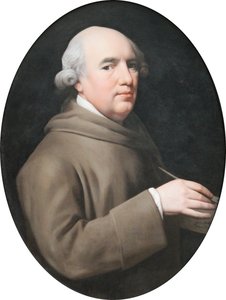
George Stubbs
1724 - 1806 , Wielka Brytania
Najważniejsze informacje
- Artistic Movement Or Style: Renesans, Sztuka koni
- Artists Or Movements Influenced By This Artist: ['Joshua Reynolds']
- Artists Who Influenced This Artist: ['Hamlet Winstanley']
- Date Of Birth: 25 sierpnia 1724
- Date Of Death: 10 lipca 1806
- Full Name: George Stubbs
- Nationality: Brytyjski
- Notable Artworks:
- Whistlejacket
- Lion i koń
- Anatomia konia
- Place Of Birth: Liverpool, Wielka Brytania
Zobacz także powiązane artykuły

Sir George Clausen: Capturing Edwardian Life & British Impressionism's Nuances
Explore the luminous world of Sir George Clausen, a leading British Impressionist painter. Discover his captivating scenes of Edwardian life, rural England & poignant war art. Learn about his legacy and find high-quality reproductions at OriginalUniqueArt.

Georges Braque: 25 Arcydzieł Kubizmu i Nowoczesnej Sztuki | OriginalUniqueArt.com
Odkryj 25 arcydzieł Georges'a Braque – pioniera kubizmu i malarstwa nowoczesnego. Poznaj historię, techniki i inspiracje za jego najsłynniejszymi obrazami. Reprodukcje najwyższej jakości na OriginalUniqueArt.com! Eksploruj pełną kolekcję online.
George Stubbs: Anatomical Precision & Romantic Vision in 18th-Century British Art
Explore the captivating world of George Stubbs, the 18th-century master renowned for his anatomical precision & Romantic animal paintings. Discover his legacy and investment potential.

Trwała Spuścizna Malarstwa Olejnego: Technika, Historia i Estetyczny Wpływ
Poznaj historię i technikę malarstwa olejnego! Eksperckie artykuły o konserwacji, renowacji oraz współczesnych zastosowaniach. Dowiedz się więcej o mistrzach i trwałości obrazów olejnych.

Georges Seurat: 25 Arcydzieł Punktalizmu dla Twojego Domu | OriginalUniqueArt.com
Odkryj 25 arcydzieł Georges'a Seurata! Poznaj historię punktalizmu, impresjonistyczne pejzaże i fascynującą technikę malarską. Reprodukcje obrazów najwyższej jakości na OriginalUniqueArt.com – inspiracje do Twojego wnętrza. Eksploruj pełną kolekcję online!


