Rozmiar tekstu

() ·

Obraz stworzony dla Ciebie, własnoręcznie

Olbrzymiec Lincolński

Ręcznie malowana reprodukcja olejowa

Ręcznie malowany obraz olejny na płótnie, wykonany na zamówienie przez naszych artystów w wybranym przez Ciebie wymiarze i oprawie. ( Przełącz na wydania drukowane Przejdź do wersji cyfrowej)

Opis obiektu

Olbrzymiec Lincolński George Stubbsa - impresjonistyczny obraz przedstawiający ogromnego bydła i jego właściciela, dzieło romantyzmu angielskiego prezentowane w Galerii Sztuki Liverpoolskiej.

Biografia artysty

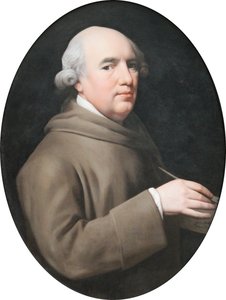
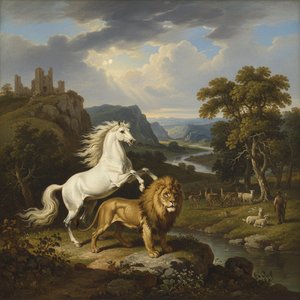
George Stubbs (1724-1806): Znany angielski malarz, słynny ze szczegółowych obrazów koni i pionier romantyzmu. Jego najbardziej znane dzieła to "Whistlejacket" oraz serie przedstawiających walkę lwa z koniem.

od ·

Rozdział 1

Jak duży powinien być ten format?

Przesuń suwak, aby zmienić rozmiar; obraz po lewej stronie przedstawia ramę w jej rzeczywistej szerokości. Zachowano proporcje oryginału.

Standardowy format
personalizowane
CM
INCH

Wybierz spośród naszych standardowych rozmiarów, które zachowują oryginalne proporcje dzieła sztuki.

szerokość
wysokość

Wpisz wymaganą szerokość i wysokość, aby obraz pasował do Twojej ramy lub ściany. Ponieważ jest to dzieło malowane ręcznie, w przypadku rozmiaru o innych proporcjach artysta może domalować nieco więcej wokół obrazu lub przyciąć jego fragmenty — wybór należy do Ciebie. Przed rozpoczęciem pracy prześlemy Ci cyfrową wizualizację do zatwierdzenia. Obraz widoczny na tej stronie nie przedstawia rzeczywistego efektu — jedynie wizualizacja oddaje realny rezultat.

Rozdział 2

W jaki sposób ma zostać dostarczone?

Wybierz krawędzie płótna naciągniętego na ramę

Wybierz ramę

Corner sample of the WhiteWrap canvas edge finish, stretched on lite drewno bars
Białe krawędzie zł1
Corner sample of the BlurSideWrap canvas edge finish, stretched on lite drewno bars
rozmyte krawędzie zł1
Corner sample of the ExtendedWrap canvas edge finish, stretched on lite drewno bars
Przedłużony zł1
Corner sample of the P118B picture frame: polistyren formowany, 5 cm wide and 3 cm thick
P118B zł10
Corner sample of the P118H picture frame: polistyren formowany, 5 cm wide and 3 cm thick
P118H zł10
Corner sample of the P118W picture frame: polistyren formowany, 5 cm wide and 3 cm thick
P118W zł10
Corner sample of the P438Z picture frame: polistyren formowany, 5.5 cm wide and 3.5 cm thick
P438Z zł10
Corner sample of the P508JH picture frame: polistyren formowany, 7 cm wide and 3.5 cm thick
P508JH zł12
Corner sample of the P508YH picture frame: polistyren formowany, 7 cm wide and 3.5 cm thick
P508YH zł12
Corner sample of the P805H picture frame: polistyren formowany, 5 cm wide and 3.5 cm thick
P805H zł10
Corner sample of the P805Z picture frame: polistyren formowany, 5 cm wide and 3.5 cm thick
P805Z zł10
Corner sample of the P919BZ picture frame: polistyren formowany, 7 cm wide and 3.5 cm thick
P919BZ zł10
Corner sample of the P919G picture frame: polistyren formowany, 7 cm wide and 3.5 cm thick
P919G zł10
Corner sample of the P919XJ picture frame: polistyren formowany, 7 cm wide and 3.5 cm thick
P919XJ zł10
Corner sample of the P959ZH picture frame: polistyren formowany, 5 cm wide and 3 cm thick
P959ZH zł10
Corner sample of the P968JZ picture frame: polistyren formowany, 6 cm wide and 4 cm thick
P968JZ zł12
Corner sample of the W106C picture frame: lite drewno, 5 cm wide and 3 cm thick
W106C zł8
Corner sample of the W218G picture frame: lite drewno, 5 cm wide and 3 cm thick
W218G zł10
Corner sample of the W218JH picture frame: lite drewno, 5 cm wide and 3 cm thick
W218JH zł8
Corner sample of the W218Y picture frame: lite drewno, 5 cm wide and 3 cm thick
W218Y zł10
Corner sample of the W307PJ picture frame: lite drewno, 6 cm wide and 3 cm thick
W307PJ zł10
Corner sample of the W316G picture frame: lite drewno, 6 cm wide and 3 cm thick
W316G zł10
Corner sample of the W316PJ picture frame: lite drewno, 6 cm wide and 3 cm thick
W316PJ zł8
Corner sample of the W316Y picture frame: lite drewno, 6 cm wide and 3 cm thick
W316Y zł10
Corner sample of the W398PJ picture frame: lite drewno, 5 cm wide and 3 cm thick
W398PJ zł8
Corner sample of the W4111J picture frame: lite drewno, 6.5 cm wide and 3.5 cm thick
W4111J zł10
Corner sample of the W500HY picture frame: lite drewno, 7 cm wide and 5 cm thick
W500HY zł15
Corner sample of the W500JH picture frame: lite drewno, 7 cm wide and 5 cm thick
W500JH zł15
Corner sample of the W692G picture frame: lite drewno, 8 cm wide and 4 cm thick
W692G zł12
Corner sample of the W849H picture frame: lite drewno, 5 cm wide and 3 cm thick
W849H zł8
Corner sample of the W940BG picture frame: lite drewno, 7.5 cm wide and 4.5 cm thick
W940BG zł15
Corner sample of the W953PJ picture frame: lite drewno, 6 cm wide and 3.5 cm thick
W953PJ zł8
Corner sample of the H24-GOLD picture frame: rzeźbione drewno pokryte gipsem, 10 cm wide and 6 cm thick
H24-GOLD zł30
Corner sample of the H24-SILVER picture frame: rzeźbione drewno pokryte gipsem, 10 cm wide and 6 cm thick
H24-SILVER zł30
Corner sample of the H36-GOLD picture frame: rzeźbione drewno pokryte gipsem, 15 cm wide and 6.5 cm thick
H36-GOLD zł45
Corner sample of the H36-SILVER picture frame: rzeźbione drewno pokryte gipsem, 15 cm wide and 6.5 cm thick
H36-SILVER zł45

Profil: . Wymiar całkowity w ramie: .

Rozdział 3

Kto go maluje i czy coś powinno ulec zmianie?

Przykłady możliwych zmian: Zastąpienie twarzy zdjęciem klienta; Dodanie zwierzęcia (np. zamiana kota na psa); Ukrycie wiadomości w tle; Zmiana krajobrazu lub elementów tła.
Po złożeniu zamówienia zespół OriginalUniqueArt.com skontaktuje się z klientem drogą mailową w celu uzyskania instrukcji i prześle podgląd projektu

Dostawa na całym świecie () w ciągu 3–4 tygodni zamiast standardowych 5 tygodni. (7 Listopad). Bez kompromisów w kwestii jakości.

Rozdział 4

Ostatnie szlify

Tabliczka informacyjna, jak w muzeum?

Szczegóły grawerowanej brązowej tabliczki

This elegant plaque features the artist's name and the title of the artwork, finely engraved for a timeless presentation.

It is made from bronze with a refined, elegant finish. The text is precisely laser-engraved for a sharp and permanent result. Measuring 9x2 cm, the plaque is compact yet easy to read. It's built to be durable and scratch-resistant, offering a professional, museum-quality look. Mounting is simple thanks to the included adhesive backing.

Szczegóły przezroczystej tabliczki akrylowej

The plaque includes essential engraved details such as the artist's name, the title of the artwork, the date it was created, the type of media used-like oil on canvas or watercolor-a brief description of the piece, and a QR code that links to the complete artwork information.

It is crafted from clear acrylic, offering a sleek, modern appearance. The text is UV-engraved in black to ensure strong visual contrast. With a size of 10x15 cm, it ensures optimal readability. It comes equipped with two metal hooks for secure wall mounting. The plaque is designed to be weather-resistant, making it suitable for various environments, and it includes interactive features that work seamlessly with smartphone scanning.

Szczegóły czarnej tabliczki akrylowej

This elegant plaque includes engraved information such as the artist's name, the title of the artwork, the date it was created, the type of media used (like oil on canvas or watercolor), a short description of the artwork, and a QR code for quick access to more information.

The plaque itself is made from refined black acrylic with a premium finish. The text is laser-engraved in white for high contrast and readability. Its size is 10x15 cm, designed to be easy to read. It comes with two metal hooks for professional mounting. The design is sleek and fits any interior style. It is also weather-resistant and durable, with built-in digital integration for mobile compatibility.

Werniks ochronny?

Kiedy potrzebujesz dostawy?

Rozdział 5

Twoje dzieło, dokładnie tak, jak zamówiłeś

Olbrzymiec Lincolński

Technika reprodukcji

Wymiary reprodukcji

-

Wybitny mistrz artystyczny

Większa szczegółowość, finezja i dodatkowy czas na realizację

-

Opcje oprawy reprodukcji

-

-

W przypadku dzieł sztuki lub reprodukcji, których którykolwiek z boków przekracza 105 cm (około 41 cali), rama zostanie wysłana w formie zestawu do samodzielnego montażu. Metoda ta zapewnia bezpieczną dostawę i zapobiega uszkodzeniom podczas transportu.

Wymagany profesjonalny montaż – nie jest to produkt typu DIY.
Zestaw musi zostać złożony, a płótno naciągnięte przez doświadczonego profesjonalnego ramiarza, przy użyciu kleju do drewna (brak w zestawie), kleszczy do naciągania płótna oraz ścisków, które utrzymają krosna w równej pozycji podczas schnięcia kleju. Nieprawidłowy montaż lub nierównomierne napięcie płótna może trwale uszkodzić dzieło sztuki i nie podlega naszej gwarancji.

  • W zestawie znajdują się wszystkie listwy z litego drewna, precyzyjnie docięte do wymiarów.

  • Montaż odbywa się przy użyciu dołączonych wkrętów oraz kleju do drewna do łączenia narożników, którego zestaw nie zawiera i który musi zostać dostarczony przez ramiarza.

  • Wymagane są profesjonalne narzędzia, których nie ma w zestawie: kleszcze do naciągania płótna (napinacz) oraz zaciski, które pozwolą utrzymać listwy w równej pozycji podczas schnięcia kleju.

Ważne:
Do połączenia narożników niezbędny jest klej do drewna, listwy należy unieruchomić za pomocą ścisków do momentu całkowitego wyschnięcia kleju, a naciągnięcie płótna na złożoną ramę wymaga użycia kleszczy do naciągania płótna. Żaden z tych elementów nie jest dołączony do zestawu. Przed zamówieniem tego rozmiaru zalecamy konsultację z doświadczonym ramiarzem.

Etykieta obiektu

-

-

Lakier ochronny

Lakier z połyskiem (pogłębia kolory, chroni przed światłem i wilgocią)

-

Personalizacja dzieła

Przykłady możliwości personalizacji: zastąp twarz zdjęciem klienta; dodaj zwierzę domowe (np. zamień kota na psa); umieść ukrytą wiadomość w tle; zmień krajobraz lub elementy tła.

-

Ekspresowa

Dostawa na cały świat () w ciągu 3–4 tygodni zamiast standardowych 5 tygodni. (7 Listopad). Bez kompromisów w kwestii jakości.

-

Przesyłka ekspresowa

Dostawa na cały świat () w ciągu 5 tygodni. (14 Listopad).

W cenie

Cena całkowita

zł 1174

Suma całkowita zł 1174

Opcja ze szkłem jest dostępna wyłącznie w rozmiarach poniżej 110 cm

W każdym zamówieniu

  • Bezpłatna ekspresowa wysyłka na cały świat
  • Wysokiej jakości płótno lniane
  • Pełne ubezpieczenie przesyłki
  • Gwarancja zwrotu należności celnych i podatków importowych
  • Gwarancja wiernego odwzorowania kolorów
  • 100-dniowa polityka zwrotów (tylko w przypadku wad)
  • Gwarancja 100% zwrotu pieniędzy
  • Zniżka przy zakupie wielu sztuk

George Stubbs i Wielkie Stworzenie: Zwierzęta, Ludzie i Miejsca Życia George'a Stubbsa (1724–1806)

George Stubbs, urodzony w Gedney niedaleko Liverpulsu w 1782 roku, pozostawił po sobie niezwykle bogate dziedzictwo artystyczne. Jego twórczość, skupiającą się przede wszystkim na obrazach zwierząt – szczególnie koni i bydła – wyznaczyła nowe standardy dla romantyzmu angielskiego i wpłynęła głęboko na rozwój sztuki XIX wieku. Szczególną uwagę przyciąga „The Lincolnshire Ox”, monumentalny obraz stworzony w 1790 roku, który dziś znajduje się w zbiorach Galerii Sztuki Waltera w Liverpoolu.
  • Temat i Kompozycja: Obraz przedstawia ogromną cielę lincolnshire, stojącą obok właściciela – Johna Gibbona – oraz dodatkowego koguta bojowego. Szczególną uwagę przyciąga dynamika sceny, która została uchwycona przez Stubbsa z niezwykłą dokładnością anatomiczną i obserwacją szczegółów.
  • Styl i Technikę: Stubbs był pionierem romantyzmu angielskiego, który odznaczał się zainteresowaniem naturą i emocjami oraz wykorzystywaniem ekspresyjnych środków wyrazu. Jego obraz został wykonany techniką olejną na drewno, co pozwala uzyskać głębokie kolory i doskonałą szczegółowość. Szczególną uwagę należy zwrócić na fakturę powierzchni malowania – delikatnie szorstką teksturę, która dodaje obrazowi autentyczności i podkreśla jego monumentalność.
  • Historia i Kontekst Kulturowy: Obraz powstał w okresie romantyzmu angielskiego, który był odpowiedzią na kryzys filozofii oświecenia i zainteresowaniem naturą oraz emocjami ludzkimi. „The Lincolnshire Ox” odzwierciedla ducha epoki, która ceniona była piękno natury oraz zdolność sztuki do oddawania jej rzeczywistości.
  • Symbolizm: Zwierzęta w obrazie reprezentują siłę i dobroć przyrody oraz pełnią funkcję metaforyczną, ukazując związek człowieka z naturą i zwierzętami. Szczególną rolę odgrywa ogromne cielę lincolnshire – symbol płodności i urodziwości ziemi angielskiej.
  • Emocjonalny Impuls: Obraz wywołuje uczucie zadumań nad ogromną mocą natury oraz niezwykłą umiejętnością artysty do jej odwzorowania. Jego monumentalna skala i ekspresyjna kolorystyka wprowadzają widza w stan kontemplacji i inspirują refleksję nad kondycją ludzkiego ducha.
Źródła:
  • Blake, Robin. *George Stubbs And The Wide Creation:Animals, People and Places in the Life of George Stubbs 1724-1806*. Random House, 2016.
  • Egerton, Judy. *George Stubbs, Painter*. Yale University Press, 2007.
  • Liverpool Museums
  • Art UK

Pytania i odpowiedzi

Jaki jest format i wymiary dzieła "Olbrzymiec Lincolński"?

„Olbrzymiec Lincolński” – George Stubbs to kompozycja w formacie Orientacja pozioma, której oryginalne wymiary to 68 x 99 cm.

Kto jest autorem dzieła "Olbrzymiec Lincolński" i do jakiego nurtu ono należy?

George Stubbs stworzył "Olbrzymiec Lincolński", reprezentujące nurt Romantic Animal Painting.

W jaki sposób tematyka dzieła "Olbrzymiec Lincolński" odnosi się do typowych motywów twórczości George Stubbs?

„Olbrzymiec Lincolński” przedstawia animal painting, lincolnshire ox, george stubbs, british art, ox anatomy, rural landscape, victorian era, podczas gdy powracające motywy u George Stubbs to animal anatomy, romantic idealism, landscape observation, stubbs legacy, scientific accuracy. Porównanie tych dwóch elementów ukazuje, jak dzieło nawiązuje do typowej dla tego artysty tematyki.

Więcej o tym obrazie

Podgląd w skali 1:1 Podgląd AR Przełącz na wydania drukowane Przejdź do wersji cyfrowej Wyślij jako kartkę
Szczegóły dzieła Przewodnik Dodaj do ulubionych Pobierz obraz Podobne obiekty RTG Pokaz slajdów Pytania i odpowiedzi Statystyki

W liczbach

  • 1790rok powstania dzieła
  • 29dostępne ramy do wyboru
  • standardowe formaty, w ich własnych proporcjach
  • 5tygodni na namalowanie i dostarczenie dzieła
George Stubbs

George Stubbs

1724 - 1806, Wielka Brytania

Krótkie informacje o George Stubbs

  • Artistic Movement Or Style: Renesans, Sztuka koni
  • Artists Or Movements Influenced By This Artist: ['Joshua Reynolds']
  • Artists Who Influenced This Artist: ['Hamlet Winstanley']
  • Date Of Birth: 25 sierpnia 1724
  • Date Of Death: 10 lipca 1806
  • Full Name: George Stubbs
  • Nationality: Brytyjski
  • Notable Artworks:
    • Whistlejacket
    • Lion i koń
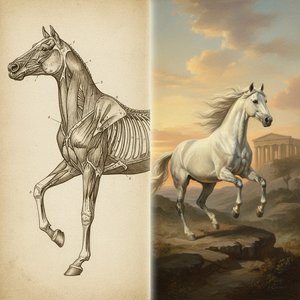
    • Anatomia konia
  • Place Of Birth: Liverpool, Wielka Brytania

Biografia artysty

Early Life and Training

George Stubbs, a name synonymous with the majestic power of the horse, was born in Liverpool on August 25th, 1724 – a city steeped in maritime history and burgeoning trade. His father, a leatherworker and currier, instilled in him a practical understanding of materials and craftsmanship, while his mother’s background in the trading industry likely fostered an appreciation for observation and detail. Stubbs's early years were marked by a relative lack of formal artistic instruction; he was largely self-taught, though he received a brief apprenticeship under Hamlet Winstanley, a Lancastrian painter and engraver, providing him with a foundational understanding of perspective and technique. This short period at Winstanley’s studio allowed Stubbs to study the collection housed at Knowsley Hall, a significant influence on his artistic development. Crucially, from a young age, Stubbs demonstrated an intense fascination with anatomy – a passion that would profoundly shape his later work. He began dissecting small animals as a teenager, meticulously documenting their structures and forms, laying the groundwork for his groundbreaking approach to equine painting.

Artistic Development and Notable Works

Stubbs’s artistic journey truly took flight when he moved to York in 1744, seeking an environment conducive to his anatomical studies. There, under the tutelage of surgeon Charles Atkinson at York County Hospital, he immersed himself in the world of human anatomy, gaining a deep understanding of musculature and skeletal structure. This rigorous training proved invaluable, informing his unparalleled ability to depict horses with astonishing realism and accuracy. A pivotal moment arrived in 1756 when Stubbs rented a farmhouse in Lincolnshire and dedicated eighteen months to the painstaking task of dissecting horses – an undertaking that produced his seminal work, *Anatomia Equi* (The Anatomy of the Horse), published in 1766. This monumental book, featuring meticulously detailed drawings, was a scientific triumph and a remarkable artistic achievement, establishing Stubbs as a pioneer in anatomical illustration. The publication garnered him significant acclaim and commissions from aristocratic patrons, including the 3rd Duke of Richmond, who commissioned three large paintings – a watershed moment that propelled Stubbs to prominence within London’s art scene.

The Rise of Romanticism and Conversation Pieces

Following his success in York and London, Stubbs established himself as one of the most sought-after portrait painters of his time. He quickly moved beyond simple equestrian portraits, developing a distinctive style characterized by dramatic compositions, dynamic movement, and an almost theatrical quality. His “conversation pieces,” often depicting horses alongside their owners or grooms, broke with traditional conventions, presenting a more intimate and engaging scene. Notably, these works featured plain backgrounds – a deliberate choice that drew attention to the figures and the magnificent animals themselves. Stubbs’s command of light and shadow, coupled with his masterful understanding of equine anatomy and psychology, created paintings that were both scientifically accurate and emotionally resonant. His most celebrated work, *Whistlejacket*, a painting of a thoroughbred racehorse rising on his hind legs, exemplifies this innovative approach – capturing not just the physical form of the horse but also its spirit and power.

Legacy and Enduring Influence

George Stubbs’s legacy extends far beyond his individual paintings; he fundamentally transformed the way horses were depicted in art. His meticulous anatomical studies revolutionized equine painting, establishing a new standard for realism and accuracy. He is widely considered the greatest of all horse painters, a title earned through decades of dedicated observation, tireless dissection, and an unwavering commitment to capturing the essence of these magnificent animals. Stubbs’s influence can be seen in the works of subsequent generations of artists, including Edgar Degas and Julius Kossak. His paintings continue to captivate audiences today, not only for their technical brilliance but also for their evocative portrayal of the relationship between humans and horses – a bond that has endured for centuries. Stubbs's work remains an enduring testament to his artistic genius and his profound understanding of the animal world.

Najważniejsze informacje

  • Movement: Romanticism
  • Artist: George Stubbs
  • Notable elements or techniques: Anatomical accuracy; Detailed depiction of animal musculature
  • Title: The Lincolnshire Ox
  • Artistic style: Realistic
  • Medium: Oil on panel