

 Zobacz w skali 1:1
 Wyślij
 Udostępnij
 Szczegóły
 Przewodnik

 Pobierz plik obrazu
 Podobne obiekty
 RTG
RTG Pokaz slajdów
 Statystyki
Lion Devouring a Horse
 Oil On Canvas
- WallArt
- Romantic Realism
 1763
1763 69.0 x 104.0 cm
 Tate Britain
 Czytaj więcej
Giclée / Wydruk artystyczny
Wydruki giclée lub płótna o jakości muzealnej, szybka realizacja i szeroki wybór opcji wykończenia. ( Kup ręcznie malowany obraz Przełącz na wersję cyfrową)




P118B zł10

P118H zł10

P118W zł10

P438Z zł10

P508JH zł12

P508YH zł12

P805H zł10

P805Z zł10

P919BZ zł10

P919G zł10

P919XJ zł10

P959ZH zł10

P968JZ zł12

W106C zł8

W218G zł10

W218JH zł8

W218Y zł10

W307PJ zł10

W316G zł10

W316PJ zł8

W316Y zł10

W398PJ zł8

W4111J zł10

W500HY zł15

W500JH zł15

W692G zł12

W849H zł8

W940BG zł15

W953PJ zł8




Wybierz spośród naszych standardowych rozmiarów, które zachowują oryginalne proporcje dzieła sztuki.

Możesz wprowadzić własne wymiary, aby dopasować dzieło do konkretnej ramy lub przestrzeni. Jeśli wybrany rozmiar nie będzie odpowiadał proporcjom oryginalnego obrazu, przytniecie dzieło lub rozszerzymy obraz za pomocą odbicia lustrzanego lub jednolitego wypełnienia krawędzi. Przed rozpoczęciem produkcji prześlemy cyfrową wizualizację do Twojej akceptacji.
Prosimy pamiętać, że podgląd na ekranie nie odzwierciedla faktycznego przycinania ani rozszerzania. Tylko wizualizacja dokładnie pokaże końcową kompozycję.
Mimo dostępności niestandardowych rozmiarów, zalecamy wybór wymiaru z listy zdefiniowanej, aby zachować oryginalne proporcje.
Dostawa na cały świat () w ciągu 2 tygodni zamiast standardowych 4/5 tygodni. (10 Październik)

Bezpłatna ekspresowa wysyłka na cały świat

Wysokiej jakości płótno lniane

Pełne ubezpieczenie transportowe

Gwarancja zwrotu należności celnych i podatków importowych

Gwarancja idealnego odwzorowania barw

100-dniowy okres na zwrot dzieła w przypadku wykrycia wad produkcyjnych

Gwarancja 100% zwrotu pieniędzy

Oferta przy zakupie wielu sztuk
 Opcja ze szkłem jest dostępna wyłącznie w rozmiarach poniżej 110 cm

Lion Devouring a Horse
Giclée / Wydruk artystyczny
Rozmiar reprodukcji
-


Suma do zapłaty
zł 298
The Drama of Nature Captured: George Stubbs' Lion Devouring a Horse
To stand before George Stubbs’ magnificent "Lion Devouring a Horse" is to be plunged into a moment of raw, untamed drama. This 1763 oil on canvas does more than merely depict an animal encounter; it arrests time itself, freezing the apex of conflict in vivid, masterful strokes. Stubbs, celebrated for his unparalleled anatomical studies of equine life, elevates this scene beyond mere natural history painting into a profound meditation on power dynamics and survival. The sheer energy radiating from the central action—the lion’s powerful jaws closing upon the struggling form of the horse—is breathtaking, inviting the viewer to lean in, breathless, as if they too are witnessing the struggle firsthand.
Mastery of Form and Color
Stubbs' technical brilliance is immediately apparent. The artist possessed an almost scientific understanding of musculature, rendering both creatures with startling verisimilitude. Observe the texture: the lion’s coat, rendered in deep, brooding shades of brown and black, contrasts dramatically against the lighter, more yielding tones used for the horse and the surrounding landscape. This masterful use of color heightens the tension; the rich saturation of the foreground elements pops against the serene, yet dramatic, backdrop of the rocky terrain beneath a clear blue sky. The composition is inherently balanced, guiding the eye inexorably toward the violent nexus at the center, while the scattered trees and open sky provide just enough context to ground this intense spectacle in a believable, if theatrical, outdoor setting.
Historical Echoes and Artistic Lineage
The genesis of this powerful piece is rooted in classical antiquity. Stubbs himself noted that his inspiration stemmed from an antique marble sculpture encountered during his travels to Rome. This connection suggests that the painting is not just a record of wildlife, but a dialogue across centuries—a conversation between Renaissance artistic ideals and the vibrant realism of the Georgian era. By referencing such classical models while executing it in the rich, tactile medium of oil on canvas, Stubbs bridges epochs. It speaks to an enduring human fascination with mythic struggle, making the work timeless regardless of its 18th-century origins.
Symbolism and Emotional Resonance
Beyond the technical prowess lies a deeper symbolic resonance. The confrontation between the lion—often a symbol of raw, untamed masculine power—and the horse, frequently representing nobility, grace, or even humanity itself, creates an immediate tension. The act depicted suggests a brutal assertion of dominance. For the modern collector or decorator, this painting offers more than just decorative flair; it injects a palpable sense of narrative drama into any space. It is a conversation piece that demands attention, suggesting themes of struggle, inevitable change, and the raw beauty found at the precipice of conflict.
Bringing the Drama Home
For those who wish to capture this electrifying moment in their own interiors, acquiring a high-quality reproduction allows one to possess this masterpiece's energy without leaving the comfort of home. The ability of an oil painting medium to retain such depth and vibrancy ensures that the drama—the tension between the predator and the prey—remains immediate and visceral. It is an investment not only in art history but in a continuous source of dramatic, sophisticated inspiration for any discerning eye.
Pytania i odpowiedzi
Ile lat miał George Stubbs, gdy powstało dzieło „Lion Devouring a Horse”?
George Stubbs miał 39 lat, tworząc „Lion Devouring a Horse” w 1763. Wiek ten został obliczony na podstawie roku urodzenia artysty, 1724.
Jaka jest data powstania dzieła „Lion Devouring a Horse” autorstwa George Stubbs?
Dzieło "Lion Devouring a Horse" pochodzi z 1763 roku. Data ta pozwala umiejscowić pracę w kontekście twórczości George Stubbs oraz epoki, w której powstała.
Gdzie najlepiej powiesić reprodukcję „Lion Devouring a Horse” autorstwa George Stubbs?
Format (Landscape) oraz rekomendowana przestrzeń (Living Room) to dwa parametry dotyczące rozmieszczenia dzieła „Lion Devouring a Horse” autorstwa George Stubbs.
W jaki sposób styl dzieła "Lion Devouring a Horse" odnosi się do epoki jego twórcy?
„Lion Devouring a Horse” autorstwa George Stubbs przynależy do nurtu Romantic Realism, tworząc w epoce – Wczesna nowożytność swojego twórcy.
Kto stworzył "Lion Devouring a Horse"?
Dzieło "Lion Devouring a Horse" przypisuje się George Stubbs.
Czy dostępny jest wysokiej rozdzielczości plik do pobrania dla "Lion Devouring a Horse"?
„Lion Devouring a Horse” jest dostępny jako wysokiej rozdzielczości cyfrowe zdjęcie do pobrania, zakupiony bezpośrednio na ta strona.
Jaki jest ogólny nastrój dzieła „Lion Devouring a Horse” autorstwa George Stubbs?
Ogólny nastrój dzieła „Lion Devouring a Horse” autorstwa George Stubbs to Dramatic. Nastrój ten oddaje ogólną atmosferę pracy.
Biografia artysty
Early Life and Training
George Stubbs, a name synonymous with the majestic power of the horse, was born in Liverpool on August 25th, 1724 – a city steeped in maritime history and burgeoning trade. His father, a leatherworker and currier, instilled in him a practical understanding of materials and craftsmanship, while his mother’s background in the trading industry likely fostered an appreciation for observation and detail. Stubbs's early years were marked by a relative lack of formal artistic instruction; he was largely self-taught, though he received a brief apprenticeship under Hamlet Winstanley, a Lancastrian painter and engraver, providing him with a foundational understanding of perspective and technique. This short period at Winstanley’s studio allowed Stubbs to study the collection housed at Knowsley Hall, a significant influence on his artistic development. Crucially, from a young age, Stubbs demonstrated an intense fascination with anatomy – a passion that would profoundly shape his later work. He began dissecting small animals as a teenager, meticulously documenting their structures and forms, laying the groundwork for his groundbreaking approach to equine painting.Artistic Development and Notable Works
Stubbs’s artistic journey truly took flight when he moved to York in 1744, seeking an environment conducive to his anatomical studies. There, under the tutelage of surgeon Charles Atkinson at York County Hospital, he immersed himself in the world of human anatomy, gaining a deep understanding of musculature and skeletal structure. This rigorous training proved invaluable, informing his unparalleled ability to depict horses with astonishing realism and accuracy. A pivotal moment arrived in 1756 when Stubbs rented a farmhouse in Lincolnshire and dedicated eighteen months to the painstaking task of dissecting horses – an undertaking that produced his seminal work, *Anatomia Equi* (The Anatomy of the Horse), published in 1766. This monumental book, featuring meticulously detailed drawings, was a scientific triumph and a remarkable artistic achievement, establishing Stubbs as a pioneer in anatomical illustration. The publication garnered him significant acclaim and commissions from aristocratic patrons, including the 3rd Duke of Richmond, who commissioned three large paintings – a watershed moment that propelled Stubbs to prominence within London’s art scene.The Rise of Romanticism and Conversation Pieces
Following his success in York and London, Stubbs established himself as one of the most sought-after portrait painters of his time. He quickly moved beyond simple equestrian portraits, developing a distinctive style characterized by dramatic compositions, dynamic movement, and an almost theatrical quality. His “conversation pieces,” often depicting horses alongside their owners or grooms, broke with traditional conventions, presenting a more intimate and engaging scene. Notably, these works featured plain backgrounds – a deliberate choice that drew attention to the figures and the magnificent animals themselves. Stubbs’s command of light and shadow, coupled with his masterful understanding of equine anatomy and psychology, created paintings that were both scientifically accurate and emotionally resonant. His most celebrated work, *Whistlejacket*, a painting of a thoroughbred racehorse rising on his hind legs, exemplifies this innovative approach – capturing not just the physical form of the horse but also its spirit and power.Legacy and Enduring Influence
George Stubbs’s legacy extends far beyond his individual paintings; he fundamentally transformed the way horses were depicted in art. His meticulous anatomical studies revolutionized equine painting, establishing a new standard for realism and accuracy. He is widely considered the greatest of all horse painters, a title earned through decades of dedicated observation, tireless dissection, and an unwavering commitment to capturing the essence of these magnificent animals. Stubbs’s influence can be seen in the works of subsequent generations of artists, including Edgar Degas and Julius Kossak. His paintings continue to captivate audiences today, not only for their technical brilliance but also for their evocative portrayal of the relationship between humans and horses – a bond that has endured for centuries. Stubbs's work remains an enduring testament to his artistic genius and his profound understanding of the animal world.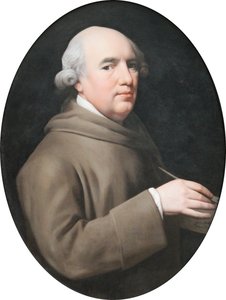
George Stubbs
1724 - 1806 , Wielka Brytania
Najważniejsze informacje
- Artistic Movement Or Style: Renesans, Sztuka koni
- Artists Or Movements Influenced By This Artist: ['Joshua Reynolds']
- Artists Who Influenced This Artist: ['Hamlet Winstanley']
- Date Of Birth: 25 sierpnia 1724
- Date Of Death: 10 lipca 1806
- Full Name: George Stubbs
- Nationality: Brytyjski
- Notable Artworks:
- Whistlejacket
- Lion i koń
- Anatomia konia
- Place Of Birth: Liverpool, Wielka Brytania
Zobacz także powiązane artykuły
George Stubbs: Anatomical Precision & Romantic Vision in 18th-Century British Art
Explore the captivating world of George Stubbs, the 18th-century master renowned for his anatomical precision & Romantic animal paintings. Discover his legacy and investment potential.
The Noble Steed on Canvas: A Historical & Artistic Exploration of Horse Painting Across Cultures
Explore the rich history of horse painting! Discover masterpieces from Stubbs to Munnings & learn about symbolism, techniques & artists. Find museum-quality reproductions at OriginalUniqueArt.

Georges Seurat: 25 Arcydzieł Punktalizmu dla Twojego Domu | OriginalUniqueArt.com
Odkryj 25 arcydzieł Georges'a Seurata! Poznaj historię punktalizmu, impresjonistyczne pejzaże i fascynującą technikę malarską. Reprodukcje obrazów najwyższej jakości na OriginalUniqueArt.com – inspiracje do Twojego wnętrza. Eksploruj pełną kolekcję online!

Georges Braque: 25 Arcydzieł Kubizmu i Nowoczesnej Sztuki | OriginalUniqueArt.com
Odkryj 25 arcydzieł Georges'a Braque – pioniera kubizmu i malarstwa nowoczesnego. Poznaj historię, techniki i inspiracje za jego najsłynniejszymi obrazami. Reprodukcje najwyższej jakości na OriginalUniqueArt.com! Eksploruj pełną kolekcję online.
Konie w sztuce: Symbolika, reprezentacje i ewolucja motywu od starożytności do współczesności
Odkryj fascynującą historię koni w sztuce! Poznaj symbolikę, reprezentacje i ewolucję motywu od starożytności do współczesności. Ekspercka analiza dla miłośników sztuki i historii.


