 Podgląd w skali 1:1
 Wyślij jako kartkę
 Udostępnij
 Szczegóły dzieła
 Przewodnik

 Pobierz obraz
 Podobne obiekty
 RTG
RTG Pokaz slajdów
 Pytania i odpowiedzi
 Statystyki
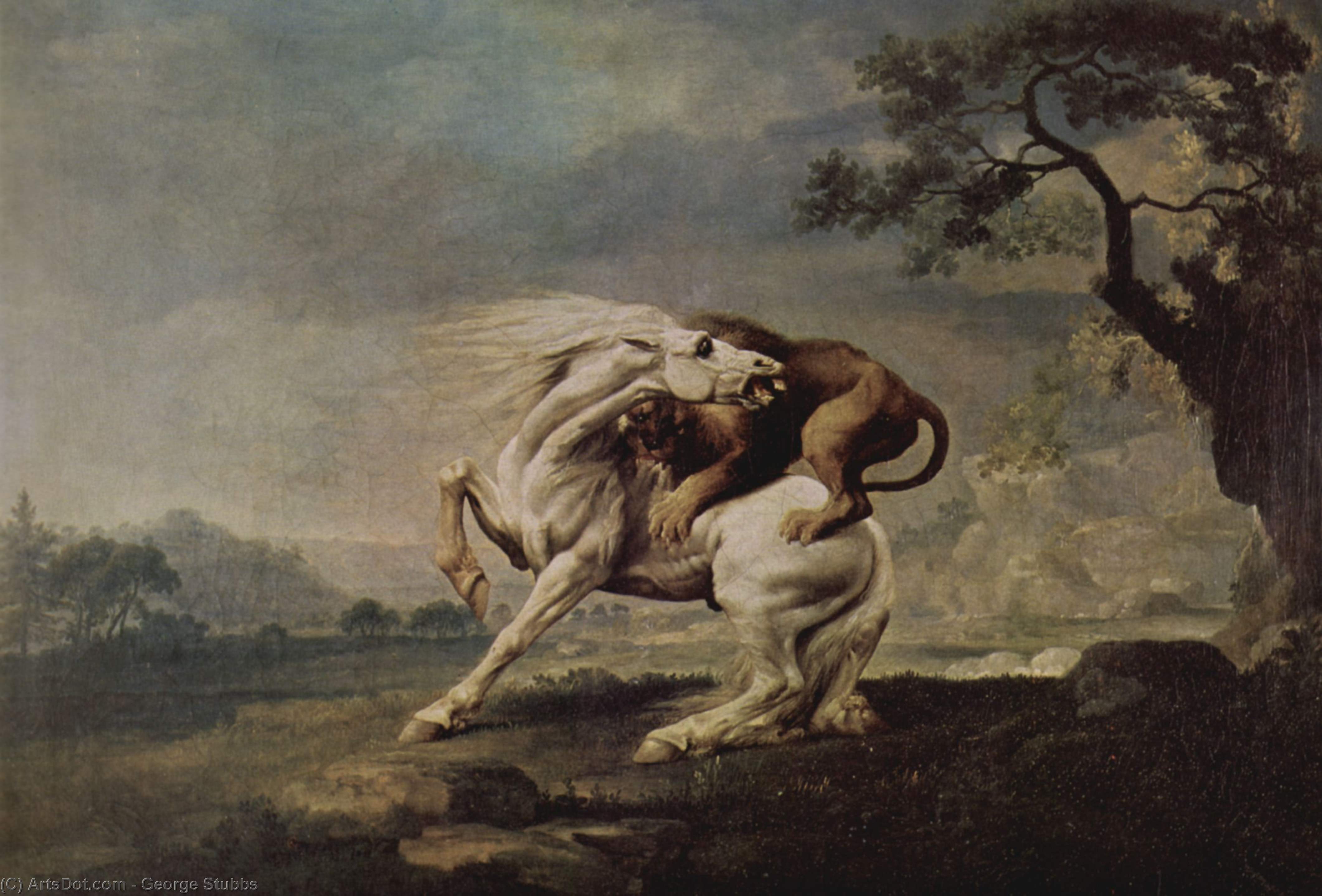
Leon Attakujący Konia

- 66.0 x 97.0 cm


 Rozwiń treść
Giclée / Wydruk artystyczny
Wydruki giclée lub płótna o jakości muzealnej, szybka realizacja i szeroki wybór opcji wykończenia. ( Zamów ręcznie malowaną reprodukcję Przejdź do wersji cyfrowej)




P118B zł10

P118H zł10

P118W zł10

P438Z zł10

P508JH zł12

P508YH zł12

P805H zł10

P805Z zł10

P919BZ zł10

P919G zł10

P919XJ zł10

P959ZH zł10

P968JZ zł12

W106C zł8

W218G zł10

W218JH zł8

W218Y zł10

W307PJ zł10

W316G zł10

W316PJ zł8

W316Y zł10

W398PJ zł8

W4111J zł10

W500HY zł15

W500JH zł15

W692G zł12

W849H zł8

W940BG zł15

W953PJ zł8




Wybierz spośród naszych standardowych rozmiarów, które zachowują oryginalne proporcje dzieła sztuki.

Wpisz wymaganą szerokość i wysokość, aby dopasować grafikę do ramy lub ściany. Wydruk można jedynie przyciąć, nigdy nie powiększając go poza oryginalny obraz, dlatego format o innych proporcjach spowoduje utratę części kompozycji. Przed rozpoczęciem druku prześlemy Ci cyfrowy podgląd do zatwierdzenia. Obraz wyświetlany na tej stronie nie pokazuje rzeczywistego przycięcia — jedynie podgląd oddaje ten efekt.
Dostawa na cały świat () w ciągu 2 tygodni zamiast standardowych 4/5 tygodni. (8 Listopad)

Bezpłatna ekspresowa wysyłka na cały świat

Wysokiej jakości płótno lniane

Pełne ubezpieczenie przesyłki

Gwarancja zwrotu należności celnych i podatków importowych

Gwarancja wiernego odwzorowania kolorów

100-dniowa polityka zwrotów (tylko w przypadku wad)

Gwarancja 100% zwrotu pieniędzy

Zniżka przy zakupie wielu sztuk
 Opcja ze szkłem jest dostępna wyłącznie w rozmiarach poniżej 110 cm

Leon Attakujący Konia
Giclée / Wydruk artystyczny
Wymiary reprodukcji
-


Cena całkowita
zł 317
Witajcie w świecie natury i konfliktu: Leon atakujący konia George'a Stubbsa
George Stubbs, angielski malarz z XVIII wieku, pozostawił po sobie dziedzictwo pełne niezwykłych obrazów, a jeden z nich – "Leon atakujący konia" – wciąż fascynuje i porusza. To nie tylko scena walki zwierząt, ale głęboka refleksja nad siłą natury, dramatycznym napięciem i pierwotnymi emocjami. Obraz ten, stworzony w 1765 roku, to świadectwo mistrzostwa Stubbsa w oddawaniu dynamiki, anatomii i ekspresji emocjonalnej – cech, które czynią go prawdziwym arcydziełem epoki.
W centrum tego monumentalnego dzieła znajduje się konfrontacja dwóch potężnych stworzeń: dzikiego lwa i majestatycznego, białego konia. Stubbs nie przedstawia tu prostego pojedynku; zamiast tego, uchwycił moment kulminacyjny, pełen napięcia, grozy i niepokojącej siły. Lw, z charakterystyczną dla niego dzikością, rzuca się na konia, a ten w odpowiedzi wykazuje panikę i desperację. Całość osadzona jest na tle surowego, naturalnego krajobrazu – niepokojącego ciszy i potęgi natury, która staje się świadkiem tego brutalnego starcia.
Klasycizm z odrobiną romantyzmu: Technika i styl George’a Stubbsa
Styl George'a Stubbsa to fascynująca mieszanka klasycznej precyzji i romantycznego dramatyzmu. Z jednej strony, malarz wykazał niezwykłą biegłość w oddawaniu anatomii zwierząt – jego obrazy koni są uznawane za jedne z najbardziej realistycznych i szczegółowych w historii sztuki. Z drugiej strony, Stubbs nie ograniczył się do prostego przedstawienia faktów; zdołał uchwycić emocje, napięcie i dynamikę walki, dodając obrazom głęboko ludzkiego wymiaru.
- Realizm anatomiczny: Stubbs był mistrzem w oddawaniu szczegółów anatomii zwierząt. Jego obrazy koni są niezwykle realistyczne i precyzyjne, co świadczy o jego ogromnej wiedzy i umiejętnościach.
- Dramatyzm i dynamika: Malowanie charakteryzuje się dynamiczną kompozycją i wyraźnym oddziaływaniem ruchu. Stubbs wykorzystał techniki takie jak mocne linie, głębokie cienie i kontrastujące kolory, aby stworzyć wrażenie ruchu i napięcia.
- Elementy romantyzmu: Obraz zawiera elementy romantyzmu, takie jak podkreślenie emocji, dramatycznej atmosfery i silnego oddziaływania na widza.
Historia i inspiracje: Korzenie "Leonu atakującego konia"
Obraz "Leon atakujący konia" powstał w okresie przełomowym dla sztuki angielskiej – w czasach, gdy romantyzm zaczynał wypierać klasyczne tradycje. Stubbs czerpał inspirację z różnych źródeł: od starożytnych rzeźb, przez ilustracje do podręczników medycznych, po obserwacje natury. Jednym z kluczowych punktów jego twórczości była fascynacja zwierzętami i ich zachowaniem – szczególnie koniami.
Według legendy, Stubbs zobaczył scenę ataku lwa na konia podczas swojej podróży do Maroka. Chociaż historia ta jest prawdopodobnie fikcyjna, to pokazuje jak silny wpływ miały obserwacje natury na twórczość malarza. Stubbs był również zainspirowany starożytną rzeźbą przedstawiającą lwa atakującego konia – dziełem greckiego rzeźbiarza Fidiasza. Obraz Stubbsa można więc interpretować jako reinterpretację klasycznej motywu, w nowej, bardziej dramatycznej i emocjonalnej formie.
Symbolika i emocje: Co kryje się za tą sceną?
"Leon atakujący konia" to nie tylko obraz przedstawiający walkę zwierząt. Jest to również symboliczna reprezentacja konfliktów, napięć i pierwotnych emocji. Konik, symbol niewinności i bezbronności, staje w obliczu zagrożenia i desperacji. Lew, symbol siły i agresji, dąży do dominacji i przejęcia. Obraz ten porusza fundamentalne pytania o naturę konfliktu, walkę o przetrwanie i rolę emocji w naszym życiu.
Dzięki swojej dramatycznej kompozycji, realistycznej technice i głęboko symbolicznej treści, "Leon atakujący konia" pozostaje jednym z najbardziej ikonicznych obrazów George'a Stubbsa – dziełem, które fascynuje i porusza widzów na całym świecie. Dla miłośników sztuki, kolekcjonerów i osób poszukujących unikalnych dekoracji wnętrzowych, to doskonały wybór – reprodukcja tego arcydzieła doda Twojemu domu dramatycznej atmosfery i głębi emocjonalnej.
Pytania i odpowiedzi
Jakie wnętrze najlepiej współgra z kolorystyką „Leon Attakujący Konia” – George Stubbs?
Biorąc pod uwagę jego Barwy ziemi kolorystykę, dzieło "Leon Attakujący Konia" idealnie pasuje do Salon lub strefa dzienna.
Czy kolory w "Leon Attakujący Konia" są intensywne czy stonowane?
„Leon Attakujący Konia” – George Stubbs charakteryzuje się Monochromatyczność intensywnością kolorów.
Jak kolory w dziele "Leon Attakujący Konia" współgrają ze sobą?
„Leon Attakujący Konia” – George Stubbs prezentuje Silna spójność kolorystyczna harmonię kolorystyczną.
Biografia artysty
Early Life and Training
George Stubbs, a name synonymous with the majestic power of the horse, was born in Liverpool on August 25th, 1724 – a city steeped in maritime history and burgeoning trade. His father, a leatherworker and currier, instilled in him a practical understanding of materials and craftsmanship, while his mother’s background in the trading industry likely fostered an appreciation for observation and detail. Stubbs's early years were marked by a relative lack of formal artistic instruction; he was largely self-taught, though he received a brief apprenticeship under Hamlet Winstanley, a Lancastrian painter and engraver, providing him with a foundational understanding of perspective and technique. This short period at Winstanley’s studio allowed Stubbs to study the collection housed at Knowsley Hall, a significant influence on his artistic development. Crucially, from a young age, Stubbs demonstrated an intense fascination with anatomy – a passion that would profoundly shape his later work. He began dissecting small animals as a teenager, meticulously documenting their structures and forms, laying the groundwork for his groundbreaking approach to equine painting.Artistic Development and Notable Works
Stubbs’s artistic journey truly took flight when he moved to York in 1744, seeking an environment conducive to his anatomical studies. There, under the tutelage of surgeon Charles Atkinson at York County Hospital, he immersed himself in the world of human anatomy, gaining a deep understanding of musculature and skeletal structure. This rigorous training proved invaluable, informing his unparalleled ability to depict horses with astonishing realism and accuracy. A pivotal moment arrived in 1756 when Stubbs rented a farmhouse in Lincolnshire and dedicated eighteen months to the painstaking task of dissecting horses – an undertaking that produced his seminal work, *Anatomia Equi* (The Anatomy of the Horse), published in 1766. This monumental book, featuring meticulously detailed drawings, was a scientific triumph and a remarkable artistic achievement, establishing Stubbs as a pioneer in anatomical illustration. The publication garnered him significant acclaim and commissions from aristocratic patrons, including the 3rd Duke of Richmond, who commissioned three large paintings – a watershed moment that propelled Stubbs to prominence within London’s art scene.The Rise of Romanticism and Conversation Pieces
Following his success in York and London, Stubbs established himself as one of the most sought-after portrait painters of his time. He quickly moved beyond simple equestrian portraits, developing a distinctive style characterized by dramatic compositions, dynamic movement, and an almost theatrical quality. His “conversation pieces,” often depicting horses alongside their owners or grooms, broke with traditional conventions, presenting a more intimate and engaging scene. Notably, these works featured plain backgrounds – a deliberate choice that drew attention to the figures and the magnificent animals themselves. Stubbs’s command of light and shadow, coupled with his masterful understanding of equine anatomy and psychology, created paintings that were both scientifically accurate and emotionally resonant. His most celebrated work, *Whistlejacket*, a painting of a thoroughbred racehorse rising on his hind legs, exemplifies this innovative approach – capturing not just the physical form of the horse but also its spirit and power.Legacy and Enduring Influence
George Stubbs’s legacy extends far beyond his individual paintings; he fundamentally transformed the way horses were depicted in art. His meticulous anatomical studies revolutionized equine painting, establishing a new standard for realism and accuracy. He is widely considered the greatest of all horse painters, a title earned through decades of dedicated observation, tireless dissection, and an unwavering commitment to capturing the essence of these magnificent animals. Stubbs’s influence can be seen in the works of subsequent generations of artists, including Edgar Degas and Julius Kossak. His paintings continue to captivate audiences today, not only for their technical brilliance but also for their evocative portrayal of the relationship between humans and horses – a bond that has endured for centuries. Stubbs's work remains an enduring testament to his artistic genius and his profound understanding of the animal world.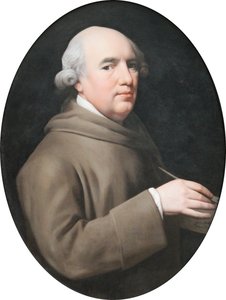
George Stubbs
1724 - 1806 , Wielka Brytania
Krótka nota
- Artistic Movement Or Style: Renesans, Sztuka koni
- Artists Or Movements Influenced By This Artist: ['Joshua Reynolds']
- Artists Who Influenced This Artist: ['Hamlet Winstanley']
- Date Of Birth: 25 sierpnia 1724
- Date Of Death: 10 lipca 1806
- Full Name: George Stubbs
- Nationality: Brytyjski
- Notable Artworks:
- Whistlejacket
- Lion i koń
- Anatomia konia
- Place Of Birth: Liverpool, Wielka Brytania
Powiązane artykuły

Georges Braque: 25 Arcydzieł Kubizmu i Nowoczesnej Sztuki | OriginalUniqueArt.com
Odkryj 25 arcydzieł Georges'a Braque – pioniera kubizmu i malarstwa nowoczesnego. Poznaj historię, techniki i inspiracje za jego najsłynniejszymi obrazami. Reprodukcje najwyższej jakości na OriginalUniqueArt.com! Eksploruj pełną kolekcję online.
The Noble Steed on Canvas: A Historical & Artistic Exploration of Horse Painting Across Cultures
Explore the rich history of horse painting! Discover masterpieces from Stubbs to Munnings & learn about symbolism, techniques & artists. Find museum-quality reproductions at OriginalUniqueArt.
Konie w sztuce: Symbolika, reprezentacje i ewolucja motywu od starożytności do współczesności
Odkryj fascynującą historię koni w sztuce! Poznaj symbolikę, reprezentacje i ewolucję motywu od starożytności do współczesności. Ekspercka analiza dla miłośników sztuki i historii.

Georges Seurat: 25 Arcydzieł Punktalizmu dla Twojego Domu | OriginalUniqueArt.com
Odkryj 25 arcydzieł Georges'a Seurata! Poznaj historię punktalizmu, impresjonistyczne pejzaże i fascynującą technikę malarską. Reprodukcje obrazów najwyższej jakości na OriginalUniqueArt.com – inspiracje do Twojego wnętrza. Eksploruj pełną kolekcję online!
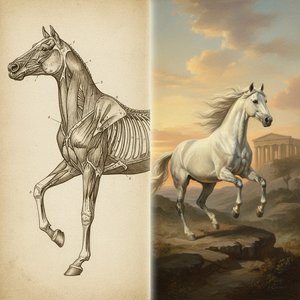
George Stubbs: Anatomical Precision & Romantic Vision in 18th-Century British Art
Explore the captivating world of George Stubbs, the 18th-century master renowned for his anatomical precision & Romantic animal paintings. Discover his legacy and investment potential.


