

 Zobacz w skali 1:1
 Wyślij
 Udostępnij
 Szczegóły
 Przewodnik

 Pobierz plik obrazu
 Podobne obiekty
 RTG
RTG Pokaz slajdów
 Statystyki
A Black Water Spaniel

 Czytaj więcej
Ręcznie malowana reprodukcja olejowa
Ręcznie malowany obraz olejny na płótnie, wykonany na zamówienie przez naszych artystów w wybranym przez Ciebie wymiarze i oprawie. ( Przełącz na wersję drukowaną Przełącz na wersję cyfrową)




































Wybierz spośród naszych standardowych rozmiarów, które zachowują oryginalne proporcje dzieła sztuki.

Wpisz wymaganą szerokość i wysokość, aby obraz pasował do Twojej ramy lub ściany. Ponieważ jest to dzieło malowane ręcznie, w przypadku rozmiaru o innym proporcji artysta może domalować nieco więcej wokół obrazu lub przyciąć fragmenty — wybór należy do Ciebie. Przed rozpoczęciem pracy prześlemy Ci cyfrową wizualizację do zatwierdzenia. Obraz widoczny na tej stronie nie przedstawia rzeczywistego efektu — jedynie wizualizacja oddaje realny rezultat.
Po złożeniu zamówienia zespół OriginalUniqueArt.com skontaktuje się z klientem drogą mailową w celu uzyskania instrukcji i prześle wizualizację projektu
Dostawa na całym świecie () w ciągu 3–4 tygodni zamiast standardowych 5 tygodni. (23 Październik). Bez kompromisów w kwestii jakości.

Bezpłatna ekspresowa wysyłka na cały świat

Wysokiej jakości płótno lniane

Pełne ubezpieczenie transportowe

Gwarancja zwrotu należności celnych i podatków importowych

Gwarancja idealnego odwzorowania barw

100-dniowy okres na zwrot dzieła w przypadku wykrycia wad produkcyjnych

Gwarancja 100% zwrotu pieniędzy

Oferta przy zakupie wielu sztuk
 Opcja ze szkłem jest dostępna wyłącznie w rozmiarach poniżej 110 cm

A Black Water Spaniel
Technika wykonania
Rozmiar reprodukcji
-


Suma do zapłaty
zł 1155
A Black Water Spaniel by George Stubbs: An Exploration
- Artist: George Stubbs
- Date: Unknown (likely circa 1760)
- Medium: Oil on Canvas or Panel
Subject and Composition
This captivating artwork presents a portrait of a black water spaniel, rendered with remarkable detail and artistry by the renowned English painter George Stubbs. The dog is the undeniable focal point, occupying a significant portion of the canvas and positioned slightly off-center to create visual interest. It faces towards the left side of the frame, suggesting alertness and engagement with its surroundings. The composition skillfully utilizes a natural landscape as a backdrop – a body of water (likely a lake or pond) stretches across the background, partially obscured by tall grasses and trees. This layering creates a sense of depth, drawing the viewer's eye from the foreground details to the softer, less distinct elements in the distance.
Style, Technique, and Historical Context
A Black Water Spaniel exemplifies Stubbs’ characteristic style – representative with a degree of realism, firmly rooted within 18th-century animal portraiture. Stubbs was celebrated for his anatomical accuracy, a passion that led him to study anatomy at York County Hospital. This dedication is evident in the meticulous rendering of the dog's form and fur. The technique involves layering and blending oil paints to achieve tonal variations and textures; visible brushstrokes contribute to the painting’s aged appearance and create an atmospheric quality. The muted color palette, dominated by blacks, greens, browns, and hints of orange and pink, is typical of the period and contributes to a sense of tranquility. Stubbs' work reflects the growing interest in naturalism during the 18th century, moving away from more stylized depictions towards greater fidelity to observed reality.
Symbolism and Emotional Impact
Beyond its aesthetic appeal, A Black Water Spaniel evokes a sense of tranquility and connection with nature. The dog’s alert posture suggests intelligence and alertness, qualities highly valued in working dogs of the time. The landscape itself conveys a feeling of peacefulness and harmony. While seemingly straightforward, animal portraits like this often served as symbols of status and prosperity for their owners, showcasing prized hunting companions or beloved pets. The diffused lighting and soft lines contribute to a subdued mood, inviting contemplation and appreciation for the beauty of both the animal and its natural habitat.
George Stubbs: A Brief Biography
- Birth Year: 1724
- Death Year: 1806
- Born in: Liverpool, United Kingdom
- Known For: His exceptional paintings of horses and other animals, characterized by anatomical accuracy and a pioneering approach to realism. Stubbs was a self-taught artist who dedicated himself to the study of anatomy, which profoundly influenced his artistic style. He enjoyed royal patronage and is considered one of the most important British artists of the 18th century.
Pytania i odpowiedzi
Jak intensywne są kolory w „A Black Water Spaniel” autorstwa George Stubbs?
„A Black Water Spaniel” autorstwa George Stubbs charakteryzuje się Monochromatic intensywnością kolorów.
Czy dzieło "A Black Water Spaniel" jest dostępne jako wysokiej jakości wydruk artystyczny?
Aby zamówić wydruk dzieła „A Black Water Spaniel” autorstwa George Stubbs, wystarczy przejść na jego stronę Wydruk artystyczny: szlachetna odbitka na płótnie bawełnianym lub archiwalnym papierze płótnopodobnym.
Jaki poziom luminancji ma „A Black Water Spaniel” autorstwa George Stubbs?
Kolory dzieła "A Black Water Spaniel" wykazują luminancję na poziomie Soft Shadow.
Biografia artysty
Early Life and Training
George Stubbs, a name synonymous with the majestic power of the horse, was born in Liverpool on August 25th, 1724 – a city steeped in maritime history and burgeoning trade. His father, a leatherworker and currier, instilled in him a practical understanding of materials and craftsmanship, while his mother’s background in the trading industry likely fostered an appreciation for observation and detail. Stubbs's early years were marked by a relative lack of formal artistic instruction; he was largely self-taught, though he received a brief apprenticeship under Hamlet Winstanley, a Lancastrian painter and engraver, providing him with a foundational understanding of perspective and technique. This short period at Winstanley’s studio allowed Stubbs to study the collection housed at Knowsley Hall, a significant influence on his artistic development. Crucially, from a young age, Stubbs demonstrated an intense fascination with anatomy – a passion that would profoundly shape his later work. He began dissecting small animals as a teenager, meticulously documenting their structures and forms, laying the groundwork for his groundbreaking approach to equine painting.Artistic Development and Notable Works
Stubbs’s artistic journey truly took flight when he moved to York in 1744, seeking an environment conducive to his anatomical studies. There, under the tutelage of surgeon Charles Atkinson at York County Hospital, he immersed himself in the world of human anatomy, gaining a deep understanding of musculature and skeletal structure. This rigorous training proved invaluable, informing his unparalleled ability to depict horses with astonishing realism and accuracy. A pivotal moment arrived in 1756 when Stubbs rented a farmhouse in Lincolnshire and dedicated eighteen months to the painstaking task of dissecting horses – an undertaking that produced his seminal work, *Anatomia Equi* (The Anatomy of the Horse), published in 1766. This monumental book, featuring meticulously detailed drawings, was a scientific triumph and a remarkable artistic achievement, establishing Stubbs as a pioneer in anatomical illustration. The publication garnered him significant acclaim and commissions from aristocratic patrons, including the 3rd Duke of Richmond, who commissioned three large paintings – a watershed moment that propelled Stubbs to prominence within London’s art scene.The Rise of Romanticism and Conversation Pieces
Following his success in York and London, Stubbs established himself as one of the most sought-after portrait painters of his time. He quickly moved beyond simple equestrian portraits, developing a distinctive style characterized by dramatic compositions, dynamic movement, and an almost theatrical quality. His “conversation pieces,” often depicting horses alongside their owners or grooms, broke with traditional conventions, presenting a more intimate and engaging scene. Notably, these works featured plain backgrounds – a deliberate choice that drew attention to the figures and the magnificent animals themselves. Stubbs’s command of light and shadow, coupled with his masterful understanding of equine anatomy and psychology, created paintings that were both scientifically accurate and emotionally resonant. His most celebrated work, *Whistlejacket*, a painting of a thoroughbred racehorse rising on his hind legs, exemplifies this innovative approach – capturing not just the physical form of the horse but also its spirit and power.Legacy and Enduring Influence
George Stubbs’s legacy extends far beyond his individual paintings; he fundamentally transformed the way horses were depicted in art. His meticulous anatomical studies revolutionized equine painting, establishing a new standard for realism and accuracy. He is widely considered the greatest of all horse painters, a title earned through decades of dedicated observation, tireless dissection, and an unwavering commitment to capturing the essence of these magnificent animals. Stubbs’s influence can be seen in the works of subsequent generations of artists, including Edgar Degas and Julius Kossak. His paintings continue to captivate audiences today, not only for their technical brilliance but also for their evocative portrayal of the relationship between humans and horses – a bond that has endured for centuries. Stubbs's work remains an enduring testament to his artistic genius and his profound understanding of the animal world.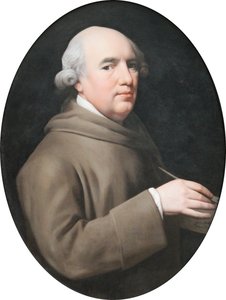
George Stubbs
1724 - 1806 , Wielka Brytania
Najważniejsze informacje
- Artistic Movement Or Style: Renesans, Sztuka koni
- Artists Or Movements Influenced By This Artist: ['Joshua Reynolds']
- Artists Who Influenced This Artist: ['Hamlet Winstanley']
- Date Of Birth: 25 sierpnia 1724
- Date Of Death: 10 lipca 1806
- Full Name: George Stubbs
- Nationality: Brytyjski
- Notable Artworks:
- Whistlejacket
- Lion i koń
- Anatomia konia
- Place Of Birth: Liverpool, Wielka Brytania
Zobacz także powiązane artykuły
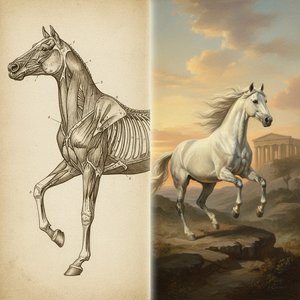
George Stubbs: Anatomical Precision & Romantic Vision in 18th-Century British Art
Explore the captivating world of George Stubbs, the 18th-century master renowned for his anatomical precision & Romantic animal paintings. Discover his legacy and investment potential.
Zwierzęta w Sztuce: Wprowadzanie Życia do Twojej Przestrzeni
Odkryj fascynujący świat zwierząt w sztuce! Poznaj symbolikę, historię i współczesne interpretacje. Znajdź idealny obraz ze zwierzęciem do swojego wnętrza z .

Czarne arcydzieła: Top 10 słynnych obrazów pełnych mroku i ekspresji | OriginalUniqueArt.com
Odkryj 10 słynnych obrazów, w których czerń króluje! Poznaj historie artystów, ekspresjonizm i mroczną paletę barw. Reprodukcje dzieł sztuki najwyższej jakości na OriginalUniqueArt.com – inspiracje do wnętrz i kolekcjonerstwo.

Georges Braque: 25 Arcydzieł Kubizmu i Nowoczesnej Sztuki | OriginalUniqueArt.com
Odkryj 25 arcydzieł Georges'a Braque – pioniera kubizmu i malarstwa nowoczesnego. Poznaj historię, techniki i inspiracje za jego najsłynniejszymi obrazami. Reprodukcje najwyższej jakości na OriginalUniqueArt.com! Eksploruj pełną kolekcję online.

Georges Seurat: 25 Arcydzieł Punktalizmu dla Twojego Domu | OriginalUniqueArt.com
Odkryj 25 arcydzieł Georges'a Seurata! Poznaj historię punktalizmu, impresjonistyczne pejzaże i fascynującą technikę malarską. Reprodukcje obrazów najwyższej jakości na OriginalUniqueArt.com – inspiracje do Twojego wnętrza. Eksploruj pełną kolekcję online!


