
 Podgląd w skali 1:1
 Wyślij jako kartkę
 Udostępnij
 Szczegóły dzieła
 Przewodnik

 Pobierz obraz
 Podobne obiekty
 RTG
RTG Pokaz slajdów
 Q&A
Q&A Statystyki
The dancers (2)

 Rozwiń treść
Dzieło sztuki prezentowane na tej stronie podlega ochronie prawem autorskim, co oznacza, że nie mamy prawa do tworzenia ani sprzedaży jego identycznej reprodukcji. Ochrona ta jest egzekwowana na mocy umów międzynarodowych, takich jak Konwencja berneńska oraz przez przepisy prawa krajowego, w tym te określone w Prawo autorskie USA – Tytuł 17.
Metoda ta jest w pełni zgodna z przepisami prawa autorskiego, ponieważ nie polega na kopiowaniu ani powielaniu chronionego dzieła. Stanowi ona kreatywną reinterpretację – nowy obraz, który czerpie inspirację z oryginału, ale nie jest z nim tożsamy.
Giclée / Wydruk artystyczny
Wydruki giclée lub płótna o jakości muzealnej, szybka realizacja i szeroki wybór opcji wykończenia. ( Zamów ręcznie malowaną reprodukcję Przejdź do wersji cyfrowej)




P118B zł10

P118H zł10

P118W zł10

P438Z zł10

P508JH zł12

P508YH zł12

P805H zł10

P805Z zł10

P919BZ zł10

P919G zł10

P919XJ zł10

P959ZH zł10

P968JZ zł12

W106C zł8

W218G zł10

W218JH zł8

W218Y zł10

W307PJ zł10

W316G zł10

W316PJ zł8

W316Y zł10

W398PJ zł8

W4111J zł10

W500HY zł15

W500JH zł15

W692G zł12

W849H zł8

W940BG zł15

W953PJ zł8




Wybierz spośród naszych standardowych rozmiarów, które zachowują oryginalne proporcje dzieła sztuki.

Wpisz wymaganą szerokość i wysokość, aby dopasować grafikę do ramy lub ściany. Wydruk można jedynie przyciąć, nigdy nie powiększając go poza oryginalny obraz, dlatego format o innych proporcjach spowoduje utratę części kompozycji. Przed rozpoczęciem druku prześlemy Ci cyfrowy podgląd do zatwierdzenia. Obraz wyświetlany na tej stronie nie pokazuje rzeczywistego przycięcia — jedynie podgląd oddaje ten efekt.
Dostawa na cały świat () w ciągu 2 tygodni zamiast standardowych 4/5 tygodni. (1 Listopad)

Bezpłatna ekspresowa wysyłka na cały świat

Wysokiej jakości płótno lniane

Pełne ubezpieczenie przesyłki

Gwarancja zwrotu należności celnych i podatków importowych

Gwarancja wiernego odwzorowania kolorów

100-dniowa polityka zwrotów (tylko w przypadku wad)

Gwarancja 100% zwrotu pieniędzy

Zniżka przy zakupie wielu sztuk
 Opcja ze szkłem jest dostępna wyłącznie w rozmiarach poniżej 110 cm

The dancers (2)
Giclée / Wydruk artystyczny
Wymiary reprodukcji
-


Cena całkowita
zł 311
Biografia artysty
George Segal (1924 – 2000): The Poetic Void of Everyday Life
George Segal was a pivotal figure in American Pop Art, renowned for his distinctive sculptural approach that combined meticulous craftsmanship with profound emotional resonance. Born in New York City in 1924 to Jewish immigrants from Eastern Europe, Segal’s upbringing instilled in him an appreciation for both artistic tradition and intellectual curiosity—a duality that would profoundly shape his creative vision. He pursued formal education at Stuyvesant High School, Pratt Institute, Cooper Union, and NYU, earning a teaching degree in 1949, establishing a foundation for his future career as an educator and artist.- Early Career & Influences: Segal’s artistic journey began with painting, absorbing influences from Surrealism and Abstract Expressionism, particularly the work of Franz Kline and Willem de Kooning. However, he swiftly transitioned to sculpture, recognizing its potential for conveying complex ideas through simplified forms.
- The Plaster Bandage Technique: Segal revolutionized sculptural technique by pioneering the use of plaster bandages—specially designed gauze strips impregnated with plaster—as his primary medium. This innovative method involved wrapping a model in bandages in sections, removing hardened forms, and reconstructing them with additional plaster to create hollow shells. Unlike traditional molds, these shells retained the texture of the bandages, resulting in sculptures that possessed an inherent physicality and vulnerability.
Sculptural Innovation: Life-Size Casts & Melancholic Urban Scenes
Segal’s sculptural output is characterized by its striking simplicity—life-size figures placed within meticulously constructed urban environments crafted from found objects like benches, bus shelters, and diner tables. These scenes evoke a sense of isolation and contemplation, mirroring the artist's own preoccupation with themes of mortality and human experience. The figures themselves are rendered in muted tones, devoid of excessive detail, contributing to their ghostly appearance and conveying an atmosphere of melancholic beauty. This deliberate reductionist style aligns perfectly with Pop Art’s rejection of emotional excess and its focus on confronting everyday realities.- The Process: Segal initially painted his sculptures white, reflecting the original plaster form. Later, he transitioned to bronze casting, sometimes patinating it white to emulate the texture of the plaster bandages—a testament to his commitment to preserving the materiality of his process.
- Symbolism & Atmosphere: The figures’ stillness and anonymity serve as powerful symbols of human existence, prompting viewers to consider questions about identity, solitude, and the passage of time. Segal's environments amplify this effect, creating spaces that feel both familiar and unsettling.
Recognition & Legacy
George Segal’s contribution to American art was formally acknowledged in 1999 when he received the United States National Medal of Arts—a prestigious honor bestowed upon individuals who have made significant contributions to the arts. His sculptures continue to resonate with audiences worldwide, celebrated for their understated elegance and profound psychological depth. Segal's work stands as a cornerstone of Pop Art’s exploration of existential concerns within the context of modern life, cementing his place as one of the most influential sculptors of the 20th century.Notable Works
Some of Segal’s most celebrated pieces include “Three People on 4 Benches,” “Two Bathers,” and “The Tightrope Walker”—each embodying the artist's signature style and conveying a poignant meditation on human vulnerability and urban solitude. These sculptures are currently housed in prominent museums across North America and Europe, ensuring that Segal’s artistic vision will endure for generations to come.Further Exploration
For more information about George Segal’s life and work, please refer to the Wikipedia article: Wikipedia.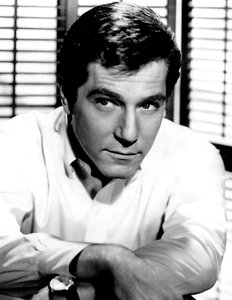
George Segal
1924 - 2000 , United States of America
Krótka nota
- Full Name: George Segal
- Nationality: American
- Date Of Birth: 1924
- Date Of Death: 2000
- Place Of Birth: New York, United States of America
- Notable Artworks:
- Three People on 4 Benches
- Two bathers
- The tightrope walker
- Artistic Movement Or Style: Pop Art
Powiązane artykuły
Pop Surrealism Unveiled: The Sophisticated Intersection of Vibrant Pop Art and Dreamlike Subconscious Landscapes
Explore the captivating world of Pop Surrealism. Discover how vibrant Pop Art meets dreamlike subconscious imagery through the works of masters like Jeff Soto and Ryan Heshka. An expert guide for discerning collectors seeking to understand this profound contemporary art movement.

Georges Braque: 25 Arcydzieł Kubizmu i Nowoczesnej Sztuki | OriginalUniqueArt.com
Odkryj 25 arcydzieł Georges'a Braque – pioniera kubizmu i malarstwa nowoczesnego. Poznaj historię, techniki i inspiracje za jego najsłynniejszymi obrazami. Reprodukcje najwyższej jakości na OriginalUniqueArt.com! Eksploruj pełną kolekcję online.
Aggressive Pop Art: The High-Impact Movement Redefining Street Style and Urban Design
Discover how Aggressive Pop Art is shattering minimalism to redefine urban design. Explore the high-impact trends of Neo-Pop, street style aesthetics, and bold graphic movements shaping modern interiors and contemporary culture.

Georges Seurat: 25 Arcydzieł Punktalizmu dla Twojego Domu | OriginalUniqueArt.com
Odkryj 25 arcydzieł Georges'a Seurata! Poznaj historię punktalizmu, impresjonistyczne pejzaże i fascynującą technikę malarską. Reprodukcje obrazów najwyższej jakości na OriginalUniqueArt.com – inspiracje do Twojego wnętrza. Eksploruj pełną kolekcję online!
More Than Meets the Eye: Decoding the Hidden Symbols and Bold Layers of Allegorical Pop Art
Unlock the secrets of Pop Art. From Warhol's influence to aggressive modern aesthetics, we decode the bold layers and hidden symbols in contemporary icons. Elevate your urban space with high-impact, hand-painted reproductions and custom commissions designed for the bold.