

 Podgląd w skali
 Wyślij jako kartkę
 Udostępnij
 Szczegóły dzieła

 Pobierz
 Podobne obiekty
 RTG
RTG Pokaz slajdów
Frances Wickham Graham


 Rozwiń treść
Giclée / Wydruk artystyczny
Druk giclée lub płótno o jakości muzealnej, szybka realizacja i szeroki wybór opcji wykończenia. ( Zamów ręcznie malowaną reprodukcję Kup obraz wysokiej rozdzielczości)




P118B $10

P118H $10

P118W $10

P438Z $10

P508JH $12

P508YH $12

P805H $10

P805Z $10

P919BZ $10

P919G $10

P919XJ $10

P959ZH $10

P968JZ $12

W106C $8

W218G $10

W218JH $8

W218Y $10

W307PJ $10

W316G $10

W316PJ $8

W316Y $10

W398PJ $8

W4111J $10

W500HY $15

W500JH $15

W692G $12

W849H $8

W940BG $15

W953PJ $8




Wybierz spośród naszych standardowych rozmiarów, które zachowują oryginalne proporcje dzieła sztuki.

Możesz wprowadzić własne wymiary, aby dopasować dzieło do konkretnej ramy lub przestrzeni. Jeśli wybrany rozmiar nie będzie odpowiadał proporcjom oryginalnego obrazu, przytniecie dzieło lub rozszerzymy obraz za pomocą odbicia lustrzanego lub jednolitego wypełnienia krawędzi. Przed rozpoczęciem produkcji prześlemy cyfrową wizualizację do Twojej akceptacji.
Prosimy pamiętać, że podgląd na ekranie nie odzwierciedla faktycznego przycinania ani rozszerzania. Tylko wizualizacja dokładnie pokaże końcową kompozycję.
Mimo dostępności niestandardowych rozmiarów, zalecamy wybór wymiaru z listy zdefiniowanej, aby zachować oryginalne proporcje.
Dostawa na cały świat () w ciągu 2 tygodni zamiast standardowych 4/5 tygodni. (21 Sierpień)

Bezpłatna ekspresowa wysyłka na cały świat

Wysokiej jakości płótno lniane

Pełne ubezpieczenie przesyłki

Gwarancja zwrotu należności celnych i podatków importowych

Gwarancja wiernego odwzorowania kolorów

Polityka 60-dniowego zwrotu (tylko w przypadku wad)

Gwarancja 100% zwrotu kosztów

Zniżka przy zamówieniu wielu produktów
 Opcja ze szkłem jest dostępna wyłącznie w rozmiarach poniżej 110 cm

Frances Wickham Graham
Giclée / Wydruk artystyczny
Wymiary reprodukcji
-


Cena całkowita
$ 80
Opis kolekcjonerski
A Glimpse into Mid-Victorian Society
This captivating portrait of Frances Wickham Graham transports us directly into the refined, yet emotionally charged atmosphere of the American antebellum period. Painted by George Peter Alexander Healy, an artist renowned for his ability to capture likenesses with remarkable fidelity, the work serves not merely as a depiction of a woman, but as a carefully constructed tableau vivant of 1860s Virginia society. The subject, seated gracefully upon a vibrant red chair, commands attention. Her attire, rendered in shades of blue, speaks to the prevailing fashion sensibilities of the era, while the delicate gleam of her pearl necklace suggests both personal wealth and adherence to contemporary standards of feminine elegance. Healy masterfully captures the sitter’s composed demeanor; her expression is one of quiet seriousness, inviting the viewer into a moment of intimate contemplation.
The Artistry of George Peter Alexander Healy
To understand this painting is to appreciate the hand of its creator. George Peter Alexander Healy was more than just a portraitist; he was an observer of American history, chronicling the faces that shaped a nation. His technique allowed him to blend formal portraiture with narrative depth. Notice the subtle brushwork in the background and on the surrounding figures—the person visible near the top left corner and another at the bottom right—which anchors Frances within a larger social context. The inclusion of objects, such as the book resting on a surface before her, adds layers of potential symbolism, hinting at education, literature, or perhaps the domestic life that surrounded this prominent family.
Historical Echoes and Emotional Resonance
The historical context surrounding Frances Wickham Graham enriches the viewing experience immeasurably. The period itself was one of immense transition in American history, a time marked by both opulent social gatherings and underlying tensions. The accompanying narrative details—such as the mention of the fire at Hickory Hill—suggest a life lived through periods of profound upheaval. Despite any personal loss hinted at in the background lore, the subject’s bearing remains remarkably composed. This juxtaposition—the potential drama of history against the stillness of the painted moment—lends the piece a powerful emotional resonance. It speaks to resilience, grace under pressure, and the enduring spirit of womanhood within a structured society.
A Decorative Masterpiece for the Modern Collector
For the discerning collector or interior designer, this reproduction offers more than just wall art; it is an heirloom piece imbued with narrative weight. The rich jewel tones—the deep blue dress against the striking red chair—provide immediate visual drama, making it a stunning focal point in any formal drawing-room or library setting. Owning a high-quality rendition of Healy’s work allows one to connect tangibly with the artistry and social customs of the 19th century. It is an invitation to pause, reflect upon the passage of time, and admire the enduring skill of American portraiture.
O artyście
A Life Etched in Likeness: The World of George Peter Alexander Healy
George Peter Alexander Healy, a name that resonates through the annals of 19th-century American art, was far more than simply a painter of faces. He was a meticulous recorder of an era, a skilled observer of human character, and a master storyteller who imbued his canvases with both realism and profound historical significance. Born in Boston on July 15, 1813, Healy’s early life, marked by the sudden loss of his father – a merchant marine captain – instilled within him a resilience and a deep appreciation for the fleeting nature of existence, themes that would subtly inform much of his work. This formative experience, coupled with an encouragement from Jane Stuart, daughter of the renowned Gilbert Stuart, set him on a path toward artistic pursuit, ultimately leading to mentorship under the esteemed Thomas Sully, whose guidance proved instrumental in shaping his nascent talent and establishing his foundational techniques.European Refinement and Artistic Flourishing
In 1834, Healy embarked upon a transformative journey to Europe, an odyssey that would span sixteen years and fundamentally alter the trajectory of his artistic development. He immersed himself completely within the vibrant art scenes of Paris and Rome, seeking knowledge from masters such as Antoine-Jean Gros and Thomas Couture. These formative experiences weren’t merely about absorbing technical skills; they were a deep dive into the prevailing artistic philosophies and traditions of the time. The influence of French Realism is strikingly evident in his later portraits – a commitment to capturing subjects with an honest, unidealized portrayal of their appearance and character. He diligently studied the techniques of these masters, refining his brushwork, understanding composition, and developing a keen eye for detail. Crucially, he also spent time in Italy, absorbing the classical influences that had shaped European art for centuries. His dedication to his craft was recognized with a third-class medal at the Paris Salon in 1840 – a significant validation of his rising prominence within the artistic community and a testament to his growing reputation. Further solidifying his position, he was elected an honorary academician into the National Academy of Design in 1843, marking him as a respected artist both on the European continent and in America.Capturing an Era: Portraits of Power and Influence
Upon his return to the United States in 1855, Healy swiftly established himself as a leading portraitist, quickly becoming sought after by those who held positions of power and influence. His remarkable ability to capture not just physical likeness but also the very essence – the character, personality, and inner life – of his sitters made him an invaluable asset to society’s elite. He painted portraits of a staggering array of prominent individuals: John C. Calhoun, James Buchanan, Ulysses S. Grant, and countless others who shaped the course of American history. These weren't merely flattering depictions; they were insightful studies of personality and authority, offering glimpses into the minds and motivations of those who led the nation through periods of profound change. His portrait of Abraham Lincoln, in particular, stands as an iconic representation of the 16th president – a solemn and resolute figure captured with remarkable sensitivity and depth. The composition itself is carefully orchestrated to convey both strength and vulnerability, reflecting the complexities of Lincoln’s leadership during a time of national crisis.Beyond Likeness: Historical Narratives on Canvas
Healy's artistic ambition extended far beyond simply replicating appearances; he sought to capture moments of historical significance, imbuing his canvases with narrative power. This desire is most powerfully demonstrated in *The Peacemakers* (1868), a monumental painting depicting a strategy session between Abraham Lincoln and his advisors following the end of the Civil War. This work transcends mere documentation; it’s a poignant meditation on peace, reconciliation, and the immense weight of leadership. The composition is meticulously crafted to convey the tension and deliberation within the room, with each figure carefully positioned to suggest their role in shaping the nation's future. *The Peacemakers* serves as a powerful testament to Healy’s skill as a historical painter – a visual record not just of an event but also of the complex emotions and considerations that underpinned it.A Lasting Legacy: Remembrance and Reflection
George Peter Alexander Healy returned to Chicago in 1892, spending his final years surrounded by family and reflecting on a remarkable career. He passed away on June 24, 1894, leaving behind an extensive body of work that continues to captivate and inspire art enthusiasts worldwide. His autobiography, *Reminiscences of a Portrait Painter*, published posthumously, offers invaluable insights into his life, artistic philosophy, and the world he inhabited – a window into the mind of a master artist. Healy’s legacy rests not only on the sheer volume of his output but also on the quality and historical significance of his paintings. He was a true innovator, a keen observer of human nature, and a skilled storyteller who used his art to document the lives and times of those who shaped America. His portraits remain treasured artifacts, offering enduring glimpses into the past and reminding us of the individuals whose actions continue to resonate today. Healy’s contribution to American art is undeniable – a testament to the power of portraiture to transcend mere likeness and capture the very soul of an era.
George Peter Alexander Healy
1813 - 1894 , Stany Zjednoczone
Krótka nota
- Artistic Movement Or Style: Realizm
- Artists Or Movements Influenced By This Artist: ['Francuski realizm']
- Artists Who Influenced This Artist:
- Thomas Sully
- Antoine-Jean Gros
- Thomas Couture
- Date Of Birth: 15 lip 1813
- Date Of Death: 24 cze 1894
- Full Name: George Peter Alexander Healy
- Nationality: Amerykański
- Notable Artworks:
- The Peacemakers
- John C. Calhoun
- James Buchanan
- Place Of Birth: Boston, USA
Powiązane artykuły

Top 10 Sławnych Obrazów w Odcieniach Szaroniebieskiego – Inspiracje dla Wnętrz | OriginalUniqueArt.com
Odkryj 10 najsłynniejszych obrazów w odcieniach szaroniebieskiego! Poznaj historie Claude Moneta, Degasa i Van Gogha. Inspiracje wnętrzarskie i reprodukcje najwyższej jakości na OriginalUniqueArt.com – sztuka dla Twojego domu.
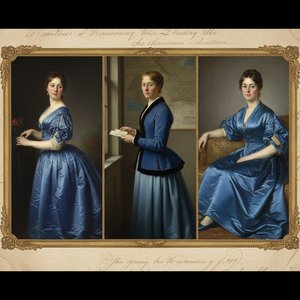
Azure Visions: Exploring Representations of the Blue Dress in Western Art History
Explore the rich history of the blue dress in Western art! Discover its symbolism, from Renaissance masterpieces to modern interpretations by artists like Martin & Schiele. Uncover cultural meanings and artistic techniques.
Błękit w Sztuce: Symbolika, Historia i Psychologiczne Oddziaływanie Koloru
Odkryj fascynującą historię błękitu w sztuce! Poznaj symbolikę, psychologię i wpływ tego koloru na arcydzieła renesansu i współczesne trendy. Ekspercka analiza dla miłośników sztuki.

Amerykański Realizm: 10 Arcydzieł, Które Zdefiniowały Epokę | OriginalUniqueArt
Poznaj 10 arcydzieł amerykańskiego realizmu! Odkryj historie Winslowa Homera, Edwarda Hoppera i innych mistrzów. Reprodukcje obrazów najwyższej jakości – inspiracje do Twojego wnętrza na OriginalUniqueArt.com

Grant Wood & American Regionalism: Identity, Myth & the Rural Landscape
Explore the world of Grant Wood & American Regionalism with OriginalUniqueArt. Discover the symbolism behind 'American Gothic', recurring themes, and the movement's lasting impact on art history. High-quality reproductions available.

