 Podgląd w skali 1:1
 Wyślij jako kartkę
 Udostępnij
 Szczegóły dzieła
 Przewodnik

 Pobierz obraz
 Podobne obiekty
 RTG
RTG Pokaz slajdów
 Pytania i odpowiedzi
 Statystyki
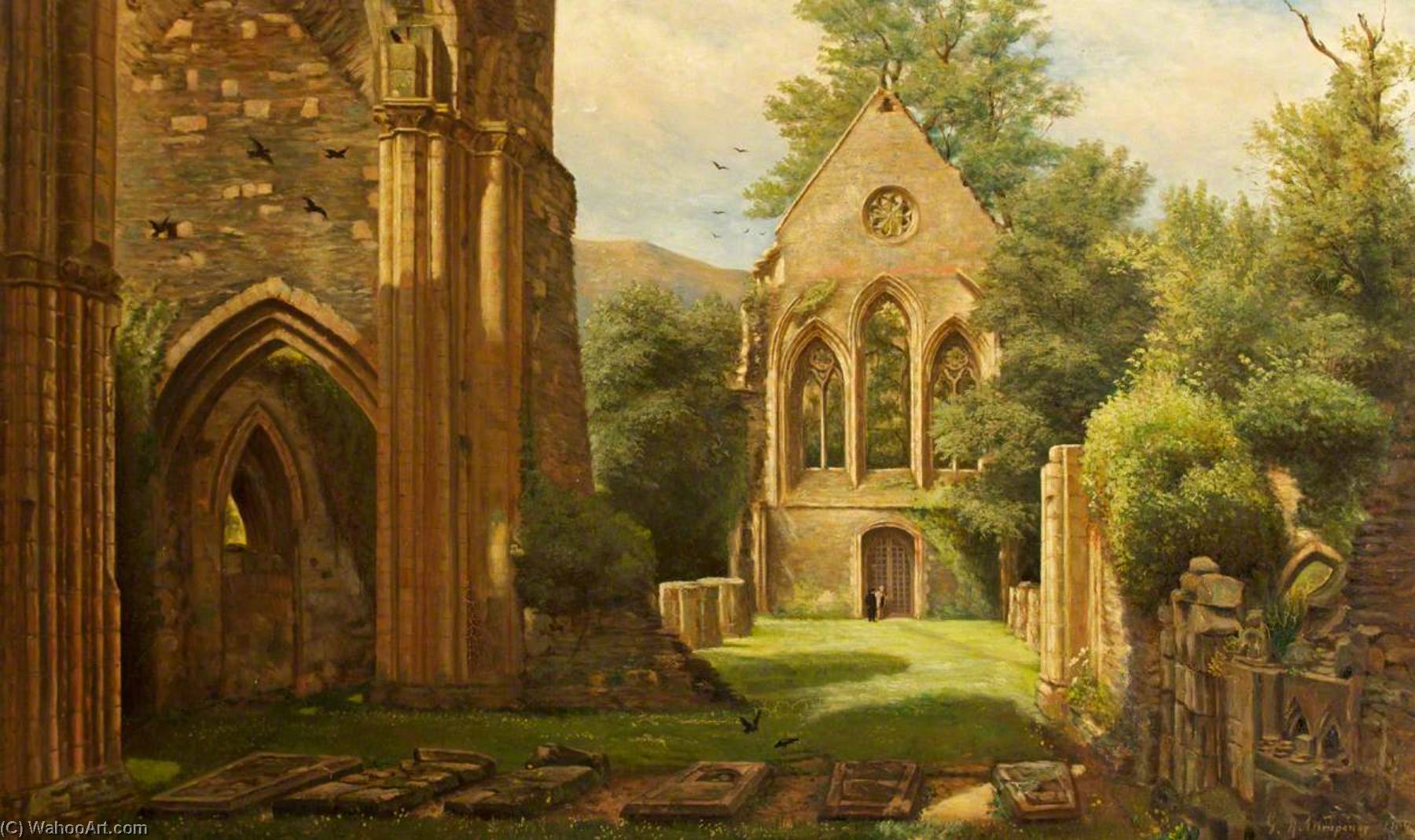
Llanthony Abbey

- 75.0 x 126.0 cm

 Rozwiń treść
Otrzymaj plik gotowy do druku, którego jakość znacznie przewyższa podgląd internetowy. Każdy sprzedawany przez nas obraz cyfrowy pochodzi z wysokorozdzielczego pliku wzorcowego w naszej bazie — zazwyczaj o szerokości od 5 000 do 15 000 pikseli — dzięki czemu możesz drukować w dużym formacie, mocno kadrować lub z pełnym przekonaniem odwzorowywać najdrobniejsze detale.
Żaden plik nie opuszcza naszego studia bez odpowiedniej obróbki. Ekspert ds. cyfrowej edycji sprawdza zgodność kolorów z oryginałem i w razie potrzeby je koryguje, a następnie za pomocą profesjonalnych narzędzi do retuszu poprawia ostrość oraz szczegółowość — zawsze zachowując wierność pociągnięciom pędzla i stylowi artysty. Rezultatem jest obraz, który wygląda jak prawdziwe dzieło, a nie jak przefiltrowany skan.
Zatwierdzasz przed finalizacją zamówienia: nasz ekspert prześle obraz drogą mailową w ciągu 72 godzin do Twojego wglądu. Nie jesteś zadowolony? Poproś o poprawki lub korektę, bądź o zwrot kosztów, jeśli jakość nie spełnia oczekiwań.
To jakość, na której polegają wydawcy, studia projektowe, galerie oraz drukarnie.
Obraz cyfrowy
Pobierz plik o wysokiej rozdzielczości do osobistego użytku, druku oraz projektów kreatywnych. ( Przełącz na wydania drukowane Zamów ręcznie malowaną reprodukcję)
W każdym zamówieniu na obraz cyfrowy znajduje się
Profesjonalna dostawa cyfrowa z gwarancją
Wybierając OriginalUniqueArt.com, nie otrzymujesz jedynie obrazu – otrzymujesz profesjonalnie udoskonalone cyfrowe dzieło sztuki, stworzone z najwyższą precyzją i objęte gwarancją satysfakcji. Oto wszystko, co automatycznie dołączane jest do Twojego zamówienia:

Błyskawiczna wysyłka e-mailowa
Plik z obrazem cyfrowym w wysokiej rozdzielczości zostanie przesłany na Twój adres e-mail w ciągu 72 godzin od złożenia zamówienia – gotowy do natychmiastowego użycia.

Plik cyfrowy wzbogacony przez AI
Twoja grafika została profesjonalnie zoptymalizowana przy użyciu zaawansowanych narzędzi AI oraz ręcznej edycji, co zapewnia maksymalną szczegółowość, klarowność i wierność kolorów.

Darmowe ponowne przesyłki dożywotnio
Przypadkowo usunąłeś lub zgubiłeś swój plik? Bez obaw – prześlemy go Tobie ponownie w dowolnym momencie, bez żadnych opłat.

Bez opłat importowych – zawsze
Ciesz się swoją sztuką natychmiast, bez żadnych opłat celnych, należności ani kosztów dostawy – pliki cyfrowe są zawsze wolne od podatku.

Gwarancja wierności kolorów
Dzięki zastosowaniu profesjonalnych narzędzi i procesów zarządzania barwą zapewniamy, że Twoje cyfrowe zdjęcie odzwierciedla oryginalne kolory tak wiernie, jak to tylko możliwe.

Gwarancja satysfakcji przez 100 dni
Jeśli nie będziesz zadowolony ze swojego cyfrowego obrazu, dokonamy jego poprawki lub zwrócimy 100% kosztów w ciągu 100 dni – bez zbędnych pytań.

100% Gwarancja zwrotu pieniędzy
Nie jesteś zadowolony? Otrzymaj pełny zwrot kosztów w ciągu 100 dni od otrzymania pliku cyfrowego – bez zbędnych pytań.

Rabaty przy zamówieniach hurtowych
Kup 3 obrazy, oszczędź 10% - Kup 5, oszczędź 15% - Kup 10+, oszczędź 20%. Idealne do projektów kreatywnych, galerii i agencji.
The painting depicts a large stone building with a clock tower in the middle, surrounded by trees and smaller buildings nearby. The scene is picturesque and inviting, with several birds flying around the area, adding to the natural ambiance. A bench can be seen in front of the main building, providing a place for people to sit and enjoy the view.
Artistic Style and Influences
George Henry Wimpenny's style is reminiscent of the Impressionist movement, which emphasized capturing the fleeting effects of light and color. Similar to artists like Pierre-Auguste Renoir, who created beautiful pieces like Yvonne and Christine Lerolle Playing the Piano, Wimpenny's work is characterized by its attention to detail and ability to evoke a sense of serenity.Comparison with Other Artists
Other artists, such as Wassily Kandinsky and Claude Monet, also explored the relationship between nature and architecture in their work. For example, Kandinsky's Mountain Landscape with Church and Monet's Arm of the Seine at Giverny showcase the beauty of natural landscapes and the importance of light and color.Conclusion
The Llanthony Abbey painting by George Henry Wimpenny is a beautiful example of late 19th-century art. Its stunning depiction of architectural landscapes and natural scenery makes it a must-see for art lovers. For more information on this painting and other works by Wimpenny, visit https://OriginalUniqueArt.com. You can also explore other artists and their works, such as Sandro Botticelli's Scenes from the Life of Moses, on the same website.- View more paintings by George Henry Wimpenny at https://OriginalUniqueArt.com
- Learn about other artists, such as Ivan Kuzmich Makarov, on https://OriginalUniqueArt.com
- Discover the beauty of hand-made oil painting reproductions at https://OriginalUniqueArt.com
Pytania i odpowiedzi
W którym roku powstało dzieło "Llanthony Abbey"?
"Llanthony Abbey" powstało w 1897 roku. Data ta pozwala umiejscowić dzieło w kontekście twórczości George Henry Wimpenny oraz epoki, w której powstało.
Jaki układ ma „Llanthony Abbey” – George Henry Wimpenny?
Format dzieła „Llanthony Abbey” to Panoramic. Jest to pomocna informacja podczas planowania miejsca, w którym zostanie umieszczona reprodukcja.
Jaka paleta barw została wykorzystana w „Llanthony Abbey” – George Henry Wimpenny?
Paleta dzieła „Llanthony Abbey” – George Henry Wimpenny jest opisywana jako Dark. Stanowi ona zwięzłe zestawienie barw użytych w pracy.
Biografia artysty
George Henry Wimpenny: A Victorian Portraitist Capturing Domestic Life and American Identity
George Henry Wimpenny (1857-1939) stands as a significant figure in late Victorian British art, particularly renowned for his meticulous depictions of domestic interiors and portraits reflecting the evolving social landscape of America. Born in London, Wimpenny’s artistic journey began with formal training at the Slade School of Fine Art, where he honed his skills under influential instructors like Frederic Leighton, establishing him firmly within the Beaux Arts tradition prevalent during his era. This grounding provided a foundation for his distinctive style—characterized by precise observation and an unwavering commitment to realism—a hallmark that would define his prolific output throughout his career.- Early Influences: Wimpenny’s artistic sensibilities were profoundly shaped by the Romantic movement, specifically artists like John Everett Millais and Frederic Leighton, whose emphasis on idealized beauty and narrative storytelling resonated deeply with him. These influences instilled a desire to portray subjects with dignity and grace, capturing not merely physical likeness but also psychological nuance.
- Notable Works: Wimpenny’s oeuvre comprises over 300 paintings, predominantly portraits commissioned by prominent families across Britain and America. Among his most celebrated pieces are “Italian Grandmother,” executed in 1897, a masterful study of familial affection rendered with remarkable detail—a testament to his technical prowess and artistic vision. Similarly, "St George's Chapel," completed in 1896, showcases Wimpenny’s ability to convey atmosphere and emotion through subtle tonal variations and compositional arrangements.
- Technique & Style: Wimpenny’s technique involved painstaking layering of thin glazes—a hallmark of the Impressionist movement—to achieve luminous effects and capture the subtleties of light and shadow. He meticulously studied anatomy and drapery, striving for accuracy in his representations of human form and fabric texture. His canvases often depict scenes from everyday life—domestic interiors populated by families—offering glimpses into Victorian social customs and values.
Exploring American Connections: Wimpenny's Patronage and Artistic Engagement Wimpenny’s artistic success extended beyond Britain, attracting commissions from wealthy American families eager to commemorate their heritage. His portraits of figures like Henry William Pickersgill—a celebrated barrister and philanthropist—demonstrate his adaptability to diverse cultural contexts while upholding the highest standards of artistic excellence. Wimpenny's engagement with American art history is evident in his admiration for Impressionist painters such as Monet and Renoir, whose explorations of light and color influenced his own stylistic choices. He actively sought inspiration from these masters, furthering the dialogue between European and American artistic traditions.
The Musée Thomas-Henry Legacy: Wimpenny's Contribution to French Art Beyond Britain, Wimpenny’s influence extended into France where he was honored as a guest artist at the Musée Thomas-Henry in Évreux. This recognition underscored his reputation for meticulous observation and skillful execution—qualities that aligned perfectly with the museum’s collection of 15th-19th century artworks. Wimpenny's dedication to capturing authentic emotion and portraying subjects with dignity cemented his place as a respected artist within the broader European artistic landscape. His work continues to inspire admiration for its technical precision and evocative portrayal of human experience.
A Lasting Impression: Wimpenny’s Enduring Relevance George Henry Wimpenny passed away in 1939, leaving behind an impressive legacy of paintings that endure as embodiments of Victorian artistic ideals. His meticulous attention to detail—particularly his masterful depictions of domestic interiors and portraits—offer invaluable insights into the social customs and values of his time. Wimpenny’s enduring relevance lies not only in his technical skill but also in his ability to convey profound human emotion, ensuring that his artwork continues to captivate audiences today.

George Henry Wimpenny
1857 - 1939
Krótka nota
- Artistic Movement Or Style: Victorian Portraiture
- Artists Or Movements Influenced By This Artist: ['Henri Matisse']
- Artists Who Influenced This Artist: ['James Dronsfield']
- Date Of Birth: 1857
- Date Of Death: 1939
- Full Name: George Henry Wimpenny
- Nationality: British
- Notable Artworks:
- Italian Grandmother
- Henry William Pickersgill
- Place Of Birth: London, England