
 Podgląd w skali
 Wyślij
 Udostępnij
 Szczegóły

 Pobierz plik obrazu
 Podobne obiekty
 RTG
RTG Pokaz slajdów
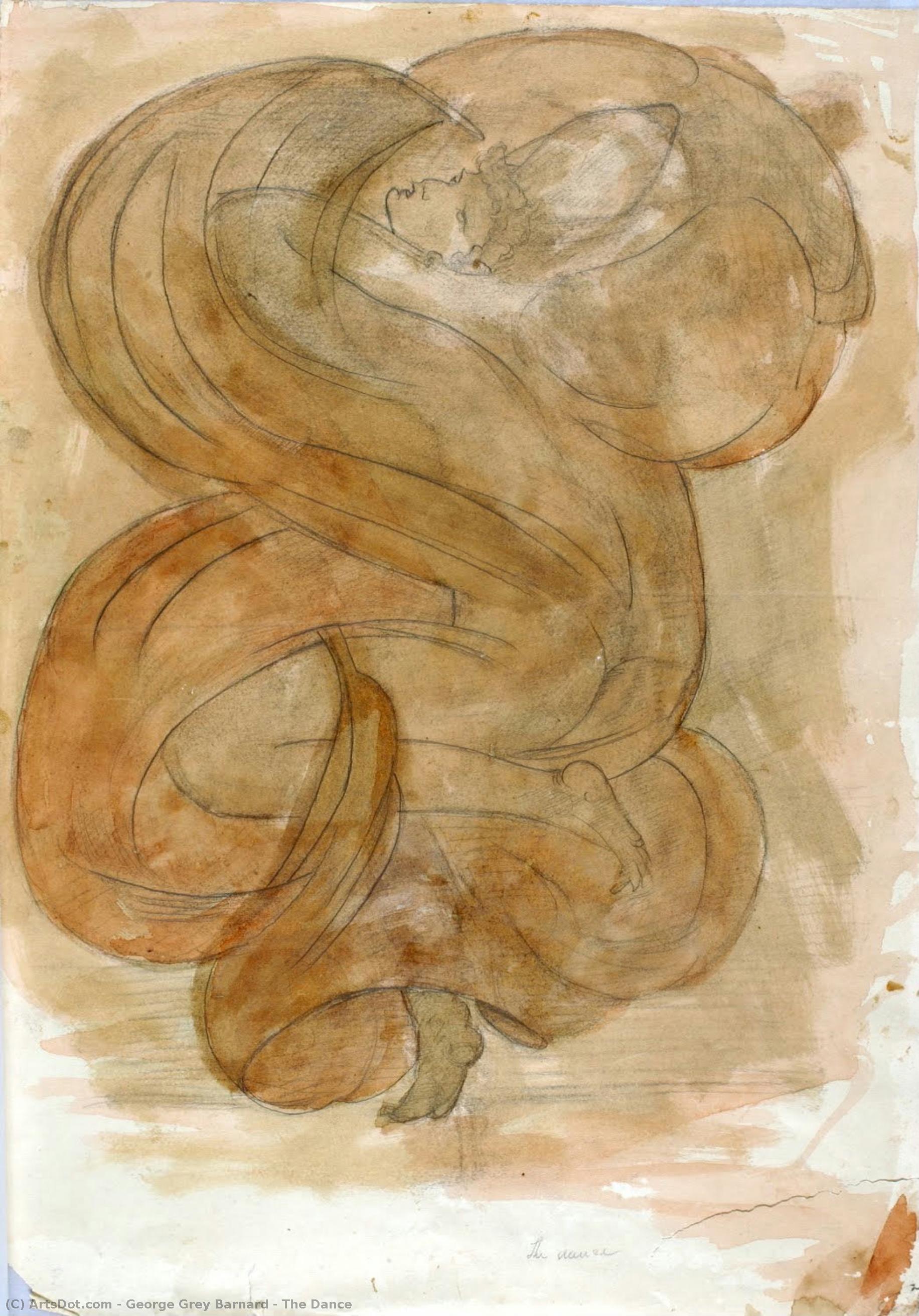
The Dance
 Oil On Canvas
- WallArt
- Impressionism
 1910
1910 50.0 x 35.0 cm
 Smithsonian American Art Museum
 Czytaj więcej
Kup wysokiej rozdzielczości, ulepszony obraz cyfrowy, o znacznie wyższej jakości niż podgląd online.
Każdy plik jest starannie przygotowywany przez naszych specjalistów przy użyciu zaawansowanych narzędzi oraz profesjonalnej, ręcznej retuszy. Dbamy o to, aby każdy obraz cechował się wyjątkową ostrością, precyzyjnym odwzorowaniem kolorów i subtelnymi detalami.
Ostateczny plik dostarczany jest drogą mailową w ciągu 72 godzin, zoptymalizowany do natychmiastowego wykorzystania w profesjonalnych zastosowaniach redakcyjnych i poligraficznych. To ta sama jakość, której ufają czołowe studia projektowe, wydawnictwa oraz galerie sztuki.
Obraz cyfrowy
Pobierz plik o wysokiej rozdzielczości do osobistego wyświetlania, druku oraz projektów kreatywnych. ( Przełącz na wydruk Zamów ręcznie malowaną reprodukcję)
Co otrzymujesz wraz z każdym zamówieniem na obraz cyfrowy
Profesjonalna dostawa cyfrowa z gwarancją
Wybierając OriginalUniqueArt.com, nie otrzymujesz jedynie obrazu – otrzymujesz profesjonalnie udoskonalone cyfrowe dzieło sztuki, stworzone z najwyższą precyzją i objęte gwarancją satysfakcji. Oto wszystko, co automatycznie dołączane jest do Twojego zamówienia:

Błyskawiczna dostawa e-mailowa
Plik z obrazem cyfrowym w wysokiej rozdzielczości zostanie przesłany na Twój adres e-mail w ciągu 72 godzin od złożenia zamówienia – gotowy do natychmiastowego użycia.

Plik cyfrowy ulepszony przez AI
Twoja grafika została profesjonalnie zoptymalizowana przy użyciu zaawansowanych narzędzi AI oraz ręcznej edycji, co zapewnia maksymalną szczegółowość, klarowność i wierność kolorów.

Darmowa dożywotnia ponowna dostawa
Przypadkowo usunąłeś lub zgubiłeś swój plik? Bez obaw – prześlemy go Tobie ponownie w dowolnym momencie, bez żadnych opłat.

Bez opłat importowych – zawsze
Ciesz się swoją sztuką natychmiast, bez żadnych opłat celnych, należności ani kosztów dostawy – pliki cyfrowe są zawsze wolne od podatku.

Gwarancja odwzorowania kolorów
Dzięki zastosowaniu profesjonalnych narzędzi i procesów zarządzania barwą zapewniamy, że Twoje cyfrowe zdjęcie odzwierciedla oryginalne kolory tak wiernie, jak to tylko możliwe.

60-dniowa gwarancja satysfakcji
Jeśli nie będziesz zadowolony ze swojego cyfrowego obrazu, poprawimy go lub zwrócimy 100% kosztów w ciągu 60 dni – bez żadnych pytań.

100% Gwarancja zwrotu pieniędzy
Nie jesteś zadowolony? Otrzymaj pełny zwrot kosztów w ciągu 60 dni od otrzymania pliku cyfrowego – bez zbędnych pytań.

Rabaty przy zamówieniach hurtowych
Kup 3 obrazy, oszczędź 10% - Kup 5, oszczędź 15% - Kup 10+, oszczędź 20%. Idealne do projektów kreatywnych, galerii i agencji.
Opis kolekcji
A Life Forged in Stone: The World of George Grey Barnard
George Grey Barnard, born in Bellefonte, Pennsylvania, in 1863, was an American sculptor whose career unfolded against a backdrop of shifting artistic tides and burgeoning national identity. His life story is one of relentless pursuit – a journey from the rural landscapes of his youth to the hallowed halls of Parisian art academies, and ultimately, to establishing himself as a pivotal figure in American sculpture. The son of a Presbyterian minister, Barnard’s early years were marked by frequent relocation across Illinois, yet it was within this itinerant existence that an artistic sensibility began to blossom. He initially honed his skills at the Art Institute of Chicago under Leonard Volk, demonstrating an innate talent for modeling and form – a foundation upon which he would build a remarkable career. This initial spark propelled him towards Paris in 1883, where he immersed himself in the rigorous training of the École Nationale Supérieure des Beaux-Arts, absorbing the influences of Impressionism and forging his own distinctive artistic voice.The Artwork: “The Dance”
“The Dance,” created between 1898 and 1910, exemplifies Barnard’s masterful command of watercolor and oil wash on paper. Measuring 50 x 35 cm, the painting depicts a woman engaged in movement—a captivating portrayal of grace and dynamism. The artist skillfully captures the essence of dance through careful observation and expressive brushwork. Note the fluid lines delineating the dancer's form, conveying a sense of effortless motion against a softly blurred background. Barnard’s technique prioritizes capturing fleeting moments of emotion and atmosphere, aligning him with the tenets of Impressionism.Style and Technique: Impressionistic Influences
Barnard’s artistic approach is undeniably rooted in Impressionist principles. Like Monet and Renoir, he eschewed meticulous detail in favor of conveying light and color—a deliberate decision to prioritize perceptual experience over photographic realism. The warm hues dominating the palette – ochre yellows, crimson reds, and earthy browns – contribute to an overall feeling of warmth and vibrancy. Barnard’s layering technique—applying thin washes of watercolor followed by thicker oil glazes—creates a textured surface that enhances the illusion of depth and luminosity. This meticulous process underscores his dedication to capturing the subtleties of light and shadow.Historical Context: American Sculpture Emerges
“The Dance” reflects the broader artistic landscape of late 19th-century America, where sculpture was undergoing significant transformation. Prior to Barnard’s arrival in Paris, American sculpture largely adhered to academic conventions—characterized by idealized figures and polished surfaces. However, Barnard's exposure to European avant-garde movements spurred him to experiment with new forms and techniques, signaling a decisive break from tradition. His work aligns with the burgeoning interest in capturing human emotion and movement—a trend that would ultimately propel American sculpture into the 20th century.Symbolism and Emotional Impact
The image itself speaks volumes about themes of freedom, joy, and feminine beauty. The dancer’s posture embodies a spirit of liberation—a rejection of constraints and an embrace of spontaneity. Barnard's masterful use of color and brushwork evokes feelings of energy and passion, inviting the viewer to contemplate the transformative power of art. “The Dance” transcends mere representation; it aspires to communicate an inner state of being—a testament to Barnard’s profound understanding of human psychology and his ability to translate emotion onto canvas.Conclusion: A Legacy of Artistic Innovation
George Grey Barnard's contribution to American sculpture is undeniable. "The Dance," alongside numerous other works, solidified his reputation as a visionary artist who championed Impressionistic ideals while forging an enduring connection with the spirit of his time. It remains a compelling example of artistic innovation—a celebration of movement and emotion that continues to inspire admiration and contemplation decades after its creation.Biografia artysty
George Grey Barnard: A Titan of American Sculpture
George Grey Barnard, a name synonymous with both artistic innovation and passionate collecting, emerged as one of America’s most significant sculptors at the turn of the 20th century. Born in Bellefonte, Pennsylvania, in 1863, his life was a testament to relentless pursuit – a journey from the quiet landscapes of his youth to the bustling art world of Paris and ultimately, to establishing a unique voice within American sculpture. His story is not merely one of artistic skill, but also of a deep engagement with symbolism, history, and the enduring power of the human spirit. Barnard’s early years were marked by frequent relocation across Illinois, yet it was within this transient existence that an innate artistic sensibility began to take root. He initially honed his skills at the Art Institute of Chicago under Leonard Volk, demonstrating a remarkable aptitude for modeling and form – a foundation upon which he would build a truly distinctive career. This initial spark ignited a desire to immerse himself in the heart of European art, leading him to Paris in 1883.The Parisian Years: Rodin’s Influence and the Birth of a Symbolic Language
Paris proved to be a crucible for Barnard's artistic development. He enrolled at the École Nationale Supérieure des Beaux-Arts, absorbing the classical techniques and traditions that had shaped European sculpture for centuries. However, it was his exposure to Auguste Rodin that truly transformed his approach. Rodin’s emphasis on emotional expression, psychological depth, and the exploration of human experience resonated deeply with Barnard, influencing his work in profound ways. Unlike a mere imitation, Barnard quickly forged his own distinct path, developing a symbolic language that delved into the complexities of the human condition. His major works are characterized by their allegorical nature, grappling with themes of duality, inner struggle, and the inherent contradictions within us all. A prime example is *Struggle of the Two Natures in Man* (1894), exhibited at the Metropolitan Museum of Art – a powerful depiction of opposing forces locked in an eternal conflict. This monumental sculpture, along with subsequent works like *The Hewer* (1902) and *Rose Maiden* (c. 1902), showcased his mastery of capturing both physical strength and delicate grace, often interwoven within a single figure. The initial reception of *Struggle of the Two Natures in Man* was notable for its controversial depiction of two male nudes, prompting debate about the role of sexuality and morality in art.Monumental Commissions and the Pennsylvania State Capitol
The turn of the century brought with it a series of monumental commissions that solidified Barnard’s position as a leading sculptor. The most significant of these was his undertaking to create over sixty sculptures for the Pennsylvania State Capitol in Harrisburg between 1902 and 1910. This ambitious project, representing scenes from human history, demanded immense skill, dedication, and financial resources. Despite facing considerable challenges – including budget constraints and a shift in political priorities – Barnard persevered, leaving an indelible mark on the capitol building with his intricate and evocative figures. His ability to translate grand historical narratives into tangible form not only showcased his technical prowess but also demonstrated his understanding of storytelling through sculpture. The project’s completion was marked by a formal opening ceremony in 1911, recognizing Barnard's contribution to the state's architectural heritage.A Collector’s Passion: The Cloisters and a Lasting Legacy
Beyond his work as a sculptor, George Grey Barnard possessed an extraordinary passion for medieval art. He became an avid collector of architectural fragments, traveling extensively through French villages before World War I in search of these remnants of the past. This collection wasn't merely a personal indulgence; it was driven by a deep appreciation for the beauty and craftsmanship of this often-overlooked artistic heritage. In 1925, his extensive holdings were purchased by John D. Rockefeller Jr., forming the core of what would become The Cloisters – a branch of the Metropolitan Museum of Art dedicated to medieval art and architecture. This remarkable act stands as a testament to Barnard’s vision and enduring impact on cultural preservation, ensuring that fragments of the past could be studied, admired, and shared with future generations.Abraham Lincoln and Beyond
Barnard's artistic output extended beyond monumental sculptures and allegorical works. He also created portraits, most notably his interpretation of Abraham Lincoln, commissioned by Charles Taft for Cincinnati in 1917. This statue, depicting the president not as a heroic figure but rather as a man grappling with the burdens of leadership, sparked considerable debate about the nature of historical representation. It was a departure from traditional heroic portrayals and reflected Barnard’s commitment to capturing the complexities of human character. The Lincoln statue remains a potent symbol of the president's complex legacy, cast in multiple locations including Cincinnati, Manchester (England), and Louisville (Kentucky). George Grey Barnard died in New York City in 1938, leaving behind a rich and influential body of work that continues to inspire artists and scholars alike. His legacy extends beyond his sculptures; it lives on in the tranquil halls of The Cloisters, where fragments of the past are brought to life for generations to come.
George Grey Barnard
1863 - 1938 , Stany Zjednoczone
Najważniejsze informacje
- Artistic Movement Or Style: Symbolizm
- Artists Or Movements Influenced By This Artist: ['Rodin']
- Artists Who Influenced This Artist: ['Rodin']
- Date Of Birth: 24 maja 1863
- Date Of Death: 24 kwietnia 1938
- Full Name: George Grey Barnard
- Nationality: Amerykański
- Notable Artworks:
- Struggle Two Natures
- Hewer
- Great God Pan
- Place Of Birth: Bellefonte, USA

