
 Podgląd w skali 1:1
 Wyślij jako kartkę
 Udostępnij
 Szczegóły dzieła
 Przewodnik

 Pobierz obraz
 Podobne obiekty
 RTG
RTG Pokaz slajdów
 Pytania i odpowiedzi
 Statystyki
The Minotaur


 Rozwiń treść
Giclée / Wydruk artystyczny
Wydruki giclée lub płótna o jakości muzealnej, szybka realizacja i szeroki wybór opcji wykończenia. ( Zamów ręcznie malowaną reprodukcję Przejdź do wersji cyfrowej)




P118B zł10

P118H zł10

P118W zł10

P438Z zł10

P508JH zł12

P508YH zł12

P805H zł10

P805Z zł10

P919BZ zł10

P919G zł10

P919XJ zł10

P959ZH zł10

P968JZ zł12

W106C zł8

W218G zł10

W218JH zł8

W218Y zł10

W307PJ zł10

W316G zł10

W316PJ zł8

W316Y zł10

W398PJ zł8

W4111J zł10

W500HY zł15

W500JH zł15

W692G zł12

W849H zł8

W940BG zł15

W953PJ zł8




Wybierz spośród naszych standardowych rozmiarów, które zachowują oryginalne proporcje dzieła sztuki.

Wpisz wymaganą szerokość i wysokość, aby dopasować grafikę do ramy lub ściany. Wydruk można jedynie przyciąć, nigdy nie powiększając go poza oryginalny obraz, dlatego format o innych proporcjach spowoduje utratę części kompozycji. Przed rozpoczęciem druku prześlemy Ci cyfrowy podgląd do zatwierdzenia. Obraz wyświetlany na tej stronie nie pokazuje rzeczywistego przycięcia — jedynie podgląd oddaje ten efekt.
Dostawa na cały świat () w ciągu 2 tygodni zamiast standardowych 4/5 tygodni. (10 Listopad)

Bezpłatna ekspresowa wysyłka na cały świat

Wysokiej jakości płótno lniane

Pełne ubezpieczenie przesyłki

Gwarancja zwrotu należności celnych i podatków importowych

Gwarancja wiernego odwzorowania kolorów

100-dniowa polityka zwrotów (tylko w przypadku wad)

Gwarancja 100% zwrotu pieniędzy

Zniżka przy zakupie wielu sztuk
 Opcja ze szkłem jest dostępna wyłącznie w rozmiarach poniżej 110 cm

The Minotaur
Giclée / Wydruk artystyczny
Wymiary reprodukcji
-


Cena całkowita
zł 317
A Vision of Mythic Sorrow and Social Shadow
In the hauntingly beautiful oil on canvas titled The Minotaur, George Frederic Watts invites us into a world where ancient legend bleeds into Victorian reality. Painted in 1885, this masterpiece transcends a mere retelling of Greek mythology; it is a profound psychological study captured through the lens of Symbolism. The subject, the monstrous creature with the body of a man and the head of a bull, does not appear as a mindless beast of rage. Instead, Watts presents him in a moment of heavy, brooding introspection. As he gazes out toward the vast, churning expanse of the ocean, there is an unmistakable sense of longing and tragic isolation. The muscular form of the creature stands in stark contrast to the serene yet powerful backdrop of the sea, creating a tension that pulls at the viewer's heartstrings.
The technique employed by Watts is nothing short of masterful, utilizing bold, expressive brushstrokes and a palette that balances light and shadow to evoke deep emotion. The way the light catches the creature's powerful physique against the rhythmic movement of the crashing waves demonstrates his ability to manipulate texture to convey atmosphere. This interplay of light and dark—a hallmark of his style—serves to heighten the sense of drama, making the painting feel alive with a restless, internal energy. For collectors and interior designers alike, the piece offers a commanding presence, capable of anchoring a room with its profound depth and classical weight.
The Symbolism of Innocence Lost
Beyond the surface level of myth, The Minotaur carries a devastating social subtext that was deeply resonant in late 19th-century England. The painting was famously inspired by the journalistic exposé "The Maiden Tribute of Modern Babylon," which uncovered the dark, exploitative underbelly of child prostitution in London. Watts uses the mythological figure as a powerful metaphor for the predatory nature of society and the destruction of the vulnerable. This theme is poignantly captured in the small, crushed bird held within the creature's mighty fist—a heartbreaking symbol of purity and the fragility of youth being extinguished by brute force.
This layer of meaning transforms the artwork from a classical study into a piece of biting social commentary. It challenges the viewer to look past the monstrous exterior to see the tragedy of exploitation. When decorating a space with a high-quality reproduction of this work, one is not merely displaying a beautiful image, but inviting a conversation about justice, empathy, and the human condition. The painting’s ability to evoke such complex, conflicting emotions—ranging from awe at its scale to sorrow for its subject—makes it an unforgettable centerpiece for any curated collection.
An Eternal Legacy for the Modern Collector
As we look back on the career of George Frederic Watts, The Minotaur stands as a testament to his ability to blend the allegorical with the contemporary. His work remains strikingly relevant in the modern era, touching upon universal themes of power, innocence, and the shadows that exist within civilization. For those seeking to bring a sense of history, intellect, and emotional gravity into their homes or galleries, this artwork provides an unparalleled opportunity.
Whether you are an art historian captivated by its Symbolist roots or an interior designer looking for a piece that tells a profound story, a reproduction of this masterpiece offers a timeless elegance. It serves as a window into a period where art was used to confront the most difficult truths of society, wrapped in the breathtaking beauty of classical myth. To own such a piece is to possess a fragment of history that continues to provoke thought and inspire wonder long after the first glance.
Pytania i odpowiedzi
Jaki jest zalecany format i orientacja druku dla "The Minotaur"?
W przypadku "The Minotaur" zalecanym formatem wydruku jest rozmiar Large w orientacji Portrait.
Co łączy "The Minotaur" z resztą twórczości George Frederic Watts?
"The Minotaur" wpisuje się w nurt Symbolism w twórczości George Frederic Watts, której charakterystyczne motywy obejmują greek mythology, classical influence, victorian social commentary, exploitation of innocence, symbolist allegorical style.
Czy można pobrać obraz "The Minotaur"?
„The Minotaur” – George Frederic Watts można pobrać ze strony Pobierz plik cyfrowy dzieła jako wysokiej rozdzielczości cyfrowe zdjęcie do pobrania.
Biografia artysty
wczesne lata i edukacja
George Frederic Watts, wybitna postać ruchu symbolistycznego, urodził się 23 lutego 1817 roku w Marylebone w Londynie. Jego wczesne lata upłynęły pod znakiem delikatnego zdrowia oraz bolesnej straty matki w młodym wieku. Ojciec Wattsa, twórca instrumentów fortepianowych, zapewnił mu konserwatywne chrześcijańskie wykształcenie i wprowadził go w świat klasyki, w tym w lekturę Iliady. Ten klasyczny fundament stał się później kamieniem węgielnym jego unikalnego stylu artystycznego.kariera
Artystyczna podróż Wattsa rozpoczęła się już w wieku 10 lat, kiedy to pod okiem Williama Behnesa uczył się rzeźby. W wieku 18 lat został studentem Royal Academy Schools. Jego pierwsza wystawa w Akademii w 1837 roku stanowiła początek niezwykle płodnej kariery.- Caractacus, rysunek przedłożony na konkurs projektowania murali do nowych Izb Parlamentu, przyniósł Wattsowi pierwszą nagrodłową lokatę w 1843 roku.
- Późniejsze podróże do Włoch (1843-1847) oraz relacje z brytyjskim ambasadorem Henrym Foxem wpłynęły na jego styl, co widoczne jest m.in. w portrecie Lady Holland, wystawionym w 1848 roku.
- Powrót Wattsa do Wielkiej Brytanii zaowocował zleceniem na wykonanie fresku w Izbach Parlamentu, który artysta ukończył w latach 1848-1853.
symbolistyczne arcydzieła
Do najbardziej znamiennych dzieł Wattsa należą:- „Nadzieja” oraz „Miłość i życie”, które miały stanowić część epickiego cyklu symbolicznego zatytułowanego „Dom Życia”.
- „Triumf Rycerza Czerwonego Krzyża (z Faerie Queene)”, ukończony w latach 1852-53, który ukazuje jego mistrzostwo w operowaniu tematyką alegoryczną.
- Jego portret aktorki Ellen Terry, namalowany w 1864 roku, stanowi doskonały przykład jego zdolności do chwytania samej esencji portretowanych postaci.
dziedzictwo
Wpływ Wattsa na świat sztuki jest niezaprzeczalny. Jego związki z ruchem symbolistycznym oraz nowatorskie podejście do koloru i formy sprawiły, że stał się on postacią niezwykle cenioną w historii brytyjskiej sztuki. Odkryj dzieła George'a Fredericka Wattsa na OriginalUniqueArt.commuzea prezentujące twórczość Wattsa
- Lincoln's Inn, gdzie można podziwiać jego fresk „Sprawiedliwość, półkole prawodawców”.
- Watts Gallery – Artists' Village w Guildford w Wielkiej Brytanii, poświęcona zachowaniu dorobku Wattsa oraz innych artystów.

George Frederic Watts
1817 - 1904 , Wielka Brytania
Krótka nota
- Artistic Movement Or Style: Akademizm i symbolizm
- Artists Or Movements Influenced By This Artist: ['Prerafaeliti']
- Artists Who Influenced This Artist:
- William Behnes
- Henry Fox
- Date Of Birth: 23 lutego 1817
- Date Of Death: 1 lipca 1904
- Full Name: George Frederic Watts
- Nationality: Brytyjski
- Notable Artworks:
- Hope
- Triumph of the Red Cross Knight
- Portret Ellen Terry
- Place Of Birth: Londyn, Wielka Brytania
Powiązane artykuły

Trwała Spuścizna Malarstwa Olejnego: Technika, Historia i Współczesna Praktyka
Poznaj historię i techniki malarstwa olejnego. Poradniki dla artystów, informacje o konserwacji oraz możliwość zamówienia wysokiej jakości reprodukcji obrazów. Ekspercka wiedza i gwarancja trwałości dzieł sztuki.

Trwała Spuścizna Malarstwa Olejnego: Technika, Historia i Estetyczny Wpływ
Poznaj historię i technikę malarstwa olejnego! Eksperckie artykuły o konserwacji, renowacji oraz współczesnych zastosowaniach. Dowiedz się więcej o mistrzach i trwałości obrazów olejnych.

The Enduring Power of Painting: A Historical & Contemporary Exploration of Form and Emotion
Explore the rich history & enduring techniques of oil painting with OriginalUniqueArt. Discover masterpieces, learn about art collecting, and find authentic handmade reproductions crafted by skilled artists.

Olej na płótnie: Historia, techniki i ponadczasowy urok malarskiego medium
Poznaj historię i techniki malarstwa olejowego! Od renesansowych mistrzów po współczesne zastosowania – wszystko o oleju na płótnie. Poradniki, konserwacja i inspiracje dla pasjonatów sztuki.
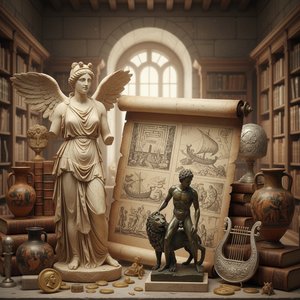
Timeless Legends: A Curated Guide to the Eternal Allure of Mythological Masterpieces
Embark on a sophisticated journey through the eternal allure of mythological art. Discover how master painters breathe life into ancient legends, from Greek deities to Baroque masterpieces, and learn to curate these timeless narratives within your own exquisite art collection.