Wyślij
 Udostępnij
 Szczegóły
 Przewodnik

 Pobierz plik obrazu
 Podobne obiekty
 Pokaz slajdów
 Statystyki
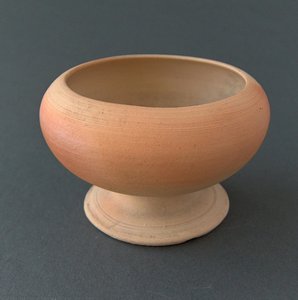
Bowl


 Czytaj więcej
Ręcznie malowana reprodukcja olejowa
Ręcznie malowany obraz olejny na płótnie, wykonany na zamówienie przez naszych artystów w wybranym przez Ciebie wymiarze i oprawie. ( Przełącz na wersję drukowaną Przełącz na wersję cyfrową)




































Wybierz spośród naszych standardowych rozmiarów, które zachowują oryginalne proporcje dzieła sztuki.

Możesz wprowadzić własne wymiary, aby dopasować obraz do konkretnej ramy lub przestrzeni. Jeśli wybrany rozmiar nie będzie odpowiadał proporcjom oryginału, przytniecie dzieło sztuki lub rozszerzymy je o dodatkowe elementy, ręcznie domalowane przez artystę. Przed rozpoczęciem produkcji wyślemy projekt cyfrowy do Twojej akceptacji.
Należy pamiętać, że podgląd na ekranie nie odzwierciedla rzeczywistego przycinania ani rozszerzania obrazu. Tylko projekt dokładnie pokaże ostateczną kompozycję.
Choć oferujemy możliwość zamówienia niestandardowych rozmiarów, zalecamy wybór wymiaru z gotowej listy, aby zachować oryginalne proporcje dzieła.
Po złożeniu zamówienia zespół OriginalUniqueArt.com skontaktuje się z klientem drogą mailową w celu uzyskania instrukcji i prześle wizualizację projektu
Dostawa na całym świecie () w ciągu 3–4 tygodni zamiast standardowych 5 tygodni. (26 Wrzesień). Bez kompromisów w kwestii jakości.

Bezpłatna ekspresowa wysyłka na cały świat

Wysokiej jakości płótno lniane

Pełne ubezpieczenie transportowe

Gwarancja zwrotu należności celnych i podatków importowych

Gwarancja idealnego odwzorowania barw

100-dniowy okres na zwrot dzieła w przypadku wykrycia wad produkcyjnych

Gwarancja 100% zwrotu pieniędzy

Oferta przy zakupie wielu sztuk
 Opcja ze szkłem jest dostępna wyłącznie w rozmiarach poniżej 110 cm

Bowl
Technika wykonania
Rozmiar reprodukcji
-


Suma do zapłaty
$ 300
The Soul of the Clay: Embracing Imperfection
In the quiet, salt-misted atmosphere of Biloxi, Mississippi, a revolution was quietly being molded by hands that refused to follow the rules. George Edgar Ohr, famously known as the "Mad Potter of Biloxi," did not merely create vessels; he breathed life into the very earth itself. His Bowl stands as a profound testament to this radical philosophy, where the beauty of the piece is found not in the precision of its rim or the smoothness of its surface, but in the raw, tactile energy of its creation. To look upon this work is to witness a deliberate departure from the polished, predictable ceramics of the late 19th century, offering instead a window into a world where texture and form dance in an unpredictable, organic embrace.
The piece serves as a captivating bridge between the traditional folk art of the American South and the burgeoning whispers of modern abstraction. For the discerning collector or interior designer, this bowl offers more than just a decorative element; it provides a focal point of profound character. Its earthy brown tones, punctuated by unexpected accents, evoke the rugged landscapes of the Gulf Coast, reminding us that true artistry often lies in the ability to find elegance within the irregular and the weathered. It is an object that demands attention not through flashiness, but through its deep, resonant presence.
A Masterclass in Texture and Technique
The allure of Ohr’s work lies heavily in his revolutionary use of slip-trailing and incising. Unlike his contemporaries who sought to erase the marks of the maker, Ohr celebrated them. By pouring thin layers of liquid clay onto the vessel's surface, he built up a topographical landscape of ridges and valleys that invite the touch as much as the eye. This technique creates a rhythmic, almost musical quality to the surface, where light and shadow play across the raised motifs, changing the bowl's appearance with every shift in the room's illumination.
This mastery of materiality transforms a simple ceramic object into a sculptural experience. The bowl’s organic, slightly asymmetrical form exhibits irregular curves and ridges that suggest a hand-thrown technique, far removed from the sterile perfection of industrial production. The color palette, consisting primarily of muted greens and browns, creates a naturalistic feel that grounds the piece in the physical world, while the deliberate use of texture ensures that it remains a dynamic subject for any curated space.
The Legacy of a Singular Vision
To understand this bowl is to understand the spirit of George Edgar Ohr himself. Born into a landscape rich with clay deposits and artisan traditions, Ohr used his medium to embark on a radical exploration of form and materiality—a quest to liberate ceramics from convention. His work foreshadowed the Abstract Expressionist movement, embracing imperfection as an inherent element of artistic expression. He rejected the symmetrical and the polished, favoring instead the visceral and the spontaneous.
For those seeking to bring a piece of American art history into their homes, a reproduction of this bowl offers an opportunity to possess a fragment of that rebellious spirit. It is an ideal acquisition for those who appreciate the Arts and Crafts movement's emphasis on craftsmanship and the modern desire for organic, soulful decor. Whether placed as a centerpiece on a minimalist pedestal or integrated into a rich, textured collection, this work continues to inspire awe through its unwavering dedication to artistic freedom.
Biografia artysty
The Singular Vision of George Edgar Ohr: The Mad Potter of Biloxi
George Edgar Ohr, a name now synonymous with audacious innovation and delightfully eccentric artistry in the realm of American ceramics, was born on July 12, 1857, within the sun-drenched coastal city of Biloxi, Mississippi. His parents, German immigrants driven by the promise of opportunity, instilled in him a strong work ethic – a foundation built upon their heritage – and perhaps a subtle echo of the Old World’s artistic sensibilities. However, it was the unique, vibrant atmosphere of Biloxi itself—a bustling confluence of cultures, a place where the bounty of the sea met the rich soil, providing an abundance of clay—that truly nurtured his burgeoning talent. Ohr wasn't merely a potter; he was a revolutionary explorer, relentlessly pushing against the established boundaries of form, texture, and glaze, determined to redefine what ceramic art could become. He embraced the moniker “Mad Potter of Biloxi,” not as a dismissive label, but as a proud declaration of his unconventional approach, his unwavering dedication to artistic freedom, and his refusal to be constrained by convention.
Early Influences and Artistic Awakening
Ohr’s journey into ceramics began with a touch of serendipity. After a restless youth spent navigating various trades in New Orleans—a period marked by experimentation and a search for purpose—he found himself apprenticed to Joseph Fortune Meyer, a potter connected to the burgeoning Arts & Crafts movement. This apprenticeship provided Ohr with a crucial grounding in traditional techniques – the fundamentals of wheel throwing, kiln firing, and glaze application. Yet, it was his subsequent travels—a remarkable sixteen-state odyssey across America’s potteries—that truly ignited his creative spark. He immersed himself in diverse methods and styles, absorbing the wisdom of countless artisans, but he wasn't content to simply replicate; he sought to transcend convention, to synthesize these influences into something entirely new.
Upon his return to Biloxi, determined to forge his own path, Ohr established “Biloxi Art and Novelty Pottery,” a space where he could fully realize his artistic vision. The clay from the nearby Tchoutacabouffa River became his medium—a rich, pliable substance that responded directly to his touch. His hands, instruments of transformation, coaxed form from the earth, shaping vessels that were both functional and profoundly expressive. He wasn’t simply creating objects; he was engaging in a dialogue with the clay itself, imbuing it with emotion and personality.
A Revolution in Clay: Technique and Innovation
Ohr’s work stands apart due to its radical departure from prevailing ceramic norms. While many potters of his era focused on functionality and symmetrical forms—producing pieces designed for everyday use—Ohr embraced asymmetry, distortion, and a deliberate rejection of perfection. He pioneered techniques that seemed almost impossible – twisting the clay into improbable shapes, crumpling it with abandon, folding it upon itself, and stretching it to an astonishing degree. His glazes were equally experimental, vibrant, unpredictable, and often resembling molten metal or iridescent jewels. He wasn’t interested in simply decorating pottery; he was sculpting with color and light, transforming the mundane into the extraordinary. He thinned his walls to an almost impossible degree, achieving a delicacy rarely seen in ceramics—a testament to his skill and daring. This audacious approach, combined with his unique glazes, resulted in pieces that were both visually stunning and structurally audacious – defying gravity and challenging expectations.
Years of Isolation and Rediscovery
Despite his innovative spirit, Ohr struggled for recognition during his lifetime. The public wasn’t always receptive to his radical designs, and he often found himself at odds with prevailing tastes. Frustrated by the lack of appreciation and unwilling to compromise his artistic integrity, he ceased production around 1910, meticulously packing away thousands of pieces in his studio—a silent testament to his vision. He requested that his family leave the collection untouched for fifty years after his death, believing that future generations would be more receptive to his work. Sadly, Ohr passed away on April 7, 1918, during the influenza pandemic—a tragic loss for the art world. It wasn’t until the late 1960s and early 1970s that his genius was finally recognized. James Carpenter, an antiques dealer, discovered the hidden trove of pottery, recognizing its extraordinary value and significance, and began to champion Ohr's work, introducing it to a wider audience.
Legacy and Enduring Influence
Today, George Edgar Ohr is celebrated as one of the most important figures in American ceramic history. His pioneering spirit continues to inspire artists around the world. His work can be found in major museums, including the Smithsonian Institution and the Metropolitan Museum of Art, and a dedicated museum – the Ohr–O'Keefe Museum of Art in Biloxi—stands as a vibrant testament to his enduring legacy. Ohr’s influence extends beyond ceramics; his willingness to challenge conventions resonates with artists across disciplines. He demonstrated that true artistic expression requires courage, independence, and an unwavering commitment to one’s vision. The “Mad Potter of Biloxi” may have been ahead of his time, but his work continues to speak volumes about the power of innovation, the beauty of imperfection, and the enduring allure of a truly singular artistic voice.

George Edgar Ohr (Mad Potter z Biloxi)
1857 - 1918 , Stany Zjednoczone
Najważniejsze informacje
- Artistic Movement Or Style: Abstrakcyjny ekspresjonizm
- Artists Or Movements Influenced By This Artist: ['Ceramika amerykańska']
- Artists Who Influenced This Artist: ['Joseph Meyer']
- Date Of Birth: 12 lip 1857
- Date Of Death: 7 apr 1918
- Full Name: George Edgar Ohr
- Nationality: Amerykański
- Notable Artworks:
- Mug
- Teapot
- Bowle
- Place Of Birth: Biloxi, USA
Zobacz także powiązane artykuły

George Stubbs: Anatomical Precision & Romantic Vision in 18th-Century British Art
Explore the captivating world of George Stubbs, the 18th-century master renowned for his anatomical precision & Romantic animal paintings. Discover his legacy and investment potential.

The Alchemy of Clay: A Collector's Guide to the Mastery, Texture, and Timeless Form of Ceramic Art
Discover the profound beauty of ceramic art. Our expert guide explores the alchemy of clay, texture, and glaze, offering collectors deep insights into mastering earth and fire to create timeless, sculptural masterpieces for any curated collection.

Georges Braque: 25 Arcydzieł Kubizmu i Nowoczesnej Sztuki | OriginalUniqueArt.com
Odkryj 25 arcydzieł Georges'a Braque – pioniera kubizmu i malarstwa nowoczesnego. Poznaj historię, techniki i inspiracje za jego najsłynniejszymi obrazami. Reprodukcje najwyższej jakości na OriginalUniqueArt.com! Eksploruj pełną kolekcję online.

Georges Seurat: 25 Arcydzieł Punktalizmu dla Twojego Domu | OriginalUniqueArt.com
Odkryj 25 arcydzieł Georges'a Seurata! Poznaj historię punktalizmu, impresjonistyczne pejzaże i fascynującą technikę malarską. Reprodukcje obrazów najwyższej jakości na OriginalUniqueArt.com – inspiracje do Twojego wnętrza. Eksploruj pełną kolekcję online!
The Art of Ceramics: A Guide to Mastery, Texture, and Timeless Form for the Discerning Collector
Explore the profound elegance of ceramic art. From master glazes to sculptural forms, our expert guide offers discerning collectors deep insights into the mastery, texture, and timeless value of fine ceramics for sophisticated collections and luxury interiors.