

 Zobacz w skali 1:1
 Wyślij
 Udostępnij
 Szczegóły
 Przewodnik

 Pobierz plik obrazu
 Podobne obiekty
 RTG
RTG Pokaz slajdów
 Statystyki
Houqua
 Oil On Canvas
- WallArt
- British Romantic Painting
 1843
1843- 19th Century
 64.0 x 46.0 cm
 Metropolitan Museum of Art
 Czytaj więcej
Giclée / Wydruk artystyczny
Wydruki giclée lub płótna o jakości muzealnej, szybka realizacja i szeroki wybór opcji wykończenia. ( Kup ręcznie malowany obraz Przełącz na wersję cyfrową)




P118B $10

P118H $10

P118W $10

P438Z $10

P508JH $12

P508YH $12

P805H $10

P805Z $10

P919BZ $10

P919G $10

P919XJ $10

P959ZH $10

P968JZ $12

W106C $8

W218G $10

W218JH $8

W218Y $10

W307PJ $10

W316G $10

W316PJ $8

W316Y $10

W398PJ $8

W4111J $10

W500HY $15

W500JH $15

W692G $12

W849H $8

W940BG $15

W953PJ $8




Wybierz spośród naszych standardowych rozmiarów, które zachowują oryginalne proporcje dzieła sztuki.

Możesz wprowadzić własne wymiary, aby dopasować dzieło do konkretnej ramy lub przestrzeni. Jeśli wybrany rozmiar nie będzie odpowiadał proporcjom oryginalnego obrazu, przytniecie dzieło lub rozszerzymy obraz za pomocą odbicia lustrzanego lub jednolitego wypełnienia krawędzi. Przed rozpoczęciem produkcji prześlemy cyfrową wizualizację do Twojej akceptacji.
Prosimy pamiętać, że podgląd na ekranie nie odzwierciedla faktycznego przycinania ani rozszerzania. Tylko wizualizacja dokładnie pokaże końcową kompozycję.
Mimo dostępności niestandardowych rozmiarów, zalecamy wybór wymiaru z listy zdefiniowanej, aby zachować oryginalne proporcje.
Dostawa na cały świat () w ciągu 2 tygodni zamiast standardowych 4/5 tygodni. (25 Wrzesień)

Bezpłatna ekspresowa wysyłka na cały świat

Wysokiej jakości płótno lniane

Pełne ubezpieczenie transportowe

Gwarancja zwrotu należności celnych i podatków importowych

Gwarancja idealnego odwzorowania barw

100-dniowy okres na zwrot dzieła w przypadku wykrycia wad produkcyjnych

Gwarancja 100% zwrotu pieniędzy

Oferta przy zakupie wielu sztuk
 Opcja ze szkłem jest dostępna wyłącznie w rozmiarach poniżej 110 cm

Houqua
Giclée / Wydruk artystyczny
Rozmiar reprodukcji
-


Suma do zapłaty
$ 80
A Glimpse into Mid-19th Century Opulence
In the quiet, dignified presence of George Chinnery’s “Houqua,” we are transported back to the year 1843, a pivotal era of cultural intersection in Southeast Asia. This masterful portrait is far more than a mere likeness of a prominent figure; it is a window into a world where British colonial influence and Chinese mercantile prestige met in a delicate dance of diplomacy and trade. The subject, Houqua, sits with an air of profound composure upon a vibrant crimson couch, his posture radiating the quiet confidence of a man accustomed to both respect and immense responsibility. As one gaz and observes the meticulously arranged interior, there is an immediate sense of being invited into a private moment of aristocratic repose, making this piece an extraordinary centerpiece for any collection that values historical depth and narrative richness.
The artistry of Chinnery shines through his sophisticated use of chiaroscuro, where the dramatic interplay of light and shadow breathes life into the textures of the scene. The artist’s training at the Royal Academy Schools in London is evident in the way he sculpts form through oil on canvas, capturing the heavy, luxurious folds of traditional Chinese attire with breathtaking precision. Every brushstroke serves to highlight the contrast between the soft glow illuminating the subject's face and the deep, velvety shadows that anchor him within his opulent surroundings. For the discerning collector or interior designer, this technique offers a visual depth that commands attention, providing a focal point that changes character depending on the lighting of the room.
Symbolism and the Art of Cultural Exchange
Beyond the technical brilliance, “Houqua” is steeped in symbolic meaning, acting as a visual record of the burgeoning British East India Company’s presence in Asia. The choice of a vibrant red couch is not merely aesthetic; it serves as a powerful anchor for the composition, symbolizing wealth, status, and the vitality of the era's trade routes. Scattered throughout the scene are subtle yet significant nods to Chinese artistic conventions—a vase brimming with delicate blossoms and strategically placed bowls that suggest a refined, cosmopolitan lifestyle. These elements weave a story of cultural exchange, where European oil painting techniques were used to document and romanticize the splendor of the Orient.
The emotional impact of the work lies in its ability to evoke a sense of nostalgia and reverence for a lost age of elegance. There is a palpable stillness in Houqua’s gaze, a meditative quality that invites the viewer to contemplate the complexities of history and the individual lives shaped by global shifts. Whether placed in a grand library, a sophisticated study, or a curated gallery space, a high-quality reproduction of this painting brings with it an atmosphere of intellectual curiosity and timeless grace. It is an investment not just in art, but in a piece of history that continues to resonate with the themes of identity, prestige, and the enduring beauty of human connection.
Biografia artysty
Early Life and Training (1774-1801)
George Chinnery, a name synonymous with the vibrant landscapes and captivating portraits of 19th-century India and China, was born in London on January 5, 1774. His lineage held a fascinating connection to the world of communication – his father, a skilled craftsman, pioneered the Gurney system of shorthand, a revolutionary method for rapid note-taking that would profoundly influence Chinnery’s artistic practice. This early exposure to efficient record-keeping instilled in him a meticulous eye and an appreciation for capturing details with remarkable speed. He received his formal artistic education at the Royal Academy Schools in London, where he honed the foundational techniques of classical art – perspective, anatomy, and color theory – providing him with the tools necessary to translate his observations into compelling visual narratives.
Life in Asia: India and China (1802-1852)
In 1802, Chinnery embarked on a transformative journey eastward, sailing to Madras (now Chennai), India. This marked the beginning of a decades-long sojourn that would define his artistic career and establish him as the preeminent Western painter within the British community in South India. He quickly gained recognition for his ability to capture the essence of both European and Asian subjects, skillfully blending classical techniques with the burgeoning influences of Orientalism. His time in Calcutta (Kolkata) proved particularly fruitful, earning him the title of “the leading artist” of the British settlement. During this period, he produced a prolific body of work, including portraits of prominent figures like Colonel James Achilles Kirkpatrick and his family – works that offer invaluable insights into the social dynamics and familial relationships within colonial society.
Facing mounting financial difficulties, Chinnery relocated to Macau in 1825. This move, driven by debt, didn’t signify a decline but rather a shift in focus. In Macau, he continued his artistic pursuits, primarily painting portraits of European merchants, Chinese residents, and the seafaring men who frequented the bustling port city. Notably, his style was closely imitated by the Cantonese artist Lam Qua, highlighting Chinnery's considerable influence on the local art scene.
A brief but significant visit to Hong Kong in 1846 provided Chinnery with a unique opportunity to document the newly established colony’s rapid development. He meticulously documented the city’s architecture, people, and burgeoning commercial activity through detailed pencil drawings and watercolors – a visual record of a pivotal moment in British expansion.
Artistic Style and Techniques
Chinnery's artistic legacy rests primarily on his masterful portraits, characterized by their remarkable sensitivity and attention to detail. He possessed an uncanny ability to capture not just likenesses but also the personalities and emotions of his subjects. His work is deeply rooted in Orientalist influences – a deliberate blending of European artistic conventions with the aesthetics and cultural nuances of Asia. However, unlike many of his contemporaries, Chinnery’s portrayals often transcend mere exoticization, revealing a genuine empathy and observational acuity that speaks to a profound understanding of his Asian subjects.
He primarily worked in oil paint and watercolor, employing both mediums with equal skill. A particularly noteworthy aspect of his artistic practice was his use of the Gurney shorthand system – a modified version of his father’s invention. This allowed him to quickly jot down notes on his sketches, providing invaluable contextual information about his subjects, their surroundings, and even fleeting observations. These shorthand notes have proven remarkably insightful for art historians seeking to understand Chinnery's creative process.
Furthermore, Chinnery’s style was subtly influenced by the artistic traditions of the regions he inhabited. He incorporated elements of Chinese landscape painting into his work, particularly in depicting the dramatic mountain ranges and lush vegetation of Southern China. This fusion of European and Asian influences created a distinctive visual language that set him apart from other Western artists working in Asia.
Major Achievements and Historical Significance
George Chinnery’s most significant achievement lies in his status as the only Western painter to establish a sustained presence in southern China between the early and mid-19th century. This unique position afforded him unparalleled access to a diverse range of subjects – from European merchants and Chinese officials to indigenous communities and rural life. As such, his paintings provide an invaluable historical record of this period, offering rare glimpses into the social, cultural, and economic dynamics of the region.
His portraits are not merely representations of individuals; they are windows into colonial society, revealing the complex relationships between Europeans and Asians during a time of profound change. The works depicting Colonel Kirkpatrick’s family, for example, offer poignant insights into the challenges and rewards of life within the British East India Company.
Chinnery's influence extended beyond his own artistic output. His style was widely imitated by local artists like Lam Qua, demonstrating his considerable impact on the development of Chinese art during this period. Moreover, his depictions of ordinary people – laborers, merchants, and farmers – provide a rare and intimate portrayal of everyday life in 19th-century India and China.
Interestingly, Chinnery’s work found its way into popular culture through James Clavell's novel Tai-Pan, where his character, Aristotle Quance, served as inspiration for the protagonist.
Death and Legacy (1852 - Present)
George Chinnery died in Macau on May 30, 1852, and was buried in the Old Protestant Cemetery. His legacy endures through substantial collections of his drawings housed at prestigious institutions worldwide – including the Victoria and Albert Museum, the British Museum, the Peabody Essex Museum, Birmingham Museum & Art Gallery, Hong Kong Museum of Art, Macau Museum, and Macau Museum of Art. Ongoing exhibitions continue to showcase his remarkable work, ensuring that his contributions to art history are recognized and appreciated by a wider audience.
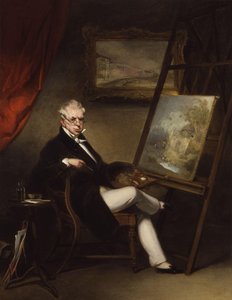
George Chinnery
1774 - 1852 , Wielka Brytania
Najważniejsze informacje
- Artistic Movement Or Style: Orientalizm, Portret
- Artists Or Movements Influenced By This Artist: ['Gurney']
- Artists Who Influenced This Artist: ['Lam Qua']
- Date Of Birth: 5 stycznia 1774
- Date Of Death: 30 maja 1852
- Full Name: George Chinnery
- Nationality: Angielski
- Notable Artworks:
- Portrety
- Krajobrazy
- Place Of Birth: Londyn, Wielka Brytania
Zobacz także powiązane artykuły

Raja Ravi Varma: Bridging Tradition & Modernity in 19th-Century Indian Art
Explore the life & art of Raja Ravi Varma, a pioneer who fused European techniques with Indian iconography. Discover his iconic paintings, lasting legacy, and influence on modern Indian art at OriginalUniqueArt.

Sir George Clausen: Capturing Edwardian Life & British Impressionism's Nuances
Explore the luminous world of Sir George Clausen, a leading British Impressionist painter. Discover his captivating scenes of Edwardian life, rural England & poignant war art. Learn about his legacy and find high-quality reproductions at OriginalUniqueArt.
George Hayter: Portraiture, Power & Victorian Society's Canvas
Explore the life & work of George Hayter, Queen Victoria’s Principal Painter. Discover his iconic Victorian portraits, historical masterpieces, and lasting impact on British art history. Learn more at OriginalUniqueArt.

Georges Braque: 25 Arcydzieł Kubizmu i Nowoczesnej Sztuki | OriginalUniqueArt.com
Odkryj 25 arcydzieł Georges'a Braque – pioniera kubizmu i malarstwa nowoczesnego. Poznaj historię, techniki i inspiracje za jego najsłynniejszymi obrazami. Reprodukcje najwyższej jakości na OriginalUniqueArt.com! Eksploruj pełną kolekcję online.

Georges Seurat: 25 Arcydzieł Punktalizmu dla Twojego Domu | OriginalUniqueArt.com
Odkryj 25 arcydzieł Georges'a Seurata! Poznaj historię punktalizmu, impresjonistyczne pejzaże i fascynującą technikę malarską. Reprodukcje obrazów najwyższej jakości na OriginalUniqueArt.com – inspiracje do Twojego wnętrza. Eksploruj pełną kolekcję online!
