
 Podgląd w skali
 Wyślij jako kartkę
 Udostępnij
 Szczegóły dzieła

 Pobierz
 Podobne obiekty
 RTG
RTG Pokaz slajdów
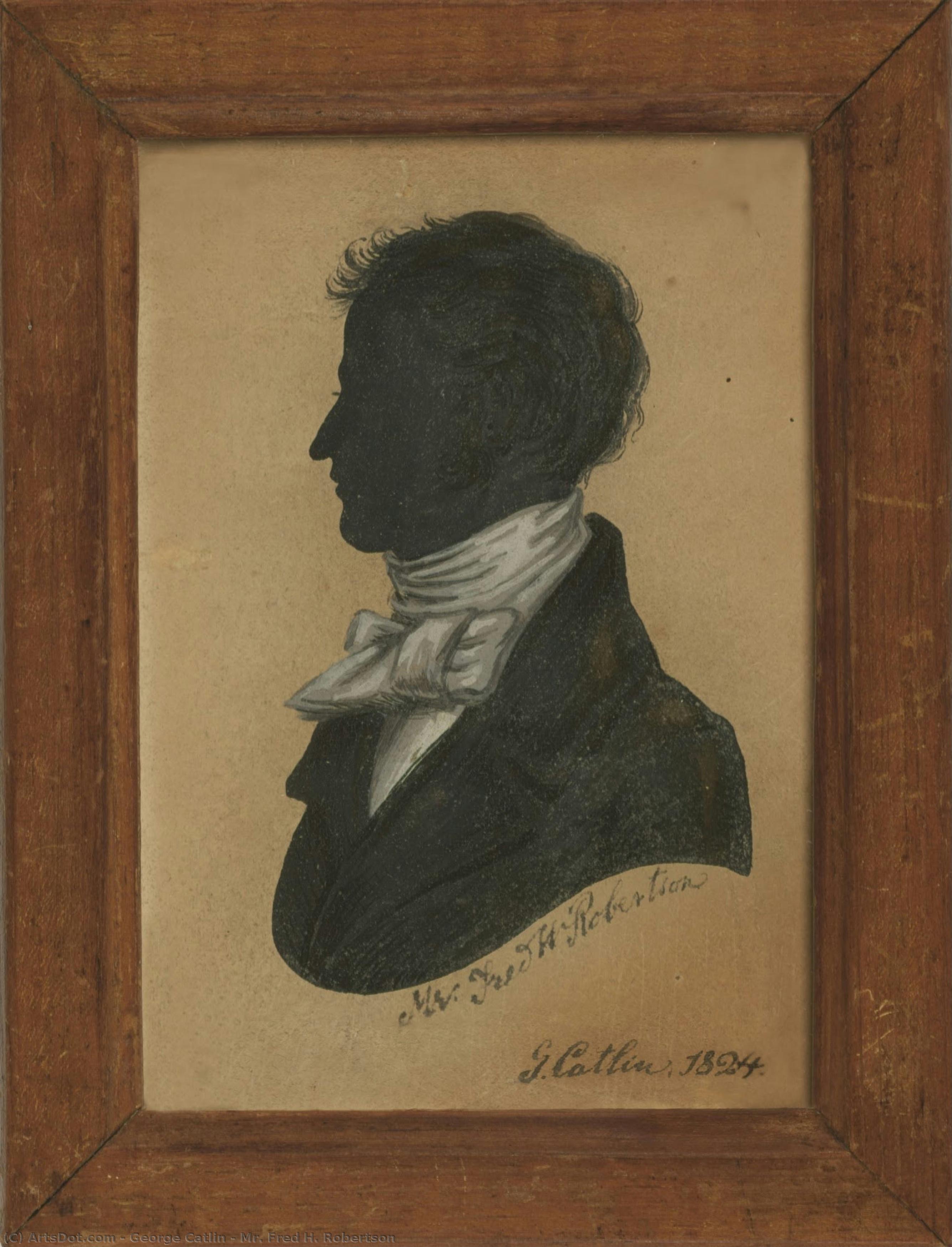
Mr. Fred H. Robertson
 Oil On Paper
- Romantic Landscape Painting
 1824
1824- 19th Century
 14.0 x 11.0 cm
 Smithsonian American Art Museum
 Rozwiń treść
Kup wysokiej rozdzielczości, ulepszony obraz cyfrowy o znacznie wyższej jakości niż podgląd online.
Każdy plik jest starannie przygotowywany przez naszych specjalistów przy użyciu zaawansowanych narzędzi oraz profesjonalnej, ręcznej retuszy. Dbamy o to, aby każdy obraz cechował się wyjątkową ostrością, precyzyjnym odwzorowaniem kolorów i subtelnymi detalami.
Ostateczny plik dostarczany jest drogą mailową w ciągu 72 godzin, zoptymalizowany do natychmiastowego wykorzystania w profesjonalnych zastosowaniach redakcyjnych i poligraficznych. To ta sama jakość, której ufają czołowe studia projektowe, wydawnictwa oraz galerie sztuki.
Obraz cyfrowy
Pobierz plik o wysokiej rozdzielczości do osobistego wyświetlania, druku oraz projektów kreatywnych. ( Zamów wydruk Zamów ręcznie malowaną reprodukcję)
W każdym zamówieniu na obraz cyfrowy znajduje się
Profesjonalna dostawa cyfrowa z gwarancją
Wybierając OriginalUniqueArt.com, nie otrzymujesz jedynie obrazu – otrzymujesz profesjonalnie udoskonalone cyfrowe dzieło sztuki, stworzone z najwyższą precyzją i objęte gwarancją satysfakcji. Oto wszystko, co automatycznie dołączane jest do Twojego zamówienia:

Błyskawiczna wysyłka e-mailowa
Plik z obrazem cyfrowym w wysokiej rozdzielczości zostanie przesłany na Twój adres e-mail w ciągu 72 godzin od złożenia zamówienia – gotowy do natychmiastowego użycia.

Plik cyfrowy wzbogacony przez AI
Twoja grafika została profesjonalnie zoptymalizowana przy użyciu zaawansowanych narzędzi AI oraz ręcznej edycji, co zapewnia maksymalną szczegółowość, klarowność i wierność kolorów.

Dożywotnia darmowa ponowna dostawa
Przypadkowo usunąłeś lub zgubiłeś swój plik? Bez obaw – prześlemy go Tobie ponownie w dowolnym momencie, bez żadnych opłat.

Bez opłat importowych – zawsze
Ciesz się swoją sztuką natychmiast, bez żadnych opłat celnych, należności ani kosztów dostawy – pliki cyfrowe są zawsze wolne od podatku.

Gwarancja wierności kolorów
Dzięki zastosowaniu profesjonalnych narzędzi i procesów zarządzania barwą zapewniamy, że Twoje cyfrowe zdjęcie odzwierciedla oryginalne kolory tak wiernie, jak to tylko możliwe.

60-dniowa gwarancja satysfakcji
Jeśli nie będziesz zadowolony ze swojego cyfrowego obrazu, dokonamy jego poprawki lub zwrócimy 100% kosztów w ciągu 60 dni – bez żadnych pytań.

100% Gwarancja zwrotu pieniędzy
Nie jesteś zadowolony? Otrzymaj pełny zwrot kosztów w ciągu 60 dni od otrzymania pliku cyfrowego – bez zbędnych pytań.

Rabaty przy zamówieniach hurtowych
Kup 3 obrazy, oszczędź 10% - Kup 5, oszczędź 15% - Kup 10+, oszczędź 20%. Idealne do projektów kreatywnych, galerii i agencji.
Opis kolekcjonerski
Mr. Fred H. Robertson: A Window into Victorian Frontier Vision
George Catlin’s “Mr. Fred H. Robertson,” painted in 1824, stands as a remarkable testament to the Romantic fascination with the American West and the burgeoning desire to document Indigenous cultures before their irreversible decline. This monochrome watercolor and oil on paperboard captures a portrait of Fred H. Robertson—likely a gentleman from Wilkes-Barre—against a subtly textured wall bearing faint inscriptions hinting at its provenance.
Catlin’s artistic approach was deeply rooted in his own upbringing, shaped by tales of Indian raids recounted by his mother. Driven by an unwavering conviction that Native American traditions deserved meticulous preservation, he abandoned legal pursuits to dedicate himself entirely to visual recording. Unlike many artists of his era focused on idealized landscapes or mythological narratives, Catlin sought to portray Native Americans with unflinching realism—a bold stance for Victorian sensibilities.
- Style: Romantic Portraiture – Catlin’s style embodies the Romantic movement's emphasis on emotion and dramatic observation. He eschewed academic conventions in favor of capturing psychological depth and conveying a sense of immediacy.
- Technique: Watercolor and Oil – The artwork utilizes watercolor as its primary medium, layering delicate washes to establish tonal values and create atmospheric effects. Thin oil glazes were applied over the watercolor, adding luminosity and enhancing textural detail—a technique characteristic of Catlin’s oeuvre.
- Historical Context: Painted during the mid-1820s, “Mr. Fred H. Robertson” reflects the Victorian era's preoccupation with exploration and ethnographic study. It aligns with a broader trend toward documenting diverse cultures and capturing their essence for posterity.
The subdued palette—primarily shades of grey and brown—contributes to an aura of solemn contemplation, mirroring the seriousness with which Catlin approached his subject matter. Robertson’s gaze directs outwards, suggesting introspection and perhaps a recognition of the grandeur and vulnerability inherent in encountering unfamiliar cultures. The wall inscription adds another layer of intrigue, prompting speculation about the photograph's location and reinforcing its significance as a visual record.
More than just a likeness, “Mr. Fred H. Robertson” embodies Catlin’s artistic mission—to honor Native American traditions while simultaneously presenting them to a European audience. It remains an evocative image of Victorian idealism intertwined with the sobering reality of cultural change, offering viewers a glimpse into a bygone era and prompting reflection on our relationship with the natural world.
Biografia artysty
Early Life and the Call of the Frontier
George Catlin, born in Wilkes-Barre, Pennsylvania, in 1796, was destined for a life profoundly shaped by the frontier—a world both alluring and perilous, vividly etched into his memory through the tales spun by his mother, Polly Sutton. Her own harrowing experience as a captive during an Indian raid ignited within young Catlin a deep fascination with the West, a land perceived not merely as distant but as imbued with a unique spirit, a culture rapidly fading from view. Initially trained in law, he found himself drawn to a different path—a desire to capture and preserve the essence of Native American life before it disappeared entirely. This wasn’t simply an artistic pursuit; it was driven by a sense of urgency, a premonition that westward expansion would irrevocably alter these vibrant cultures, silencing their voices and erasing their traditions. His early work, primarily engravings depicting scenes along the Erie Canal, demonstrated a remarkable technical skill and attention to detail—qualities he would later hone into his ambitious project. These initial endeavors served as a crucial foundation, sharpening his observational abilities and solidifying his commitment to visual storytelling, laying the groundwork for his future explorations of the American West.Documenting a Vanishing World: The Indian Gallery
Catlin’s most enduring legacy is undoubtedly “The Indian Gallery,” an extraordinary collection of over 500 paintings meticulously documenting Native American life and culture. Beginning in the 1830s, he embarked on five arduous expeditions into the heart of the American West, traversing vast territories inhabited by tribes such as the Mandan, Sioux, Blackfeet, and Choctaw. These journeys weren’t merely observational; Catlin immersed himself within these communities, participating in ceremonies, witnessing daily life, and forging genuine relationships with tribal leaders—a rare and deeply respectful approach for an outsider at that time. He sought to understand their customs, beliefs, and social structures, translating this knowledge onto canvas with remarkable accuracy and sensitivity. His paintings are not simply portraits; they’re windows into a vanishing world, capturing the dignity, complexity, and profound connection between these people and their environment. Works like Sham Fight, Mandan Boys (1832-1833) vividly portray a playful mock battle among young warriors, showcasing their athleticism and communal spirit, while Medicine Buffalo of the Sioux (1839) captures the solemnity and power of a prominent leader. Catlin’s meticulous attention to detail—from the elaborate clothing and weaponry to the evocative landscapes—provides invaluable insights into the lives of these tribes.A Journey West: Challenges and Artistic Development
Catlin's expeditions were fraught with challenges – logistical difficulties, harsh weather conditions, and the inherent complexities of navigating unfamiliar cultures. He faced skepticism from some quarters, who viewed his work as romanticized or even exploitative. Despite this, he persevered, driven by a deep conviction that documenting these cultures was an urgent necessity. During his travels, Catlin’s artistic style evolved significantly. Initially influenced by European academic painting, he gradually developed a more expressive and dynamic approach—a technique characterized by bold colors, dramatic lighting, and a focus on capturing movement and emotion. He experimented with different mediums, including oil paint, watercolor, and lithography, adapting his techniques to suit the subject matter and environment. His work became increasingly infused with a sense of immediacy and authenticity, reflecting his deep engagement with the people he was portraying. The portraits he created were not merely likenesses; they were attempts to convey the spirit and character of each individual, capturing their unique presence and dignity.Recognition and Legacy
Despite facing financial difficulties and initial resistance from the art establishment, Catlin’s “Indian Gallery” eventually garnered international acclaim. His exhibitions in London, Paris, and Berlin captivated audiences with their unprecedented portrayal of Native American life. The success of these tours provided him with much-needed financial support and solidified his reputation as a pioneering artist and ethnographer. However, he never achieved the level of recognition or compensation he felt was due to him. In 1872, shortly before his death, Catlin donated his collection to the Smithsonian Institution in Washington D.C., hoping it would serve as a lasting testament to his work and a valuable resource for future generations. Today, George Catlin is remembered not only as a talented painter but also as a courageous advocate for Native American rights and a vital chronicler of a vanishing culture. His paintings offer invaluable insights into the lives, customs, and beliefs of the Plains Indians—a legacy that continues to inspire artists, historians, and anyone interested in understanding the complex history of the American West.Key Works
- Sham Fight, Mandan Boys (1832-1833): A lively depiction of a playful mock battle among young Mandan warriors.
- Mrs. George Catlin (Clara Bartlett Gregory) (1850): A portrait showcasing the artist’s wife, offering insight into his personal life.
- Pipestone Quarry, Coteau Des Prairies (1848): Illustrates a sacred site for many tribes and their spiritual connection to the land.
- Medicine Buffalo of the Sioux (1839): A striking portrait capturing the dignity and power of a prominent Sioux leader.
- Prairie Meadows Burning (1832): Depicts a dramatic scene of controlled burning, highlighting the relationship between Native Americans and their environment.
- Little Wolf, A Famos Warrior (1844): A powerful portrait of a Native American warrior, symbolizing strength and resilience.

George Catlin
1796 - 1872 , Stany Zjednoczone
Krótka nota
- Artistic Movement Or Style: Malba frontierowa
- Artists Or Movements Influenced By This Artist: ['']
- Artists Who Influenced This Artist: ['']
- Date Of Birth: 26 lipca 1796
- Date Of Death: 23 grudnia 1872
- Full Name: George Catlin
- Nationality: Amerykański
- Notable Artworks:
- Sham Fight
- Prairie
- Pipestone
- Buffalo
- Eagle Dance
- Place Of Birth: Wilkes-Barre, USA

