

 Zobacz w skali 1:1
 Wyślij
 Udostępnij
 Szczegóły
 Przewodnik

 Pobierz plik obrazu
 Podobne obiekty
 RTG
RTG Pokaz slajdów
 Statystyki
Passion Flower


 Czytaj więcej
Giclée / Wydruk artystyczny
Wydruki giclée lub płótna o jakości muzealnej, szybka realizacja i szeroki wybór opcji wykończenia. ( Kup ręcznie malowany obraz Przełącz na wersję cyfrową)




P118B $10

P118H $10

P118W $10

P438Z $10

P508JH $12

P508YH $12

P805H $10

P805Z $10

P919BZ $10

P919G $10

P919XJ $10

P959ZH $10

P968JZ $12

W106C $8

W218G $10

W218JH $8

W218Y $10

W307PJ $10

W316G $10

W316PJ $8

W316Y $10

W398PJ $8

W4111J $10

W500HY $15

W500JH $15

W692G $12

W849H $8

W940BG $15

W953PJ $8




Wybierz spośród naszych standardowych rozmiarów, które zachowują oryginalne proporcje dzieła sztuki.

Możesz wprowadzić własne wymiary, aby dopasować dzieło do konkretnej ramy lub przestrzeni. Jeśli wybrany rozmiar nie będzie odpowiadał proporcjom oryginalnego obrazu, przytniecie dzieło lub rozszerzymy obraz za pomocą odbicia lustrzanego lub jednolitego wypełnienia krawędzi. Przed rozpoczęciem produkcji prześlemy cyfrową wizualizację do Twojej akceptacji.
Prosimy pamiętać, że podgląd na ekranie nie odzwierciedla faktycznego przycinania ani rozszerzania. Tylko wizualizacja dokładnie pokaże końcową kompozycję.
Mimo dostępności niestandardowych rozmiarów, zalecamy wybór wymiaru z listy zdefiniowanej, aby zachować oryginalne proporcje.
Dostawa na cały świat () w ciągu 2 tygodni zamiast standardowych 4/5 tygodni. (26 Wrzesień)

Bezpłatna ekspresowa wysyłka na cały świat

Wysokiej jakości płótno lniane

Pełne ubezpieczenie transportowe

Gwarancja zwrotu należności celnych i podatków importowych

Gwarancja idealnego odwzorowania barw

100-dniowy okres na zwrot dzieła w przypadku wykrycia wad produkcyjnych

Gwarancja 100% zwrotu pieniędzy

Oferta przy zakupie wielu sztuk
 Opcja ze szkłem jest dostępna wyłącznie w rozmiarach poniżej 110 cm

Passion Flower
Giclée / Wydruk artystyczny
Rozmiar reprodukcji
-


Suma do zapłaty
$ 80
Gene Davis’s “Passion Flower”: A Vertical Symphony of Color
Gene Davis's "Passion Flower," painted in 1968, isn’t merely a depiction of a flower; it’s an immersive experience—a vibrant plunge into the heart of Color Field painting and the Washington Color School. This work, housed within the esteemed San Francisco Museum of Modern Art (SFMOMA), stands as a testament to Davis's pioneering approach to abstraction, utilizing color not to represent form but to evoke feeling and rhythm. The piece immediately commands attention with its bold, vertical stripes—a seemingly simple arrangement that belies a complex interplay of visual elements and a profound exploration of the chromatic spectrum.
Davis’s genius lies in his meticulous control of color and line. Each stripe is an individual entity, a solid block of hue ranging from fiery oranges and passionate reds to cool blues and serene pinks. These colors aren't blended or mixed; they exist as distinct, unyielding planes, creating a dynamic visual texture that shifts with the viewer’s perspective. The consistent width of each line adds to this sense of order and rhythm, while subtle variations in saturation and intensity prevent the composition from feeling static. It’s akin to a carefully orchestrated musical score—a series of deliberate color notes building towards an emotional crescendo.
The Washington Color School and the Rise of Field Painting
To fully appreciate “Passion Flower,” it's crucial to understand its context within the broader art movement of the mid-20th century. Davis was a key figure in the Washington Color School, a group of painters based in Washington D.C. who pushed the boundaries of abstract expressionism by focusing almost exclusively on color and its effects. This movement emerged as a reaction against the gestural brushstrokes and figurative elements prevalent in earlier forms of abstraction. Instead, artists like Davis sought to create paintings that were purely about color—to explore its emotional power and visual resonance without relying on representational imagery.
The Washington Color School’s approach was heavily influenced by the work of Mark Rothko, whose large-scale color field paintings had a profound impact on the group. However, Davis developed his own distinctive style, characterized by his use of vertical stripes and his meticulous attention to detail. His work can be seen as a bridge between Rothko's meditative color explorations and the more dynamic compositions of Morris Louis and Kenneth Noland, both contemporaries within the Color Field movement.
Decoding the Symbolism: Beyond the Floral Subject
While “Passion Flower” ostensibly depicts a flower—a symbol of love, sacrifice, and rebirth—Davis deliberately stripped away any representational elements. The absence of recognizable forms allows the viewer to project their own emotions and associations onto the painting. The vibrant colors themselves carry symbolic weight: red evokes passion and energy, blue suggests tranquility and introspection, while pink hints at tenderness and vulnerability.
Interestingly, the title itself—"Passion Flower"—references the flower's association with the crucifixion of Christ. This religious symbolism adds another layer of meaning to the work, suggesting a connection between earthly beauty and spiritual transcendence. However, Davis’s focus on pure color suggests that he wasn’t interested in literal representation but rather in capturing the *feeling* of passion—its intensity, its complexity, and its transformative power.
A Legacy of Color: Reproduction and Interior Design
Today, “Passion Flower” remains a seminal work of American abstract art. Its bold colors and dynamic composition continue to captivate viewers and inspire artists. High-quality reproductions offer an accessible way to experience the painting’s emotional impact, making it a valuable addition to any collection or interior space. The vertical stripes create a strong visual anchor, adding a touch of sophistication and energy to any room. Consider pairing this artwork with complementary colors—such as earthy greens or warm neutrals—to enhance its vibrancy and create a harmonious aesthetic.
Gene Davis’s “Passion Flower” is more than just a painting; it's an invitation to lose yourself in the world of color, to explore the depths of emotion, and to appreciate the power of abstraction. It stands as a testament to his innovative approach and enduring legacy within the art world.
Biografia artysty
Architekt Koloru: Życie i Dziedzictwo Gene'a Davisa
W barwnej tkaninie amerykańskiej abstrakcji połowy XX wieku, niewiele nici lśni tak jasno i rytmicznie, jak te utkane przez Gene'a Davisa. Jako pionier nurtu Color Field Painting, Davis posiadał niezwykłą zdolność przekształcania płótna w rytmiczne doświadczenie światła i ruchu. Urodzony w Waszyngtonie w 1920 roku, jego droga do stania się centralną postacią Washington Color School nie była gwałtownym skokiem w abstrakcję, lecz stopniową ewolucją ukształtowaną przez przenikliwe oko obserwatora. Zanim jeszcze chwycił za pędzel, by stworzyć swoje ikoniczne pasy, Davis pracował jako dziennikarz sportowy – zawód wymagający ostrego skupienia na ruchu, energii i dramatyzmie wydarzeń na żywo, co później znalazło odzwierciedlenie w pulsującej wertykalności jego malarstwa.
Ziarna jego abstrakcyjnego języka zostały zasiane dzięki głębokiemu zaangażowaniu w europejski modernizm. W latach formacyjnych Davis odnalazł potężną inspirację w dziełach Paula Klee oraz Arshile Gorky, artystów, którzy pokazali, jak formę można przefiltrować do czystej emocji i symbolicznego ciężaru. Zanurzając się w arcydziełach znajdujących się w Phillips Collection, zaczął rozumieć, że kolor nie służy jedynie tematowi; kolor był tematem. To odkrycie skierowało go na drogę odejścia od tradycyjnej reprezentacji ku rewolucyjnemu sposobowi widzenia, w którym granice między kształtem a barwą zaczęły rozpuszczać się w czystej, chromatycznej energii.
Rytm Pasa: Innowacja i Technika
Rok 1958 przyniósł przełom w karierze Davisa oraz w szerszej trajektorii sztuki amerykańskiej. To właśnie w tym okresie zaczął tworzyć swoje słynne akrylowe obrazy pasowe, technikę, która stała się jego niepodrabialnym podpisem. Odchodząc od ciężkich, gesturalnych tekstur ekspresjonizmu abstrakcyjnego, Davis przyjął płaskie, świetliste właściwości farb akrylowych. Jego kompozycje często zawierały monumentalne, pionowe pasy koloru, które zdawały się wibrowć przeciwko sobie, tworząc wrażenie optycznego ruchu, który wprowadzał widza w hipnotyczny, rytmiczny trans.
Dzieła te były czymś znacznie więcej niż prostymi ćwiczeniami geometrycznymi; stanowiły eksplorację przestrzeni i percepcji. Wykorzystując podejście Washington Color School, Davis podkreślał prymat koloru, pozwalając każdemu pasowi na interakcję z sąsiadem poprzez subtelne zmiany waloru i nasycenia. Jego technika pozwalała na unikalny rodzaj „oddychania” wewnątrz obrazu, gdzie oko jest zachęcane do tańca w pionie po płótnie. Ta biegłość w operowaniu powtórzeniem i rytmem pozwoliła mu uchwycić esencję miejskiej energii i naturalnego światła, tłumacząc chaos nowoczesnego świata na ustrukturyzowany, a jednak głęboko płynny język wizualny.
Trwałe Wrażenie w Amerykańskiej Abstrakcji
Jako filar Washington Color School, występując obok współczesnych mu artystów, takich jak Morris Louis czy Kenneth Nuthland, Gene Davis pomógł przedefiniować granice abstrakcji post-malarskiej. Jego twórczość stała się świadectwem siły powściągliwości i nieskończonych możliwości tkwiących w ograniczonej palecie barw. Nawet w późniejszych pracach, takich jak nastrojowy Night Rider z 1983 roku, można dostrzec jego zdolność do łączenia odważnych barw z złożoną obrazowością, co dowodzi, że jego mistrzostwo w operowaniu kolorem potrafiło nieść głębokie, symboliczne narracje.
Historyczne znaczenie Gene'a Davisa tkwi w jego roli jako mostu między intensywną emocjonalnością wczesnej abstrakcji a chłodną, obliczoną precyzją późniejszego malarstwa Color Field. Jego dziedzictwo odnajdujemy w każdym płótnie, które stawia zmysłowe doświadczenie koloru ponad przedstawianie formy. Poprzez swoje rytmiczne pasy pozostawił po sobie wizualną symfonię, która nieustannie rezonuje z kolekcjonerami i entuzjastami sztuki na całym świecie, przypominając nam, że sztuka może być jednocześnie głęboko prosta i nieskończenie złożona.

Gene Davis
1920 - 1985 , Stany Zjednoczone
Najważniejsze informacje
- Artistic Movement Or Style: Color Field Painting
- Artists Who Influenced This Artist:
- Paul Klee
- Arshile Gorky
- Date Of Birth: August 22, 1920
- Date Of Death: April 6, 1985
- Full Name: Gene Bernard Davis
- Nationality: Amerykański
- Notable Artworks:
- Black Grey Beat
- Blue Freak-Out
- Place Of Birth: Washington, D.C.
Zobacz także powiązane artykuły
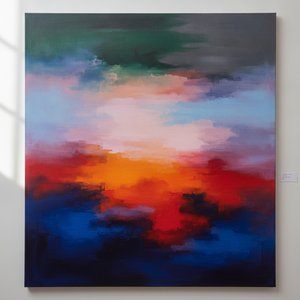
Color Field Painting: The Emotional Power of Pure Abstraction and Chromatic Depth
Explore the profound emotional depth of Color Field painting. Discover the history of mid-century abstraction, from Rothko to Newman, and learn how pure color transforms the viewer's experience through our expert art history guide.

Top 10 arcydzieł ekspresjonizmu abstrakcyjnego – inspiracje dla Twojego wnętrza | OriginalUniqueArt.com
Odkryj 10 arcydzieł ekspresjonizmu abstrakcyjnego – Pollock, Rothko, de Kooning i inni. Poznaj historie artystów, techniki i inspiracje dla Twojego wnętrza. Reprodukcje najwyższej jakości na OriginalUniqueArt.com!

Geometria Sztuki: 10 Arcydzieł Abstrakcji Geometrycznej | OriginalUniqueArt.com
Odkryj 10 arcydzieł abstrakcji geometrycznej! Poznaj historię Mondriana, Kandinskiego i Maleвича. Inspiracje wnętrzarskie z malarstwem abstrakcyjnym – reprodukcje najwyższej jakości na OriginalUniqueArt.com. Eksploruj kolekcję online!
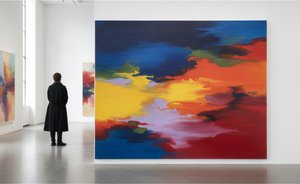
Beyond the Brushstroke: A Definitive Guide to the Emotional Power of Color Field Painting
Explore the profound history and emotional depth of Color Field painting. From Mark Rothko to Barnett Newman, discover how pure color redefined modern art through our expert-led guide for students and collectors alike.

Gene Davis: Chromatic Explorations of Color Field Painting & the Washington Color School
Explore the vibrant world of Gene Davis and the Washington Color School. Discover his iconic stripe paintings, innovative techniques, and lasting impact on American abstract art. A deep dive for collectors & enthusiasts.