
 Podgląd w skali 1:1
 Wyślij jako kartkę
 Udostępnij
 Szczegóły dzieła
 Przewodnik

 Pobierz obraz
 Podobne obiekty
 RTG
RTG Pokaz slajdów
 Q&A
Q&A Statystyki
Kobieta siedząca przy oknie

- 28.0 x 23.0 cm


 Rozwiń treść
Giclée / Wydruk artystyczny
Wydruki giclée lub płótna o jakości muzealnej, szybka realizacja i szeroki wybór opcji wykończenia. ( Zamów ręcznie malowaną reprodukcję Przejdź do wersji cyfrowej)




P118B zł10

P118H zł10

P118W zł10

P438Z zł10

P508JH zł12

P508YH zł12

P805H zł10

P805Z zł10

P919BZ zł10

P919G zł10

P919XJ zł10

P959ZH zł10

P968JZ zł12

W106C zł8

W218G zł10

W218JH zł8

W218Y zł10

W307PJ zł10

W316G zł10

W316PJ zł8

W316Y zł10

W398PJ zł8

W4111J zł10

W500HY zł15

W500JH zł15

W692G zł12

W849H zł8

W940BG zł15

W953PJ zł8




Wybierz spośród naszych standardowych rozmiarów, które zachowują oryginalne proporcje dzieła sztuki.

Wpisz wymaganą szerokość i wysokość, aby dopasować grafikę do ramy lub ściany. Wydruk można jedynie przyciąć, nigdy nie powiększając go poza oryginalny obraz, dlatego format o innych proporcjach spowoduje utratę części kompozycji. Przed rozpoczęciem druku prześlemy Ci cyfrowy podgląd do zatwierdzenia. Obraz wyświetlany na tej stronie nie pokazuje rzeczywistego przycięcia — jedynie podgląd oddaje ten efekt.
Dostawa na cały świat () w ciągu 2 tygodni zamiast standardowych 4/5 tygodni. (2 Listopad)

Bezpłatna ekspresowa wysyłka na cały świat

Wysokiej jakości płótno lniane

Pełne ubezpieczenie przesyłki

Gwarancja zwrotu należności celnych i podatków importowych

Gwarancja wiernego odwzorowania kolorów

100-dniowa polityka zwrotów (tylko w przypadku wad)

Gwarancja 100% zwrotu pieniędzy

Zniżka przy zakupie wielu sztuk
 Opcja ze szkłem jest dostępna wyłącznie w rozmiarach poniżej 110 cm

Kobieta siedząca przy oknie
Giclée / Wydruk artystyczny
Wymiary reprodukcji
-


Cena całkowita
zł 312
Gabriel Metsu i „Kobieta siedząca przy oknie”: Elegancja Domowego Życia oraz Symbolizm Religijny
„Kobieta siedząca przy oknie” Gabriela Metsu, obraz olejny na płótnie wykonany około roku 1660, stanowi doskonały przykład sztuki złotego wieku holenderskiego i fascynujące studium codziennego życia oraz subtelnych przesłanek religijnych. Jego niezwykła realizm i umiejętne wykorzystanie technik malarskich czynią go prawdziwym klejnotem kolekcji prywatnych oraz inspiracją dla projektantów wnętrz. Obraz przedstawia kobietę siedzącą przy oknie pomieszczenia, otoczoną delikatnym światłem wpuszczającym się przez okno – charakterystyczną cechą stylu nisstuk, który był popularny w Leidenie pod rządami Gerrit Dou i jego uczniów. Gerrit Dou, znany z wykorzystywania iluzji optycznej oraz szczegółowego odwzorowywania faktur, zainspirował wielu innych twórców tego okresu do eksperymentowania z formą obrazową. Metsu, podobnie jak Dou, wiernie oddaje ducha epoki, skupiając się na wiernym odtworzeniu rzeczywistości i subtelnych odniesieniach kulturowych. Kompozycja dzieła jest niezwykle przemyślana – centralną postacią jest kobieta ustawiona nieco poza środkiem obrazu, co przyciąga wzrok odbiorcy. Obok niej znajduje się miska owoców oraz książki rozłożone na stole, dodające głębi i szczegółowości wnętrzu pomieszczenia. Szczególną uwagę przykuwają wijące się winogrona, które otaczają scenę i przypominają słowa Psalm 128: „Będziesz drzewem owocowym pośród domów Twoich” – tekst biblijny wyrażający nadzieję na szczęśliwe życie rodzinne oraz obfitość. Architektoniczne elementy okiennice tworzą przestrzeń scenograficzną, która dodatkowo wzmacnia efekt iluzji optycznej. Styl obrazu jest niezwykle realistyczny i cechuje się doskonałą techniką malarską. Metsu wykorzystał miękkie mięśnie światła i cienia, aby uzyskać głębokie kontury postaci oraz wierną reprodukcję faktur tkanin i owoców. Szczegółowe odwzorowanie rysunków twarzy kobiety oraz delikatnych fal sukni świadczą o ogromnym poziomie umiejętności artystycznej twórcy. Jego prace stanowią doskonałe źródło inspiracji dla wszystkich miłośników sztuki klasycznej oraz piękna codziennego życia. Dodatkowe informacje dotyczące obrazu „Kobieta siedząca przy oknie” Gabriela Metsu można znaleźć na stronie Muzeum Sztuki Metropolitanznej: https://www.metmuseum.org/art/collection/search/437073 oraz w bazie danych obrazów OriginalUniqueArt.com: /en/art/gabriel-metsu-a-woman-seated-at-a-window-D2URL6-en/. Można również zapoznać się z innymi dziełami Gabriela Metsu na naszej stronie: /en/artists/gabriel-metsu-en/, gdzie prezentowane są jego prace reprezentujące różnorodne gatunki sztuki – pejzaże, portrety i wnętrza.Pytania i odpowiedzi
Do którego okresu twórczości Gabriel Metsu należy dzieło „Kobieta siedząca przy oknie”?
„Kobieta siedząca przy oknie” pochodzi z okresu Mature Period w twórczości Gabriel Metsu. Klasyfikacja ta wiąże dzieło z rozwojem artysty.
Jaki poziom luminancji ma „Kobieta siedząca przy oknie” – Gabriel Metsu?
„Kobieta siedząca przy oknie” – Gabriel Metsu ma luminancję na poziomie Najciemniejszy. Luminancja określa, jak dużą ilość światła zdają się odbijać kolory.
Co przedstawia i jaką atmosferę oddaje „Kobieta siedząca przy oknie” – Gabriel Metsu?
"Kobieta siedząca przy oknie" przedstawia domestic interior, fruit bowl symbolism, window niche illusion, psalm 128 imagery, genre painting style, dutch realism technique, religious allegory, a jego nastrojowy charakter można określić jako Sielski.
Biografia artysty
Gabriel Metsu – A Life of Artistic Exploration
Gabriel Metsu (1629–1667) stands as a singular figure within the Dutch Golden Age, celebrated for his masterful depictions of domestic interiors and genre scenes imbued with subtle symbolism. Unlike many of his contemporaries who adhered to established artistic conventions, Metsu pursued an eclectic path, blending influences from Rembrandt van Rijn and Johannes Vermeer into a distinctive visual language that continues to fascinate scholars and collectors alike. This biography delves into the life and oeuvre of this enigmatic artist, illuminating the formative years, groundbreaking techniques, and enduring legacy that cemented his place in art history.Early Life and Influences
Born in Leiden around 1629, Gabriel Metsu’s artistic journey began within a family steeped in artistic tradition. His father, Jacques Metsu, was a tapestry worker and painter originally hailing from Hainault—a heritage that instilled in Gabriel an appreciation for diverse visual mediums beyond mere portraiture. The Metsu household moved to Leiden shortly after his birth, exposing him to the vibrant cultural landscape of the burgeoning Republic. Crucially, Jacques’s artistic training under Gerard Dou profoundly shaped Metsu's early sensibilities, fostering a meticulous attention to detail and mastering the art of capturing natural light—skills that would become hallmarks of his mature style. The influence of Rembrandt van Rijn is palpable in Metsu’s formative works, particularly his use of chiaroscuro – dramatic contrasts between light and dark – mirroring Rembrandt’s groundbreaking approach to illumination.Artistic Career: Embracing Eclecticism
Metsu's artistic career defied categorization, earning him the moniker “a highly eclectic artist.” He skillfully navigated various genres—history paintings, still lifes, portraits, and genre scenes—demonstrating an unparalleled versatility that distinguishes him from many of his peers. Remarkably, only fourteen of Metsu’s approximately 133 extant paintings bear dates, leaving considerable room for speculation regarding the chronology of his creative process and highlighting the challenges inherent in reconstructing his artistic development. This deliberate avoidance of stylistic uniformity underscores Metsu's conviction that artistic expression should transcend rigid boundaries, prioritizing emotional resonance and visual impact above adherence to prevailing trends. His decision to establish a studio in Amsterdam around 1655 marked a pivotal moment, propelling him into contact with the epicenter of Dutch artistic innovation and fostering collaborations with fellow masters like Johannes Vermeer and Pieter de Hooch—artists who similarly championed the depiction of everyday life with remarkable realism and psychological depth.Notable Works and Legacy
Metsu’s paintings frequently centered on scenes of domestic tranquility – young women engaged in quiet pursuits, market interiors brimming with activity, and elderly figures reflecting upon life's passage. These subjects resonated deeply with the sensibilities of his time, mirroring the humanist ideals that underpinned the Dutch Golden Age. Among Metsu’s most celebrated achievements is *The Poultry Seller*, a masterpiece that exemplifies his masterful use of symbolism—a technique honed by Dou and Vermeer—to convey complex narratives within seemingly simple compositions. The painting's meticulous depiction of light and texture further underscores Metsu’s dedication to capturing the nuances of visual perception, solidifying his reputation as one of the era’s foremost innovators. Furthermore, *Portrait of the Hinlopen Family* exemplifies Metsu’s ability to blend genre conventions with portraiture, creating images that transcend mere likeness—capturing not only physical appearance but also psychological character and familial bonds. His influence extended beyond his immediate contemporaries, shaping the artistic sensibilities of subsequent generations and ensuring that Metsu's distinctive visual language continues to inspire artists today.Museum Collections and Recognition
Gabriel Metsu’s enduring legacy is reflected in the prominent presence of his artworks within major museums across Europe—most notably the Rijksmuseum in Amsterdam, where visitors can immerse themselves in the splendor of Dutch Baroque art. Ongoing research into Metsu's life and oeuvre continues to unveil new insights into his artistic process and contextualize his achievements within the broader framework of seventeenth-century European culture. His contribution to the visual arts remains unparalleled—a testament to Gabriel Metsu’s unwavering commitment to artistic exploration and innovation.
Gabriel Metsu
1629 - 1667 , Holandia
Krótka nota
- Artistic Movement Or Style: Dutch Golden Age painting
- Artists Or Movements Influenced By This Artist: ['Michiel van Musscher']
- Artists Who Influenced This Artist:
- Rembrandt van Rijn
- Johannes Vermeer
- Date Of Birth: 1629
- Date Of Death: 1667
- Full Name: Gabriel Metsu
- Nationality: Dutch
- Notable Artworks:
- The Sick Child
- Poultry Seller
- Portrait of the Hinlopen Family
- Place Of Birth: Leiden, Netherlands
Powiązane artykuły

Złoty Wiek Niderlandów: Światło, Realizm i Kulturowe Innowacje w Malarstwie Barokowym
Odkryj fascynujący świat malarstwa holenderskiego Złotego Wieku! Poznaj arcydzieła Rembrandta, Vermeera i innych mistrzów. Analiza technik, gatunków i wpływu na sztukę europejską.

Blask Złotej Ery Niderlandów: Studium Innowacji w Malarstwie XVII Wieku
Odkryj fascynujący świat malarstwa holenderskiego Złotej Ery! Analiza innowacyjnych technik Rembrandta, Vermeera i innych mistrzów. Poznaj historię, gatunki i wpływ tego wyjątkowego okresu na sztukę.
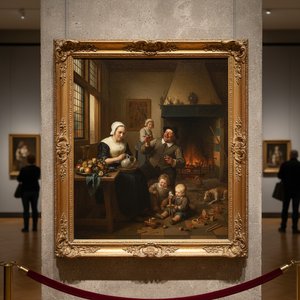
Obraz Życia Codziennego w Złotym Wieku Holandii: Malarstwo Rodzajowe i Społeczne Wartości
Odkryj fascynujący świat malarstwa rodzajowego Złotego Wieku Holandii! Poznaj mistrzów takich jak Rembrandt i Vermeer oraz wpływ ich dzieł na społeczeństwo. Ekskluzywne reprodukcje w OriginalUniqueArt.
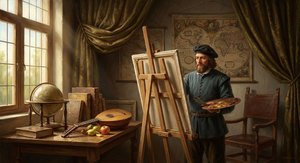
Iluminacja Realizmu: Holenderski Złoty Wiek Malarstwa – Studium Światła i Cienia (1600-1700)
Odkryj fascynujący świat holenderskiego Złotego Wieku malarstwa (1600-1700). Analiza dzieł Rembrandta, Vermeera i techniki chiaroscuro. Ekspercka wiedza o Rijksmuseum i gatunkach artystycznych.

Złoty Wiek Holandii: 10 arcydzieł, które zmieniły historię sztuki | OriginalUniqueArt.com
Odkryj 10 arcydzieł Złotego Wieku Holandii! Poznaj historię Rembrandta, Vermeera i innych mistrzów. Reprodukcje obrazów najwyższej jakości do Twojego wnętrza – OriginalUniqueArt.com.


