- Strona główna

- Reprodukcja obrazu olejnego
- fritz nansen
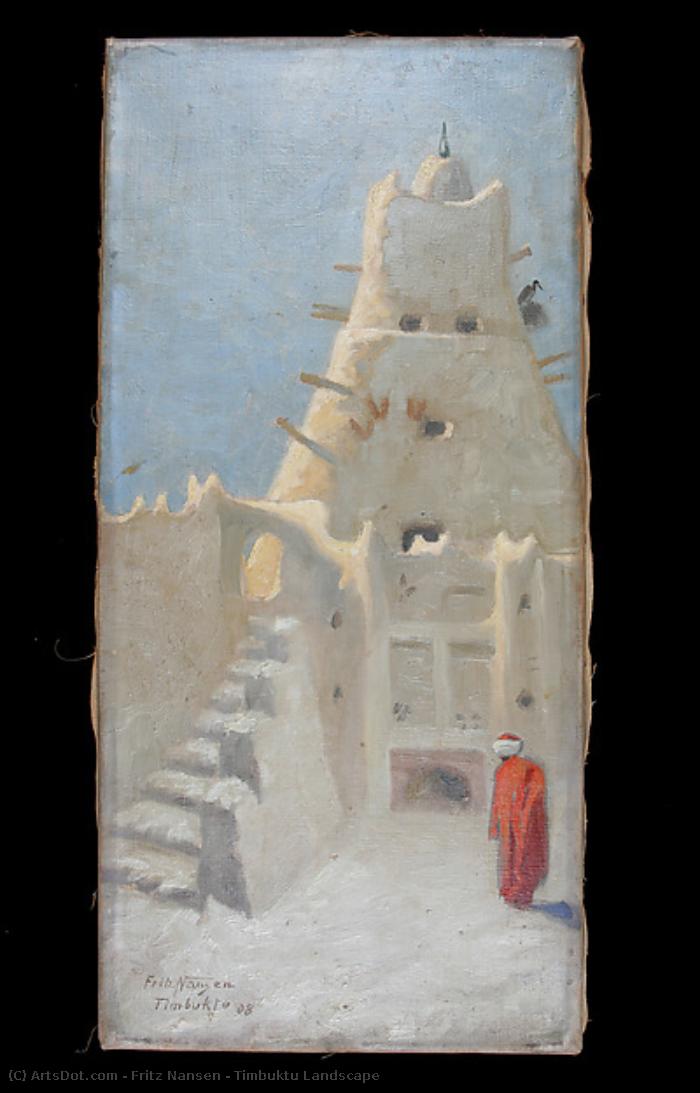
- Timbuktu Landscape
 Zamów wydruk Kup cyfrowy obraz
 Udostępnij
 Udostępnij
 Szczegóły dzieła
 Dodaj do ulubionych

 Pobierz
 Podobne obiekty
 RTG
RTG
 Pokaz slajdów
Timbuktu Landscape
 1908
1908 60.0 x 33.0 cm
 Rozwiń treść
Ręcznie malowana reprodukcja olejowa
Ręcznie malowany olej na płótnie w Twoim wymiarze i ramie, tworzony na zamówienie przez naszych artystów.




































Wybierz spośród naszych predefiniowanych rozmiarów, które zachowują oryginalne proporcje dzieła sztuki.

Możesz wprowadzić własne wymiary, aby dopasować obraz do konkretnej ramy lub przestrzeni. Jeśli wybrany rozmiar nie będzie odpowiadał proporcjom oryginału, przytniecie dzieło sztuki lub rozszerzymy je o dodatkowe elementy, ręcznie domalowane przez artystę. Przed rozpoczęciem produkcji wyślemy projekt cyfrowy do Twojej akceptacji.
Należy pamiętać, że podgląd na ekranie nie odzwierciedla rzeczywistego przycinania ani rozszerzania obrazu. Tylko projekt dokładnie pokaże ostateczną kompozycję.
Choć oferujemy możliwość zamówienia niestandardowych rozmiarów, zalecamy wybór wymiaru z gotowej listy, aby zachować oryginalne proporcje dzieła.
Po złożeniu zamówienia zespół OriginalUniqueArt.com skontaktuje się z klientem drogą mailową w celu uzyskania instrukcji i prześle wizualizację projektu
Dostawa na całym świecie () w ciągu 3/4 tygodni zamiast standardowych 5 tygodni. (23 Lipiec). Bez kompromisów w kwestii jakości.

Bezpłatna ekspresowa wysyłka na cały świat

Wysokiej jakości płótno lniane

Pełne ubezpieczenie przesyłki

Gwarancja zwrotu należności celnych

Gwarancja pełnego zgodności kolorystycznej

Polityka 60-dniowego zwrotu (tylko w przypadku wad)

Gwarancja 100% zwrotu pieniędzy

Zniżka przy większych zamówieniach
 Opcja szkła jest dostępna wyłącznie w rozmiarach poniżej 110 cm

Timbuktu Landscape
Technika reprodukcji
Wymiary reprodukcji
-


Cena całkowita
-
Opis dzieła
Biografia artysty
Fritz Nansen: Explorer, Scientist, Humanitarian, and Rector
Fridtjof Nansen was a Norwegian explorer, scientist, diplomat, humanitarian, artist, and rector—a polymath whose life spanned from 1861 to 1930. He wasn’t merely an adventurer; he possessed a profound intellectual curiosity that drove him to unravel the mysteries of the Arctic wilderness and champion the cause of refugees worldwide. His artistic pursuits, though often overshadowed by his scientific endeavors, reveal a sensitive soul attuned to the beauty of nature and imbued with a humanist spirit.- Early Life & Education: Born in Bergen, Norway, Nansen’s fascination with science began early on. He excelled academically, earning degrees in mathematics and physics from Oslo University before delving into geology and zoology. His passion for skiing—a sport he mastered at a young age—would become an integral part of his adventurous spirit and would foreshadow his groundbreaking expeditions.
- The Ski Expedition & Early Arctic Exploration: Nansen’s fame began with the 1888 ski expedition across Greenland, where he led a team to demonstrate that Greenland was not a single ice sheet but comprised of numerous smaller glaciers. This daring feat cemented his reputation as an innovator and challenged prevailing scientific dogma. He meticulously documented his observations, laying the groundwork for future Arctic research.
- The Fram Expedition (1893-96): Perhaps Nansen’s most iconic achievement was the *Fram* expedition—a perilous voyage to reach the North Pole aboard a specially designed polar ship. Driven by unwavering determination and fueled by his conviction that the Arctic ice drifts could be harnessed for scientific observation, he defied skepticism and successfully navigated through treacherous conditions. The expedition yielded invaluable data on glacial movement and contributed significantly to understanding the Arctic environment.
- Diplomatic Career & Refugee Advocacy: Following the *Fram* expedition, Nansen transitioned into diplomacy, serving as Norway’s ambassador to Sweden and later to Belgium. However, his humanitarian instincts remained paramount. Recognizing the plight of displaced persons after World War I—particularly Armenian refugees—he spearheaded the creation of the Nansen Passport system—a revolutionary initiative that granted legal status and identity to stateless individuals traveling internationally.
- Later Life & Artistic Pursuits: Nansen continued his scientific research throughout his life, focusing on ethnology, nutrition, oceanography, meteorology, zoology, marine biology, geology, and anthropology. He also served as Rector of Oslo University from 1925 to 1928, fostering a vibrant intellectual atmosphere and championing the importance of education. Notably, he gifted Edvard Munch’s *The Scream* painting to Oslo University—a testament to his appreciation for art and its ability to convey profound emotion. His legacy extends beyond scientific breakthroughs; it embodies courage, compassion, and an unwavering commitment to human dignity.

fritz nansen
Germany
Kluczowe informacje
- Artistic Movement Or Style: Early 20th Century Art
- Artists Or Movements Influenced By This Artist:
- Realism
- Symbolism
- Artists Who Influenced This Artist: ['Edvard Munch']
- Date Of Birth: October 10, 1861
- Date Of Death: May 13, 1930
- Full Name: Fridtjof Nansen
- Nationality: Norwegian
- Notable Artworks: ['Timbuktu Landscape']
- Place Of Birth: Store Frøen, Germany

