Surrealism · 1945
Moses (Frida Kahlo, 1945)
Frida Kahlo (1907–1954) stworzył Moses. Dzieło pochodzi z 1945. Należy do nurtu Surrealism. Wykonano w technice Acrylic On Canvas. Wymiary to 61 × 76 cm.
- 1945
- Acrylic On Canvas
- 61 × 76 cm

 Podgląd w skali 1:1

 Ręcznie malowany obraz olejny
 Wyślij jako kartkę
 Udostępnij
 Karta informacyjna


 Pobierz obraz
 Podobne obiekty
 RTG
 Pokaz slajdów
 Pytania i odpowiedzi

 Statystyki
Moses w skrócie
- Tytuł
- Moses
- Artysta
- Frida Kahlo (1907–1954)
- Miejsce urodzenia artysty
- Coyoacán, Meksyk
- Data powstania
- 1945
- Technika wykonania
- Acrylic On Canvas
- Wymiary
- 61 × 76 cm
- Ruch
- Surrealism
- Epoka
- Contemporary
- Temat
- moses, ten commandments, biblical story, ancient israel, religious iconography, mural painting
Co przedstawia Moses?
A Testament to Resilience: Frida Kahlo’s “Moses” – A Deep Dive
This meticulously crafted hand-painted reproduction captures the raw power and profound symbolism of Frida Kahlo's rarely seen, yet intensely evocative, painting titled "Moses." Initially conceived as a personal exploration of faith, suffering, and the human condition, this work transcends its origins to offer a timeless meditation on resilience and the struggle for meaning. Kahlo’s unique artistic voice, forged in the crucible of physical pain and emotional turmoil, is powerfully evident here, creating an image that resonates with both vulnerability and unwavering strength.
- Subject Matter: The painting centers around the biblical figure of Moses, depicted not as a heroic leader but as a profoundly human being grappling with immense responsibility. He holds aloft the tablets inscribed with the Ten Commandments, a potent symbol of divine law and humanity’s relationship with the sacred.
- Style & Technique: Kahlo's signature style – characterized by bold color palettes, meticulous detail, and unflinching self-portraiture elements – is fully realized here. The application of paint is thick and textured, lending a tactile quality to the image and emphasizing the physicality of Moses’ form. Notice the deliberate use of chiaroscuro, creating dramatic contrasts between light and shadow that heighten the emotional intensity.
Historical Context & Influences
Painted in 1945, “Moses” emerged during a period of significant artistic and intellectual ferment. Kahlo was deeply influenced by Surrealism, though she resisted being categorized within the movement’s more fantastical tendencies. Instead, she employed surrealist techniques – dreamlike imagery, symbolic representation – to explore intensely personal themes. The painting also reflects Kahlo's own experiences with illness, disability, and her complex relationship with her family history, particularly her German heritage. The choice of Moses, a figure synonymous with liberation from oppression, speaks directly to the political anxieties of post-war Mexico, where social justice movements were gaining momentum.
Decoding the Symbolism
Beyond the obvious representation of Moses and the Ten Commandments, the painting is layered with rich symbolism. The horse, prominently featured in the background, represents power, nobility, and perhaps even a fallen kingdom – a subtle allusion to the Israelites’ past. The cow symbolizes fertility and abundance, while the bird suggests freedom and spiritual aspiration. The boat, often interpreted as representing the Red Sea crossing, isn't merely a depiction of a biblical event; it embodies the journey of self-discovery and the overcoming of obstacles. Kahlo masterfully uses these elements to create a complex tapestry of meaning that invites multiple interpretations.
Emotional Impact & Artistic Value
"Moses" is more than just a beautiful image; it’s an emotionally charged statement about the human spirit's capacity for endurance and faith. Kahlo’s unflinching honesty and her ability to transform personal suffering into universal themes are what make this painting so compelling. This hand-painted reproduction allows you to experience the full force of Kahlo’s artistic vision, bringing a piece of art history directly into your home or office. Its scale – 61 x 76 cm – makes it suitable for a variety of interior design settings, while its enduring symbolism ensures that it will continue to inspire and provoke thought for generations to come.
Zdjęcia w wysokiej rozdzielczości dzieła Moses

Domena publiczna: artysta zmarł w 1954.
Inne rozmiary, kadrowanie i cytowanie →Frida Kahlo, Moses (1945). Domena publiczna
Odpowiedzi na pytania dotyczące Moses
W którym roku powstało dzieło "Moses"?
"Moses" powstało w 1945 roku. Data ta pozwala umiejscowić dzieło w kontekście twórczości Frida Kahlo oraz epoki, w której powstało.
W jakiej technice wykonano „Moses” – Frida Kahlo?
Technika wykonania dzieła „Moses” – Frida Kahlo to Acrylic On Canvas. Reprodukcje mają na celu wierne oddanie wyglądu tej techniki.
Jakie są wymiary oryginalnego dzieła „Moses” – Frida Kahlo?
Oryginalny utwór „Moses” – Frida Kahlo ma wymiary 61 x 76 cm.
Co przedstawia „Moses” – Frida Kahlo?
„Moses” – Frida Kahlo przedstawia: moses, ten commandments, biblical story, ancient israel, religious iconography, mural painting, symbolic art.
Czy dzieło "Moses" znajduje się w domenie publicznej?
„Moses” – Frida Kahlo znajduje się w domenie publicznej (należy do domeny publicznej – autorskie prawa majątkowe wygasły). Status ten określa zasady reprodukcji obrazu tego dzieła.
Któremu artyście przypisuje się "Moses"?
Autorstwo dzieła "Moses" przypisuje się Frida Kahlo.
Do jakiego nurtu artystycznego należy „Moses” – Frida Kahlo?
„Moses” – Frida Kahlo należy do nurtu Surrealism. Nurt ten stanowi stylistyczny kontekst dzieła.
Do którego okresu twórczości Frida Kahlo należy dzieło „Moses”?
W dorobku artystycznym Frida Kahlo dzieło „Moses” przypada na Mature Period. Ten etap pozwala zestawić je z innymi pracami twórcy.
Ile lat miał(a) Frida Kahlo, tworząc "Moses" w 1945 roku?
Frida Kahlo miał 38 lat w momencie powstania „Moses” w 1945. Wiek ten obliczono na podstawie roku urodzenia artysty, 1907.
O artyście: Frida Kahlo
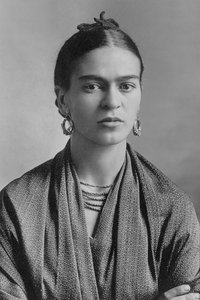
1907–1954, Meksyk
Frida Kahlo
Wczesne lata i korzenie rodzinne Coyoacán w Mieście Meksyk staje się tłem dla narodzin Magdaleny Carmen Friedy Kahlo y Calderón, które miały miejsce 6 lipca 1907 roku. Jej dom rodzinny to fascynujące zderzenie różnych linii krwi. Jej ojciec, Guillermo Kahlo, był fotografem o niemiecko-meksykańskich korzeniach, natomiast matka, Matilde, niosła w sobie dziedzictwo zarówno rdzennych mieszkańców Ameryki, jak i Hiszpanów. Ten wielokulturowy krajobraz domowy ukształtował wczesne lata Frida Kahlo – dziecka, którego fizyczna rzeczywistość zaczęła nieodwracalnie zmieniać się pod ciężarem choroby.
Inne prace Frida Kahlo
 Dwie Fridy1939
 Portret z ciężkim kolarem
 Kolumna Złamana1944
 Zraniony Jeleń1946

Eseje o Moses
 Pain and Passion: The 25 Most Iconic Masterpieces by Frida KahloExplore 25 iconic Frida Kahlo masterpieces through their powerful stories. Discover the full collection online at OriginalUniqueArt.com.
 Navigating Symbolism & Sentiment: A Comprehensive Exploration of Boats in Art HistoryExplore the rich history of boats in art! Discover symbolism & style from ancient myths to Impressionist masterpieces. Expert insights for …
 Poza Rzeczywistością: Symbolizm w Sztuce i Psychologiczny Wyraz NowoczesnościOdkryj fascynujący świat symbolizmu w sztuce! Poznaj arcydzieła Moreau, Redona i Muncha, ich ukryte znaczenia oraz wpływ na psychologię. Ek…