

 Zobacz w skali 1:1
 Wyślij
 Udostępnij
 Szczegóły
 Przewodnik

 Pobierz plik obrazu
 Podobne obiekty
 RTG
RTG Pokaz slajdów
 Statystyki
Landscape
 Oil On Canvas
- WallArt
- British Landscape Painting
 96.0 x 146.0 cm
 The Hepworth Wakefield
 Czytaj więcej
Giclée / Wydruk artystyczny
Wydruki giclée lub płótna o jakości muzealnej, szybka realizacja i szeroki wybór opcji wykończenia. ( Kup ręcznie malowany obraz Przełącz na wersję cyfrową)




P118B zł10

P118H zł10

P118W zł10

P438Z zł10

P508JH zł12

P508YH zł12

P805H zł10

P805Z zł10

P919BZ zł10

P919G zł10

P919XJ zł10

P959ZH zł10

P968JZ zł12

W106C zł8

W218G zł10

W218JH zł8

W218Y zł10

W307PJ zł10

W316G zł10

W316PJ zł8

W316Y zł10

W398PJ zł8

W4111J zł10

W500HY zł15

W500JH zł15

W692G zł12

W849H zł8

W940BG zł15

W953PJ zł8




Wybierz spośród naszych standardowych rozmiarów, które zachowują oryginalne proporcje dzieła sztuki.

Wpisz wymaganą szerokość i wysokość, aby dopasować grafikę do ramy lub ściany. Wydruk można jedynie przyciąć, nigdy nie powiększając go poza oryginalny obraz, dlatego format o innym proporcji spowoduje utratę części kompozycji. Przed rozpoczęciem druku prześlemy Ci cyfrowy podgląd do zatwierdzenia. Obraz wyświetlany na tej stronie nie pokazuje rzeczywistego przycięcia — jedynie podgląd oddaje ten efekt.
Dostawa na cały świat () w ciągu 2 tygodni zamiast standardowych 4/5 tygodni. (23 Październik)

Bezpłatna ekspresowa wysyłka na cały świat

Wysokiej jakości płótno lniane

Pełne ubezpieczenie transportowe

Gwarancja zwrotu należności celnych i podatków importowych

Gwarancja idealnego odwzorowania barw

100-dniowy okres na zwrot dzieła w przypadku wykrycia wad produkcyjnych

Gwarancja 100% zwrotu pieniędzy

Oferta przy zakupie wielu sztuk
 Opcja ze szkłem jest dostępna wyłącznie w rozmiarach poniżej 110 cm

Landscape
Giclée / Wydruk artystyczny
Rozmiar reprodukcji
-


Suma do zapłaty
zł 308
A Window on the English Countryside: Frederick Waters Watts’ “Landscape”
Frederick Waters Watts' "Landscape," a captivating oil painting from around 1860, isn’t merely a depiction of a rural scene; it’s an invitation into a meticulously rendered world brimming with quiet observation and a profound connection to the English countryside. The piece immediately draws the viewer in with its harmonious palette – a symphony of greens, blues, and browns that evoke the serenity of a late summer afternoon. It's a landscape steeped in Constablean influence, prioritizing atmospheric perspective and a subtle, almost melancholic beauty over dramatic grandeur.
The composition itself is deceptively simple yet remarkably effective. A meandering river dominates the midground, its waters reflecting the sky above with an ethereal quality. A dirt path, barely discernible, leads the eye into the distance, hinting at journeys and possibilities. Scattered amongst the trees are a few figures – likely farmers or laborers – engaged in quiet activities, their presence adding a touch of human scale to the vastness of the scene without disrupting the overall sense of tranquility. The rolling hills in the background, painted with delicate brushstrokes, fade into a hazy blue, creating an illusion of depth and distance that is characteristic of Watts’ style.
The Painter's Hand: Technique and Style
Watts was deeply influenced by John Constable, and this influence is readily apparent in "Landscape." He masterfully employed *plein air* painting techniques – working directly from nature – to capture the fleeting effects of light and atmosphere. Notice the subtle variations in color across the foliage, the way shadows fall on the ground, and the delicate rendering of water surfaces. The brushwork is loose yet controlled, creating a sense of movement and texture that brings the landscape to life. The artist’s attention to detail is remarkable; individual leaves are suggested rather than meticulously rendered, allowing the eye to fill in the gaps and contributing to the painting's overall impressionistic quality.
Furthermore, Watts skillfully utilized atmospheric perspective – *sfumato* – to create a sense of depth. Objects further away appear paler and less distinct, while those closer are richer in color and detail. This technique is particularly evident in the distant hills, which seem to dissolve into the hazy blue sky. The use of muted tones and subtle gradations of color contributes significantly to the painting’s overall mood of quiet contemplation.
A Victorian Vision: Historical Context
"Landscape" reflects the artistic sensibilities of the mid-19th century – a period when landscape painting was experiencing a resurgence in popularity. Following the Romantic movement, artists began to turn their attention to the beauty and sublimity of nature, seeking solace and inspiration in the countryside. Watts’ work aligns with this trend, capturing the idealized vision of rural England that was so prevalent during the Victorian era.
The painting also speaks to a broader cultural shift – a growing appreciation for the natural world and a desire to escape the pressures of urban life. The Victorian period witnessed significant industrialization and urbanization, leading many people to seek refuge in the countryside. Landscape art provided a means of reconnecting with nature and celebrating its enduring beauty. Watts’ painting embodies this sentiment, offering a glimpse into a simpler, more harmonious way of life.
Symbolism and Emotional Resonance
Beyond its technical merits, “Landscape” is imbued with subtle symbolism. The meandering river can be interpreted as a metaphor for the passage of time, while the figures in the foreground represent humanity’s connection to the land. The overall mood of the painting – serene, contemplative, and slightly melancholic – reflects the Victorian fascination with mortality and the fleeting nature of beauty. It's not simply a pretty picture; it invites reflection on our relationship with the natural world and our place within it.
The painting’s enduring appeal lies in its ability to evoke a sense of nostalgia for a bygone era – a time when life moved at a slower pace and people were more attuned to the rhythms of nature. “Landscape” is a testament to Watts' skill as an artist and his profound understanding of the English countryside, offering viewers a moment of respite from the complexities of modern life.
Pytania i odpowiedzi
Czy dzieło "Landscape" jest w ogólnym rozrachunku jaśniejsze czy ciemniejsze?
Jasność dzieła „Landscape” autorstwa Fryderyk Waters Watts wynosi bright, przy luminancji na poziomie Gentle Luminance.
Czy kolory w „Landscape” autorstwa Fryderyk Waters Watts są nasycone czy stonowane?
Dzieło „Landscape” autorstwa Fryderyk Waters Watts zostało utrwalone z Balanced Soft nasyceniem kolorów.
Jaki to rodzaj dzieła: "Landscape"?
"Landscape" to dzieło typu WallArt.
Biografia artysty
Wizja angielskiego pastoralizmu: Życie i dziedzictwo Fredericka Waters Wattsa
W annałach sztuki wiktoriańskiej niewiele nazwisk przywołuje cichą, tętniącą życiem esencję angielskiej wsi tak, jak Frederick Waters Watts. Urodzony w historycznym Bath w 1800 roku, Watts wyłonił się jako malarz, którego twórczość stanowiła głęboki pomost między surowym naturalizmem wczesnego dziewiętnastego wieku a wyrafinowanym estetyzmem późnej ery wiktoriańskiej. Choć wiele aspektów jego osobistej historii pozostaje spowity łagodną mgłą czasu – z biograficznymi szczegółami dotyczącymi jego pochodzenia i dokładnej daty śmierci, które często są przedmiotem debat historyków – jego artystyczna obecność jest niezaprzeczalna. Był artystą, który nie tylko malował krajobrazy; on chwytał samą duszę wiejskiego pejzażu, nasycając każdy zakole rzeki i nasłonecznioną łąkę poczuciem trwałego spokoju.
Fundamentem wielkości Wattsa była jego głęboka, niemal duchowa więź z dziełami Johna Constable'a. Przyjmując w 1817 roku naukę w Royal Academy Schools w Londynie, Watts dążył do opanowania subtelnych złożoności światła i atmosfery, które definiowały tradycję konstablówką. Jego wczesne triumfy, w tym srebrne medale zdobyte między 1819 a 2821 rokiem, zwiastowały nadejście talentu zdolnego do głębokiej obserwacji. Przyjął praktykę malowania en plein air, pracując bezpośrednio w naturze, aby przełożyć ulotne niuanse przemykającej chmury czy migotliwe odbicie na strumieniu na trwałe olej i płótno. To oddanie bezpośredniej obserwacji pozwoliło mu wyjść poza zwykłe naśladownąć, rozwijając styl, który wydawał się jednocześnie intymnie związany z ziemią i wyniesiony przez poetycką wrażliwość.
Mistrzostwo światła i angielskiego krajobrazu
Dorobek Wattsa, obejmujący około 380 obrazów, służy jako rozległa galeria najbardziej idyllicznych momentów Anglii. Jego techniczna biegłość jest najwyraźniejsza w umiejętności manipulowania światłem w celu stworzenia głębi i emocjonalnego rezonansu. Bez względu na to, czy przedstawiał spokojne wody rzeki Medway, czy surowe piękno Cumberland, Watts wykorzystywał paletę barw celebrującą organiczne tony świata naturalnego. Jego kompozycje często cechują:
- Głębia atmosferyczna: Mistrzowskie wykorzystanie zamglenia i światła, aby zasugerować nieskończone zasięgi angielskiego horyzontu.
- Nadrzeczna sielanka: Zawiłe przedstawienia wody, gdzie ruch prądów i gra odbić tworzą poczucie żywego ruchu.
- Bucoliczny urok: Włączenie subtelnych elementów ludzkich – odległej postaci, pasącej się krowy czy rustykalnego mostu – które osadzają jego monumentalne krajobrazy w przystępnej, pastoralnej rzeczywistości.
Poza czystym naturalizmem, w jego pracy kryje się podskórny symbolizm, który sugeruje głębszego, bardziej kontemplacyjnego ducha. Niektórzy badacze postrzegają jego późniejsze poszukiwania przez pryzmat Estetyzmu, zauważając, jak jego pejzaże mogą wykraczać poza zwykłą topografię, stając się alegorycznymi medytacjami nad pokojem, nadzieją i cyklicznością życia. Ta dwoistość – zdolność bycia zarówno precyzyjnym obserwatorem natury, jak i marzycielem o poetyckich prawdach – jest tym, co odróżnia jego dzieła od twórczości współczesnych mu artystów.
Znaczenie historyczne i trwała inspiracja
Przez całą swoją długą karierę, podczas której wystawiał w Royal Academy oraz British Institution aż do lat 60. XIX wieku, Watts utrzymywał stałą obecność na londyńskiej scenie artystycznej. Jego umiejętność poruszania się między zmieniającymi się gustami epoki wiktoriańskiej – od ciężkiego romantyzmu początku stulecia po bardziej delikatne, symboliczne podejścia późniejszych lat – zapewniła mu trwałą relewancję. Choć żył w okresie gwałtownej industrializacji, która zagrażała samym krajobrazom, które kochał, jego obrazy pozostają sanktuarium utraconej, przedindustrialnej Anglii.
Dziś dziedzictwo Fredericka Waters Wattsa trwa w kolekcjach prestiżowych instytucji, takich jak Tate, gdzie jego prace nieustannie budzą podziw. Pozostaje on kluczową postacią dla każdego, kto pragnie zrozumieć ewolucję brytyjskiego malarstwa pejzażowego. Dorobek jego życia stanowi świadectwo potęgi obserwacji i trwałego piękna świata przyrody, przypominając nam, że nawet w najbardziej ulotnej chwili światła nad rzeką kryje się głęboka i wieczna godność.

Fryderyk Waters Watts
1800 - 1870 , Wielka Brytania
Najważniejsze informacje
- Artistic Movement Or Style: Krajobraz romantyczny
- Artists Or Movements Influenced By This Artist: ['Konstanty']
- Artists Who Influenced This Artist: ['John Constable']
- Date Of Birth: 7 października 1800
- Date Of Death: 4 lipca 1870
- Full Name: Frederick Waters Watts
- Nationality: Brytyjczyk
- Notable Artworks:
- Forge
- Krajobraz Suffolk
- Place Of Birth: Bath, Wielka Brytania
Zobacz także powiązane artykuły
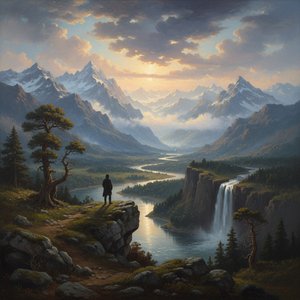
Frederick William Hayes: Transcendental Landscapes & the American Sublime
Explore the captivating landscapes of Frederick William Hayes, a Victorian artist influenced by the Hudson River School & literary utopias. Discover his legacy and artistic techniques at OriginalUniqueArt.

John Constable: 25 Najlepszych Obrazów Mistrza Angielskiego Krajobrazu | OriginalUniqueArt
Odkryj 25 arcydzieł Johna Constable'a – mistrza angielskiego krajobrazu! Poznaj romantyczne pejzaże, technikę malarską i inspiracje z Dedham Vale. Reprodukcje obrazów najwyższej jakości na OriginalUniqueArt.com. Eksploruj pełną kolekcję online!
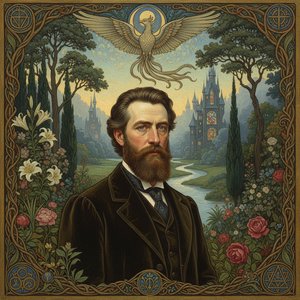
Frederick Waters Watts: A Victorian Vision of Aestheticism & Spiritual Symbolism
Explore the captivating world of Frederick Watts, a key Victorian painter blending aestheticism & spiritual symbolism. Discover his allegorical masterpieces like 'Hope' and delve into his artistic journey with OriginalUniqueArt.

Drzewa w malarstwie: Historia, symbolika i artystyczne interpretacje od antyku do współczesności
Odkryj fascynującą historię drzew w malarstwie! Poznaj symbolikę, interpretacje i wpływ tego archetypu na sztukę od antyku do współczesności. Ekspercka analiza dla miłośników historii sztuki.

Romantyczny Krajobraz w Malarstwie: 10 Arcydzieł, Które Zdefiniowały Epokę | OriginalUniqueArt.com
Odkryj 10 arcydzieł romantyzmu w malarstwie! Poznaj historie Caspara Davida Friedricha, Turnera i innych mistrzów. Inspiracje wnętrzarskie & reprodukcje obrazów najwyższej jakości na OriginalUniqueArt.com. Eksploruj kolekcję online!
