
 Zobacz w skali 1:1
 Wyślij
 Udostępnij
 Szczegóły
 Przewodnik

 Pobierz plik obrazu
 Podobne obiekty
 RTG
RTG Pokaz slajdów
 Statystyki
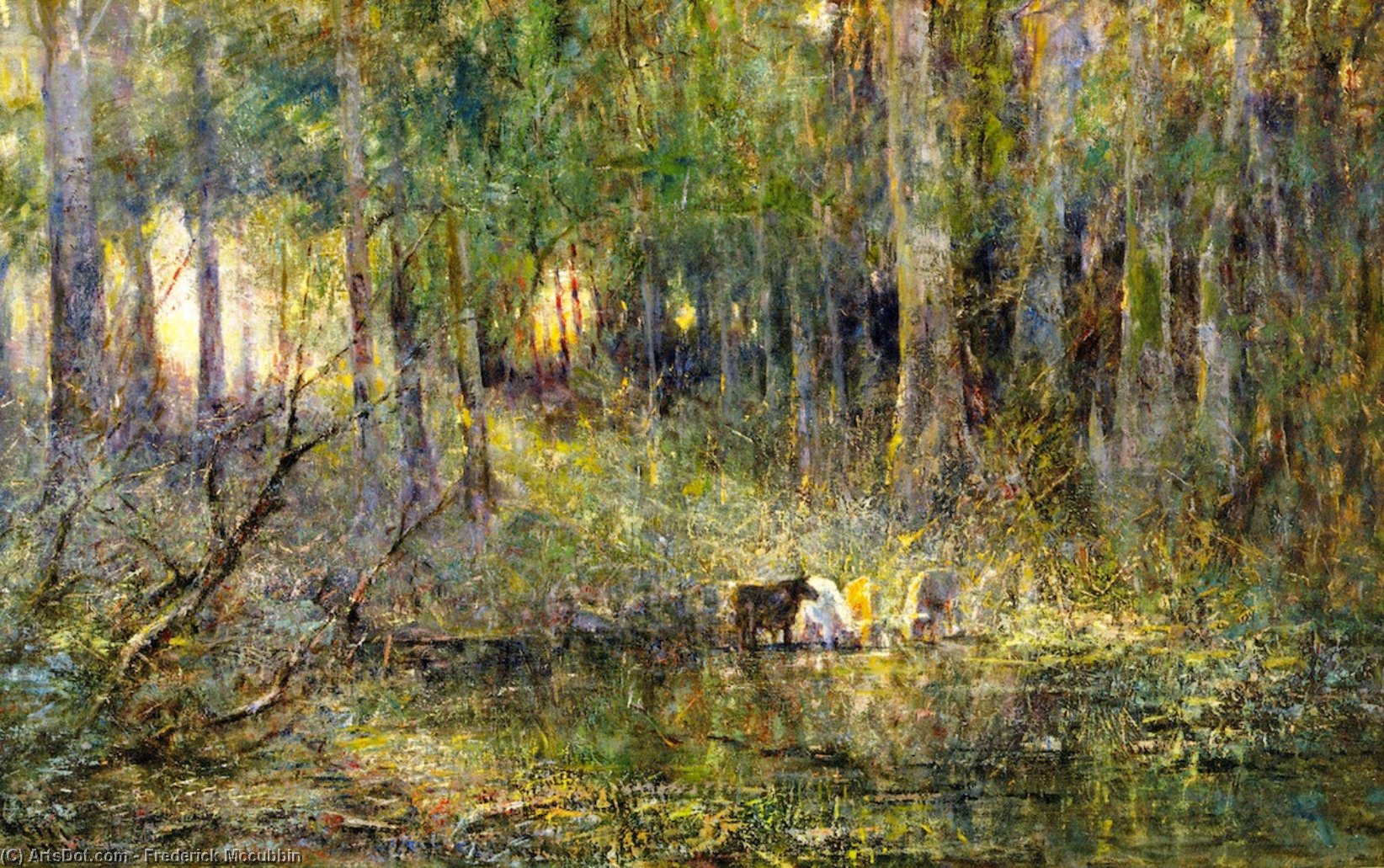
Violet and Gold
 Australian Impressionism
 1911
1911 72.0 x 130.0 cm
 Czytaj więcej
Ręcznie malowana reprodukcja olejowa
Ręcznie malowany obraz olejny na płótnie, wykonany na zamówienie przez naszych artystów w wybranym przez Ciebie wymiarze i oprawie. ( Przełącz na wersję drukowaną Przełącz na wersję cyfrową)




P118B zł10

P118H zł10

P118W zł10

P438Z zł10

P508JH zł12

P508YH zł12

P805H zł10

P805Z zł10

P919BZ zł10

P919G zł10

P919XJ zł10

P959ZH zł10

P968JZ zł12

W106C zł8

W218G zł10

W218JH zł8

W218Y zł10

W307PJ zł10

W316G zł10

W316PJ zł8

W316Y zł10

W398PJ zł8

W4111J zł10

W500HY zł15

W500JH zł15

W692G zł12

W849H zł8

W940BG zł15

W953PJ zł8




Wybierz spośród naszych standardowych rozmiarów, które zachowują oryginalne proporcje dzieła sztuki.

Wpisz wymaganą szerokość i wysokość, aby obraz pasował do Twojej ramy lub ściany. Ponieważ jest to dzieło malowane ręcznie, w przypadku rozmiaru o innym proporcji artysta może domalować nieco więcej wokół obrazu lub przyciąć fragmenty — wybór należy do Ciebie. Przed rozpoczęciem pracy prześlemy Ci cyfrową wizualizację do zatwierdzenia. Obraz widoczny na tej stronie nie przedstawia rzeczywistego efektu — jedynie wizualizacja oddaje realny rezultat.
Po złożeniu zamówienia zespół OriginalUniqueArt.com skontaktuje się z klientem drogą mailową w celu uzyskania instrukcji i prześle wizualizację projektu
Dostawa na całym świecie () w ciągu 3–4 tygodni zamiast standardowych 5 tygodni. (15 Październik). Bez kompromisów w kwestii jakości.

Bezpłatna ekspresowa wysyłka na cały świat

Wysokiej jakości płótno lniane

Pełne ubezpieczenie transportowe

Gwarancja zwrotu należności celnych i podatków importowych

Gwarancja idealnego odwzorowania barw

100-dniowy okres na zwrot dzieła w przypadku wykrycia wad produkcyjnych

Gwarancja 100% zwrotu pieniędzy

Oferta przy zakupie wielu sztuk
 Opcja ze szkłem jest dostępna wyłącznie w rozmiarach poniżej 110 cm

Violet and Gold
Technika wykonania
Rozmiar reprodukcji
-


Suma do zapłaty
zł 1136
The Painting's Composition
The painting measures 72 x 130 cm and features a serene forest setting. Two individuals are seated on the ground in front of trees, possibly enjoying each other's company or taking a break from their activities. Three dogs are also present in the image, one near the left side and two others closer to the right side of the painting. The overall atmosphere is peaceful, with humans and animals coexisting harmoniously within the natural environment.Color Palette and Technique
The colors used in Violet and Gold are rich and vibrant, adding depth and life to the scene. McCubbin's skillful use of oil on canvas creates a sense of texture and dimensionality, drawing the viewer into the tranquil world he has depicted.Artist's Background
Frederick McCubbin was an Australian artist known for his landscapes and portraits. His work often explored themes of nature and human interaction with the environment. Violet and Gold is a prime example of his ability to capture the beauty and serenity of the natural world.Other Notable Works by McCubbin
Some of McCubbin's other notable works include:Conclusion
Violet and Gold by Frederick McCubbin is a beautiful representation of nature, showcasing the artist's skill in capturing serene and peaceful scenes. The painting is a testament to McCubbin's contribution to Australian art and his ability to evoke emotions through his work. For those interested in exploring more about the National Gallery of Australia and its collections, visit The National Gallery of Australia, a Cultural Treasure.Pytania i odpowiedzi
Do jakiego nurtu i do której epoki zalicza się „Violet and Gold” autorstwa Frederick McCubbin?
"Violet and Gold" należy do nurtu Australian Impressionism, a jego twórca tworzył w epoce – Wiek XIX.
W jaki sposób tematyka dzieła "Violet and Gold" odnosi się do typowych motywów twórczości Frederick McCubbin?
Powracające motywy w twórczości Frederick McCubbin obejmują australian landscape art, rural life depiction", mccubbin's regional focus, nature and humanity, "simple, peaceful scenes", domestic tranquility, regional identity; „Violet and Gold” koncentruje się na australian landscape, rural life painting, forest scene art, dogs in artwork, mccubbin’s style”, “violet and gold hues”, peaceful countryside”.
Czy „Violet and Gold” autorstwa Frederick McCubbin to jasne czy ciemne dzieło?
Postrzegana jasność dzieła „Violet and Gold” autorstwa Frederick McCubbin wynosi balanced. Można ją dopasować do oświetlenia w docelowym pomieszczeniu.
Biografia artysty
Frederick McCubbin – A Life Rooted in the Australian Landscape
Frederick McCubbin, born February 25th, 1855, in Melbourne, Australia, stands as a cornerstone of Australian art—a figure inextricably linked to the nation’s evolving identity and its distinctive visual language. His journey from humble beginnings—the son of bakers who instilled in him a profound work ethic—to becoming a pivotal voice within the Heidelberg School is testament to his unwavering dedication and artistic vision. McCubbin's formative years were marked by diverse experiences, beginning with his early education at William Willmett’s West Melbourne Common School and St Paul’s School, Swanston Street, where he absorbed foundational knowledge of Victorian society. He subsequently honed his skills as a solicitor’s clerk and assisted in the family bakery business—activities that instilled within him an understanding of everyday Australian life, a theme which would permeate throughout his oeuvre. Recognizing his innate talent for drawing, McCubbin enrolled at the National Gallery of Victoria Art School under the tutelage of Eugene von Guerard and George Folingsby, absorbing the prevailing artistic currents of the time while mastering traditional landscape painting techniques.Early Influences and Artistic Training
A crucial turning point arrived with his enduring friendship with Tom Roberts—a bond that would profoundly shape the trajectory of Australian art history. Roberts’s return from a four-year expedition to Europe in 1885 ignited McCubbin's artistic imagination, introducing him to Impressionist principles and inspiring him to embrace plein air painting—a technique championed by artists like Jules Bastien-Lepage and Millet. Together, they established the Box Hill Artists’ Camp that summer, attracting fellow luminaries Arthur Streeton and Charles Conder—artists who would collectively define what became known as the Heidelberg School movement. Rejecting the rigid formalism of European academic art, this group ventured into the Australian bushland, seeking to capture its raw beauty and confronting its harsh realities with unprecedented immediacy and authenticity. McCubbin’s contribution during this formative period was instrumental in establishing a distinctly Australian aesthetic—one characterized by luminous color palettes and expressive brushstrokes that conveyed emotion rather than mere representation. His early works, such as *View near Fisherman's Bend* (1884), exemplify this stylistic approach, demonstrating his mastery of capturing atmospheric conditions and conveying the mood of the landscape.The Heidelberg School: Defining a National Vision
The Box Hill Artists’ Camp solidified McCubbin’s commitment to portraying Australian life—a mission that would propel him toward monumental achievements in later years. He served as Drawing Master at the National Gallery School from 1886, nurturing the talents of aspiring artists and fostering a dialogue about artistic innovation within Victoria. Simultaneously, he engaged in prolific sketching activity, documenting scenes of Melbourne’s urban sprawl and capturing glimpses of rural life—activities that informed his artistic vision and deepened his understanding of the Australian psyche. McCubbin's collaborative efforts with Roberts culminated in *On the Wallaby Track* (1896)—a painting that embodies the Heidelberg School’s ethos: a bold exploration of Australian identity expressed through evocative imagery and masterful technique. The monumental scale of this work—alongside *The Pioneer* (1904) – reflects McCubbin's ambition to engage with grand narratives about settlement and pioneering spirit, aligning him with the broader artistic movement that sought to forge a national mythology.Later Years and Artistic Evolution
McCubbin’s artistic sensibilities underwent further refinement during his trip to Europe in 1907—a journey that exposed him to the groundbreaking innovations of Impressionist painters like Turner and Monet. This encounter spurred him toward experimenting with looser brushwork, brighter colors, and a more subjective interpretation of light and atmosphere—characteristics evident in paintings produced shortly before his death in 1917. Notably, *Landscape* (c. 1914) exemplifies this stylistic shift—a testament to McCubbin’s ability to synthesize influences from both European tradition and Australian landscape painting. His legacy extends beyond individual artworks; he established a foundational aesthetic for Australian art—one that continues to inspire artists today. Frederick McCubbin remains celebrated as one of Australia's most influential painters, whose enduring vision captures the essence of the nation's spirit and its relationship with the natural world.
Frederick McCubbin
1855 - 1917 , Australia
Najważniejsze informacje
- Artistic Movement Or Style: Heidelberg School
- Artists Who Influenced This Artist:
- Eugene von Guerard
- George Folingsby
- Date Of Birth: 25 lutego 1855
- Date Of Death: 20 grudnia 1917
- Full Name: Frederick McCubbin
- Nationality: Australijski
- Notable Artworks:
- On the Wallaby Track
- Down on His Luck
- The Pioneer
- Place Of Birth: Melbourne, Australia
Zobacz także powiązane artykuły

Evocations of Place: A Historical Journey Through Landscape Art
Explore the rich history of landscape art with OriginalUniqueArt. Discover renowned artists, movements like Impressionism & Romanticism, and expert guidance for collecting timeless pieces. Find your perfect serene escape today!

Evoking Nature's Sublime: A Comprehensive Exploration of 19th-Century Landscape Painting
Explore the captivating world of 19th-century landscape painting! Discover renowned artists like Friedrich & Monet, key movements, and find the perfect artwork to bring nature's serenity into your home. Expert insights at OriginalUniqueArt.

John Constable: 25 Najlepszych Obrazów Mistrza Angielskiego Krajobrazu | OriginalUniqueArt
Odkryj 25 arcydzieł Johna Constable'a – mistrza angielskiego krajobrazu! Poznaj romantyczne pejzaże, technikę malarską i inspiracje z Dedham Vale. Reprodukcje obrazów najwyższej jakości na OriginalUniqueArt.com. Eksploruj pełną kolekcję online!

Romantyczny Krajobraz w Malarstwie: 10 Arcydzieł, Które Zdefiniowały Epokę | OriginalUniqueArt.com
Odkryj 10 arcydzieł romantyzmu w malarstwie! Poznaj historie Caspara Davida Friedricha, Turnera i innych mistrzów. Inspiracje wnętrzarskie & reprodukcje obrazów najwyższej jakości na OriginalUniqueArt.com. Eksploruj kolekcję online!

Echa Miejsca: Historyczna Podróż przez Sztukę Krajobrazu
Odkryj historię sztuki krajobrazu – od romantycznych wizji Friedricha po surrealistyczne pejzaże Dalego. Analizy, inspiracje i reprodukcje obrazów najwyższej jakości na OriginalUniqueArt.com.
