

 Zobacz w skali 1:1
 Wyślij
 Udostępnij
 Szczegóły
 Przewodnik

 Pobierz plik obrazu
 Podobne obiekty
 RTG
RTG Pokaz slajdów
 Statystyki
Lost


 Czytaj więcej
Giclée / Wydruk artystyczny
Wydruki giclée lub płótna o jakości muzealnej, szybka realizacja i szeroki wybór opcji wykończenia. ( Kup ręcznie malowany obraz Przełącz na wersję cyfrową)




P118B zł10

P118H zł10

P118W zł10

P438Z zł10

P508JH zł12

P508YH zł12

P805H zł10

P805Z zł10

P919BZ zł10

P919G zł10

P919XJ zł10

P959ZH zł10

P968JZ zł12

W106C zł8

W218G zł10

W218JH zł8

W218Y zł10

W307PJ zł10

W316G zł10

W316PJ zł8

W316Y zł10

W398PJ zł8

W4111J zł10

W500HY zł15

W500JH zł15

W692G zł12

W849H zł8

W940BG zł15

W953PJ zł8




Wybierz spośród naszych standardowych rozmiarów, które zachowują oryginalne proporcje dzieła sztuki.

Wpisz wymaganą szerokość i wysokość, aby dopasować grafikę do ramy lub ściany. Wydruk można jedynie przyciąć, nigdy nie powiększając go poza oryginalny obraz, dlatego format o innym proporcji spowoduje utratę części kompozycji. Przed rozpoczęciem druku prześlemy Ci cyfrowy podgląd do zatwierdzenia. Obraz wyświetlany na tej stronie nie pokazuje rzeczywistego przycięcia — jedynie podgląd oddaje ten efekt.
Dostawa na cały świat () w ciągu 2 tygodni zamiast standardowych 4/5 tygodni. (19 Październik)

Bezpłatna ekspresowa wysyłka na cały świat

Wysokiej jakości płótno lniane

Pełne ubezpieczenie transportowe

Gwarancja zwrotu należności celnych i podatków importowych

Gwarancja idealnego odwzorowania barw

100-dniowy okres na zwrot dzieła w przypadku wykrycia wad produkcyjnych

Gwarancja 100% zwrotu pieniędzy

Oferta przy zakupie wielu sztuk
 Opcja ze szkłem jest dostępna wyłącznie w rozmiarach poniżej 110 cm

Lost
Giclée / Wydruk artystyczny
Rozmiar reprodukcji
-


Suma do zapłaty
zł 304
About the Artist
Frederick McCubbin was a renowned Australian artist, born in Melbourne, Victoria in 1855. He is known for his landscapes and portraits, often depicting scenes of rural life. McCubbin was a leading member of the Heidelberg School, also known as Australian Impressionism, which flourished during the late 19th century. You can find more information about Frederick McCubbin on OriginalUniqueArt.com.The Painting's Significance
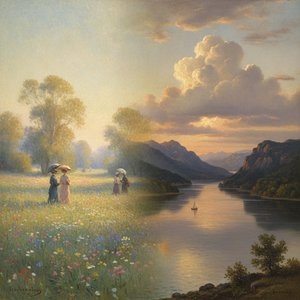
The painting Lost is a significant work in Australian art history. It showcases McCubbin's ability to capture the beauty of the natural world and the human experience. The use of oil on canvas creates a sense of depth and texture, drawing the viewer into the scene. You can view more paintings by Frederick McCubbin, including Moonrise, on OriginalUniqueArt.com.- The painting measures 115 x 73 cm, making it a substantial work of art.
- It is created using oil on canvas, a technique that requires great skill and patience.
- The painting is part of the collection at the National Gallery of Victoria, one of Australia's premier art museums.
You can also learn more about the National Gallery of Victoria and its collection on OriginalUniqueArt.com.
Pytania i odpowiedzi
Kto jest autorem dzieła "Lost" i do jakiego nurtu ono należy?
Frederick McCubbin stworzył "Lost" w ramach nurtu Australian Impressionism.
W jaki sposób można wykorzystać „Lost” autorstwa Frederick McCubbin w dekoracji wnętrz?
„Lost” jest polecane do Accent, a rekomendowanym pomieszczeniem jest Living Room.
W jakim rozmiarze zaleca się wydruk dzieła "Lost"?
Zalecany rozmiar wydruku dla „Lost” autorstwa Frederick McCubbin to Medium.
Biografia artysty
Frederick McCubbin – A Life Rooted in the Australian Landscape
Frederick McCubbin, born February 25th, 1855, in Melbourne, Australia, stands as a cornerstone of Australian art—a figure inextricably linked to the nation’s evolving identity and its distinctive visual language. His journey from humble beginnings—the son of bakers who instilled in him a profound work ethic—to becoming a pivotal voice within the Heidelberg School is testament to his unwavering dedication and artistic vision. McCubbin's formative years were marked by diverse experiences, beginning with his early education at William Willmett’s West Melbourne Common School and St Paul’s School, Swanston Street, where he absorbed foundational knowledge of Victorian society. He subsequently honed his skills as a solicitor’s clerk and assisted in the family bakery business—activities that instilled within him an understanding of everyday Australian life, a theme which would permeate throughout his oeuvre. Recognizing his innate talent for drawing, McCubbin enrolled at the National Gallery of Victoria Art School under the tutelage of Eugene von Guerard and George Folingsby, absorbing the prevailing artistic currents of the time while mastering traditional landscape painting techniques.Early Influences and Artistic Training
A crucial turning point arrived with his enduring friendship with Tom Roberts—a bond that would profoundly shape the trajectory of Australian art history. Roberts’s return from a four-year expedition to Europe in 1885 ignited McCubbin's artistic imagination, introducing him to Impressionist principles and inspiring him to embrace plein air painting—a technique championed by artists like Jules Bastien-Lepage and Millet. Together, they established the Box Hill Artists’ Camp that summer, attracting fellow luminaries Arthur Streeton and Charles Conder—artists who would collectively define what became known as the Heidelberg School movement. Rejecting the rigid formalism of European academic art, this group ventured into the Australian bushland, seeking to capture its raw beauty and confronting its harsh realities with unprecedented immediacy and authenticity. McCubbin’s contribution during this formative period was instrumental in establishing a distinctly Australian aesthetic—one characterized by luminous color palettes and expressive brushstrokes that conveyed emotion rather than mere representation. His early works, such as *View near Fisherman's Bend* (1884), exemplify this stylistic approach, demonstrating his mastery of capturing atmospheric conditions and conveying the mood of the landscape.The Heidelberg School: Defining a National Vision
The Box Hill Artists’ Camp solidified McCubbin’s commitment to portraying Australian life—a mission that would propel him toward monumental achievements in later years. He served as Drawing Master at the National Gallery School from 1886, nurturing the talents of aspiring artists and fostering a dialogue about artistic innovation within Victoria. Simultaneously, he engaged in prolific sketching activity, documenting scenes of Melbourne’s urban sprawl and capturing glimpses of rural life—activities that informed his artistic vision and deepened his understanding of the Australian psyche. McCubbin's collaborative efforts with Roberts culminated in *On the Wallaby Track* (1896)—a painting that embodies the Heidelberg School’s ethos: a bold exploration of Australian identity expressed through evocative imagery and masterful technique. The monumental scale of this work—alongside *The Pioneer* (1904) – reflects McCubbin's ambition to engage with grand narratives about settlement and pioneering spirit, aligning him with the broader artistic movement that sought to forge a national mythology.Later Years and Artistic Evolution
McCubbin’s artistic sensibilities underwent further refinement during his trip to Europe in 1907—a journey that exposed him to the groundbreaking innovations of Impressionist painters like Turner and Monet. This encounter spurred him toward experimenting with looser brushwork, brighter colors, and a more subjective interpretation of light and atmosphere—characteristics evident in paintings produced shortly before his death in 1917. Notably, *Landscape* (c. 1914) exemplifies this stylistic shift—a testament to McCubbin’s ability to synthesize influences from both European tradition and Australian landscape painting. His legacy extends beyond individual artworks; he established a foundational aesthetic for Australian art—one that continues to inspire artists today. Frederick McCubbin remains celebrated as one of Australia's most influential painters, whose enduring vision captures the essence of the nation's spirit and its relationship with the natural world.
Frederick McCubbin
1855 - 1917 , Australia
Najważniejsze informacje
- Artistic Movement Or Style: Heidelberg School
- Artists Who Influenced This Artist:
- Eugene von Guerard
- George Folingsby
- Date Of Birth: 25 lutego 1855
- Date Of Death: 20 grudnia 1917
- Full Name: Frederick McCubbin
- Nationality: Australijski
- Notable Artworks:
- On the Wallaby Track
- Down on His Luck
- The Pioneer
- Place Of Birth: Melbourne, Australia
Zobacz także powiązane artykuły
Capturing the Light: A Journey Through the Soul of American Impressionism and the Hudson River School
Explore the luminous beauty of American Impressionism and the Hudson River School. Discover a curated journey through light, landscape, and history, celebrating the enduring legacy of masters through exquisite, hand-painted oil reproductions for the discerning art lover.

Paul Cézanne: 25 Arcydzieł, które Zrewolucjonizowały Świat Sztuki | OriginalUniqueArt
Odkryj 25 arcydzieł Paula Cézanne'a – od impresjonizmu po postimpresjonizm. Poznaj historie, techniki i inspiracje malarza, który zrewolucjonizował sztukę. Reprodukcje obrazów najwyższej jakości na OriginalUniqueArt.com!

Impressionizm w Obrazach: 10 Arcydzieł Pełnych Światła i Koloru | OriginalUniqueArt
Odkryj 10 arcydzieł impresjonizmu! Poznaj historie Claude Moneta, Degasa i Van Gogha. Reprodukcje obrazów najwyższej jakości – pejzaże pełne światła i koloru do Twojego wnętrza. OriginalUniqueArt.

Szkoła Haska: Realizm, Atmosfera i Świt Holenderskiego Impresjonizmu – Przewodnik dla Koneserów Sztuki
Poznaj fascynującą historię Szkoły Haskiej – przełomowego ruchu artystycznego łączącego realizm z impresjonizmem. Analiza kluczowych artystów, atmosfery i wpływu na holenderską sztukę. Ekskluzywny przewodnik dla koneserów.

Frederick Childe Hassam: American Impressionism's Chronicler of Light & Modern Life
Explore the captivating world of Frederick Childe Hassam, a pioneer of American Impressionism. Discover his iconic paintings capturing light, urban life & coastal beauty. Learn about his legacy and influence on American art history.
