
 Podgląd w skali 1:1
 Wyślij jako kartkę
 Udostępnij
 Szczegóły dzieła
 Przewodnik

 Pobierz obraz
 Podobne obiekty
 RTG
RTG Pokaz slajdów
 Statystyki
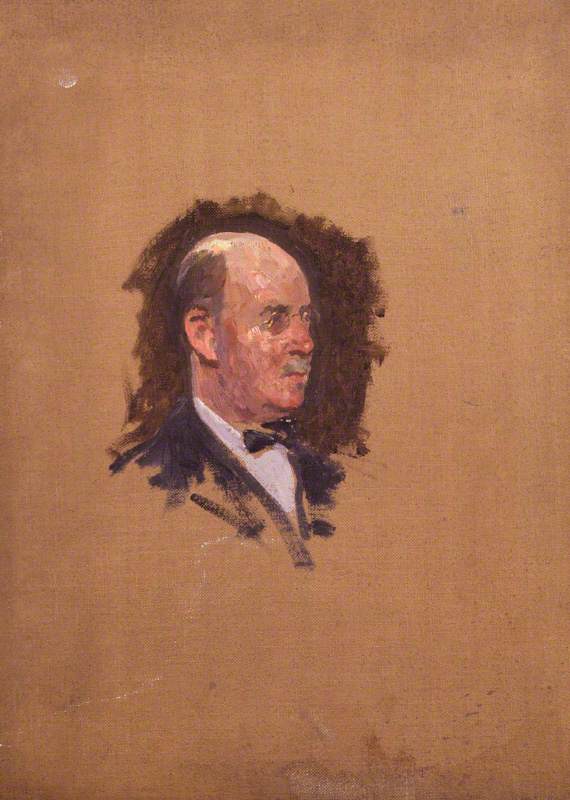
Sir (Edward) Guy Dawber
 1926
1926 38.0 x 28.0 cm
 Rozwiń treść
Ręcznie malowana reprodukcja olejowa
Ręcznie malowany obraz olejny na płótnie, wykonany na zamówienie przez naszych artystów w wybranym przez Ciebie wymiarze i oprawie. ( Przełącz na wydania drukowane Przejdź do wersji cyfrowej)




































Wybierz spośród naszych standardowych rozmiarów, które zachowują oryginalne proporcje dzieła sztuki.

Wpisz wymaganą szerokość i wysokość, aby obraz pasował do Twojej ramy lub ściany. Ponieważ jest to dzieło malowane ręcznie, w przypadku rozmiaru o innych proporcjach artysta może domalować nieco więcej wokół obrazu lub przyciąć jego fragmenty — wybór należy do Ciebie. Przed rozpoczęciem pracy prześlemy Ci cyfrową wizualizację do zatwierdzenia. Obraz widoczny na tej stronie nie przedstawia rzeczywistego efektu — jedynie wizualizacja oddaje realny rezultat.
Po złożeniu zamówienia zespół OriginalUniqueArt.com skontaktuje się z klientem drogą mailową w celu uzyskania instrukcji i prześle wizualizację projektu
Dostawa na całym świecie () w ciągu 3–4 tygodni zamiast standardowych 5 tygodni. (27 Październik). Bez kompromisów w kwestii jakości.

Bezpłatna ekspresowa wysyłka na cały świat

Wysokiej jakości płótno lniane

Pełne ubezpieczenie przesyłki

Gwarancja zwrotu należności celnych i podatków importowych

Gwarancja wiernego odwzorowania kolorów

100-dniowa polityka zwrotów (tylko w przypadku wad)

Gwarancja 100% zwrotu pieniędzy

Zniżka przy zakupie wielu sztuk
 Opcja ze szkłem jest dostępna wyłącznie w rozmiarach poniżej 110 cm

Sir (Edward) Guy Dawber
Technika reprodukcji
Wymiary reprodukcji
-


Cena całkowita
zł 1152
The Artist and His Style
Fred Roe was a talented artist known for his ability to convey the character and personality of his subjects through his paintings. In Sir (Edward) Guy Dawber, he employs a range of techniques, including the use of bold brushstrokes and vivid colors, to create a sense of depth and dimensionality. The subject's stern expression and formal attire are perfectly captured, exuding an air of sophistication and elegance. Key Features of the Painting:- The subject's facial expression, which conveys a sense of seriousness and intensity
- The intricate details of the subject's clothing and accessories, which add to the overall sense of luxury and refinement
- The use of a muted color palette, which creates a sense of calmness and serenity
Similar Works by Other Artists
For those interested in exploring more portraits like Sir (Edward) Guy Dawber, Joseph Henry Sharp's Spotted Elk, Chief and George Meredith by William Strang are excellent examples of portraiture. These paintings can be found on OriginalUniqueArt.com, which offers a wide range of handmade oil painting reproductions.The National Portrait Gallery is home to many notable works, including those by Fred Roe. For art enthusiasts and collectors, OriginalUniqueArt.com provides a unique opportunity to own handmade reproductions of famous paintings, including Sir (Edward) Guy Dawber.
Pytania i odpowiedzi
W którym roku powstało „Sir (Edward) Guy Dawber” – Fred Roe?
Powstanie „Sir (Edward) Guy Dawber” – Fred Roe datuje się na 1926.
Czy istnieje karta informacyjna o „Sir (Edward) Guy Dawber” – Fred Roe przeznaczona dla studentów?
Dla dzieła „Sir (Edward) Guy Dawber” – Fred Roe dostępna jest strona Karta informacyjna dla uczniów: nadająca się do druku karta informacyjna o utworze, przygotowana z myślą o uczniach i wykorzystaniu w klasie.
Czy kolory w "Sir (Edward) Guy Dawber" są intensywne czy stonowane?
Kolory w „Sir (Edward) Guy Dawber” – Fred Roe charakteryzują się Vivid intensywnością.
Biografia artysty
The Visionary Brush of Fred Roe
To step into the world of Fred Roe is to wander through a tapestry of historical grandeur and rugged frontier beauty. A master of both the intimate portrait and the sweeping landscape, Roe possessed a rare ability to breathe life into the past and the wild. While his name may evoke the dusty trails of the American West for some, his roots and much of his technical mastery were deeply entwared with the classical traditions of Europe. Born in 1864, Roe’s artistic identity was shaped by a dual heritage of meticulous academic training and an unquenchable thirst for exploration. Whether he was capturing the solemnity of a religious ceremony or the atmospheric mist rising over a Wyoming valley, his work remains a testament to a life spent observing the profound beauty in both the historical and the natural worlds.
The foundations of Roe’s technique were laid in the prestigious art schools of England. As the son of the painter and engraver Robert Henry Roe, the language of art was his first tongue. He refined his skills at the Heatherley School of Fine Art under the guidance of Seymour Lucas, a period that instilled in him a rigorous command over light, shadow, and anatomical precision. This academic discipline allowed him to achieve early success, exhibiting at the prestigious Royal Academy as early as 1877. His early career was marked by an impressive ascent through the ranks of the British art establishment, earning elections to the Royal Society of British Artists and the Royal Institute of British Painters. During these years, his focus often drifted toward historical genre subjects, where he utilized large-scale compositions and period costumes to recreate scenes of English history, including poignant depictions of Joan of Arc and naval incidents involving Lord Nelson.
From London Studios to the American Frontier
A pivotal shift occurred when Roe’s artistic gaze turned toward the vast, untamed landscapes of the Americas. His journey to Wyoming in 1893 served as a transformative expedition that expanded his repertoire from historical narrative to environmental storytelling. This period of exploration allowed him to document the topography and culture of the American West with the eye of both an artist and a chronicler. The rugged majesty of Yellowstone National Park became a central character in his work, providing him with a canvas of dramatic sunsets, stormy afternoons, and the quiet, misty mornings of the frontier. In these landscapes, Roe moved beyond mere documentation; he utilized expressive brushwork and a sophisticated understanding of tonal harmony to convey the palpable sense of place that defines the American spirit.
This versatility—the ability to pivot from the structured elegance of London’s high society to the raw, unscripted life of Wyoming ranchers and cowboys—is what makes his oeuvre so uniquely captivating. His talent for illustration further bridged these two worlds, as he secured prestigious commissions for Harper's Weekly and The Century Magazine. Through these publications, Roe brought the essence of Western life to a global audience, using visual storytelling to render scenes from historical narratives and contemporary frontier life with equal emotional weight. His work during this era was not merely about what could be seen, but about the feeling of the wind across the plains and the heavy silence of a historical moment frozen in time.
A Legacy of Detail and Discovery
Beyond the canvas, Fred Roe was a man of profound intellectual curiosity. His passion for history extended into the realm of material culture, where he became a leading expert and collector of antique furniture. His scholarly contributions, such as Ancient Coffers and Cupboards and A History of Oak Furniture, reveal an artist who sought to understand the structural soul of the eras he painted. This deep appreciation for craftsmanship and historical authenticity is mirrored in his paintings, where every detail—from the texture of a period garment to the light hitting a piece of weathered wood—is rendered with meticulous care.
As we reflect on the life of Fred Roe, we see an artist who refused to be confined by geography or genre. His legacy is found in the intersection of several profound artistic achievements:
- Mastery of Genre: The seamless transition between historical narrative painting and contemporary landscape art.
- Atmospheric Realism: An unparalleled ability to capture transient weather conditions and the emotional weight of light.
- Cultural Documentation: His role as a visual historian for both the English past and the American frontier.
- Scholarly Depth: The integration of historical research and antique expertise into his visual aesthetic.
Today, Roe’s works continue to resonate with collectors who seek more than just a beautiful image; they seek a window into a vanished world. His paintings remain vibrant, breathing with the energy of the landscapes he traversed and the histories he so lovingly reconstructed.

Fred Roe
1864 - 1947
Krótka nota
- Full Name: Frederic Roe
- Nationality: American
- Date Of Birth: 1864
- Date Of Death: 1947
- Place Of Birth: Wyoming
- Notable Artworks:
- Frank Short
- The Passing of John Sargent
- Artistic Movement Or Style: Romanticism