

 Podgląd w skali 1:1
 Wyślij jako kartkę
 Udostępnij
 Szczegóły dzieła
 Przewodnik

 Pobierz obraz
 Podobne obiekty
 RTG
RTG Pokaz slajdów
 Statystyki
Louis Philippe


 Rozwiń treść
Ręcznie malowana reprodukcja olejowa
Ręcznie malowany obraz olejny na płótnie, wykonany na zamówienie przez naszych artystów w wybranym przez Ciebie wymiarze i oprawie. ( Przełącz na wydania drukowane Przejdź do wersji cyfrowej)




P118B zł10

P118H zł10

P118W zł10

P438Z zł10

P508JH zł12

P508YH zł12

P805H zł10

P805Z zł10

P919BZ zł10

P919G zł10

P919XJ zł10

P959ZH zł10

P968JZ zł12

W106C zł8

W218G zł10

W218JH zł8

W218Y zł10

W307PJ zł10

W316G zł10

W316PJ zł8

W316Y zł10

W398PJ zł8

W4111J zł10

W500HY zł15

W500JH zł15

W692G zł12

W849H zł8

W940BG zł15

W953PJ zł8




Wybierz spośród naszych standardowych rozmiarów, które zachowują oryginalne proporcje dzieła sztuki.

Wpisz wymaganą szerokość i wysokość, aby obraz pasował do Twojej ramy lub ściany. Ponieważ jest to dzieło malowane ręcznie, w przypadku rozmiaru o innych proporcjach artysta może domalować nieco więcej wokół obrazu lub przyciąć jego fragmenty — wybór należy do Ciebie. Przed rozpoczęciem pracy prześlemy Ci cyfrową wizualizację do zatwierdzenia. Obraz widoczny na tej stronie nie przedstawia rzeczywistego efektu — jedynie wizualizacja oddaje realny rezultat.
Po złożeniu zamówienia zespół OriginalUniqueArt.com skontaktuje się z klientem drogą mailową w celu uzyskania instrukcji i prześle wizualizację projektu
Dostawa na całym świecie () w ciągu 3–4 tygodni zamiast standardowych 5 tygodni. (25 Październik). Bez kompromisów w kwestii jakości.

Bezpłatna ekspresowa wysyłka na cały świat

Wysokiej jakości płótno lniane

Pełne ubezpieczenie przesyłki

Gwarancja zwrotu należności celnych i podatków importowych

Gwarancja wiernego odwzorowania kolorów

100-dniowa polityka zwrotów (tylko w przypadku wad)

Gwarancja 100% zwrotu pieniędzy

Zniżka przy zakupie wielu sztuk
 Opcja ze szkłem jest dostępna wyłącznie w rozmiarach poniżej 110 cm

Louis Philippe
Technika reprodukcji
Wymiary reprodukcji
-


Cena całkowita
zł 1151
The Aura of Authority: A Study in 19th-Century Grandeur
To stand before this portrait of Louis Philippe is to step directly into the gilded drawing rooms of mid-nineteenth-century European aristocracy. It is not merely a likeness; it is a carefully constructed monument to status, power, and refined masculine bearing. The subject commands attention through sheer presence, rendered with the meticulous polish characteristic of academic painting at its zenith. One senses the weight of history settling upon his distinguished posture. The setting itself—a grand interior suggested by imposing columns and rich drapery—serves as a magnificent stage, amplifying the sitter’s importance while simultaneously grounding him within a recognizable framework of wealth and established order.
Masterful Technique and Rich Textural Dialogue
The technical execution speaks volumes about the skill of its creator. The artist has employed oil paints on canvas with an almost breathtaking level of finish, achieving smooth brushwork that belies the complexity beneath. Observe how the light, dramatically sourced from the upper left, does more than illuminate; it sculpts. It carves definition into the folds of velvet drapery, catches the sheen on polished wood, and highlights the subtle texture of his formal attire. This interplay between deep shadows and brilliant highlights creates a profound sense of three-dimensionality and depth within the depicted space. The artist’s command over perspective allows the architecture to recede convincingly, drawing the viewer deeper into the scene while keeping the central figure as the undeniable focal point.
Symbolism Woven into Fabric and Form
Every element in this composition seems deliberately placed to communicate a narrative of elevated standing. The military decorations adorning his chest are not mere embellishments; they are tangible markers of service and achievement, symbols of loyalty and martial prowess. The royal sash adds a vertical sweep of color and authority across the torso. Even the geometric precision of the surrounding architecture—the straight lines of the columns contrasting with the soft curves of the furniture—reinforces a sense of controlled power. These symbolic signifiers work in concert with the sitter’s composed demeanor to project an image of unwavering dignity.
An Emotional Resonance of Formality and Pride
Emotionally, the portrait is a study in restrained grandeur. It evokes a feeling of profound formality—the kind of solemn pride associated with ruling houses and established elites. While the subject appears impassive, there is an undercurrent of undeniable authority that permeates the canvas. For the modern collector or designer, this piece offers more than just decoration; it offers an atmosphere. Reproducing this work allows one to infuse a space with the gravitas, the deep jewel tones of reds and golds, and the timeless elegance of 19th-century court life.
Pytania i odpowiedzi
Czy mogę zamówić olejną reprodukcję "Louis Philippe"?
Ręcznie malowane reprodukcje dzieła „Louis Philippe” – Franz Xaver Winterhalter można nabyć na stronie niniejsza strona: ręcznie malowana reprodukcja olejowa na płótnie lnianym, zamawiając je bezpośrednio w zakładce Ręcznie malowana reprodukcja.
W jaki sposób kolory dzieła „Louis Philippe” – Franz Xaver Winterhalter korespondują z jego ładunkiem emocjonalnym?
Paleta Dark dzieła „Louis Philippe” – Franz Xaver Winterhalter współgra z jego Powerful wydźwiękiem emocjonalnym. Kolor jest jednym ze sposobów, w jakie praca przekazuje emocje.
W jaki sposób „Louis Philippe” – Franz Xaver Winterhalter łączy Academic Painting z krajem pochodzenia artysty?
"Louis Philippe" łączy nurt Academic Painting z Niemcy poprzez miejsce urodzenia jego twórcy.
Biografia artysty
A Painter of Kings and Queens: The Life and Art of Franz Xaver Winterhalter
Born in the secluded Black Forest village of Menzenschwand in 1805, Franz Xaver Winterhalter ascended from humble beginnings to become one of Europe’s most sought-after portraitists. His story is not merely that of an artist achieving technical mastery, but of a man who captured an era – the age of burgeoning Romanticism giving way to Victorian propriety and imperial grandeur. The son of a farmer and resin producer, Winterhalter's early life was steeped in the rhythms of rural Germany, yet his artistic inclinations quickly set him apart. A strong family bond, particularly with his painter brother Hermann, nurtured his creative spirit, while formal training at a Benedictine monastery and later under Karl Ludwig Schüler in Freiburg provided foundational skills in drawing and engraving. This initial grounding proved crucial as he transitioned to Munich, securing support from Baron von Eichtal and eventually studying at the Academy of Arts, though finding its academic rigidity somewhat stifling. It was Joseph Karl Stieler, a master of fashionable portraiture, who truly guided his development during these formative years.From Karlsruhe to Parisian Heights: Establishing a Royal Reputation
Winterhalter’s breakthrough arrived in 1828 when he became drawing master to Sophie Margravine of Baden at Karlsruhe. This appointment wasn't simply a job; it was an entry point into the intricate world of European royalty. His talent for capturing likeness and imbuing his subjects with an air of elegance quickly gained recognition, leading to commissions from Grand Duke Leopold of Baden and his wife. However, it was Paris that truly cemented Winterhalter’s fame. Arriving in the French capital in the 1830s, he skillfully navigated the artistic landscape, exhibiting genre scenes like *Il dolce Farniente* and *Il Decameron*, which showcased his academic training while hinting at a burgeoning Romantic sensibility. These works garnered critical attention, but it was his portraits that truly captivated the aristocracy. He became a favorite of King Louis-Philippe, executing over thirty commissions for the royal family and establishing himself as the go-to portraitist for those seeking to project an image of power, refinement, and dynastic legitimacy. His ability to blend realism with flattery – to present his sitters at their most idealized while remaining recognizably themselves – proved irresistible.The Victorian Embrace: A Painter of Imperial Majesty
Winterhalter’s reputation extended beyond France, reaching the British Isles and capturing the attention of Queen Victoria. In 1841, he was summoned to England, initiating a prolific relationship that would see him create over one hundred portraits for the Royal Collection. These weren't merely official commissions; they were intimate glimpses into the lives of the royal family, often commissioned as personal gifts. His portrait of Queen Victoria in 1843, a small and exquisitely detailed work, exemplifies his ability to capture not just physical likeness but also a sense of personality and emotion. The painting, gifted by Victoria to Prince Albert, depicts the young queen with a vulnerable intimacy that belies her regal status. This success solidified Winterhalter’s position as *the* portraitist of European royalty, sought after by Empress Eugénie in France, Empress Elisabeth of Austria, and countless other noble figures. He became a master of dynastic image-making, shaping how these powerful families presented themselves to the world.Style and Legacy: Beyond Likeness
While often criticized by artistic circles for prioritizing flattery over innovation, Winterhalter’s work holds a significant place in art history. His style is characterized by its meticulous detail, luminous color palette, and ability to capture the textures of fabrics and jewels with breathtaking realism. He skillfully blended Romantic sensibilities with Neoclassical precision, creating portraits that were both visually stunning and psychologically insightful. His paintings weren’t simply representations; they were carefully constructed narratives about power, status, and identity. Though he wasn't a revolutionary in the same vein as Delacroix or Courbet, his influence was pervasive. He established a standard for royal portraiture that endured for decades, and his works provide invaluable historical documentation of 19th-century European society. His legacy lies not just in the beauty of his paintings but also in their ability to transport us back to an era of opulent courts, intricate diplomacy, and unwavering social hierarchies. Today, his artworks continue to fascinate, offering a window into a world of elegance, ambition, and enduring artistic skill.A Lasting Impression
Franz Xaver Winterhalter died in Frankfurt in 1873, leaving behind a vast body of work that continues to be celebrated for its technical brilliance and historical significance. His paintings can be found in prominent museums and royal collections around the world, including the National Portrait Gallery in London, the Musée d’Orsay in Paris, and Buckingham Palace.- His ability to capture the essence of his sitters, combined with his mastery of technique, ensured his place as a leading portraitist of his time.
- He remains an important figure for understanding the visual culture of 19th-century Europe and the role of art in shaping perceptions of power and status.
- His works offer a captivating glimpse into the lives of royalty and aristocracy, providing invaluable insights into their world.
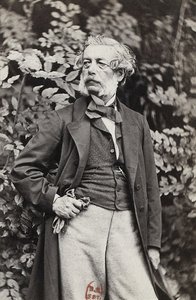
Franz Xaver Winterhalter
1805 - 1873 , Niemcy
Krótka nota
- Artistic Movement Or Style: Romanticizm, portret
- Artists Or Movements Influenced By This Artist: ['Stieler']
- Artists Who Influenced This Artist:
- Peter von Cornelius
- Joseph Karl Stieler
- Date Of Birth: 20 Apr. 1805
- Date Of Death: 8 July 1873
- Full Name: Franz Xaver Winterhalter
- Nationality: Niemiec
- Notable Artworks:
- Empress Eugenie...
- Florinda
- Il dolce farniente
- Place Of Birth: Menzenschwand, Niemcy
Powiązane artykuły

Franz Xaver Winterhalter: Court Painter, Academician & Embodiment of Mid-19th Century Portraiture
Explore the life & art of Franz Xaver Winterhalter, the celebrated court painter of the 19th century. Discover his exquisite portraits of royalty and aristocracy – a symbol of prestige and refined taste.

Arcydzieła XIX Wieku: 10 Obrazów Opowiadających Epokę | OriginalUniqueArt
Odkryj 10 arcydzieł XIX wieku! Poznaj historię Monet, Van Gogha i Courbeta. Imesjonizm, realizm, romantyzm – obrazy pełne emocji i piękna czekają na OriginalUniqueArt.com. Znajdź idealny obraz do swojego wnętrza!

Akademizm w sztuce XIX wieku: Tradycja, technika i poszukiwanie idealnej formy
Poznaj historię akademizmu w sztuce XIX wieku – od renesansowych korzeni po krytykę i wpływ na polskie malarstwo. Analiza technik, tematów i najwybitniejszych artystów. Odkryj świat klasycznej doskonałości!
Akademizm w sztuce: Tradycja, Technika i Narodziny Modernizmu
Poznaj historię akademizmu w sztuce – od klasycznych technik i tradycji po narodziny modernizmu. Analiza wpływu Akademii Sztuk Pięknych, hierarchii tematów i krytyki tego nurtu. Ekspercka wiedza dla miłośników sztuki.
Akademizm w Obrazie: 10 Arcydzieł Realizmu dla Twojego Domu | OriginalUniqueArt
Poznaj 10 arcydzieł realizmu akademickiego! Odkryj historie Bouguereau, Gérôme i Cabanel. Reprodukcje obrazów najwyższej jakości dla Twojego wnętrza. Inspiracje dekoracyjne na OriginalUniqueArt.com.

