

 Podgląd w skali
 Wyślij jako kartkę
 Udostępnij
 Szczegóły dzieła

 Pobierz
 Podobne obiekty
 RTG
RTG Pokaz slajdów
Elegant Lady with Hat
 Rozwiń treść
Kup wysokiej rozdzielczości, ulepszony obraz cyfrowy o znacznie wyższej jakości niż podgląd online.
Każdy plik jest starannie przygotowywany przez naszych specjalistów przy użyciu zaawansowanych narzędzi oraz profesjonalnej, ręcznej retuszy. Dbamy o to, aby każdy obraz cechował się wyjątkową ostrością, precyzyjnym odwzorowaniem kolorów i subtelnymi detalami.
Ostateczny plik dostarczany jest drogą mailową w ciągu 72 godzin, zoptymalizowany do natychmiastowego wykorzystania w profesjonalnych zastosowaniach redakcyjnych i poligraficznych. To ta sama jakość, której ufają czołowe studia projektowe, wydawnictwa oraz galerie sztuki.
Obraz cyfrowy
Pobierz plik o wysokiej rozdzielczości do osobistego wyświetlania, druku oraz projektów kreatywnych. ( Zamów wydruk Zamów ręcznie malowaną reprodukcję)
W każdym zamówieniu na obraz cyfrowy znajduje się
Profesjonalna dostawa cyfrowa z gwarancją
Wybierając OriginalUniqueArt.com, nie otrzymujesz jedynie obrazu – otrzymujesz profesjonalnie udoskonalone cyfrowe dzieło sztuki, stworzone z najwyższą precyzją i objęte gwarancją satysfakcji. Oto wszystko, co automatycznie dołączane jest do Twojego zamówienia:

Błyskawiczna wysyłka e-mailowa
Plik z obrazem cyfrowym w wysokiej rozdzielczości zostanie przesłany na Twój adres e-mail w ciągu 72 godzin od złożenia zamówienia – gotowy do natychmiastowego użycia.

Plik cyfrowy wzbogacony przez AI
Twoja grafika została profesjonalnie zoptymalizowana przy użyciu zaawansowanych narzędzi AI oraz ręcznej edycji, co zapewnia maksymalną szczegółowość, klarowność i wierność kolorów.

Dożywotnia darmowa ponowna dostawa
Przypadkowo usunąłeś lub zgubiłeś swój plik? Bez obaw – prześlemy go Tobie ponownie w dowolnym momencie, bez żadnych opłat.

Bez opłat importowych – zawsze
Ciesz się swoją sztuką natychmiast, bez żadnych opłat celnych, należności ani kosztów dostawy – pliki cyfrowe są zawsze wolne od podatku.

Gwarancja wierności kolorów
Dzięki zastosowaniu profesjonalnych narzędzi i procesów zarządzania barwą zapewniamy, że Twoje cyfrowe zdjęcie odzwierciedla oryginalne kolory tak wiernie, jak to tylko możliwe.

60-dniowa gwarancja satysfakcji
Jeśli nie będziesz zadowolony ze swojego cyfrowego obrazu, dokonamy jego poprawki lub zwrócimy 100% kosztów w ciągu 60 dni – bez żadnych pytań.

100% Gwarancja zwrotu pieniędzy
Nie jesteś zadowolony? Otrzymaj pełny zwrot kosztów w ciągu 60 dni od otrzymania pliku cyfrowego – bez zbędnych pytań.

Rabaty przy zamówieniach hurtowych
Kup 3 obrazy, oszczędź 10% - Kup 5, oszczędź 15% - Kup 10+, oszczędź 20%. Idealne do projektów kreatywnych, galerii i agencji.
Biografia artysty
Katsushika Hokusai: A Master of the Floating World
Born Tokitarō in 1760, Katsushika Hokusai remains one of Japan’s most beloved and profoundly influential artists. More than just a woodblock printmaker, he was a restless innovator, a keen observer of his time, and a master who seamlessly blended traditional Japanese aesthetics with burgeoning European influences. His life spanned nearly nine decades, a period marked by immense artistic growth and experimentation, culminating in iconic works like *The Great Wave off Kanagawa* that continue to resonate globally. Hokusai’s legacy extends far beyond the art world; he embodies the spirit of continuous learning and creative exploration.
Hokusai's early life was steeped in the craft traditions of Edo (modern-day Tokyo). He began his artistic journey as a young boy, apprenticed to a mirror polisher, a seemingly humble beginning for an artist who would later command immense respect. This initial training instilled a meticulous attention to detail and a deep understanding of materials – skills that would prove invaluable in his later work. He then transitioned into the world of woodblock printing, initially as a designer for Katsukawa Shunshō, a leading figure in the *ukiyo-e* (pictures of the floating world) genre. This period saw him producing vibrant prints depicting beautiful women, actors on stage, and scenes from popular folklore – works that established his technical skill but also hinted at a desire to move beyond mere imitation.
The Rise of a Singular Vision
Around 1793, Hokusai abruptly left Shunshō’s studio, embarking on a period of relative independence. This was a pivotal moment in his career; he began to develop his own distinct style and subject matter. He moved away from the conventional courtesan portraits that dominated the *ukiyo-e* market, instead focusing on landscapes, birds, fish, and other natural subjects. During this time, he also wrote and illustrated numerous short stories and novels, demonstrating a remarkable versatility and a deep engagement with contemporary life. This period saw him experimenting with different techniques and styles, laying the groundwork for his later masterpieces.
The 1820s proved to be a particularly challenging decade for Hokusai. He experienced personal tragedies – the loss of his daughter and second wife – which profoundly impacted his artistic output. Despite these hardships, he continued to work tirelessly, producing an astonishing volume of sketches, paintings, and prints. It was during this time that he began to develop *Thirty-Six Views of Mount Fuji*, a series that would become synonymous with his name and solidify his place in art history. The project wasn’t simply a depiction of the mountain; it was a meditation on nature, impermanence, and the relationship between humanity and the vastness of the world.
The Great Wave and Beyond
*The Great Wave off Kanagawa*, arguably Hokusai's most famous work, emerged from this period. Created in 1830-32 as part of the *Thirty-Six Views* series, it captures a dramatic moment at sea – a towering wave threatening to engulf three fishing boats. The print’s dynamic composition, bold colors, and masterful use of line convey both the power and beauty of nature. However, Hokusai's artistic vision extended far beyond this single image. He continued to explore diverse subjects, from scenes of everyday life in Edo to detailed studies of plants and animals. His later works demonstrate a remarkable evolution in style, incorporating elements of Western art – particularly European landscape painting – while retaining his uniquely Japanese sensibility.
Hokusai’s influence on subsequent generations of artists is undeniable. Vincent van Gogh and Claude Monet were both deeply inspired by his work, recognizing in it a revolutionary approach to composition and color. His innovative use of perspective, dynamic lines, and expressive brushwork paved the way for modern art movements. He died in 1849 at the age of 88, leaving behind an unparalleled legacy of over 30,000 paintings, sketches, woodblock prints, and illustrations – a testament to a life dedicated to artistic exploration and a profound understanding of the world around him.
Legacy and Historical Significance
Katsushika Hokusai’s work transcends its historical context. *The Great Wave*, in particular, has become an enduring symbol of human resilience in the face of overwhelming forces – a visual representation of both beauty and danger. His commitment to lifelong learning and his willingness to experiment with new techniques set him apart as a true pioneer. Hokusai’s influence can be seen not only in Japanese art but also in Western painting, demonstrating the interconnectedness of artistic traditions across cultures. He remains an artist who continues to inspire awe and admiration for his extraordinary talent and unwavering dedication to his craft.
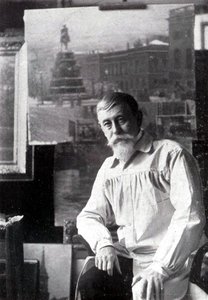
franz skarbina
1849 - 1910
Krótka nota
- Artistic Movement Or Style: Ukiyo-e
- Artists Or Movements Influenced By This Artist:
- Van Gogh
- Monet
- Artists Who Influenced This Artist:
- Leibl
- Courbet
- Date Of Birth: 31 Oct 1760
- Date Of Death: 10 May 1849
- Full Name: Hokusai
- Nationality: Japanese
- Notable Artworks:
- Great Wave
- Fine Wind
- Mt. Fuji views
- Place Of Birth: Edo, Japan

