Menu

() ·

A painting made for you, by hand

Wild Chase

Ręcznie malowana reprodukcja olejowa

Ręcznie malowany obraz olejny na płótnie, wykonany na zamówienie przez naszych artystów w wybranym przez Ciebie wymiarze i oprawie. ( Przełącz na wydania drukowane Przejdź do wersji cyfrowej)

Opis obiektu

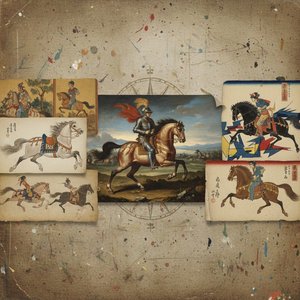
A dramatic scene of a swordsman on horseback captures the intense energy of Franz Ritter von Stuck's 1889 Symbolist masterpiece, inviting you to bring this powerful moment of German art into your private collection.

Biografia artysty

"meta_description": "Franz Ritter von Stuck – niemiecki malarz symbolisty, znany z sugestywnych scen mitycznych i rzeźb. Jego twórczość łączy klasyczną precyzję z tajemniczymi obrazami, kształtując sztukę epoki modernizmu."

from ·

Chapter 1

How large should it be?

Slide to change the size; the picture on the left shows the frame at its real width. The proportions of the original are kept.

Standardowy format
personalizowane
CM
INCH

Wybierz spośród naszych standardowych rozmiarów, które zachowują oryginalne proporcje dzieła sztuki.

szerokość
wysokość

Wpisz wymaganą szerokość i wysokość, aby obraz pasował do Twojej ramy lub ściany. Ponieważ jest to dzieło malowane ręcznie, w przypadku rozmiaru o innych proporcjach artysta może domalować nieco więcej wokół obrazu lub przyciąć jego fragmenty — wybór należy do Ciebie. Przed rozpoczęciem pracy prześlemy Ci cyfrową wizualizację do zatwierdzenia. Obraz widoczny na tej stronie nie przedstawia rzeczywistego efektu — jedynie wizualizacja oddaje realny rezultat.

Chapter 2

How should it arrive?

Choose the edges of the stretched canvas

Choose your frame

Corner sample of the WhiteWrap canvas edge finish, stretched on lite drewno bars
White zł1
Corner sample of the BlurSideWrap canvas edge finish, stretched on lite drewno bars
Blurside zł1
Corner sample of the ExtendedWrap canvas edge finish, stretched on lite drewno bars
Extended zł1
Corner sample of the P118B picture frame: polistyren formowany, 5 cm wide and 3 cm thick
P118B zł10
Corner sample of the P118H picture frame: polistyren formowany, 5 cm wide and 3 cm thick
P118H zł10
Corner sample of the P118W picture frame: polistyren formowany, 5 cm wide and 3 cm thick
P118W zł10
Corner sample of the P438Z picture frame: polistyren formowany, 5.5 cm wide and 3.5 cm thick
P438Z zł10
Corner sample of the P508JH picture frame: polistyren formowany, 7 cm wide and 3.5 cm thick
P508JH zł12
Corner sample of the P508YH picture frame: polistyren formowany, 7 cm wide and 3.5 cm thick
P508YH zł12
Corner sample of the P805H picture frame: polistyren formowany, 5 cm wide and 3.5 cm thick
P805H zł10
Corner sample of the P805Z picture frame: polistyren formowany, 5 cm wide and 3.5 cm thick
P805Z zł10
Corner sample of the P919BZ picture frame: polistyren formowany, 7 cm wide and 3.5 cm thick
P919BZ zł10
Corner sample of the P919G picture frame: polistyren formowany, 7 cm wide and 3.5 cm thick
P919G zł10
Corner sample of the P919XJ picture frame: polistyren formowany, 7 cm wide and 3.5 cm thick
P919XJ zł10
Corner sample of the P959ZH picture frame: polistyren formowany, 5 cm wide and 3 cm thick
P959ZH zł10
Corner sample of the P968JZ picture frame: polistyren formowany, 6 cm wide and 4 cm thick
P968JZ zł12
Corner sample of the W106C picture frame: lite drewno, 5 cm wide and 3 cm thick
W106C zł8
Corner sample of the W218G picture frame: lite drewno, 5 cm wide and 3 cm thick
W218G zł10
Corner sample of the W218JH picture frame: lite drewno, 5 cm wide and 3 cm thick
W218JH zł8
Corner sample of the W218Y picture frame: lite drewno, 5 cm wide and 3 cm thick
W218Y zł10
Corner sample of the W307PJ picture frame: lite drewno, 6 cm wide and 3 cm thick
W307PJ zł10
Corner sample of the W316G picture frame: lite drewno, 6 cm wide and 3 cm thick
W316G zł10
Corner sample of the W316PJ picture frame: lite drewno, 6 cm wide and 3 cm thick
W316PJ zł8
Corner sample of the W316Y picture frame: lite drewno, 6 cm wide and 3 cm thick
W316Y zł10
Corner sample of the W398PJ picture frame: lite drewno, 5 cm wide and 3 cm thick
W398PJ zł8
Corner sample of the W4111J picture frame: lite drewno, 6.5 cm wide and 3.5 cm thick
W4111J zł10
Corner sample of the W500HY picture frame: lite drewno, 7 cm wide and 5 cm thick
W500HY zł15
Corner sample of the W500JH picture frame: lite drewno, 7 cm wide and 5 cm thick
W500JH zł15
Corner sample of the W692G picture frame: lite drewno, 8 cm wide and 4 cm thick
W692G zł12
Corner sample of the W849H picture frame: lite drewno, 5 cm wide and 3 cm thick
W849H zł8
Corner sample of the W940BG picture frame: lite drewno, 7.5 cm wide and 4.5 cm thick
W940BG zł15
Corner sample of the W953PJ picture frame: lite drewno, 6 cm wide and 3.5 cm thick
W953PJ zł8
Corner sample of the H24-GOLD picture frame: rzeźbione drewno pokryte gipsem, 10 cm wide and 6 cm thick
H24-GOLD zł30
Corner sample of the H24-SILVER picture frame: rzeźbione drewno pokryte gipsem, 10 cm wide and 6 cm thick
H24-SILVER zł30
Corner sample of the H36-GOLD picture frame: rzeźbione drewno pokryte gipsem, 15 cm wide and 6.5 cm thick
H36-GOLD zł45
Corner sample of the H36-SILVER picture frame: rzeźbione drewno pokryte gipsem, 15 cm wide and 6.5 cm thick
H36-SILVER zł45

Moulding: . Overall size with the frame: .

Chapter 3

Who paints it, and should anything change?

Examples of what can be changed: Replace face with customer photo; Add pet (e.g., replace cat with dog); Include hidden message in background; Change background landscape or elements.
After order, OriginalUniqueArt.com team will email client for instructions and provide a mockup preview

Dostawa na całym świecie () w ciągu 3–4 tygodni zamiast standardowych 5 tygodni. (30 Październik). Bez kompromisów w kwestii jakości.

Chapter 4

The finishing touches

A nameplate, as in a museum?

Szczegóły grawerowanej brązowej tabliczki

This elegant plaque features the artist's name and the title of the artwork, finely engraved for a timeless presentation.

It is made from bronze with a refined, elegant finish. The text is precisely laser-engraved for a sharp and permanent result. Measuring 9x2 cm, the plaque is compact yet easy to read. It's built to be durable and scratch-resistant, offering a professional, museum-quality look. Mounting is simple thanks to the included adhesive backing.

Szczegóły przezroczystej tabliczki akrylowej

The plaque includes essential engraved details such as the artist's name, the title of the artwork, the date it was created, the type of media used-like oil on canvas or watercolor-a brief description of the piece, and a QR code that links to the complete artwork information.

It is crafted from clear acrylic, offering a sleek, modern appearance. The text is UV-engraved in black to ensure strong visual contrast. With a size of 10x15 cm, it ensures optimal readability. It comes equipped with two metal hooks for secure wall mounting. The plaque is designed to be weather-resistant, making it suitable for various environments, and it includes interactive features that work seamlessly with smartphone scanning.

Szczegóły czarnej tabliczki akrylowej

This elegant plaque includes engraved information such as the artist's name, the title of the artwork, the date it was created, the type of media used (like oil on canvas or watercolor), a short description of the artwork, and a QR code for quick access to more information.

The plaque itself is made from refined black acrylic with a premium finish. The text is laser-engraved in white for high contrast and readability. Its size is 10x15 cm, designed to be easy to read. It comes with two metal hooks for professional mounting. The design is sleek and fits any interior style. It is also weather-resistant and durable, with built-in digital integration for mobile compatibility.

A protective varnish?

When do you need it?

Chapter 5

Your painting, as you ordered it

Wild Chase

Technika reprodukcji

Wymiary reprodukcji

-

Wybitny mistrz artystyczny

Większa szczegółowość, finezja i dodatkowy czas na realizację

-

Opcje oprawy reprodukcji

-

-

W przypadku dzieł sztuki lub reprodukcji, których którykolwiek z boków przekracza 105 cm (około 41 cali), rama zostanie wysłana w formie zestawu do samodzielnego montażu. Metoda ta zapewnia bezpieczną dostawę i zapobiega uszkodzeniom podczas transportu.

Wymagany profesjonalny montaż – nie jest to produkt typu DIY.
Zestaw musi zostać złożony, a płótno naciągnięte przez doświadczonego profesjonalnego ramiarza, przy użyciu kleju do drewna (brak w zestawie), kleszczy do naciągania płótna oraz ścisków, które utrzymają krosna w równej pozycji podczas schnięcia kleju. Nieprawidłowy montaż lub nierównomierne napięcie płótna może trwale uszkodzić dzieło sztuki i nie podlega naszej gwarancji.

  • W zestawie znajdują się wszystkie listwy z litego drewna, precyzyjnie docięte do wymiarów.

  • Montaż odbywa się przy użyciu dołączonych wkrętów oraz kleju do drewna do łączenia narożników, którego zestaw nie zawiera i który musi zostać dostarczony przez ramiarza.

  • Wymagane są profesjonalne narzędzia, których nie ma w zestawie: kleszcze do naciągania płótna (napinacz) oraz zaciski, które pozwolą utrzymać listwy w równej pozycji podczas schnięcia kleju.

Ważne:
Do połączenia narożników niezbędny jest klej do drewna, listwy należy unieruchomić za pomocą ścisków do momentu całkowitego wyschnięcia kleju, a naciągnięcie płótna na złożoną ramę wymaga użycia kleszczy do naciągania płótna. Żaden z tych elementów nie jest dołączony do zestawu. Przed zamówieniem tego rozmiaru zalecamy konsultację z doświadczonym ramiarzem.

Etykieta obiektu

-

-

Lakier ochronny

Lakier z połyskiem (pogłębia kolory, chroni przed światłem i wilgocią)

-

Personalizacja dzieła

Przykłady możliwości personalizacji: zastąp twarz zdjęciem klienta; dodaj zwierzę domowe (np. zamień kota na psa); umieść ukrytą wiadomość w tle; zmień krajobraz lub elementy tła.

-

Ekspresowa

Dostawa na cały świat () w ciągu 3–4 tygodni zamiast standardowych 5 tygodni. (30 Październik). Bez kompromisów w kwestii jakości.

-

Przesyłka ekspresowa

Dostawa na cały świat () w ciągu 5 tygodni. (6 Listopad).

W cenie

Cena całkowita

zł 1165

Suma całkowita zł 1165

Opcja ze szkłem jest dostępna wyłącznie w rozmiarach poniżej 110 cm

Included with every order

  • Bezpłatna ekspresowa wysyłka na cały świat
  • Wysokiej jakości płótno lniane
  • Pełne ubezpieczenie przesyłki
  • Gwarancja zwrotu należności celnych i podatków importowych
  • Gwarancja wiernego odwzorowania kolorów
  • 100-dniowa polityka zwrotów (tylko w przypadku wad)
  • Gwarancja 100% zwrotu pieniędzy
  • Zniżka przy zakupie wielu sztuk

A Cinematic Descent into Symbolism

In the evocative masterpiece Wild Chase, created in 1889, Franz Ritter von Stuck invites the viewer into a realm where reality and myth collide with breathtaking intensity. The scene captures a moment of raw, kinetic energy: a central figure, mounted upon a powerful horse, surges through a crowd of onlookers, a sword gripped firmly in hand. This is not merely a depiction of a hunt or a skirmiment; it is a visceral exploration of movement, tension, and the primal human instinct for pursuit. The composition vibrates with the chaos of the chase, drawing the eye into a swirling vortex of figures that seem to emerge from the shadows of the subconscious. As a quintessential work of German Symbolism, the painting transcends its literal subject matter to touch upon the deeper, more turbulent layers of the human psyche.

The technical prowess displayed in this work reflects Stuck’s rigorous academic training, yet it is infused with a revolutionary spirit that anticipates the modern era. Through a masterful command of light and shadow—often rendered in a stark, dramatic palette—the artist sculpts the forms of man and beast, giving them a monumental presence. The interplay of dark tones and sudden highlights creates a sense of depth and atmosphere, making the air itself feel thick with the dust of the pursuit. For the discerning collector or interior designer, this piece offers a profound sense of drama; its monochromatic intensity provides a sophisticated focal point that can anchor a room, lending an air of historical gravity and intellectual depth to any curated space.

The Echoes of Myth and Subconscious Desire

To understand Wild Chase, one must look toward the broader movement of the Munich Secession and the influence of Arnold Böcklin. Stuck was a master at weaving classical precision with dreamlike, often unsettling imagery. In this work, the sword and the horse serve as potent symbols of power, virility, and the untamed forces of nature. The surrounding figures, caught in various states of observation and reaction, act as a chorus to the central drama, representing the collective human response to the sudden intrusion of violence or passion into the social order. There is an inherent tension between the controlled technique of the brushwork and the uncontrolled subject matter, a duality that defines much of Stuck’s legendary career.

For those seeking to bring a piece of art history into their private collections, this reproduction offers more than just aesthetic beauty; it offers a window into the late 19th-century fascination with the darker side of the soul. The emotional impact of the painting is immediate and haunting, evoking feelings of adrenaline, uncertainty, and awe. Whether placed in a contemporary gallery setting or a classic study, Wild Chase serves as a powerful testament to the enduring allure of the symbolic, making it an incomparable choice for those who value art that speaks to the eternal mysteries of life and legend.

Pytania i odpowiedzi

Jak mogę pobrać obraz „Wild Chase” – Franz Ritter von Stuck?

„Wild Chase” – Franz Ritter von Stuck można pobrać ze strony Pobierz plik cyfrowy dzieła jako wysokiej rozdzielczości cyfrowe zdjęcie do pobrania.

Jaka jest luminancja dzieła „Wild Chase” – Franz Ritter von Stuck?

Jasność zarejestrowana dla „Wild Chase” – Franz Ritter von Stuck wynosi Gentle Luminance.

Jaki układ ma „Wild Chase” – Franz Ritter von Stuck?

Dzieło „Wild Chase” – Franz Ritter von Stuck ma format Landscape. Format ten określa proporcje kompozycji.

More about this painting

Podgląd w skali 1:1 Podgląd AR Przełącz na wydania drukowane Przejdź do wersji cyfrowej Wyślij jako kartkę
Szczegóły dzieła Przewodnik Dodaj do ulubionych Pobierz obraz Podobne obiekty RTG Pokaz slajdów Q&A Statystyki

In numbers

  • 1889the year it was painted
  • 29frames to choose from
  • standard sizes, in its own proportions
  • 5weeks to paint and deliver it
Franz Ritter von Stuck

Franz Ritter von Stuck

1863 - 1928, Niemcy

Quick facts about Franz Ritter von Stuck

  • Artistic Movement Or Style: Symbolizm, Art Nouveau
  • Artists Or Movements Influenced By This Artist:
    • Paul Klee
    • Gustaw Moreau
  • Artists Who Influenced This Artist:
    • Arnold Böcklin
    • Pre-Raphaelici
  • Date Of Birth: 23 lutego 1863
  • Date Of Death: 30 sierpnia 1928
  • Full Name: Franz Ritter von Stuck
  • Nationality: Niemiec
  • Notable Artworks:
    • Wędrowczyni Paradysu
    • Salome
    • Grzina
  • Place Of Birth: Tettenweis, Niemcy

Biografia artysty

A Life Steeped in Myth and Symbol

Franz Ritter von Stuck, a name that echoes through the halls of German art history, was more than just an artist; he was a cultural phenomenon, a “Prince of Art” as he was affectionately known during his lifetime. Born in 1863 in the tranquil village of Tettenweis near Passau, Bavaria, his journey began not amidst the bustle of urban life but within the quiet rhythms of rural existence – a setting that would profoundly shape his artistic sensibilities. Initially destined for a path mirroring his father’s as a forester, young Franz quickly revealed an undeniable and deeply rooted talent for drawing, a passion that defied the expectations of his family and ultimately steered him towards a radically different destiny. This early aptitude wasn't merely a childhood pastime; it was a nascent flame, a signal of the extraordinary artistic force he would eventually unleash upon the world. His relocation to Munich in 1878 marked not just a geographical shift but a crucial step toward realizing his potential, immersing himself within the vibrant and increasingly progressive art scene of the burgeoning city.

The Rise of a Symbolist Master

Stuck’s ascent to prominence was remarkably swift and dramatic. His breakthrough arrived in 1889 with *The Guardian of Paradise*, an arresting painting exhibited at the Munich Glass Palace, instantly captivating critics and securing him a gold medal – a testament to his immediate recognition as a rising star. This wasn't simply a technically proficient work; it announced a new artistic voice—one that skillfully blended the meticulous precision of classical tradition with the evocative mystery and dreamlike imagery characteristic of Symbolism. He quickly became a central figure in challenging the conservative norms of the art establishment, playing a pivotal role in the founding of the Munich Secession in 1892 alongside a group of like-minded artists determined to break free from the constraints of academic rigidity and champion the possibilities of modern art. This act of artistic rebellion wasn’t merely a stylistic choice; it was a declaration of independence, a bold assertion of artistic freedom that resonated deeply within the cultural landscape of the time. Simultaneously, he began exploring sculpture, debuting with *Athlete* in 1892 – a piece demonstrating an impressive versatility and foreshadowing his future mastery across multiple mediums. The subsequent acclaim garnered by *The Sin* (1893), a powerfully dramatic painting that explored themes of temptation and transgression, cemented his reputation as a master of Symbolist painting, captivating audiences with its intense emotionality and psychological depth. This period marked the full flowering of Stuck’s unique style – a potent synthesis of classical form, mythological subject matter, and an undercurrent of profound symbolism.

Influences and Artistic Vision

The artistic universe of Franz von Stuck is profoundly shaped by a complex interplay of influences. His early exposure to Arnold Böcklin's hauntingly beautiful mythological scenes in Munich served as a foundational influence, instilling within him a deep appreciation for the power of suggestion and the evocative potential of symbolic imagery. However, Stuck’s artistic vision extended far beyond mere imitation; he synthesized these influences into something uniquely his own, creating works that were both deeply rooted in tradition and strikingly original. He drew inspiration from the Pre-Raphaelites, particularly their emphasis on beauty, emotion, and narrative richness, as well as from Gustave Moreau, whose opulent and richly detailed paintings explored themes of mythology, religion, and the subconscious. Crucially, Stuck wasn’t simply a compiler of influences; he possessed an innate ability to distill these diverse sources into a cohesive and powerfully expressive artistic language. His work is characterized by a sensual intensity, a fascination with the darker aspects of human nature, and a profound engagement with timeless themes—love, loss, desire, and mortality. The recurring motif of the *femme fatale*, embodied in his numerous depictions of Salome – a figure representing both allure and danger – speaks to this underlying preoccupation with the complexities of female power and its potential for both creation and destruction.

Major Works and Recognition

Throughout his prolific career, Franz von Stuck produced a vast body of work encompassing paintings, sculptures, prints, and architectural designs. Among his most celebrated achievements are *The Guardian of Paradise* (1889), a masterpiece that established his signature style; *The Sin* (1893), a powerfully dramatic depiction of temptation and transgression; *Salome* (various versions), arguably his most iconic work, exploring themes of desire, power, and the darker aspects of human nature; *Athlete* (1892), a striking sculpture that showcased his sculptural skill; and *Dissonance* (1893), a haunting portrayal of emotional turmoil. His contributions to the art world were widely recognized during his lifetime, culminating in his ennoblement as “Ritter von Stuck” in 1905 – a testament to his artistic achievements and his significant contribution to German culture. He was also appointed to a royal professorship at the Munich Academy, where he mentored a generation of talented artists, including Paul Klee, Wassily Kandinsky, and Josef Albers. His Villa Stuck in Munich, designed by himself, stands as a remarkable architectural achievement – a testament to his artistic vision and a lasting symbol of his creative legacy.

Legacy and Enduring Significance

Franz von Stuck’s impact on the art world extends far beyond his individual works. He played a pivotal role in shaping the Symbolist movement in Germany, bridging the gap between academic tradition and modern artistic experimentation. His willingness to challenge established norms, embrace new ideas, and explore unconventional themes paved the way for subsequent generations of artists. His work continues to captivate audiences with its dramatic intensity, mythological richness, and psychological depth, ensuring that his legacy remains vibrant and relevant today. He is remembered not only as a brilliant artist but also as a visionary who helped to redefine the boundaries of art and culture in the late 19th and early 20th centuries. His influence can still be felt in contemporary art, demonstrating the enduring power of his creative spirit.

Najważniejsze informacje

  • Year: 1889
  • Notable elements: Man on horse with sword, group of people
  • Dimensions: 53 x 84 cm
  • Title: Wild Chase