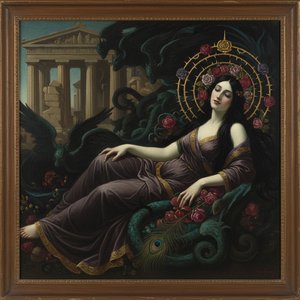
Inferno
Oil On Canvas
WallArt
German Symbolism
1908
129.0 x 210.0 cm
Metropolitan Museum of Art
Ręcznie malowana reprodukcja olejowa
Ręcznie malowany obraz olejny na płótnie, wykonany na zamówienie przez naszych artystów w wybranym przez Ciebie wymiarze i oprawie. ( Zamów wydruk
Kup obraz wysokiej rozdzielczości)
P118B $10
P118H $10
P118W $10
P438Z $10
P508JH $12
P508YH $12
P805H $10
P805Z $10
P919BZ $10
P919G $10
P919XJ $10
P959ZH $10
P968JZ $12
W106C $8
W218G $10
W218JH $8
W218Y $10
W307PJ $10
W316G $10
W316PJ $8
W316Y $10
W398PJ $8
W4111J $10
W500HY $15
W500JH $15
W692G $12
W849H $8
W940BG $15
W953PJ $8
Wybierz spośród naszych standardowych rozmiarów, które zachowują oryginalne proporcje dzieła sztuki.
Możesz wprowadzić własne wymiary, aby dopasować obraz do konkretnej ramy lub przestrzeni. Jeśli wybrany rozmiar nie będzie odpowiadał proporcjom oryginału, przytniecie dzieło sztuki lub rozszerzymy je o dodatkowe elementy, ręcznie domalowane przez artystę. Przed rozpoczęciem produkcji wyślemy projekt cyfrowy do Twojej akceptacji.
Należy pamiętać, że podgląd na ekranie nie odzwierciedla rzeczywistego przycinania ani rozszerzania obrazu. Tylko projekt dokładnie pokaże ostateczną kompozycję.
Choć oferujemy możliwość zamówienia niestandardowych rozmiarów, zalecamy wybór wymiaru z gotowej listy, aby zachować oryginalne proporcje dzieła.
Po złożeniu zamówienia zespół OriginalUniqueArt.com skontaktuje się z klientem drogą mailową w celu uzyskania instrukcji i prześle wizualizację projektu
Dostawa na całym świecie () w ciągu 3–4 tygodni zamiast standardowych 5 tygodni. (17 Sierpień). Bez kompromisów w kwestii jakości.
Bezpłatna ekspresowa wysyłka na cały świat
Wysokiej jakości płótno lniane
Pełne ubezpieczenie przesyłki
Gwarancja zwrotu należności celnych i podatków importowych
Gwarancja wiernego odwzorowania kolorów
Polityka 60-dniowego zwrotu (tylko w przypadku wad)
Gwarancja 100% zwrotu kosztów
Zniżka przy zamówieniu wielu produktów
Inferno
Technika reprodukcji
Wymiary reprodukcji
-
Cena całkowita
$ 300
Opis dzieła
The Genesis of Darkness: Inferno and Dante’s Vision
Franz Ritter von Stuck's "Inferno," painted in 1908, isn’t merely a depiction of hell; it’s a visceral plunge into the darkest recesses of the human psyche. Born from the fertile ground of German Symbolism, this monumental oil on canvas transcends simple illustration, becoming a profound meditation on sin, guilt, and the inescapable consequences of moral transgression. Stuck, deeply influenced by the haunting imagery of Auguste Rodin's "The Gates of Hell," particularly the figure of The Thinker – a potent symbol of intellectual torment – crafted an artwork that resonates with both classical precision and unsettling modernity. The painting’s title directly references Dante Alighieri’s epic poem “Inferno,” serving as a visual embodiment of its core themes, but Stuck's interpretation diverges significantly from the medieval text, injecting a jarring dissonance into the traditional symbols of the underworld.
A Symphony of Discord: Style and Technique
Stuck’s masterful technique is immediately striking. He abandons the typically somber, muted palette associated with depictions of hell, instead employing a vibrant, almost hallucinatory range of colors – searing reds, sickly yellows, and bruised purples – that create an atmosphere of intense unease. The figures themselves are rendered in a deliberately stylized manner, their poses exaggerated and distorted to amplify the drama and psychological impact. This departure from academic realism is characteristic of Symbolism, prioritizing emotional expression over photographic accuracy. Notice how the musculature of the damned writhes with agony, not through anatomical correctness but through an almost sculptural intensity. The composition itself is dynamic, drawing the viewer’s eye relentlessly through a chaotic landscape of torment, punctuated by moments of stark clarity and unsettling detail.
- Color Palette: A jarring blend of vibrant reds, yellows, and purples creates a sense of unease and psychological intensity.
- Stylization: Figures are deliberately exaggerated and distorted to heighten the emotional impact.
- Composition: Dynamic and chaotic, guiding the viewer through a landscape of torment.
Decoding the Descent: Symbolism and Allegory
“Inferno” is rich in symbolic imagery, drawing heavily from Dante’s poem but also incorporating elements of Rodin's influence. The snake represents temptation, the demon embodies corruption, and the flaming pit signifies eternal damnation. However, Stuck doesn’t simply replicate these traditional symbols; he imbues them with a distinctly modern sensibility. The central figure, often interpreted as a representation of humanity itself, is caught in a moment of profound despair, mirroring The Thinker's contemplation. The inclusion of a book suggests the loss of knowledge and virtue, while the upward gaze hints at a desperate yearning for redemption – a hope that remains tragically elusive within this realm of eternal suffering. The overall effect is not one of simple horror but of a deeply unsettling exploration of human fallibility.
A Legacy of Vision: Context and Impact
“Inferno” debuted at an exhibition of contemporary German art in 1909, immediately generating considerable controversy and critical acclaim. Critics lauded its “sovereign brutality,” recognizing Stuck’s willingness to confront the darker aspects of the human condition – a boldness that solidified his reputation as a visionary artist. The painting's powerful imagery resonated with audiences grappling with anxieties about modernity, industrialization, and the perceived decline of traditional values. It stands as a testament to Stuck’s ability to translate complex philosophical ideas into a visually arresting and emotionally resonant work of art, cementing his place as a pivotal figure in the transition from Symbolism to Expressionism. Today, reproductions of “Inferno” continue to captivate viewers with their raw intensity and enduring exploration of the human soul.
O artyście
A Life Steeped in Myth and Symbol
Franz Ritter von Stuck, a name that echoes through the halls of German art history, was more than just an artist; he was a cultural phenomenon, a “Prince of Art” as he was affectionately known during his lifetime. Born in 1863 in the tranquil village of Tettenweis near Passau, Bavaria, his journey began not amidst the bustle of urban life but within the quiet rhythms of rural existence – a setting that would profoundly shape his artistic sensibilities. Initially destined for a path mirroring his father’s as a forester, young Franz quickly revealed an undeniable and deeply rooted talent for drawing, a passion that defied the expectations of his family and ultimately steered him towards a radically different destiny. This early aptitude wasn't merely a childhood pastime; it was a nascent flame, a signal of the extraordinary artistic force he would eventually unleash upon the world. His relocation to Munich in 1878 marked not just a geographical shift but a crucial step toward realizing his potential, immersing himself within the vibrant and increasingly progressive art scene of the burgeoning city.The Rise of a Symbolist Master
Stuck’s ascent to prominence was remarkably swift and dramatic. His breakthrough arrived in 1889 with *The Guardian of Paradise*, an arresting painting exhibited at the Munich Glass Palace, instantly captivating critics and securing him a gold medal – a testament to his immediate recognition as a rising star. This wasn't simply a technically proficient work; it announced a new artistic voice—one that skillfully blended the meticulous precision of classical tradition with the evocative mystery and dreamlike imagery characteristic of Symbolism. He quickly became a central figure in challenging the conservative norms of the art establishment, playing a pivotal role in the founding of the Munich Secession in 1892 alongside a group of like-minded artists determined to break free from the constraints of academic rigidity and champion the possibilities of modern art. This act of artistic rebellion wasn’t merely a stylistic choice; it was a declaration of independence, a bold assertion of artistic freedom that resonated deeply within the cultural landscape of the time. Simultaneously, he began exploring sculpture, debuting with *Athlete* in 1892 – a piece demonstrating an impressive versatility and foreshadowing his future mastery across multiple mediums. The subsequent acclaim garnered by *The Sin* (1893), a powerfully dramatic painting that explored themes of temptation and transgression, cemented his reputation as a master of Symbolist painting, captivating audiences with its intense emotionality and psychological depth. This period marked the full flowering of Stuck’s unique style – a potent synthesis of classical form, mythological subject matter, and an undercurrent of profound symbolism.Influences and Artistic Vision
The artistic universe of Franz von Stuck is profoundly shaped by a complex interplay of influences. His early exposure to Arnold Böcklin's hauntingly beautiful mythological scenes in Munich served as a foundational influence, instilling within him a deep appreciation for the power of suggestion and the evocative potential of symbolic imagery. However, Stuck’s artistic vision extended far beyond mere imitation; he synthesized these influences into something uniquely his own, creating works that were both deeply rooted in tradition and strikingly original. He drew inspiration from the Pre-Raphaelites, particularly their emphasis on beauty, emotion, and narrative richness, as well as from Gustave Moreau, whose opulent and richly detailed paintings explored themes of mythology, religion, and the subconscious. Crucially, Stuck wasn’t simply a compiler of influences; he possessed an innate ability to distill these diverse sources into a cohesive and powerfully expressive artistic language. His work is characterized by a sensual intensity, a fascination with the darker aspects of human nature, and a profound engagement with timeless themes—love, loss, desire, and mortality. The recurring motif of the *femme fatale*, embodied in his numerous depictions of Salome – a figure representing both allure and danger – speaks to this underlying preoccupation with the complexities of female power and its potential for both creation and destruction.Major Works and Recognition
Throughout his prolific career, Franz von Stuck produced a vast body of work encompassing paintings, sculptures, prints, and architectural designs. Among his most celebrated achievements are *The Guardian of Paradise* (1889), a masterpiece that established his signature style; *The Sin* (1893), a powerfully dramatic depiction of temptation and transgression; *Salome* (various versions), arguably his most iconic work, exploring themes of desire, power, and the darker aspects of human nature; *Athlete* (1892), a striking sculpture that showcased his sculptural skill; and *Dissonance* (1893), a haunting portrayal of emotional turmoil. His contributions to the art world were widely recognized during his lifetime, culminating in his ennoblement as “Ritter von Stuck” in 1905 – a testament to his artistic achievements and his significant contribution to German culture. He was also appointed to a royal professorship at the Munich Academy, where he mentored a generation of talented artists, including Paul Klee, Wassily Kandinsky, and Josef Albers. His Villa Stuck in Munich, designed by himself, stands as a remarkable architectural achievement – a testament to his artistic vision and a lasting symbol of his creative legacy.Legacy and Enduring Significance
Franz von Stuck’s impact on the art world extends far beyond his individual works. He played a pivotal role in shaping the Symbolist movement in Germany, bridging the gap between academic tradition and modern artistic experimentation. His willingness to challenge established norms, embrace new ideas, and explore unconventional themes paved the way for subsequent generations of artists. His work continues to captivate audiences with its dramatic intensity, mythological richness, and psychological depth, ensuring that his legacy remains vibrant and relevant today. He is remembered not only as a brilliant artist but also as a visionary who helped to redefine the boundaries of art and culture in the late 19th and early 20th centuries. His influence can still be felt in contemporary art, demonstrating the enduring power of his creative spirit.Franz Ritter von Stuck
1863 - 1928 , Niemcy
Krótka nota
- Artistic Movement Or Style: Symbolizm, Art Nouveau
- Artists Or Movements Influenced By This Artist:
- Paul Klee
- Gustaw Moreau
- Artists Who Influenced This Artist:
- Arnold Böcklin
- Pre-Raphaelici
- Date Of Birth: 23 lutego 1863
- Date Of Death: 30 sierpnia 1928
- Full Name: Franz Ritter von Stuck
- Nationality: Niemiec
- Notable Artworks:
- Wędrowczyni Paradysu
- Salome
- Grzina
- Place Of Birth: Tettenweis, Niemcy

Opcja ze szkłem jest dostępna wyłącznie w rozmiarach poniżej 110 cm