
 Podgląd w skali 1:1
 Wyślij jako kartkę
 Udostępnij
 Szczegóły dzieła
 Przewodnik

 Pobierz obraz
 Podobne obiekty
 RTG
RTG Pokaz slajdów
 Pytania i odpowiedzi
 Statystyki
Fighting Centaurs


 Rozwiń treść
Giclée / Wydruk artystyczny
Wydruki giclée lub płótna o jakości muzealnej, szybka realizacja i szeroki wybór opcji wykończenia. ( Zamów ręcznie malowaną reprodukcję Przejdź do wersji cyfrowej)




































Wybierz spośród naszych standardowych rozmiarów, które zachowują oryginalne proporcje dzieła sztuki.

Wpisz wymaganą szerokość i wysokość, aby dopasować grafikę do ramy lub ściany. Wydruk można jedynie przyciąć, nigdy nie powiększając go poza oryginalny obraz, dlatego format o innych proporcjach spowoduje utratę części kompozycji. Przed rozpoczęciem druku prześlemy Ci cyfrowy podgląd do zatwierdzenia. Obraz wyświetlany na tej stronie nie pokazuje rzeczywistego przycięcia — jedynie podgląd oddaje ten efekt.
Dostawa na cały świat () w ciągu 2 tygodni zamiast standardowych 4/5 tygodni. (11 Listopad)

Bezpłatna ekspresowa wysyłka na cały świat

Wysokiej jakości płótno lniane

Pełne ubezpieczenie przesyłki

Gwarancja zwrotu należności celnych i podatków importowych

Gwarancja wiernego odwzorowania kolorów

100-dniowa polityka zwrotów (tylko w przypadku wad)

Gwarancja 100% zwrotu pieniędzy

Zniżka przy zakupie wielu sztuk
 Opcja ze szkłem jest dostępna wyłącznie w rozmiarach poniżej 110 cm

Fighting Centaurs
Giclée / Wydruk artystyczny
Wymiary reprodukcji
-


Cena całkowita
zł 316
Fighting Centaurs: A Symbolist Masterpiece by Franz von Stuck
Franz Von Stuck's "Fighting Centaurs," created in 1894, stands as a powerful example of Symbolism and Mythology within the late 19th-century art world. Housed at the Stadelsches Kunstinstitut in Frankfurt, Germany, this oil on canvas artwork depicts a fierce battle between two centaurs, showcasing Stuck's exceptional ability to convey intense emotion and dramatic tension through his artistic skill.
Composition and Artistic Technique
The painting’s composition is dynamic and deliberately unbalanced, immediately drawing the viewer into the heart of the conflict. The centaurs are positioned in a circular motion, creating a palpable sense of energy and struggle. Stuck masterfully employs chiaroscuro – the dramatic use of light and shadow – to accentuate the musculature of the figures and heighten the overall emotional impact. His technique blends elements of Realism with fantastical imagery, grounding the mythological subject matter in a tangible physicality. The brushstrokes are loose yet deliberate, contributing to the raw energy and visceral nature of the scene. The use of oil paints on canvas allows for rich textures and subtle gradations of color, further enhancing the painting's depth and complexity.
Symbolism and Interpretation
Beyond its immediate depiction of a battle, "Fighting Centaurs" is laden with symbolic meaning. The centaur itself – a creature embodying both human intellect (the torso) and animal instinct (the horse body) – represents the eternal struggle between reason and primal urges. The violent clash between these two figures can be interpreted as an allegory for internal conflicts, societal tensions, or even the broader battle between opposing forces in the universe. The dark, earthy tones used throughout the painting contribute to a brooding atmosphere, suggesting themes of chaos, power, and perhaps the darker aspects of human nature. Key Features contributing to this symbolism include:
- The dynamic composition emphasizing conflict
- The use of chiaroscuro for dramatic effect
- Intricate textures highlighting physicality
Historical Context and Artistic Influences
Created during the Symbolist movement, "Fighting Centaurs" reflects a broader artistic trend away from purely representational art towards exploring subjective emotions, spiritual themes, and mythological narratives. Stuck was significantly influenced by classical sculpture and Renaissance masters, evident in his attention to anatomical detail and dramatic poses. His work also aligns with the fin de siècle aesthetic—a period characterized by decadence, introspection, and a fascination with the darker aspects of human experience. Stuck's co-founding of the Munich Secession further demonstrates his commitment to artistic innovation and challenging conventional norms.
Emotional Impact and Legacy
"Fighting Centaurs" evokes a powerful emotional response in viewers. The raw energy, intense struggle, and underlying symbolism create a sense of unease and fascination. The painting’s enduring appeal lies in its ability to tap into universal themes of conflict, power, and the human condition. It remains a significant work within Franz von Stuck's oeuvre and a compelling example of Symbolist art, continuing to inspire artists and captivate audiences today.
Pytania i odpowiedzi
Jaki jest dominujący kolor w „Fighting Centaurs” – Franz Ritter von Stuck?
Kolorem, który najbardziej wyróżnia się w "Fighting Centaurs", jest Black (#1b140f). Dominujący kolor ułatwia dopasowanie dzieła sztuki do wnętrza.
Czy dostępny jest przewodnik do dzieła „Fighting Centaurs” – Franz Ritter von Stuck?
Przewodnik po "Fighting Centaurs" to strona Karta informacyjna dla uczniów dzieła sztuki – nadrukowalna karta informacyjna zawierająca opis utworu, informacje o autorstwie oraz tabelę danych (artysta, daty, technika, wymiary oryginału, kolekcja).
Czy dzieło "Fighting Centaurs" posiada podgląd w rozszerzonej rzeczywistości?
„Fighting Centaurs” posiada podgląd w rozszerzonej rzeczywistości: strona Podgląd w AR pozwala zobaczyć dzieło w Twojej własnej przestrzeni na kompatybilnym urządzeniu.
Biografia artysty
A Life Steeped in Myth and Symbol
Franz Ritter von Stuck, a name that echoes through the halls of German art history, was more than just an artist; he was a cultural phenomenon, a “Prince of Art” as he was affectionately known during his lifetime. Born in 1863 in the tranquil village of Tettenweis near Passau, Bavaria, his journey began not amidst the bustle of urban life but within the quiet rhythms of rural existence – a setting that would profoundly shape his artistic sensibilities. Initially destined for a path mirroring his father’s as a forester, young Franz quickly revealed an undeniable and deeply rooted talent for drawing, a passion that defied the expectations of his family and ultimately steered him towards a radically different destiny. This early aptitude wasn't merely a childhood pastime; it was a nascent flame, a signal of the extraordinary artistic force he would eventually unleash upon the world. His relocation to Munich in 1878 marked not just a geographical shift but a crucial step toward realizing his potential, immersing himself within the vibrant and increasingly progressive art scene of the burgeoning city.The Rise of a Symbolist Master
Stuck’s ascent to prominence was remarkably swift and dramatic. His breakthrough arrived in 1889 with *The Guardian of Paradise*, an arresting painting exhibited at the Munich Glass Palace, instantly captivating critics and securing him a gold medal – a testament to his immediate recognition as a rising star. This wasn't simply a technically proficient work; it announced a new artistic voice—one that skillfully blended the meticulous precision of classical tradition with the evocative mystery and dreamlike imagery characteristic of Symbolism. He quickly became a central figure in challenging the conservative norms of the art establishment, playing a pivotal role in the founding of the Munich Secession in 1892 alongside a group of like-minded artists determined to break free from the constraints of academic rigidity and champion the possibilities of modern art. This act of artistic rebellion wasn’t merely a stylistic choice; it was a declaration of independence, a bold assertion of artistic freedom that resonated deeply within the cultural landscape of the time. Simultaneously, he began exploring sculpture, debuting with *Athlete* in 1892 – a piece demonstrating an impressive versatility and foreshadowing his future mastery across multiple mediums. The subsequent acclaim garnered by *The Sin* (1893), a powerfully dramatic painting that explored themes of temptation and transgression, cemented his reputation as a master of Symbolist painting, captivating audiences with its intense emotionality and psychological depth. This period marked the full flowering of Stuck’s unique style – a potent synthesis of classical form, mythological subject matter, and an undercurrent of profound symbolism.Influences and Artistic Vision
The artistic universe of Franz von Stuck is profoundly shaped by a complex interplay of influences. His early exposure to Arnold Böcklin's hauntingly beautiful mythological scenes in Munich served as a foundational influence, instilling within him a deep appreciation for the power of suggestion and the evocative potential of symbolic imagery. However, Stuck’s artistic vision extended far beyond mere imitation; he synthesized these influences into something uniquely his own, creating works that were both deeply rooted in tradition and strikingly original. He drew inspiration from the Pre-Raphaelites, particularly their emphasis on beauty, emotion, and narrative richness, as well as from Gustave Moreau, whose opulent and richly detailed paintings explored themes of mythology, religion, and the subconscious. Crucially, Stuck wasn’t simply a compiler of influences; he possessed an innate ability to distill these diverse sources into a cohesive and powerfully expressive artistic language. His work is characterized by a sensual intensity, a fascination with the darker aspects of human nature, and a profound engagement with timeless themes—love, loss, desire, and mortality. The recurring motif of the *femme fatale*, embodied in his numerous depictions of Salome – a figure representing both allure and danger – speaks to this underlying preoccupation with the complexities of female power and its potential for both creation and destruction.Major Works and Recognition
Throughout his prolific career, Franz von Stuck produced a vast body of work encompassing paintings, sculptures, prints, and architectural designs. Among his most celebrated achievements are *The Guardian of Paradise* (1889), a masterpiece that established his signature style; *The Sin* (1893), a powerfully dramatic depiction of temptation and transgression; *Salome* (various versions), arguably his most iconic work, exploring themes of desire, power, and the darker aspects of human nature; *Athlete* (1892), a striking sculpture that showcased his sculptural skill; and *Dissonance* (1893), a haunting portrayal of emotional turmoil. His contributions to the art world were widely recognized during his lifetime, culminating in his ennoblement as “Ritter von Stuck” in 1905 – a testament to his artistic achievements and his significant contribution to German culture. He was also appointed to a royal professorship at the Munich Academy, where he mentored a generation of talented artists, including Paul Klee, Wassily Kandinsky, and Josef Albers. His Villa Stuck in Munich, designed by himself, stands as a remarkable architectural achievement – a testament to his artistic vision and a lasting symbol of his creative legacy.Legacy and Enduring Significance
Franz von Stuck’s impact on the art world extends far beyond his individual works. He played a pivotal role in shaping the Symbolist movement in Germany, bridging the gap between academic tradition and modern artistic experimentation. His willingness to challenge established norms, embrace new ideas, and explore unconventional themes paved the way for subsequent generations of artists. His work continues to captivate audiences with its dramatic intensity, mythological richness, and psychological depth, ensuring that his legacy remains vibrant and relevant today. He is remembered not only as a brilliant artist but also as a visionary who helped to redefine the boundaries of art and culture in the late 19th and early 20th centuries. His influence can still be felt in contemporary art, demonstrating the enduring power of his creative spirit.
Franz Ritter von Stuck
1863 - 1928 , Niemcy
Krótka nota
- Artistic Movement Or Style: Symbolizm, Art Nouveau
- Artists Or Movements Influenced By This Artist:
- Paul Klee
- Gustaw Moreau
- Artists Who Influenced This Artist:
- Arnold Böcklin
- Pre-Raphaelici
- Date Of Birth: 23 lutego 1863
- Date Of Death: 30 sierpnia 1928
- Full Name: Franz Ritter von Stuck
- Nationality: Niemiec
- Notable Artworks:
- Wędrowczyni Paradysu
- Salome
- Grzina
- Place Of Birth: Tettenweis, Niemcy
Powiązane artykuły

Unveiling the Raw Emotion: The Top 25 Masterpieces by Francis Bacon
Immerse yourself in the visceral world of Francis Bacon. Explore our curated list of 25 iconic masterpieces, from distorted figures to haunting portraits. Find inspiration and museum-quality art reproductions for your collection. Discover all masterpieces on OriginalUniqueArt.com.

Majestic Motion: A Definitive Guide to the World's Most Iconic Horse Paintings and Their Art History
Explore the profound history of iconic horse paintings. From prehistoric cave art to Impressionist masterpieces, discover how artists captured equine grace. Learn about museum-quality hand-painted oil reproductions and custom commissions for the discerning collector.
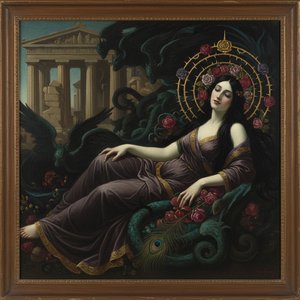
Franz von Stuck: Symbolism, Decadence & the Pursuit of Ideal Beauty
Explore the captivating world of Franz von Stuck, a leading Symbolist painter. Discover his mythological masterpieces, decadent themes, & investment potential. Expert analysis for discerning collectors.

The Language of Brushstrokes: How Artistic Technique Expresses Emotion and Era
Explore the profound connection between artistic technique and emotion. From the heavy impasto of Van Gogh to classical mastery, learn how brushstrokes define art history and discover museum-quality hand-painted reproductions for your collection.
The Eloquent Body: Anatomy's Enduring Legacy in Art from Renaissance Dissection to Modern Representation
Explore the fascinating history of anatomy in art! From Renaissance dissections to modern masterpieces, discover how artists & scientists collaborated to depict the human form with unprecedented realism. Learn more at OriginalUniqueArt.