
 Podgląd w skali 1:1
 Wyślij jako kartkę
 Udostępnij
 Szczegóły dzieła
 Przewodnik

 Pobierz obraz
 Podobne obiekty
 RTG
RTG Pokaz slajdów
 Pytania i odpowiedzi
 Statystyki
Virgil's Tomb, Naples

- 31.0 x 22.0 cm


 Rozwiń treść
Giclée / Wydruk artystyczny
Wydruki giclée lub płótna o jakości muzealnej, szybka realizacja i szeroki wybór opcji wykończenia. ( Zamów ręcznie malowaną reprodukcję Przejdź do wersji cyfrowej)




P118B zł10

P118H zł10

P118W zł10

P438Z zł10

P508JH zł12

P508YH zł12

P805H zł10

P805Z zł10

P919BZ zł10

P919G zł10

P919XJ zł10

P959ZH zł10

P968JZ zł12

W106C zł8

W218G zł10

W218JH zł8

W218Y zł10

W307PJ zł10

W316G zł10

W316PJ zł8

W316Y zł10

W398PJ zł8

W4111J zł10

W500HY zł15

W500JH zł15

W692G zł12

W849H zł8

W940BG zł15

W953PJ zł8




Wybierz spośród naszych standardowych rozmiarów, które zachowują oryginalne proporcje dzieła sztuki.

Wpisz wymaganą szerokość i wysokość, aby dopasować grafikę do ramy lub ściany. Wydruk można jedynie przyciąć, nigdy nie powiększając go poza oryginalny obraz, dlatego format o innych proporcjach spowoduje utratę części kompozycji. Przed rozpoczęciem druku prześlemy Ci cyfrowy podgląd do zatwierdzenia. Obraz wyświetlany na tej stronie nie pokazuje rzeczywistego przycięcia — jedynie podgląd oddaje ten efekt.
Dostawa na cały świat () w ciągu 2 tygodni zamiast standardowych 4/5 tygodni. (8 Listopad)

Bezpłatna ekspresowa wysyłka na cały świat

Wysokiej jakości płótno lniane

Pełne ubezpieczenie przesyłki

Gwarancja zwrotu należności celnych i podatków importowych

Gwarancja wiernego odwzorowania kolorów

100-dniowa polityka zwrotów (tylko w przypadku wad)

Gwarancja 100% zwrotu pieniędzy

Zniżka przy zakupie wielu sztuk
 Opcja ze szkłem jest dostępna wyłącznie w rozmiarach poniżej 110 cm

Virgil's Tomb, Naples
Giclée / Wydruk artystyczny
Wymiary reprodukcji
-


Cena całkowita
zł 317
A Glimpse Through Time: The Allure of Virgil's Tomb
To gaze upon this scene is to be transported across the centuries, standing at the precipice where history meets breathtaking natural grandeur. This evocative landscape, capturing the view from near Virgil's Tomb in Naples, speaks directly to the romantic spirit that fueled the Grand Tour. The composition itself is a masterclass in framing; the dramatic cleft between the tomb structure on one side and the rugged outcropping on the other acts as nature’s perfect proscenium arch. It invites the viewer not merely to look, but to step into the moment, feeling the Mediterranean sun warm upon ancient stone.
The Art of Plein-Air Observation
Franz Ludwig Catel, a master observer of light and atmosphere, captured this view with an immediacy that belies its age. While the original sketch served as the foundation for larger works, this piece retains the raw energy of plein-air painting—the practice of working outdoors directly from nature. Notice how the artist has rendered the massive rock face; it seems less like solid stone and more like a geological drama unfolding, with suggestions of collapse adding palpable tension to the scene. The inclusion of foreground trees anchors the viewer in the immediate space, while the distant town nestled below provides a sense of civilization existing harmoniously, yet dwarfed by, the monumental power of the landscape.
Narrative Echoes and Human Presence
The human element is crucial to the painting's emotional resonance. The figure standing near the base acts as our proxy—the thoughtful traveler pausing to absorb the overwhelming scale before him. This small presence against the backdrop of towering rock and sprawling vista emphasizes both the sublime beauty of nature and the contemplative solitude often sought by artists and intellectuals alike. One can almost imagine the intellectual exchange that took place here, perhaps recalling the company of figures like Prince Alexander Nikolaevich Golitsyn, lending the piece a rich tapestry of historical anecdote alongside its visual splendor.
A Touch of Italian Romance for Your Interior
For the discerning collector or designer, this reproduction offers more than just a picture; it offers an atmosphere. The deep blues of the distant sea meeting the ochres and grays of the stone create a palette that is both dramatic and deeply soothing. Imagine this piece adorning a study, a drawing-room corner, or even a sunlit gallery space. It whispers tales of scholarly journeys, artistic inspiration, and the enduring romance associated with classical antiquity. Its captivating scale and narrative depth ensure it will serve as an immediate focal point, lending your space an air of cultivated, worldly elegance.
Pytania i odpowiedzi
Kto jest autorem i z jakiego roku pochodzi "Virgil's Tomb, Naples"?
"Virgil's Tomb, Naples" – autorstwa Franz Ludwig Catel, rok powstania: 1818.
Jaki jest format i wymiary dzieła "Virgil's Tomb, Naples"?
„Virgil's Tomb, Naples” – Franz Ludwig Catel to kompozycja w formacie Portrait, której oryginalne wymiary to 31 x 22 cm.
Do którego pomieszczenia w domu najlepiej pasuje reprodukcja "Virgil's Tomb, Naples"?
Dzieło „Virgil's Tomb, Naples” – Franz Ludwig Catel jest rekomendowane do Living Room. Sugestia ta opiera się na tematyce, kolorystyce oraz nastroju pracy.
Biografia artysty
The Artistic Journey of Franz Ludwig Catel
Born in Berlin, Franz Ludwig Catel embarked on a creative odyssey that would eventually lead him to the heart of the Italian art scene. His early artistic endeavors were remarkably diverse, beginning not with a brush, but with the tactile precision of wood carving. This foundational skill in shaping form likely informed his later mastery of composition and structure. As his talents evolved, he transitioned into the delicate realm of book illustration, notably contributing ten plates for Goethe's Heredia and Dorothea in 1799. His progression through various media—from Indian ink to the fluid grace of watercolours—culminated in a significant achievement in 1806, when his large-scale watercolour piece, The Death of Nicholas of Bernau, earned him prestigious admission into the Berlin Academy.
The trajectory of Catel's life was profoundly shaped by his movements through Europe's great cultural capitals. Following his success in Berlin, he traveled to Paris in 1807 to immerse himself in the study of oil painting at the École des Beaux-Arts. This period of formal training provided him with the technical vocabulary necessary to navigate the complexities of light and shadow. However, it was his arrival in Rome in 1812 that would define his career. In the vibrant atmosphere of Italy, Catel became part of a distinguished circle of artists, drawing inspiration and advanced instruction from figures such as Koch, Overbeck, Schadow, and Cornelius. This connection to the new classic school of landscape painting allowed him to refine a style that blended architectural precision with atmospheric depth.
Mastery of Landscape and Genre
Catel’s artistic vision was characterized by an exquisite ability to marry the grandeur of nature with the intimacy of human experience. He found his true calling in landscapes that featured prominent architectural details or figures positioned in the foreground, a technique that often drifted into the realm of genre painting. His works are celebrated for their masterful use of perspective and a profound command over light and shade, creating immersive environments that invite the viewer to step into the scene. Whether capturing the sun-drenched courtyards of rural Italy in First Steps or the sweeping vistas of the Italian countryside, his paintings evoke a sense of harmony and classical balance.
His explorations were not limited to the Roman landscape; a visit to Sicily in 1818 significantly broadened the scope and breadth of his artistic ideas. This exposure to new terrains and light conditions enriched his palette and composition. His ability to capture the essence of a place—be it the nostalgic charm of a Sicilian life in Walk in Palermo or the dramatic, historical allure of Virgil's Tomb, Naples—demonstrates a versatility that resonated with the Romantic spirit of his era. Through his meticulous attention to detail and his ability to evoke emotion through scenery, Catel established himself as a significant voice in the nineteenth-century landscape tradition.

Franz Ludwig Catel
1778 - 1856 , Germany
Krótka nota
- Artistic Movement Or Style: Romanticism, New Classic School
- Artists Who Influenced This Artist:
- Koch
- Overbeck
- Schadow
- Cornelius
- Full Name: Franz Ludwig Catel
- Nationality: German
- Notable Artworks:
- First Steps
- View From Ariccia With The Sea
- Walk in Palermo
- Virgil's Tomb, Naples
- Place Of Birth: Berlin, Germany
- Date Of Birth: 1778
- Date Of Death: 1856
Powiązane artykuły

Katsushika Hokusai: 25 Arcydzieł Sztuki Japońskiej dla Kolekcjonerów i Miłośników Dekoracji
Odkryj 25 arcydzieł Katsushika Hokusai, mistrza ukiyo-e! Poznaj historię Wielkiej Fali i innych ikonicznych drzeworytów. Inspiracje wnętrzarskie i reprodukcje obrazów najwyższej jakości na OriginalUniqueArt.com – sztuka japońska dla Twojego domu.

Romantyczny Krajobraz w Malarstwie: 10 Arcydzieł, Które Zdefiniowały Epokę | OriginalUniqueArt.com
Odkryj 10 arcydzieł romantyzmu w malarstwie! Poznaj historie Caspara Davida Friedricha, Turnera i innych mistrzów. Inspiracje wnętrzarskie & reprodukcje obrazów najwyższej jakości na OriginalUniqueArt.com. Eksploruj kolekcję online!

John Constable: 25 Najlepszych Obrazów Mistrza Angielskiego Krajobrazu | OriginalUniqueArt
Odkryj 25 arcydzieł Johna Constable'a – mistrza angielskiego krajobrazu! Poznaj romantyczne pejzaże, technikę malarską i inspiracje z Dedham Vale. Reprodukcje obrazów najwyższej jakości na OriginalUniqueArt.com. Eksploruj pełną kolekcję online!

Evocations of Place: A Historical Journey Through Landscape Art
Explore the rich history of landscape art with OriginalUniqueArt. Discover renowned artists, movements like Impressionism & Romanticism, and expert guidance for collecting timeless pieces. Find your perfect serene escape today!
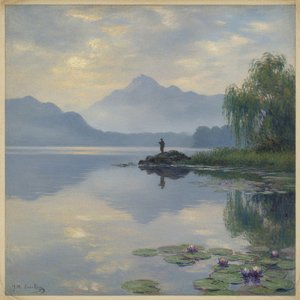
Capturing Stillness: A Curated Exploration of the Most Iconic Lake Landscapes in Art History
Journey through art history's most serene lake landscapes. From Romantic vistas to light-drenched Impressionist waters, discover the stories behind these iconic masterpieces and find museum-quality, hand-painted oil reproductions for your private collection.