Zobacz w skali 1:1
 Wyślij
 Udostępnij
 Szczegóły
 Przewodnik

 Pobierz plik obrazu
 Podobne obiekty
 RTG
RTG Pokaz slajdów
 Statystyki
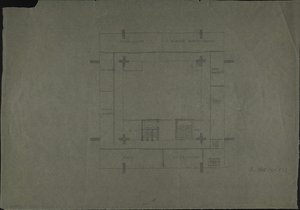
The new city is built on labour... (Design for competition Dresden)
 Acrylic
- WallArt
- German Expressionism
 1952
1952- Modern
 46.0 x 47.0 cm
 Bauhaus Dessau Foundation
 Czytaj więcej
Giclée / Wydruk artystyczny
Wydruki giclée lub płótna o jakości muzealnej, szybka realizacja i szeroki wybór opcji wykończenia. ( Kup ręcznie malowany obraz Przełącz na wersję cyfrową)




P118B $10

P118H $10

P118W $10

P438Z $10

P508JH $12

P508YH $12

P805H $10

P805Z $10

P919BZ $10

P919G $10

P919XJ $10

P959ZH $10

P968JZ $12

W106C $8

W218G $10

W218JH $8

W218Y $10

W307PJ $10

W316G $10

W316PJ $8

W316Y $10

W398PJ $8

W4111J $10

W500HY $15

W500JH $15

W692G $12

W849H $8

W940BG $15

W953PJ $8




Wybierz spośród naszych standardowych rozmiarów, które zachowują oryginalne proporcje dzieła sztuki.

Możesz wprowadzić własne wymiary, aby dopasować dzieło do konkretnej ramy lub przestrzeni. Jeśli wybrany rozmiar nie będzie odpowiadał proporcjom oryginalnego obrazu, przytniecie dzieło lub rozszerzymy obraz za pomocą odbicia lustrzanego lub jednolitego wypełnienia krawędzi. Przed rozpoczęciem produkcji prześlemy cyfrową wizualizację do Twojej akceptacji.
Prosimy pamiętać, że podgląd na ekranie nie odzwierciedla faktycznego przycinania ani rozszerzania. Tylko wizualizacja dokładnie pokaże końcową kompozycję.
Mimo dostępności niestandardowych rozmiarów, zalecamy wybór wymiaru z listy zdefiniowanej, aby zachować oryginalne proporcje.
Dostawa na cały świat () w ciągu 2 tygodni zamiast standardowych 4/5 tygodni. (26 Wrzesień)

Bezpłatna ekspresowa wysyłka na cały świat

Wysokiej jakości płótno lniane

Pełne ubezpieczenie transportowe

Gwarancja zwrotu należności celnych i podatków importowych

Gwarancja idealnego odwzorowania barw

100-dniowy okres na zwrot dzieła w przypadku wykrycia wad produkcyjnych

Gwarancja 100% zwrotu pieniędzy

Oferta przy zakupie wielu sztuk
 Opcja ze szkłem jest dostępna wyłącznie w rozmiarach poniżej 110 cm

The new city is built on labour... (Design for competition Dresden)
Giclée / Wydruk artystyczny
Rozmiar reprodukcji
-


Suma do zapłaty
$ 80
A Vision Forged in Labor: Franz Ehrlich’s “The New City is Built on Labour…”
Franz Ehrlich's 1952 sketch, "The New City is Built on Labour...", isn’t merely a design proposal for a competition in Dresden; it’s a poignant testament to post-war reconstruction and the enduring spirit of a city striving to rebuild itself. Captured with a restrained graphite palette against aged paper, the image possesses an immediate intimacy – as if we've stumbled upon a forgotten blueprint, imbued with the hopes and anxieties of a nation grappling with its past. The drawing depicts a meticulously planned urban landscape, dominated by a central train station flanked by buildings rising towards a clear sky, all anchored by a network of roads and pathways. A prominent locomotive suggests progress and connectivity, while figures – rendered subtly within the composition – hint at the human effort underpinning this ambitious vision.
Ehrlich’s work is deeply rooted in the Bauhaus movement, yet transcends its formal tenets. The influence of geometric precision is evident in the simplified forms of the buildings, reminiscent of Walter Gropius' designs. However, there’s a distinct emotionality present, a sense of melancholy and quiet determination that speaks to the challenges faced by Germany following World War II. The muted tones – primarily shades of grey, accented with hints of brown and ochre – evoke the somber atmosphere of a city scarred by conflict, while simultaneously conveying a profound respect for the materials and the process of construction.
A Master’s Hand: Technique and Materials
Examining the drawing closely reveals Ehrlich's masterful technique. He employs a sophisticated range of hatching and cross-hatching to build up tonal values and create a remarkable sense of depth and texture. The varying line weights – from delicate, almost imperceptible strokes defining fine details to bolder lines delineating larger forms – contribute significantly to the image’s dynamism. The paper itself bears witness to the artist's hand; subtle creases and discoloration suggest years spent in careful consideration and execution. It’s a tangible connection to the creative process, reminding us that art is not simply about finished products but also about the journey of creation.
The choice of graphite as the medium is particularly significant. Graphite offers a remarkable degree of control, allowing Ehrlich to capture both the sharp edges of architectural forms and the softer nuances of human figures. Its ability to create subtle gradations of tone lends itself perfectly to conveying mood and atmosphere – essential elements in this evocative composition. The drawing’s scale—46 x 47 cm— invites close scrutiny, encouraging viewers to appreciate the intricate details and the artist's deliberate choices.
Historical Context: Reconstruction and Remembrance
To fully understand “The New City is Built on Labour…”, it’s crucial to consider its historical context. Created in 1952, shortly after World War II, the drawing reflects Dresden’s arduous process of rebuilding. The city had been almost entirely destroyed by Allied bombing raids, leaving behind a devastated landscape and a shattered population. Ehrlich's design wasn’t just about creating a new urban space; it was about symbolizing hope and renewal – a deliberate act of defiance against the destruction that had ravaged his homeland.
The title itself is profoundly symbolic, underscoring the central role of labor in this reconstruction effort. It speaks to the countless hours spent by workers rebuilding homes, infrastructure, and lives. Furthermore, the inclusion of a train station highlights Dresden’s reconnection with the wider world – a vital step towards economic recovery and cultural exchange. The drawing serves as a powerful reminder of the resilience of the human spirit in the face of adversity.
A Legacy of Vision: Symbolism and Emotional Resonance
Beyond its technical merits, “The New City is Built on Labour…” resonates deeply with viewers due to its inherent symbolism. The train station represents progress and connection, while the figures within the composition embody the collective effort required for rebuilding. The overall mood is one of quiet determination – a sense that despite the devastation, Dresden was determined to forge a new future.
Ehrlich’s work transcends mere architectural design; it's a visual meditation on memory, loss, and hope. It invites us to contemplate the challenges faced by communities rebuilding after conflict and to appreciate the enduring power of human creativity in shaping our world. Reproductions of this compelling sketch offer a valuable window into a pivotal moment in German history, allowing us to connect with the past while celebrating the spirit of innovation and resilience that continues to define Dresden today.
Biografia artysty
Wczesne życie i edukacja
Franz Ehrlich, wybitny niemiecki architekt, kaligraf i grafik, urodził się w 1907 roku. Jego formacyjne lata naznaczone były wrodzoną skłonnością do sztuki, która skierowała go na studia do Bauhausu w Dessau w latach 1927-1930. Ta prestiżowa instytucja odegrała kluczową rolę w kształtowaniu artystycznej perspektywy Ehrlicha, wprowadzając go w świat awangardowych ruchów tamtego okresu.Kariera artystyczna i związki komunistyczne
Związki Ehrlicha z partią komunistyczną miały głęboki wpływ na jego życie i karierę. W 1935 roku został aresztowany i uwięziony przez reżim nazistowski, co znacząco zmieniło trajektorię jego poszukiwań artystycznych. Pomimo tych trudności, Ehrlich kontynuował wkład w świat sztuki, pozostawiając dziedzictwo zarówno inspirujące, jak i skłaniające do głębokich przemyśleń.Wybitne dzieła
Do najbardziej znanych prac Ehrlicha należą:- 800 yrs. das buch [książka]. Plan i widoki (regały wystawowe, targi w Lipsku), świadectwo jego innowacyjnego podejścia do projektowania i architektury.
- Wykonanie domu prof. dr Baumann (plan fundamentów), ukazujące jego biegłość w planowaniu architektonicznym.
- 1933 (projekt reklamowy foto-rzeźbiarski), unikalne połączenie fotografii i rzeźby, podkreślające jego charakter eksperymentalny.
Muzea i kolekcje prezentujące prace Ehrlicha
OriginalUniqueArt.com prezentuje rozległą kolekcję prac Ehrlicha, w tym wspomnianych powyżej. Bauhaus Dessau Foundation (Dessau-Roßlau, Niemcy) jest również ważnym skarbnicą jego artystycznych wysiłków.Dziedzictwo i wpływ
Wkład Franz’a Ehrlicha w świat sztuki jest wielowymiarowy, odzwierciedlając szeroki zakres jego zainteresowań i talentów. Jego doświadczenia, zarówno twórcze, jak i osobiste, oferują cenne spojrzenie na zbieżność sztuki i polityki w kluczowym momencie historii Niemiec.- Zobacz więcej prac Ehrlicha pod adresem https://OriginalUniqueArt.com/@/franz-ehrlich
- Odkryj Bauhaus Dessau Foundation i jej kolekcję pod adresem Bauhaus Dessau Foundation (Dessau-Roßlau, Niemcy)
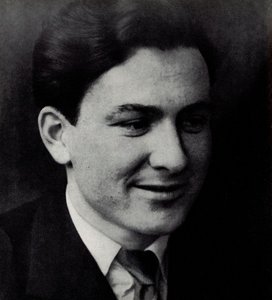
Franz Ehrlich
1907 - 1984 , Niemcy
Najważniejsze informacje
- Artistic Movement Or Style: Bauhaus, Ekspresjonizm
- Artists Or Movements Influenced By This Artist:
- Bauhaus
- Młoda Liga Komunistyczna
- Artists Who Influenced This Artist:
- Walter Gropius
- Moholy-Nagy
- Klee
- Joost Schmidt
- Date Of Birth: 1907
- Date Of Death: 1984
- Full Name: Franz Ehrlich
- Nationality: Niemiecki
- Notable Artworks:
- 800 YRS. FRAMEWORK WALL 3
- Untitled (HKB I or II)
- Painting with Violin
- Place Of Birth: Reuth, Niemcy
Zobacz także powiązane artykuły
Miejski krajobraz w malarstwie: od kartografii do ekspresji współczesności
Odkryj fascynującą historię miejskiego krajobrazu w malarstwie! Od kartograficznych początków po współczesne ekspresje – analiza arcydzieł, techniki i wpływ na tożsamość miast. Zainspiruj się!
Betonowe Wizje: Studium Reprezentacji Życia Miejskiego w Sztuce Nowoczesnej i Współczesnej
Analiza reprezentacji życia miejskiego w sztuce nowoczesnej i współczesnej – od realizmu socjalistycznego po awangardę. Eksperckie spojrzenie na ideologię, urbanizm i krytykę społeczną w malarstwie i fotografii miejskiej.

Concrete Visions: Exploring the Urban Landscape in Painting – From Realism to Contemporary Art
Explore the evolution of cityscape painting from Realism to contemporary art with OriginalUniqueArt. Discover key artists & invest in timeless urban visions. Expert guidance, museum-quality reproductions.
Betonowe Narracje: Miasto w Sztuce Nowoczesnej – Od Realizmu do Interpretacji Artystycznej
Odkryj ewolucję wizualnej reprezentacji miasta w sztuce nowoczesnej i współczesnej. Analiza kluczowych nurtów – od realizmu do surrealizmu – dla kolekcjonerów i pasjonatów.
The Eloquent Line: Exploring the Artistic Significance of Sketches Across Movements and Media
Explore the profound artistic significance of sketches throughout history. From Renaissance masters to modern innovators like Van Gogh & Guston, discover how these foundational works reveal technique, emotion, and vision. Learn more at OriginalUniqueArt.