Zobacz w skali 1:1
 Wyślij
 Udostępnij
 Szczegóły
 Przewodnik

 Pobierz plik obrazu
 Podobne obiekty
 RTG
RTG Pokaz slajdów
 Statystyki
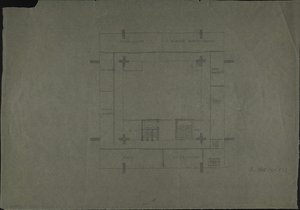
CONSTRUCTION SCHEDULE FOR THE MOST FAVOURABLE IMPLEMENTATION OF AN INVESTMENT PROJECT TV STUDIOS FOR 4-HOUR PER WEEK PROGRAM
 Ink On Paper
- Bauhaus
 1959
1959- Modern
 49.0 x 84.0 cm
 Bauhaus Dessau Foundation
 Czytaj więcej
Giclée / Wydruk artystyczny
Wydruki giclée lub płótna o jakości muzealnej, szybka realizacja i szeroki wybór opcji wykończenia. ( Kup ręcznie malowany obraz Przełącz na wersję cyfrową)




P118B $10

P118H $10

P118W $10

P438Z $10

P508JH $12

P508YH $12

P805H $10

P805Z $10

P919BZ $10

P919G $10

P919XJ $10

P959ZH $10

P968JZ $12

W106C $8

W218G $10

W218JH $8

W218Y $10

W307PJ $10

W316G $10

W316PJ $8

W316Y $10

W398PJ $8

W4111J $10

W500HY $15

W500JH $15

W692G $12

W849H $8

W940BG $15

W953PJ $8




Wybierz spośród naszych standardowych rozmiarów, które zachowują oryginalne proporcje dzieła sztuki.

Możesz wprowadzić własne wymiary, aby dopasować dzieło do konkretnej ramy lub przestrzeni. Jeśli wybrany rozmiar nie będzie odpowiadał proporcjom oryginalnego obrazu, przytniecie dzieło lub rozszerzymy obraz za pomocą odbicia lustrzanego lub jednolitego wypełnienia krawędzi. Przed rozpoczęciem produkcji prześlemy cyfrową wizualizację do Twojej akceptacji.
Prosimy pamiętać, że podgląd na ekranie nie odzwierciedla faktycznego przycinania ani rozszerzania. Tylko wizualizacja dokładnie pokaże końcową kompozycję.
Mimo dostępności niestandardowych rozmiarów, zalecamy wybór wymiaru z listy zdefiniowanej, aby zachować oryginalne proporcje.
Dostawa na cały świat () w ciągu 2 tygodni zamiast standardowych 4/5 tygodni. (26 Wrzesień)

Bezpłatna ekspresowa wysyłka na cały świat

Wysokiej jakości płótno lniane

Pełne ubezpieczenie transportowe

Gwarancja zwrotu należności celnych i podatków importowych

Gwarancja idealnego odwzorowania barw

100-dniowy okres na zwrot dzieła w przypadku wykrycia wad produkcyjnych

Gwarancja 100% zwrotu pieniędzy

Oferta przy zakupie wielu sztuk
 Opcja ze szkłem jest dostępna wyłącznie w rozmiarach poniżej 110 cm

CONSTRUCTION SCHEDULE FOR THE MOST FAVOURABLE IMPLEMENTATION OF AN INVESTMENT PROJECT TV STUDIOS FOR 4-HOUR PER WEEK PROGRAM
Giclée / Wydruk artystyczny
Rozmiar reprodukcji
-


Suma do zapłaty
$ 80
The Precision of Progress: A Blueprint of Visionary Intent
In the intersection of architectural rigor and graphic artistry lies a remarkable piece of mid-century documentation: CONSTRUCTION SCHEDULE FOR THE MOST FAVOURABLE IMPLEMENTATION OF AN INVESTMENT PROJECT TV STUDIOS FOR 4-HOUR PER WEEK PROGRAM. Created in 1959 by the master of form, Franz Ehrlich, this work transcends its utilitarian origins to become a captivating study of order and anticipation. At first glance, the viewer is met with an intricate tapestry of tables, diagrams, and charts that map out the birth of a media space. It is not merely a schedule; it is a visual manifesto of structural possibility, where every line and cell serves as a heartbeat in the rhythm of industrial progress.
The painting, executed on paper with a delicate yet commanding presence, measures 49 x 84 cm, offering a panoramic view into the meticulous mind of its creator. Ehrlich utilizes a technique that blends the precision of technical drafting with the expressive soul of graphic design. The composition is dense with information, yet it maintains a rhythmic balance that guides the eye through a labyrinth of data. For the collector or interior designer, this piece offers a sophisticated geometric complexity that serves as a stunning focal point in modern, minimalist, or industrial-themed spaces, providing a sense of intellectual depth and structured elegance.
A Legacy Forged in Bauhaus Discipline
To understand the soul of this work, one must look to the hands that held the pen. Franz Ehrlich was a product of the legendary Bauhaus Dessau, an institution that redefined the relationship between art, craft, and industry. Having studied there between 1927 and 1930, Ehrlich carried the avant-garde principles of functionalism and clarity into his later works. This specific piece, created decades after his formative years, reflects a matured mastery of the Bauhaus ethos—the idea that beauty is found in the most efficient and logical arrangement of elements.
The historical context of 1959 adds a layer of profound gravity to the work. Living through the turbulent shifts of mid-century Germany, Ehrlich’s work often mirrored the tension between individual creativity and the collective necessity of reconstruction and planning. The subject matter—the implementation of TV studios—speaks to an era of burgeoning communication and the technological optimism of the post-war period. There is a quiet heroism in these charts; they represent the blueprint for a new way of seeing the world through the lens of emerging mass media.
The Aesthetic of Order and Emotional Resonance
Beyond its technical merits, the artwork possesses an evocative emotional impact that resonates with anyone moved by the beauty of logic. There is a certain serenity found in its absolute organization. The repetition of tables and the structured flow of diagrams create a meditative quality, inviting the viewer to lose themselves in the details of the project's timeline. It evokes a sense of nostalgia for an era when progress was measured in tangible, meticulously planned steps.
For those seeking to adorn a curated collection or a professional studio, this reproduction offers more than just decoration; it offers a conversation piece that bridges the gap between historical documentation and fine art. The interplay of light and shadow within the intricate linework provides a tactile richness that makes every viewing a new discovery. It is a celebration of the architect's vision—a moment frozen in time where the future was being carefully, beautifully constructed.
Biografia artysty
Wczesne życie i edukacja
Franz Ehrlich, wybitny niemiecki architekt, kaligraf i grafik, urodził się w 1907 roku. Jego formacyjne lata naznaczone były wrodzoną skłonnością do sztuki, która skierowała go na studia do Bauhausu w Dessau w latach 1927-1930. Ta prestiżowa instytucja odegrała kluczową rolę w kształtowaniu artystycznej perspektywy Ehrlicha, wprowadzając go w świat awangardowych ruchów tamtego okresu.Kariera artystyczna i związki komunistyczne
Związki Ehrlicha z partią komunistyczną miały głęboki wpływ na jego życie i karierę. W 1935 roku został aresztowany i uwięziony przez reżim nazistowski, co znacząco zmieniło trajektorię jego poszukiwań artystycznych. Pomimo tych trudności, Ehrlich kontynuował wkład w świat sztuki, pozostawiając dziedzictwo zarówno inspirujące, jak i skłaniające do głębokich przemyśleń.Wybitne dzieła
Do najbardziej znanych prac Ehrlicha należą:- 800 yrs. das buch [książka]. Plan i widoki (regały wystawowe, targi w Lipsku), świadectwo jego innowacyjnego podejścia do projektowania i architektury.
- Wykonanie domu prof. dr Baumann (plan fundamentów), ukazujące jego biegłość w planowaniu architektonicznym.
- 1933 (projekt reklamowy foto-rzeźbiarski), unikalne połączenie fotografii i rzeźby, podkreślające jego charakter eksperymentalny.
Muzea i kolekcje prezentujące prace Ehrlicha
OriginalUniqueArt.com prezentuje rozległą kolekcję prac Ehrlicha, w tym wspomnianych powyżej. Bauhaus Dessau Foundation (Dessau-Roßlau, Niemcy) jest również ważnym skarbnicą jego artystycznych wysiłków.Dziedzictwo i wpływ
Wkład Franz’a Ehrlicha w świat sztuki jest wielowymiarowy, odzwierciedlając szeroki zakres jego zainteresowań i talentów. Jego doświadczenia, zarówno twórcze, jak i osobiste, oferują cenne spojrzenie na zbieżność sztuki i polityki w kluczowym momencie historii Niemiec.- Zobacz więcej prac Ehrlicha pod adresem https://OriginalUniqueArt.com/@/franz-ehrlich
- Odkryj Bauhaus Dessau Foundation i jej kolekcję pod adresem Bauhaus Dessau Foundation (Dessau-Roßlau, Niemcy)
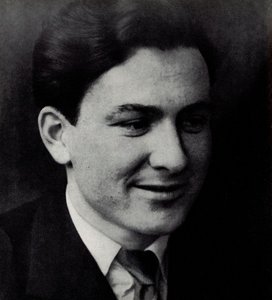
Franz Ehrlich
1907 - 1984 , Niemcy
Najważniejsze informacje
- Artistic Movement Or Style: Bauhaus, Ekspresjonizm
- Artists Or Movements Influenced By This Artist:
- Bauhaus
- Młoda Liga Komunistyczna
- Artists Who Influenced This Artist:
- Walter Gropius
- Moholy-Nagy
- Klee
- Joost Schmidt
- Date Of Birth: 1907
- Date Of Death: 1984
- Full Name: Franz Ehrlich
- Nationality: Niemiecki
- Notable Artworks:
- 800 YRS. FRAMEWORK WALL 3
- Untitled (HKB I or II)
- Painting with Violin
- Place Of Birth: Reuth, Niemcy
Zobacz także powiązane artykuły
Frederick Bridgman: Anatomical Mastery & the Evolution of Figure Drawing Instruction
Explore the anatomical mastery of George B. Bridgman & his revolutionary figure drawing techniques. Discover how his methods transformed art instruction and continue to inspire artists today. Learn more at OriginalUniqueArt.

The Nuances of Graphite: Exploring Emotional Depth & Technical Mastery in Pencil Drawing
Explore the captivating world of graphite drawing! Discover its rich history, master essential techniques like chiaroscuro, and learn how artists evoke emotion through this timeless medium. Expert insights for art enthusiasts.
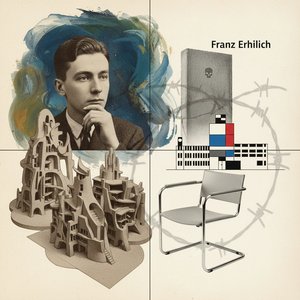
Franz Ehrlich: Bridging Expressionism, Bauhaus & the Shadows of History
Explore the life of Franz Ehrlich, a pivotal Bauhaus architect whose career spanned Expressionism, resistance during Nazi Germany, and GDR reconstruction. Discover his complex legacy & view museum-quality reproductions at OriginalUniqueArt.

Mastering the Line: A Comprehensive Expert Guide to Technical Precision and Expressive Depth in Drawing
Elevate your artistic practice with this expert guide to mastering the line. Discover advanced techniques in graphite, charcoal, and contour drawing designed for art students seeking technical precision and expressive depth in their fine art studies.
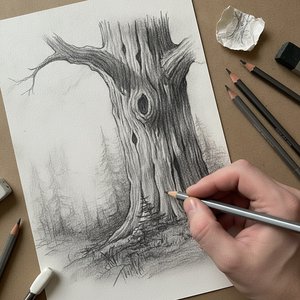
The Power of Graphite: Mastering Depth, Texture, and Detail in the Art of Pencil Drawing
Explore the profound artistry of graphite drawing. Discover professional techniques for mastering depth, texture, and detail through a lens of art history, from classical sketches to modern masterpieces. Elevate your understanding of the pencil medium with our expert guide.