
 Zobacz w skali 1:1
 Wyślij
 Udostępnij
 Szczegóły
 Przewodnik

 Pobierz plik obrazu
 Podobne obiekty
 RTG
RTG Pokaz slajdów
 Statystyki
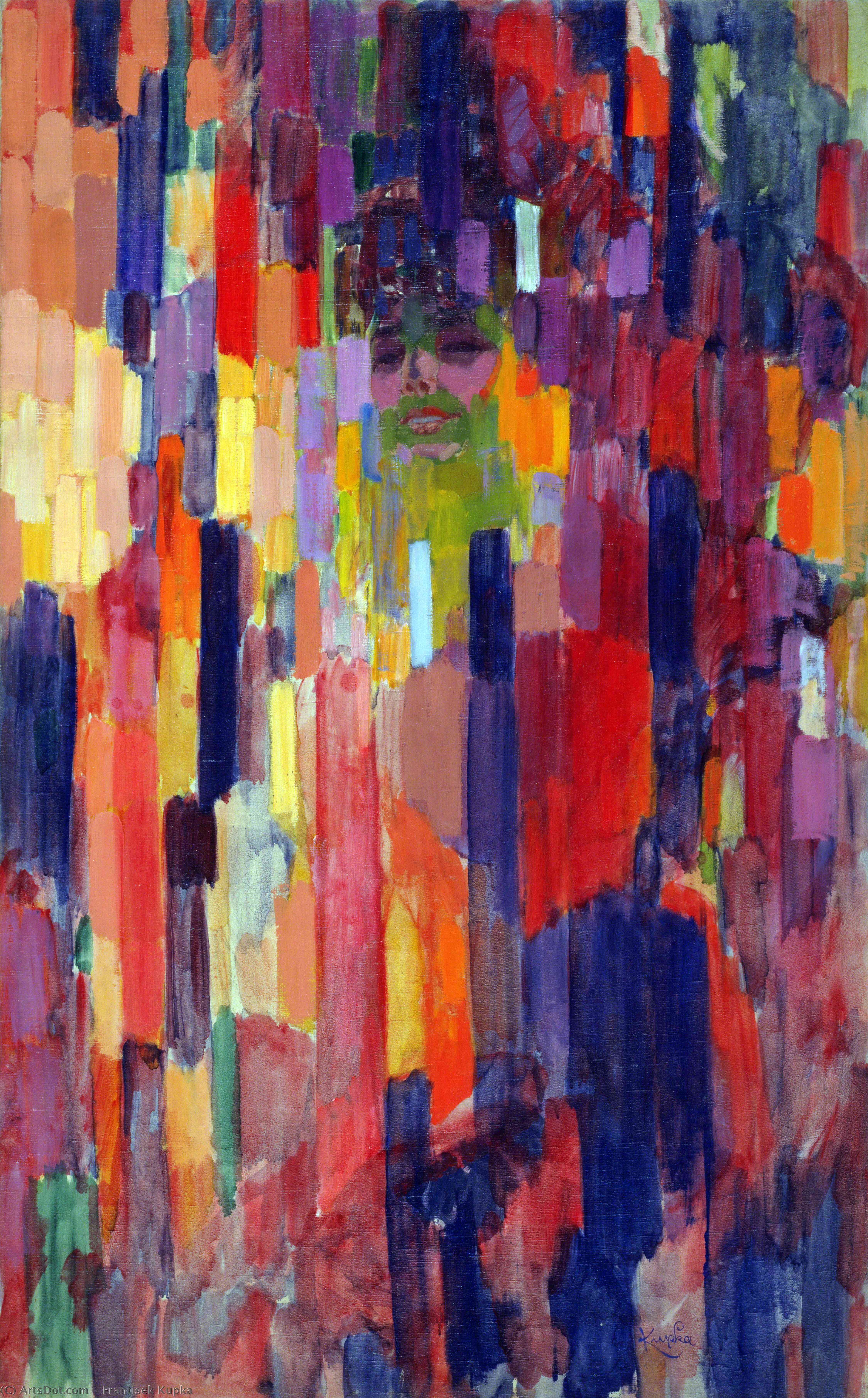
Ms. Kupka between vertical


 Czytaj więcej
Dzieło sztuki prezentowane na tej stronie podlega ochronie prawem autorskim, co oznacza, że nie mamy prawa do tworzenia ani sprzedaży jego identycznej reprodukcji. Ochrona ta jest egzekwowana na mocy umów międzynarodowych, takich jak Konwencja berneńska oraz przez przepisy prawa krajowego, w tym te określone w Prawo autorskie USA – Tytuł 17.
Jako pełną szacunku i legalną alternatywę oferujemy personalizowane, malowane ręcznie dzieła sztuki inspirowane oryginałem. Nasi wykwalifikowani i profesjonalni artyści starannie analizują styl, nastrój oraz artystyczną esencję pierwowzoru, aby stworzyć nowe, unikalne dzieło, które przywołuje te same emocje – pozostając jednocześnie w pełni oryginalną kreacją.
Metoda ta jest w pełni zgodna z przepisami prawa autorskiego, ponieważ nie polega na kopiowaniu ani powielaniu chronionego dzieła. Stanowi ona kreatywną reinterpretację – nowy obraz, który czerpie inspirację z oryginału, ale nie jest z nim tożsamy.
Ręcznie malowana reprodukcja olejowa
Ręcznie malowany obraz olejny na płótnie, wykonany na zamówienie przez naszych artystów w wybranym przez Ciebie wymiarze i oprawie. ( Przełącz na wersję drukowaną Przełącz na wersję cyfrową)




P118B zł10

P118H zł10

P118W zł10

P438Z zł10

P508JH zł12

P508YH zł12

P805H zł10

P805Z zł10

P919BZ zł10

P919G zł10

P919XJ zł10

P959ZH zł10

P968JZ zł12

W106C zł8

W218G zł10

W218JH zł8

W218Y zł10

W307PJ zł10

W316G zł10

W316PJ zł8

W316Y zł10

W398PJ zł8

W4111J zł10

W500HY zł15

W500JH zł15

W692G zł12

W849H zł8

W940BG zł15

W953PJ zł8




Wybierz spośród naszych standardowych rozmiarów, które zachowują oryginalne proporcje dzieła sztuki.

Wpisz wymaganą szerokość i wysokość, aby obraz pasował do Twojej ramy lub ściany. Ponieważ jest to dzieło malowane ręcznie, w przypadku rozmiaru o innym proporcji artysta może domalować nieco więcej wokół obrazu lub przyciąć fragmenty — wybór należy do Ciebie. Przed rozpoczęciem pracy prześlemy Ci cyfrową wizualizację do zatwierdzenia. Obraz widoczny na tej stronie nie przedstawia rzeczywistego efektu — jedynie wizualizacja oddaje realny rezultat.
Po złożeniu zamówienia zespół OriginalUniqueArt.com skontaktuje się z klientem drogą mailową w celu uzyskania instrukcji i prześle wizualizację projektu
Dostawa na całym świecie () w ciągu 3–4 tygodni zamiast standardowych 5 tygodni. (23 Październik). Bez kompromisów w kwestii jakości.

Bezpłatna ekspresowa wysyłka na cały świat

Wysokiej jakości płótno lniane

Pełne ubezpieczenie transportowe

Gwarancja zwrotu należności celnych i podatków importowych

Gwarancja idealnego odwzorowania barw

100-dniowy okres na zwrot dzieła w przypadku wykrycia wad produkcyjnych

Gwarancja 100% zwrotu pieniędzy

Oferta przy zakupie wielu sztuk
 Opcja ze szkłem jest dostępna wyłącznie w rozmiarach poniżej 110 cm

Ms. Kupka between vertical
Technika wykonania
Rozmiar reprodukcji
-


Suma do zapłaty
zł 1155
A Symphony of Color and Form: The Essence of Ms. Kupka Between Vertical
In the vast landscape of early twentieth-century modernism, few works capture the electric transition from representation to pure abstraction as poignantly as František Kupka’s “Ms. Kupka Between Vertical.” This masterpiece serves not merely as a portrait, but as a profound manifesto of the Orphic Cubist movement—a style that sought to infuse the structural rigor of Cubism with the lyrical, light-filled energy of Orphism. At first glance, the viewer is met with a striking central figure, likely a depiction of Kupka herself, draped in a vibrant red dress and anchored by a cool blue headband. Yet, this recognizable human element is quickly swept into a cosmic dance of geometric shapes and swirling hues. The painting acts as a window into a world where the boundaries between the physical subject and the spiritual atmosphere dissolve, inviting the observer to experience art as a pure, sensory phenomenon.
The technique employed by Kupka is nothing short of revolutionary for its era. Moving away from the heavy, earth-toned palettes of traditional Cubism, he utilizes a masterful manipulation of color temperature to create depth and movement. The juxtaposition of warm reds against deep, rhythmic blues creates a visual tension that mimics the pulse of life itself. His brushstrokes are expressive and spontaneous, eschewing meticulous detail in favor of capturing an underlying energy. This approach allows the background—a kaleidoscope of abstract, interlocking forms—to breathe alongside the subject, creating a sense of dynamism that was heavily influenced by the Futurist fascination with speed and motion. For the discerning collector or interior designer, this piece offers a sophisticated focal point that brings both intellectual depth and a vibrant, modern vitality to any curated space.
The Spiritual Resonance of Abstraction
To truly appreciate “Ms. Kupka Between Vertical,” one must understand the philosophical currents that flowed through Kupka’s studio. Deeply influenced by Theosophy and the search for universal truths, the artist viewed color and line as tools to access a higher, primordial reality. The verticality suggested in the title and the composition serves as a symbolic bridge between the terrestrial and the divine. The swirling geometric patterns are not merely decorative; they represent the unseen forces of nature—the vibrations and rhythms that connect all living things. This spiritual dimension imbues the artwork with an emotional weight that transcends its abstract form, offering a sense of transcendence and peace to those who linger before it.
For those seeking to integrate fine art into contemporary interiors, this work provides an unparalleled opportunity to introduce a sense of historical significance and avant-garde elegance. A high-quality reproduction of this piece does more than decorate a wall; it establishes a dialogue between the history of the Czech avant-garde and the modern aesthetic. The painting’s ability to balance bold, energetic movement with a structured, rhythmic composition makes it an ideal centerpiece for spaces that value both drama and harmony. It remains a timeless testament to the moment when art broke free from the constraints of reality to explore the infinite possibilities of the human imagination.
Pytania i odpowiedzi
Jaki to rodzaj dzieła sztuki: „Ms. Kupka between vertical” autorstwa František Kupka?
„Ms. Kupka between vertical” autorstwa František Kupka jest klasyfikowane jako WallArt. Kategoria ta określa rodzaj dzieła, jakim jest oryginał.
Do którego pomieszczenia w domu najlepiej pasuje reprodukcja "Ms. Kupka between vertical"?
Dzieło „Ms. Kupka between vertical” autorstwa František Kupka jest rekomendowane do Living Room. Sugestia ta opiera się na tematyce, kolorystyce oraz nastroju pracy.
Jak mogę pobrać obraz dzieła „Ms. Kupka between vertical” autorstwa František Kupka?
Obraz „Ms. Kupka between vertical” autorstwa František Kupka można pobrać ze strony Pobierz dzieła: wysokiej rozdzielczości cyfrowe zdjęcie do pobrania.
Biografia artysty
František Kupka: A Pioneer of Abstract Vision
František Kupka, a name inextricably linked to the dawn of abstract art, was born in Opočno, Bohemia – a landscape that would subtly inform his lifelong exploration of form and color. His artistic journey wasn’t a swift ascent but rather a gradual unfolding, deeply rooted in spiritual inquiry and an unwavering pursuit of visual truth. Initially immersed in historical and patriotic themes during his studies at the Prague Academy of Fine Arts and later Vienna, Kupka's early work possessed technical skill yet lacked the distinctive voice that would soon define him. It was his relocation to Paris in 1894, however, that proved pivotal, plunging him into a vibrant artistic milieu where he briefly attended the École des Beaux-Arts and engaged with the intellectual currents of fin-de-siècle – a period characterized by burgeoning interest in symbolism, Neo-Impressionism, and Fauvism. These influences ignited within him a profound desire to transcend mere representation and tap into deeper realms of experience, ultimately leading him toward radical abstraction.The Seeds of Abstraction: Spiritual Influences and Early Experiments
Kupka’s artistic trajectory wasn't solely driven by aesthetic considerations; it was profoundly shaped by philosophical and spiritual explorations. His engagement with Theosophy – a mystical system blending Eastern religions and Western esotericism – proved particularly transformative. This belief system posited an underlying unity to all things, suggesting that art could access these hidden realities through the manipulation of color, form, and line. He began to believe that art wasn’t simply about mirroring the external world but about revealing its inner essence. This conviction fueled his experimentation with blurring the boundaries between figuration and abstraction, as evidenced in works like *The Beginning of Life*. Here, symbolic imagery – reminiscent of religious iconography – intertwined with nascent abstract elements, creating a visual dialogue between the known and the unknown. Kupka’s interest extended beyond purely spiritual concepts; he was deeply fascinated by scientific theories regarding color and light, seeking to understand their psychological effects on the viewer and incorporating these insights into his artistic process. He wasn't merely interested in replicating colors but in exploring their emotional resonance and potential for evoking specific sensations. This fusion of spiritual inquiry and scientific observation became a defining characteristic of his work throughout his career.Orphic Cubism and the Language of Color
By the early 1910s, Kupka had embarked on a path that would lead him to become one of the pioneers of abstract art. His paintings from this period – such as *Amorpha: Fugue in Two Colors* (1912) – were among the first truly non-representational works exhibited publicly, challenging conventional notions of artistic representation. He wasn’t simply dismantling form—as some Cubists were doing—but rather creating a new visual language based on pure abstraction. This led to his association with Orphic Cubism (also known as Orphism), a movement spearheaded by Robert Delaunay that emphasized the dynamic interplay of color and light. However, Kupka's approach differed from Delaunay’s; while both explored abstract forms, Kupka often retained a sense of underlying structure and rhythm, evoking musical compositions in his paintings – hence the frequent use of terms like “fugue” and “disks.” His *Disks of Newton* series exemplifies this exploration, depicting circular forms that seem to vibrate with energy and suggest the forces governing the universe. He wasn’t merely creating aesthetically pleasing arrangements; he was attempting to visualize underlying cosmic principles. Kupka's work during this period can be seen as a deliberate attempt to move beyond the limitations of traditional perspective and representation, seeking instead to capture the essence of experience through pure color and form.Key Works and Lasting Legacy
Throughout his career, Kupka produced a remarkable body of work that continues to fascinate and inspire. *The Colored One* (1908) is considered one of his most significant early abstract paintings, demonstrating his exploration of color relationships and the potential for pure abstraction. *Around a Point* (1913) showcases his interest in geometric forms and their dynamic interplay. His later works, such as *War* (1916-17), reflect the turmoil of World War I, utilizing stark colors and fragmented shapes to convey feelings of chaos and uncertainty. Kupka’s influence extended beyond his individual paintings; he played a vital role in establishing Abstraction-Création in 1931, an international group dedicated to promoting abstract art. His work was recognized internationally, featured in landmark exhibitions such as “Cubism and Abstract Art” at the Museum of Modern Art in New York in 1936. Despite often being overshadowed by more prominent figures like Kandinsky or Mondrian, František Kupka’s pioneering spirit and unique visual language have secured his place as a crucial figure in the history of abstract art – a testament to his unwavering commitment to exploring the boundless possibilities of pure abstraction.Museum Collections Featuring Kupka's Art
- Solomon R. Guggenheim Museum (New York, United States) - Extensive collection including *The Colored One* and *Around a Point*.
- The Paris Museum of Modern Art (Paris, France) – Houses a significant selection of his early works.
- Galerie Manés (Prague, Czech Republic) – Offers a curated display of Kupka’s paintings and drawings.

František Kupka
1871 - 1957 , Czechy
Najważniejsze informacje
- Artistic Movement Or Style: Abstrakcjonizm, Orficy
- Artists Or Movements Influenced By This Artist: ['Kandinsky']
- Date Of Birth: 23 września 1871
- Date Of Death: 24 czerwca 1957
- Full Name: František Kupka
- Nationality: Czeski
- Notable Artworks:
- Diski Newton
- Fugua
- Place Of Birth: Opočno, Czechy
Zobacz także powiązane artykuły
Fernand Léger: 25 Arcydzieł Kubizmu i Maszynerii - Kolekcja OriginalUniqueArt
Odkryj 25 arcydzieł Fernanda Légera – pioniera kubizmu i malarstwa maszyn. Poznaj historię, technikę i inspiracje tych ikonicznych obrazów. Reprodukcje najwyższej jakości na OriginalUniqueArt.com! Eksploruj pełną kolekcję online.

Top 10 arcydzieł ekspresjonizmu abstrakcyjnego – inspiracje dla Twojego wnętrza | OriginalUniqueArt.com
Odkryj 10 arcydzieł ekspresjonizmu abstrakcyjnego – Pollock, Rothko, de Kooning i inni. Poznaj historie artystów, techniki i inspiracje dla Twojego wnętrza. Reprodukcje najwyższej jakości na OriginalUniqueArt.com!

25 Arcydzieł Kandinskiego: Kolor, Duchowość i Abstrakcja w Twoim Domu | OriginalUniqueArt.com
Odkryj 25 arcydzieł Wassily Kandinskiego – pioniera abstrakcji i ekspresjonizmu! Poznaj historie, techniki i emocje kryjące się za jego kolorowymi kompozycjami. Reprodukcje obrazów najwyższej jakości na OriginalUniqueArt.com. Eksploruj pełną kolekcję online!

Geometria Sztuki: 10 Arcydzieł Abstrakcji Geometrycznej | OriginalUniqueArt.com
Odkryj 10 arcydzieł abstrakcji geometrycznej! Poznaj historię Mondriana, Kandinskiego i Maleвича. Inspiracje wnętrzarskie z malarstwem abstrakcyjnym – reprodukcje najwyższej jakości na OriginalUniqueArt.com. Eksploruj kolekcję online!

Paul Klee: 25 Arcydzieł Koloru i Formy | Reprodukcje Obrazów Online - OriginalUniqueArt
Odkryj 25 arcydzieł Paula Klee – od abstrakcji po ekspresjonizm. Poznaj historie, techniki i inspiracje malarza. Reprodukcje obrazów najwyższej jakości na OriginalUniqueArt.com. Eksploruj pełną kolekcję online!