
 Podgląd w skali
 Wyślij jako kartkę
 Udostępnij
 Szczegóły dzieła

 Pobierz
 Podobne obiekty
 RTG
RTG Pokaz slajdów
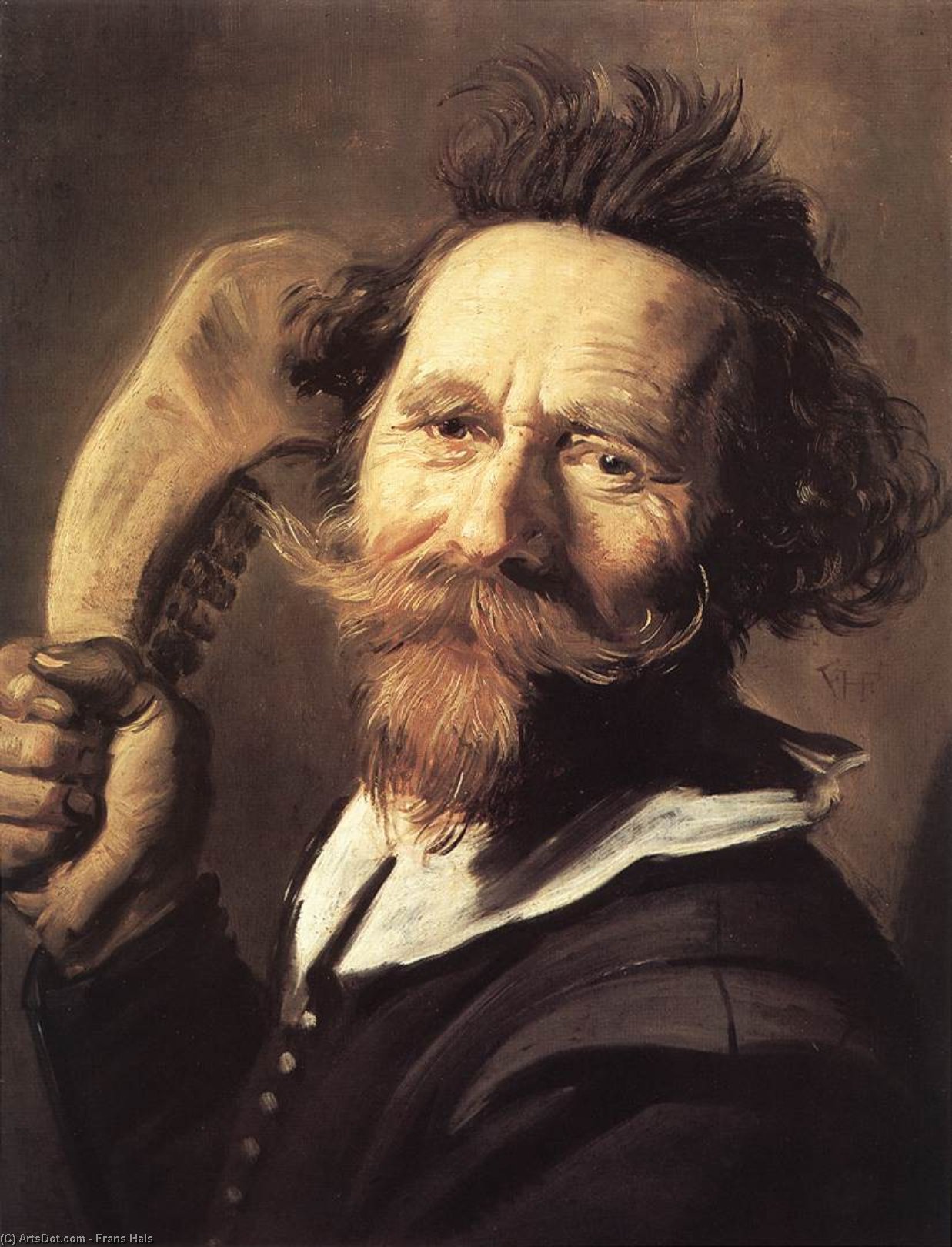
Verdonck
 Oil On Panel
- Baroque
 1627
1627 46.0 x 35.0 cm
 Scottish National Gallery
 Rozwiń treść
Kup wysokiej rozdzielczości, ulepszony obraz cyfrowy o znacznie wyższej jakości niż podgląd online.
Każdy plik jest starannie przygotowywany przez naszych specjalistów przy użyciu zaawansowanych narzędzi oraz profesjonalnej, ręcznej retuszy. Dbamy o to, aby każdy obraz cechował się wyjątkową ostrością, precyzyjnym odwzorowaniem kolorów i subtelnymi detalami.
Ostateczny plik dostarczany jest drogą mailową w ciągu 72 godzin, zoptymalizowany do natychmiastowego wykorzystania w profesjonalnych zastosowaniach redakcyjnych i poligraficznych. To ta sama jakość, której ufają czołowe studia projektowe, wydawnictwa oraz galerie sztuki.
Obraz cyfrowy
Pobierz plik o wysokiej rozdzielczości do osobistego wyświetlania, druku oraz projektów kreatywnych. ( Zamów wydruk Zamów ręcznie malowaną reprodukcję)
W każdym zamówieniu na obraz cyfrowy znajduje się
Profesjonalna dostawa cyfrowa z gwarancją
Wybierając OriginalUniqueArt.com, nie otrzymujesz jedynie obrazu – otrzymujesz profesjonalnie udoskonalone cyfrowe dzieło sztuki, stworzone z najwyższą precyzją i objęte gwarancją satysfakcji. Oto wszystko, co automatycznie dołączane jest do Twojego zamówienia:

Błyskawiczna wysyłka e-mailowa
Plik z obrazem cyfrowym w wysokiej rozdzielczości zostanie przesłany na Twój adres e-mail w ciągu 72 godzin od złożenia zamówienia – gotowy do natychmiastowego użycia.

Plik cyfrowy wzbogacony przez AI
Twoja grafika została profesjonalnie zoptymalizowana przy użyciu zaawansowanych narzędzi AI oraz ręcznej edycji, co zapewnia maksymalną szczegółowość, klarowność i wierność kolorów.

Dożywotnia darmowa ponowna dostawa
Przypadkowo usunąłeś lub zgubiłeś swój plik? Bez obaw – prześlemy go Tobie ponownie w dowolnym momencie, bez żadnych opłat.

Bez opłat importowych – zawsze
Ciesz się swoją sztuką natychmiast, bez żadnych opłat celnych, należności ani kosztów dostawy – pliki cyfrowe są zawsze wolne od podatku.

Gwarancja wierności kolorów
Dzięki zastosowaniu profesjonalnych narzędzi i procesów zarządzania barwą zapewniamy, że Twoje cyfrowe zdjęcie odzwierciedla oryginalne kolory tak wiernie, jak to tylko możliwe.

60-dniowa gwarancja satysfakcji
Jeśli nie będziesz zadowolony ze swojego cyfrowego obrazu, dokonamy jego poprawki lub zwrócimy 100% kosztów w ciągu 60 dni – bez żadnych pytań.

100% Gwarancja zwrotu pieniędzy
Nie jesteś zadowolony? Otrzymaj pełny zwrot kosztów w ciągu 60 dni od otrzymania pliku cyfrowego – bez zbędnych pytań.

Rabaty przy zamówieniach hurtowych
Kup 3 obrazy, oszczędź 10% - Kup 5, oszczędź 15% - Kup 10+, oszczędź 20%. Idealne do projektów kreatywnych, galerii i agencji.
Opis kolekcjonerski
Verdonck by Frans Hals: A Portrait of Resolve
Frans Hals’s “Verdonck,” completed around 1627, stands as an emblem of the Dutch Golden Age portraiture tradition—a genre characterized by its remarkable ability to capture not merely likeness but also psychological depth and emotional resonance. This monumental canvas, measuring 46.7 x 35.5 cm and housed at the National Gallery of Scotland in Edinburgh, transcends a simple depiction of a man; it’s an exploration of character, conviction, and the subtle nuances of human expression.
The subject is Pieter Verdonck, a prominent Mennonite leader from Ghent who served as a member of Haarlem's influential Reformed Church. Hals skillfully portrays Verdonck in a dramatic pose—a half-length portrait that immediately draws the viewer’s gaze into his intense stare. His face is illuminated by a warm light, highlighting the contours of his features and conveying an aura of unwavering determination.
Hals's distinctive technique—loose brushstrokes imbued with spontaneity—is instantly recognizable. Unlike many artists of his time who prioritized meticulous detail, Hals opted for a looser approach, prioritizing texture and vibrancy over precise representation. This method allowed him to convey Verdonck’s personality with astonishing accuracy, capturing the subtle flicker of emotion beneath the surface.
- Style: Baroque – Characterized by dramatic lighting, dynamic poses, and an emphasis on emotional expression.
- Technique: Oil on Panel – Hals employed a glazing technique that layered thin coats of paint to achieve luminous colors and subtle tonal variations.
- Historical Context: The painting reflects the intellectual ferment of the Dutch Golden Age, marked by humanist ideals and a fascination with human psychology. It aligns with the broader trend toward portraying individuals as complex characters grappling with moral dilemmas.
Beyond its technical brilliance, “Verdonck” resonates deeply with viewers due to its symbolic significance. The inclusion of a jawbone—a reference to Samson’s biblical tale—suggests Verdonck's unwavering resolve and defiance against adversity. Hals’s masterful composition reinforces this message, directing the viewer’s eye toward Verdonck’s gaze and emphasizing his commanding presence.
The painting’s enduring appeal lies in its ability to evoke empathy and contemplation. It invites us to consider Verdonck's inner life—his convictions, fears, and aspirations—and reminds us of the power of art to transcend time and communicate universal human emotions. “Verdonck” remains a testament to Hals’s genius as a portraitist and a profound reflection of the spirit of its era.
Additional Research Links:
- Explore the revolutionary portraiture of Frans Hals I, a master of the Dutch Golden Age. Discover his innovative techniques, captivating character studies & lasting impact on art history. Learn more at OriginalUniqueArt.
- Verdonck by Frans Hals | Art UK
- I Am a Wallet
- Verdonck by Frans Hals | National Galleries of Scotland
Biografia artysty
Frans Hals I: A Life in Paint
Frans Hals I was a Dutch painter born in Antwerp, Belgium, around 1580. Though his early life remains somewhat shrouded in mystery, he rose to become one of the most important figures of the Dutch Golden Age, celebrated for his innovative portraiture and genre scenes.Early Life and Training
Details surrounding Hals’s formative years are scarce. It is believed he received initial artistic training in Antwerp, a prominent center for painting at the time. However, due to religious and political turmoil, his family relocated to Haarlem in the Netherlands. He became a member of the Haarlem Guild of St. Luke in 1610, marking the formal beginning of his professional career.Artistic Style and Development
Hals distinguished himself through a remarkably fresh and spontaneous style. Unlike many of his contemporaries who favored meticulous detail, Hals employed a loose and expressive brushstroke. This technique imbued his paintings with a sense of immediacy and vitality, capturing the personality and character of his subjects in a way that was revolutionary for its time. He wasn’t merely attempting to reproduce appearances; he sought to convey emotion and psychological insight. His portraits weren't simply likenesses; they were psychological studies. He excelled at depicting fleeting moments – laughter, conversation, or contemplation. Hals's use of light and shadow added depth and drama to his compositions. This approach departed significantly from the prevailing artistic conventions of the period, establishing him as a pioneer of realism and emotional intensity.Notable Works
While Hals produced a wide range of works, he is best known for his portraits. Some of his most celebrated paintings include:- The Laughing Cavalier (1624) – A quintessential example of his ability to capture character and movement. The painting’s dynamic pose and radiant smile exemplify Hals's masterful technique in portraying human emotion with remarkable accuracy.
- Malle Babbe (c. 1633-1635) – A striking portrayal of an elderly woman, showcasing Hals’s skill in depicting age and personality. The painting captures the sitter’s wrinkled face and gaze with astonishing realism, conveying a profound sense of wisdom and experience.
- Portraits of the Regents of the Old Men's Home in Haarlem (1664) - Demonstrating his mastery of group portraiture. Hals skillfully captured the individual expressions and postures of each regent, creating a cohesive image that reflects the dignity and serenity of the institution.
Influences and Legacy
Determining Hals’s direct influences is challenging, as he developed a highly individual style. However, it's likely he was aware of the work of earlier Flemish painters like Pieter Bruegel the Elder. His innovative approach to portraiture profoundly impacted subsequent generations of artists. He influenced artists such as Adriaen Brouwer and Johannes Vermeer. His emphasis on capturing personality paved the way for more intimate and psychological portraits. Later artists, including the Impressionists, admired his loose brushwork and focus on light. Hals’s legacy extends beyond his artistic achievements; he embodies the spirit of the Dutch Golden Age—a period characterized by intellectual curiosity, artistic experimentation, and a celebration of human individuality. Today, his paintings are highly sought after and can be found in major museums worldwide, including the Frans Hals Museum in Haarlem, which houses the largest collection of his work. His contributions continue to inspire artists and captivate audiences centuries later.
Frans Hals I
1580 - 1585 , Belgia
Krótka nota
- Artistic Movement Or Style: Dutch Golden Age
- Artists Or Movements Influenced By This Artist:
- Adriaen Brouwer
- Johannes Vermeer
- Artists Who Influenced This Artist: ['Pieter Bruegel the Elder']
- Date Of Birth: c. 1582
- Date Of Death: 1666
- Full Name: Frans Hals I
- Nationality: Dutch
- Notable Artworks:
- Śmiejący się Rycerz
- Portret młodego mężczyzny
- Portret kobiety wiekowej
- Place Of Birth: Antwerp, Belgium

