Zobacz w skali 1:1
 Wyślij
 Udostępnij
 Szczegóły

 Pobierz plik obrazu
 Podobne obiekty
 RTG
RTG Pokaz slajdów
 Statystyki
René Descartes
 Oil On Canvas
- WallArt
- Baroque
 1649
1649 19.0 x 14.0 cm
 Statens Museum for Kunst
 Czytaj więcej
Giclée / Wydruk artystyczny
Wydruki giclée lub płótna o jakości muzealnej, szybka realizacja i szeroki wybór opcji wykończenia. ( Kup ręcznie malowany obraz Przełącz na wersję cyfrową)




P118B $10

P118H $10

P118W $10

P438Z $10

P508JH $12

P508YH $12

P805H $10

P805Z $10

P919BZ $10

P919G $10

P919XJ $10

P959ZH $10

P968JZ $12

W106C $8

W218G $10

W218JH $8

W218Y $10

W307PJ $10

W316G $10

W316PJ $8

W316Y $10

W398PJ $8

W4111J $10

W500HY $15

W500JH $15

W692G $12

W849H $8

W940BG $15

W953PJ $8




Wybierz spośród naszych standardowych rozmiarów, które zachowują oryginalne proporcje dzieła sztuki.

Możesz wprowadzić własne wymiary, aby dopasować dzieło do konkretnej ramy lub przestrzeni. Jeśli wybrany rozmiar nie będzie odpowiadał proporcjom oryginalnego obrazu, przytniecie dzieło lub rozszerzymy obraz za pomocą odbicia lustrzanego lub jednolitego wypełnienia krawędzi. Przed rozpoczęciem produkcji prześlemy cyfrową wizualizację do Twojej akceptacji.
Prosimy pamiętać, że podgląd na ekranie nie odzwierciedla faktycznego przycinania ani rozszerzania. Tylko wizualizacja dokładnie pokaże końcową kompozycję.
Mimo dostępności niestandardowych rozmiarów, zalecamy wybór wymiaru z listy zdefiniowanej, aby zachować oryginalne proporcje.
Dostawa na cały świat () w ciągu 2 tygodni zamiast standardowych 4/5 tygodni. (16 Wrzesień)

Bezpłatna ekspresowa wysyłka na cały świat

Wysokiej jakości płótno lniane

Pełne ubezpieczenie transportowe

Gwarancja zwrotu należności celnych i podatków importowych

Gwarancja idealnego odwzorowania barw

100-dniowy okres na zwrot dzieła w przypadku wykrycia wad produkcyjnych

Gwarancja 100% zwrotu pieniędzy

Oferta przy zakupie wielu sztuk
 Opcja ze szkłem jest dostępna wyłącznie w rozmiarach poniżej 110 cm

René Descartes
Giclée / Wydruk artystyczny
Rozmiar reprodukcji
-


Suma do zapłaty
$ 80
A Moment Frozen in Thought: The Majesty of René Descartes
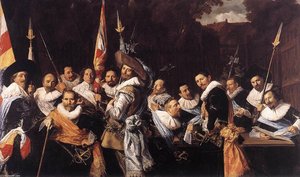
Frans Hals’s 1649 portrait of René Descartes is more than just a likeness; it's a carefully constructed embodiment of the burgeoning spirit of rationalism and the dawn of modern thought. The painting, rendered in oil on canvas with a remarkable intimacy, captures not merely the physical appearance of the philosopher but also the intensity of his intellectual fire – a gaze that seems to pierce through time itself. Measuring just 19 x 14 cm, this intimate scale draws the viewer into an immediate and profound connection with the subject, fostering a sense of privileged access to his inner world.
The composition is deceptively simple yet profoundly effective. Descartes sits in profile, turned slightly to his left, occupying the central space of the canvas. Hals eschews elaborate background details, opting instead for a dark, almost velvety expanse that serves only to amplify the figure’s presence and direct all attention towards his face. The use of light is masterful – originating from an unseen upper-left source, it casts dramatic shadows across Descartes's features, emphasizing the lines of his brow and cheekbones, lending depth and volume to his hair, and subtly highlighting the seriousness etched upon his expression. This chiaroscuro technique, a hallmark of Baroque portraiture, imbues the painting with a sense of theatrical drama.
The Language of Precision: Hals’s Revolutionary Technique
Hals's distinctive style is immediately recognizable – a departure from the meticulous detail favored by many of his contemporaries. He employs a loose, expressive brushstroke, a technique that breathes life and immediacy into the portrait. Notice how the hair isn’t rendered with painstaking precision but rather as a dynamic mass of swirling strands, conveying movement and vitality. Similarly, the folds in his clothing aren't sharply defined but are suggested through subtle shifts in tone and texture, creating an illusion of depth and volume without resorting to elaborate shading. This approach, prioritizing capturing the *essence* of the subject over photographic accuracy, is a key element of Hals’s revolutionary style.
The painting’s color palette is restrained yet sophisticated – primarily consisting of browns, blacks, and creams, punctuated by subtle highlights of light. This muted tonality allows Descartes's features to take center stage, while the dark background provides a dramatic contrast that further emphasizes his presence. Hals masterfully utilizes layering techniques, building up form and texture through multiple thin applications of oil paint, creating a rich surface that invites close examination.
A Philosopher’s Portrait: Symbolism and Context
René Descartes was a pivotal figure in the intellectual history of Europe. His philosophical system, centered on radical doubt and the pursuit of certainty through reason, fundamentally reshaped Western thought. The portrait itself is laden with symbolic meaning. The direct gaze of Descartes – unwavering and penetrating – suggests his relentless questioning and commitment to uncovering fundamental truths. The inclusion of a book, subtly placed in the lower portion of the composition, alludes to his extensive writings and intellectual pursuits. Hals’s choice to depict him in profile, a common convention for portraits of important figures, further reinforces his status as a leading thinker.
Considering the painting's creation in 1649, during a period of intense scientific and philosophical debate, it serves as a visual representation of the intellectual ferment shaping Europe. The portrait reflects the burgeoning interest in mathematics, logic, and epistemology – fields that Descartes would profoundly influence. It’s a testament to Hals’s ability to capture not just a man but also an era.
Bringing the Portrait Home: A High-Quality Reproduction
A Frans Hals reproduction of “René Descartes” offers a remarkable opportunity to bring this iconic work of art into your home or office. Experience the drama of the chiaroscuro, the dynamism of Hals’s brushstrokes, and the profound intensity of Descartes's gaze – all within the comfort of your own space. Order a print today and connect with one of the most influential thinkers in history.
Biografia artysty
Frans Hals I: A Life in Paint
Frans Hals I was a Dutch painter born in Antwerp, Belgium, around 1580. Though his early life remains somewhat shrouded in mystery, he rose to become one of the most important figures of the Dutch Golden Age, celebrated for his innovative portraiture and genre scenes.Early Life and Training
Details surrounding Hals’s formative years are scarce. It is believed he received initial artistic training in Antwerp, a prominent center for painting at the time. However, due to religious and political turmoil, his family relocated to Haarlem in the Netherlands. He became a member of the Haarlem Guild of St. Luke in 1610, marking the formal beginning of his professional career.Artistic Style and Development
Hals distinguished himself through a remarkably fresh and spontaneous style. Unlike many of his contemporaries who favored meticulous detail, Hals employed a loose and expressive brushstroke. This technique imbued his paintings with a sense of immediacy and vitality, capturing the personality and character of his subjects in a way that was revolutionary for its time. He wasn’t merely attempting to reproduce appearances; he sought to convey emotion and psychological insight. His portraits weren't simply likenesses; they were psychological studies. He excelled at depicting fleeting moments – laughter, conversation, or contemplation. Hals's use of light and shadow added depth and drama to his compositions. This approach departed significantly from the prevailing artistic conventions of the period, establishing him as a pioneer of realism and emotional intensity.Notable Works
While Hals produced a wide range of works, he is best known for his portraits. Some of his most celebrated paintings include:- The Laughing Cavalier (1624) – A quintessential example of his ability to capture character and movement. The painting’s dynamic pose and radiant smile exemplify Hals's masterful technique in portraying human emotion with remarkable accuracy.
- Malle Babbe (c. 1633-1635) – A striking portrayal of an elderly woman, showcasing Hals’s skill in depicting age and personality. The painting captures the sitter’s wrinkled face and gaze with astonishing realism, conveying a profound sense of wisdom and experience.
- Portraits of the Regents of the Old Men's Home in Haarlem (1664) - Demonstrating his mastery of group portraiture. Hals skillfully captured the individual expressions and postures of each regent, creating a cohesive image that reflects the dignity and serenity of the institution.
Influences and Legacy
Determining Hals’s direct influences is challenging, as he developed a highly individual style. However, it's likely he was aware of the work of earlier Flemish painters like Pieter Bruegel the Elder. His innovative approach to portraiture profoundly impacted subsequent generations of artists. He influenced artists such as Adriaen Brouwer and Johannes Vermeer. His emphasis on capturing personality paved the way for more intimate and psychological portraits. Later artists, including the Impressionists, admired his loose brushwork and focus on light. Hals’s legacy extends beyond his artistic achievements; he embodies the spirit of the Dutch Golden Age—a period characterized by intellectual curiosity, artistic experimentation, and a celebration of human individuality. Today, his paintings are highly sought after and can be found in major museums worldwide, including the Frans Hals Museum in Haarlem, which houses the largest collection of his work. His contributions continue to inspire artists and captivate audiences centuries later.
Frans Hals I
1580 - 1585 , Belgia
Najważniejsze informacje
- Artistic Movement Or Style: Dutch Golden Age
- Artists Or Movements Influenced By This Artist:
- Adriaen Brouwer
- Johannes Vermeer
- Artists Who Influenced This Artist: ['Pieter Bruegel the Elder']
- Date Of Birth: c. 1582
- Date Of Death: 1666
- Full Name: Frans Hals I
- Nationality: Dutch
- Notable Artworks:
- Śmiejący się Rycerz
- Portret młodego mężczyzny
- Portret kobiety wiekowej
- Place Of Birth: Antwerp, Belgium
Zobacz także powiązane artykuły

Blask Złotej Ery Niderlandów: Studium Innowacji w Malarstwie XVII Wieku
Odkryj fascynujący świat malarstwa holenderskiego Złotej Ery! Analiza innowacyjnych technik Rembrandta, Vermeera i innych mistrzów. Poznaj historię, gatunki i wpływ tego wyjątkowego okresu na sztukę.

Złoty Wiek Holandii: 10 arcydzieł, które zmieniły historię sztuki | OriginalUniqueArt.com
Odkryj 10 arcydzieł Złotego Wieku Holandii! Poznaj historię Rembrandta, Vermeera i innych mistrzów. Reprodukcje obrazów najwyższej jakości do Twojego wnętrza – OriginalUniqueArt.com.

Holenderski Barok: 10 Arcydzieł, Które Zdefiniowały Epokę | OriginalUniqueArt
Poznaj 10 arcydzieł holenderskiego baroku! Odkryj historie Rembrandta, Vermeera i innych mistrzów XVII wieku. Reprodukcje obrazów najwyższej jakości – idealne do Twojego wnętrza. OriginalUniqueArt.com

Golden Light & Dutch Skies: The Timeless Magic of Dutch Golden Age Landscapes
Discover the breathtaking beauty of Dutch Golden Age landscapes. Explore the mastery of light, chiaroscuro, and 17th-century realism through an expert art history lens, celebrating the enduring legacy of the Dutch Masters for discerning collectors and art lovers.

Frans Hals I: Innovation, Intimacy & the Dutch Golden Age Portrait
Explore the revolutionary portraiture of Frans Hals I, a master of the Dutch Golden Age. Discover his innovative techniques, captivating character studies & lasting impact on art history. Learn more at OriginalUniqueArt.